By Julianna Nielsen | Executive Director
December 18, 2015
Dear CASF Donors,
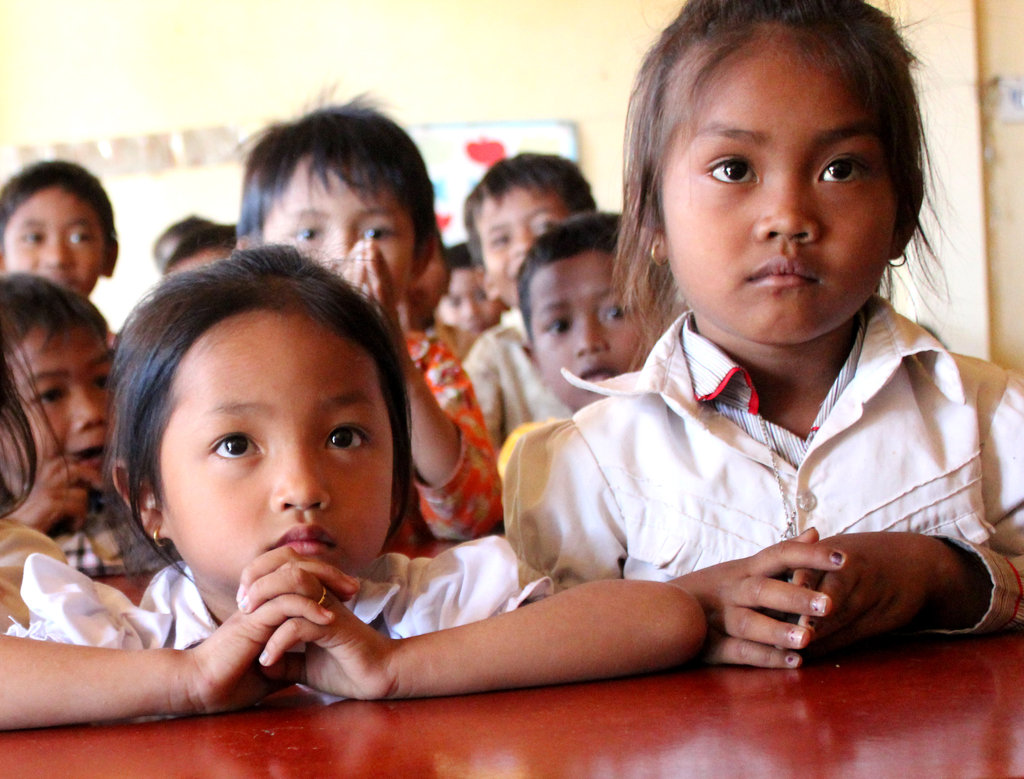
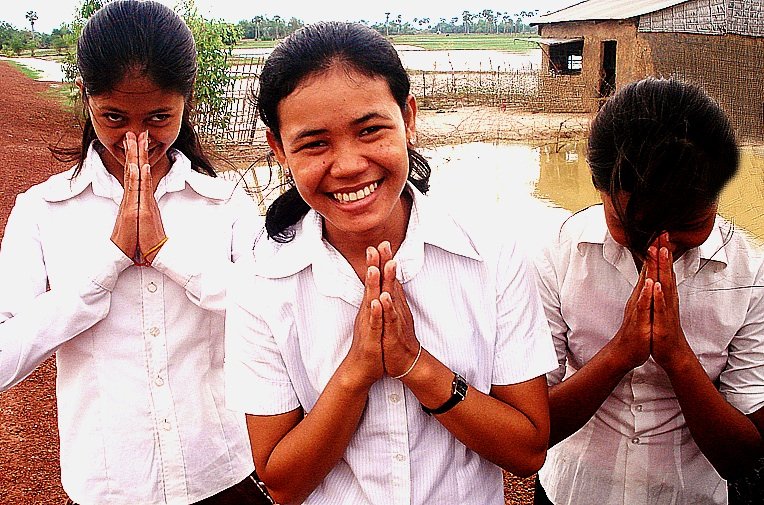
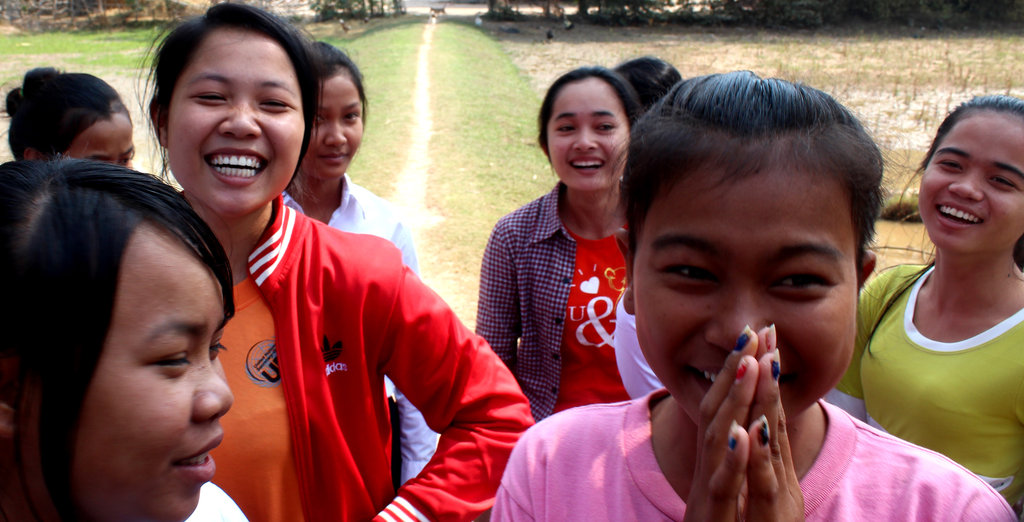
In 2015, we were able to expand the CASF program thanks to donors like you, allowing us to add nineteen new secondary students and six new university students to the CASF program.
In summary: The nineteen secondary students range from Grades 10-12 and are interested in subjects ranging from Chemistry to Khmer Literature to History.
Of the six university students: Five arrived in Phnom Penh in the end of September to start their university studies. They are being provided with one hour per evening of English lessons and have been enrolled in private computer classes. Of these five, two were enrolled in November in accounting at Royal University of Law and Economics; one was enrolled in November in chemistry at Royal University of Phnom Penh; and two will be taking an entrance exam to begin pharmaceutical studies at Royal University of Health Sciences in January. The sixth university student is living with her family in Svay Rieng and is commuting to Phnom Penh on weekends to study accounting at Asia Euro University.
As we head into our 15th year of educating girls in Cambodia, things are changing on both sides of the world.
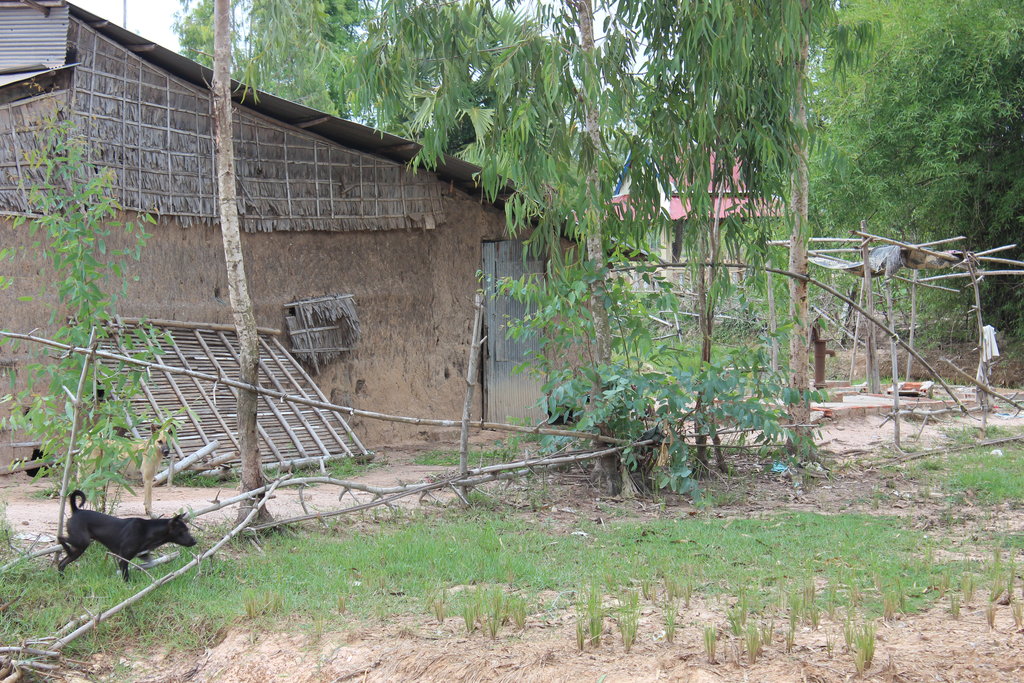
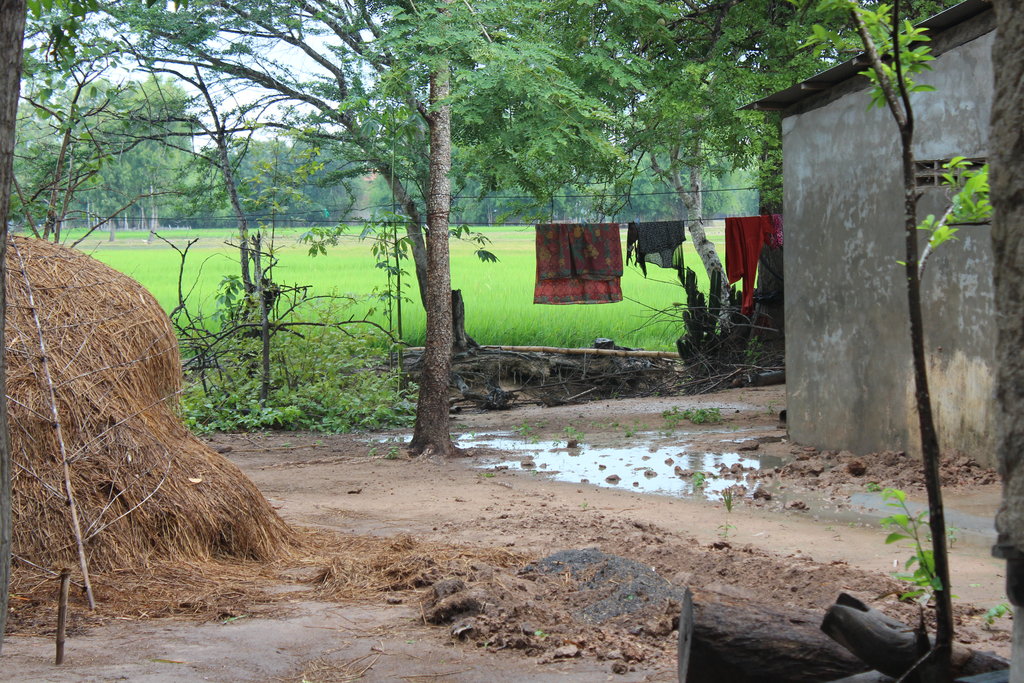
In Cambodia, access to education is getting easier but the quality of learning remains a challenge. We need to better prepare our rural students, who are disadvantaged in comparison with their urban counterparts by, among other skills, lack of computer knowledge and low proficiency in English.
Focus is beginning to shift from simply getting Cambodian girls through school to ensuring their transition from school to work. We need to focus on the skills students need both for their academic success and their success at work and life.
To meet these challenges, we are working on numerous fronts.
Our university students underwent training in the spring of 2015 by the Career Counseling department at the Royal University of Phnom Penh and are delivering career workshops to secondary students in our villages, helping them to align their interests and skills with a course of study that will lead to a professional job. We involve family members, so that they understand the benefits, both personal and economic, that an education can bring. This powerful mentoring program has proven beneficial not only to the secondary students who receive the training but to the student trainers, who develop confidence and presentation skills.
We are partnering with the Peace Corps to improve English language instruction in our villages: A Peace Corps volunteer arrived at Doun Sa High School in Svay Rieng in September, and in addition to her Peace Corps duties, will give private English lessons to our CASF students.
We are developing a robust co- and extra-curricular program for our university students, to help prepare them for the next stage of their lives. As a first step, students were asked to complete a skills survey, outlining what they would like to focus on to help them as they move through university and out into life. Next, a series of training modules will be created and delivered by local Khmer mentors and leaders.
In February, we will spend 3 days in Svay Rieng conducting a program evaluation. Graduate students from the Fletcher School of Law and Diplomacy in Medford, MA and Charles University in Prague are working with us to develop a monitoring and evaluation plan, and we are being guided by the Lean Research methodology developed by a new coalition of faculty and researchers at the Fletcher School, the D-Lab at MIT, and the Feinstein International Center at Tufts University (see https://d-lab.mit.edu/lean-research).
In short, 2015 has been one of great progress and program strengthening for CASF. All of this has been made possible by our donors, to whom we are very grateful.
Sincerely,
Julianna Nielsen
Executive Director
Project reports on GlobalGiving are posted directly to globalgiving.org by Project Leaders as they are completed, generally every 3-4 months. To protect the integrity of these documents, GlobalGiving does not alter them; therefore you may find some language or formatting issues.
If you donate to this project or have donated to this project, you can receive an email when this project posts a report. You can also subscribe for reports without donating.