By Dr. (Mrs.) P. Usha Abraham | CEO & Project Leader
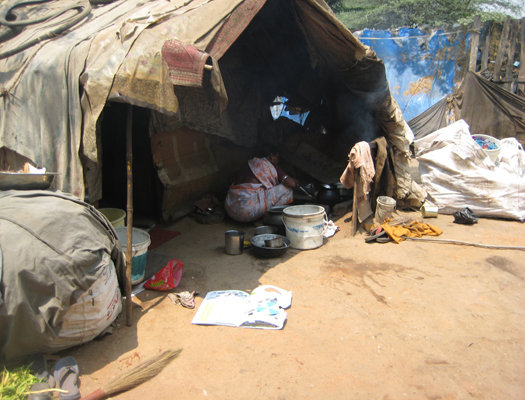
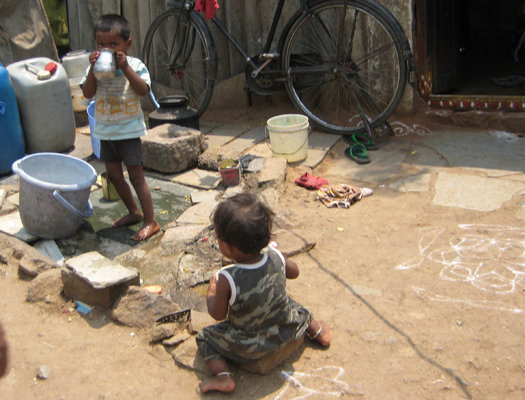
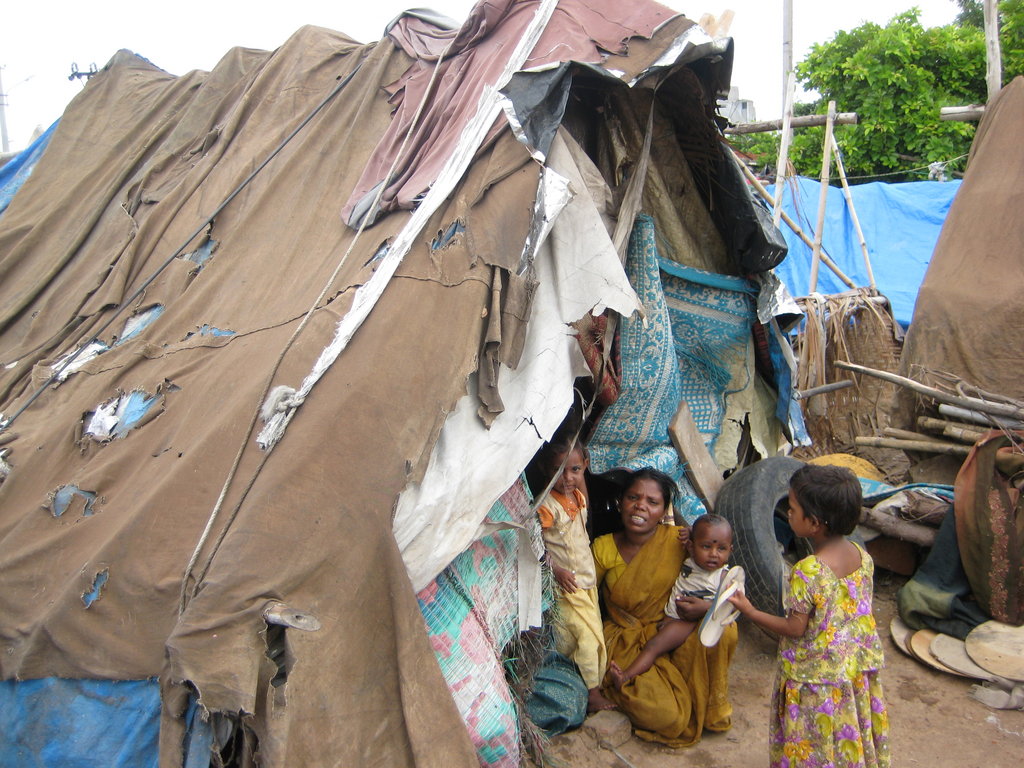
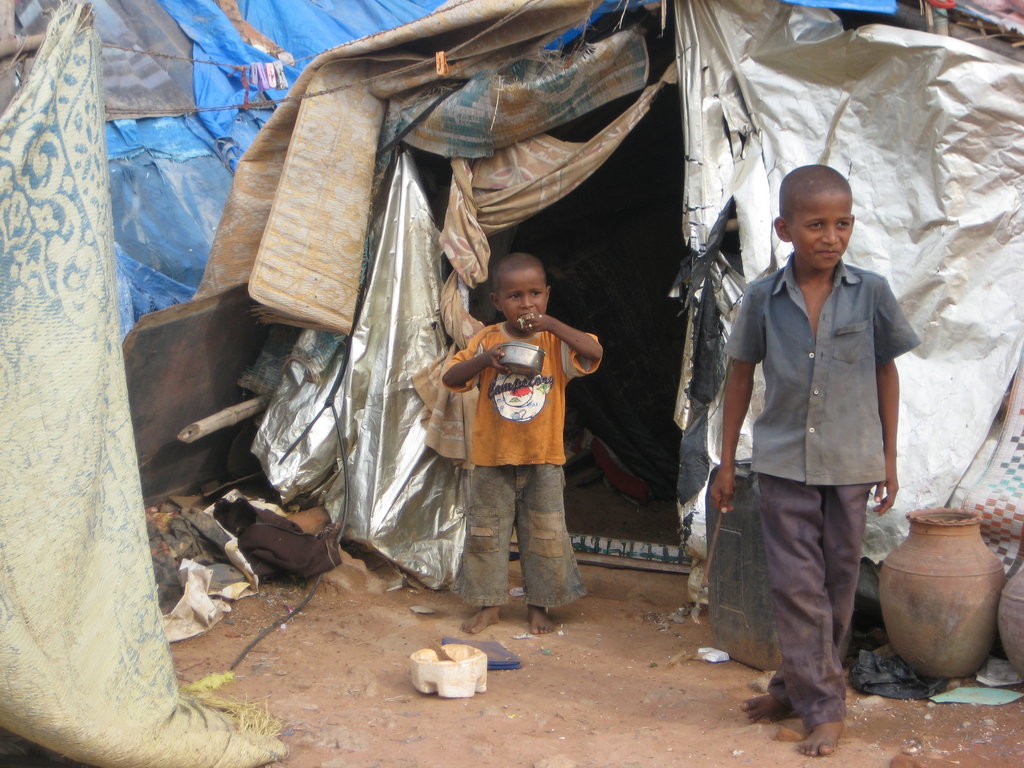
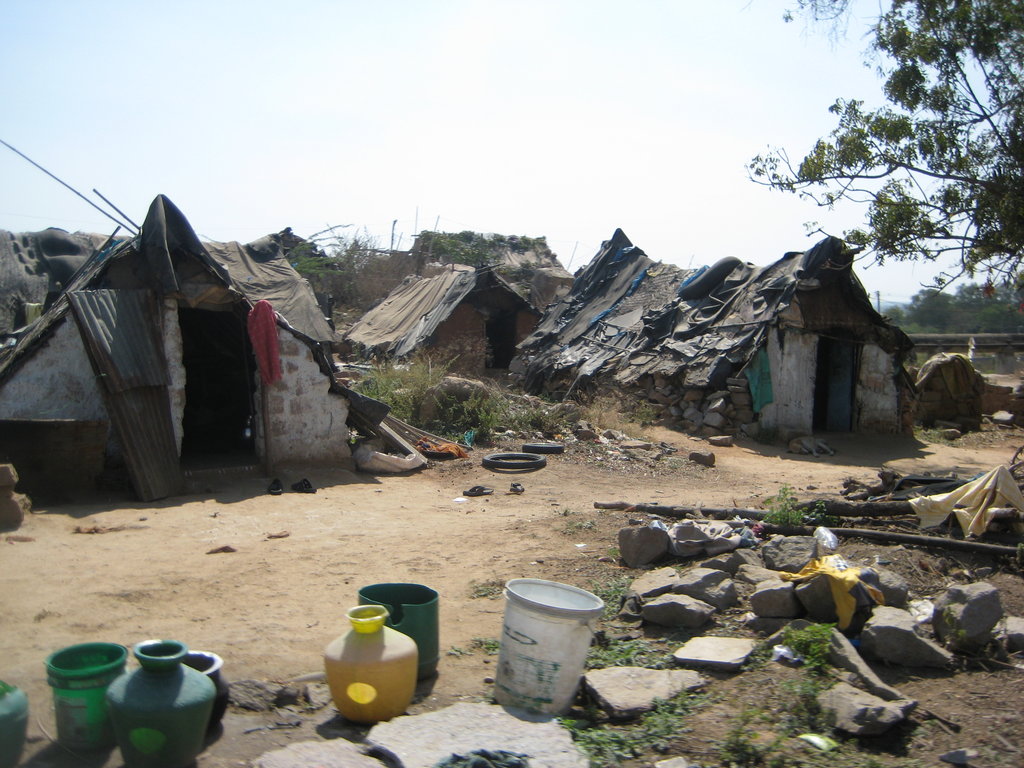
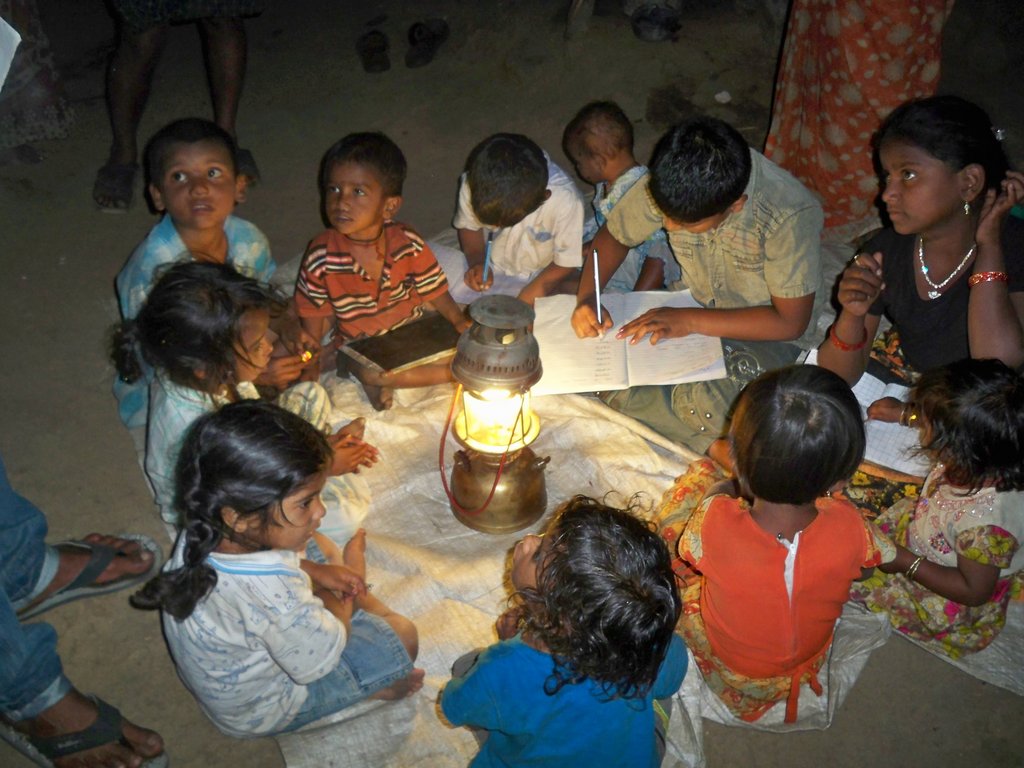
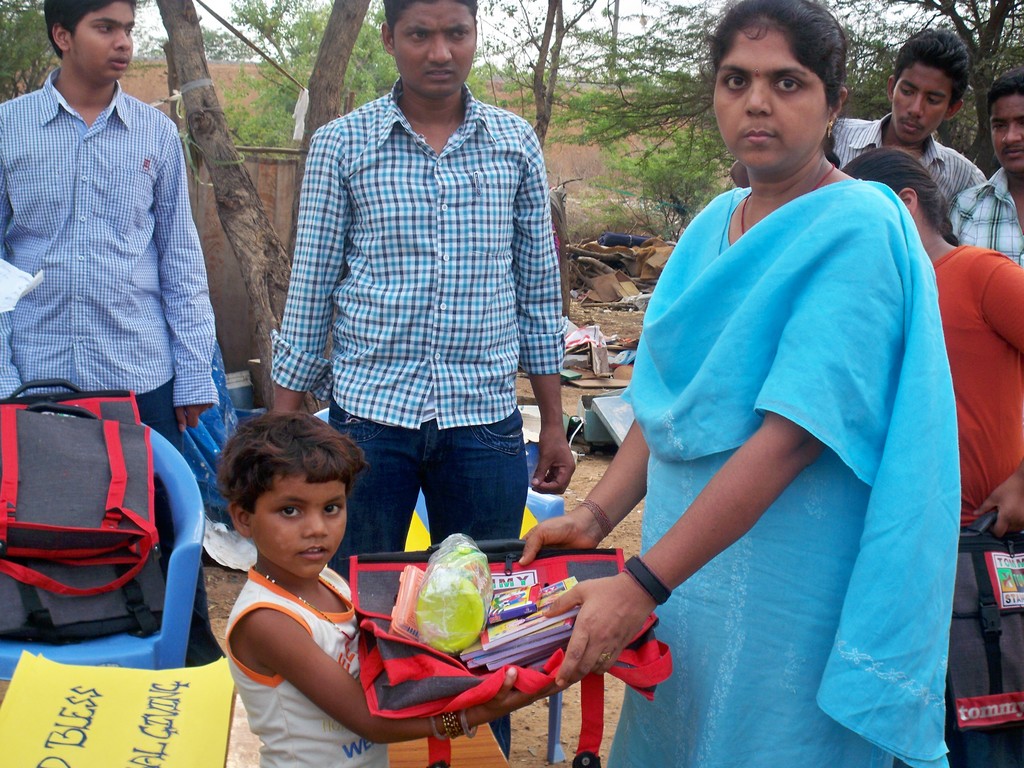
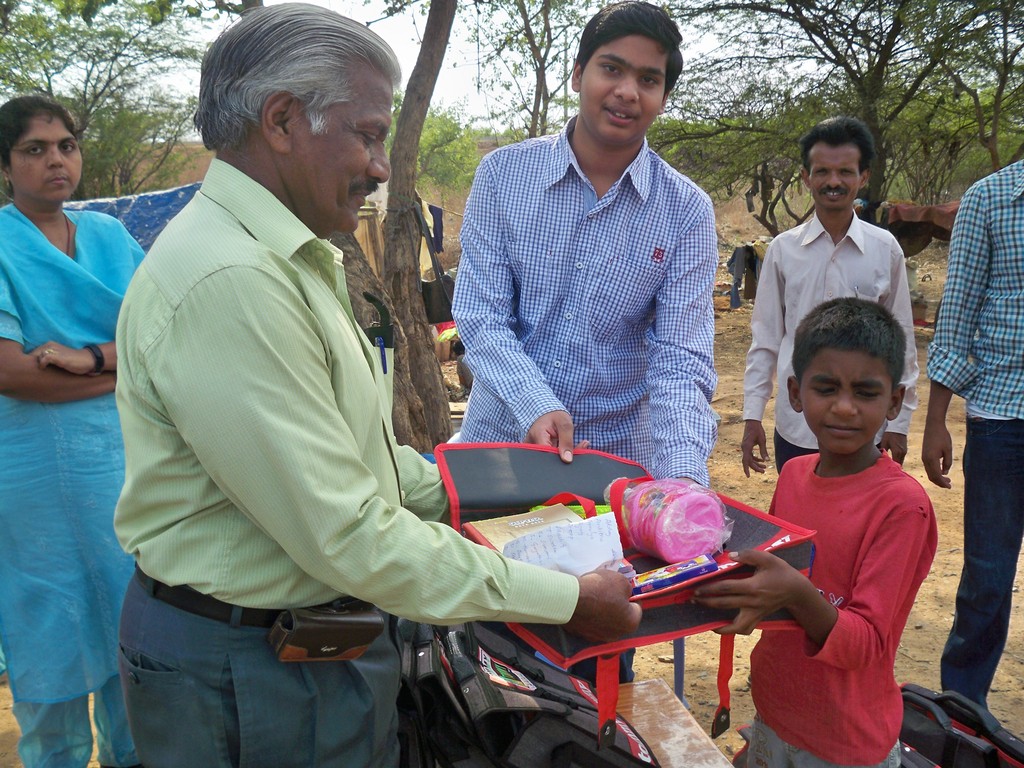
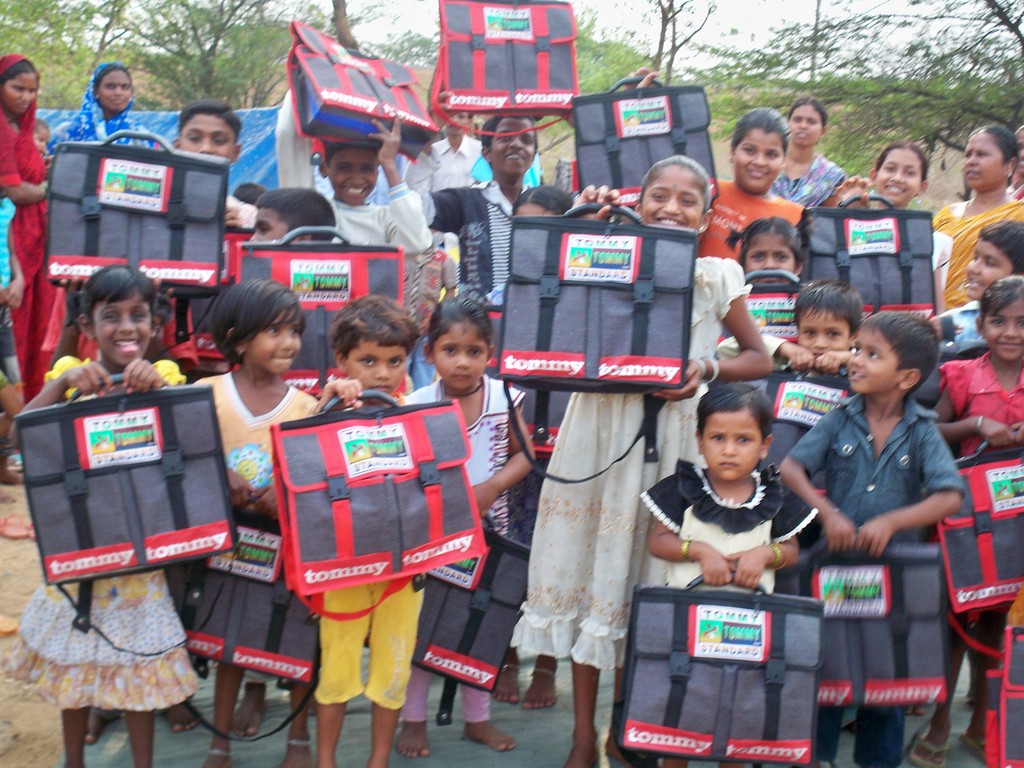
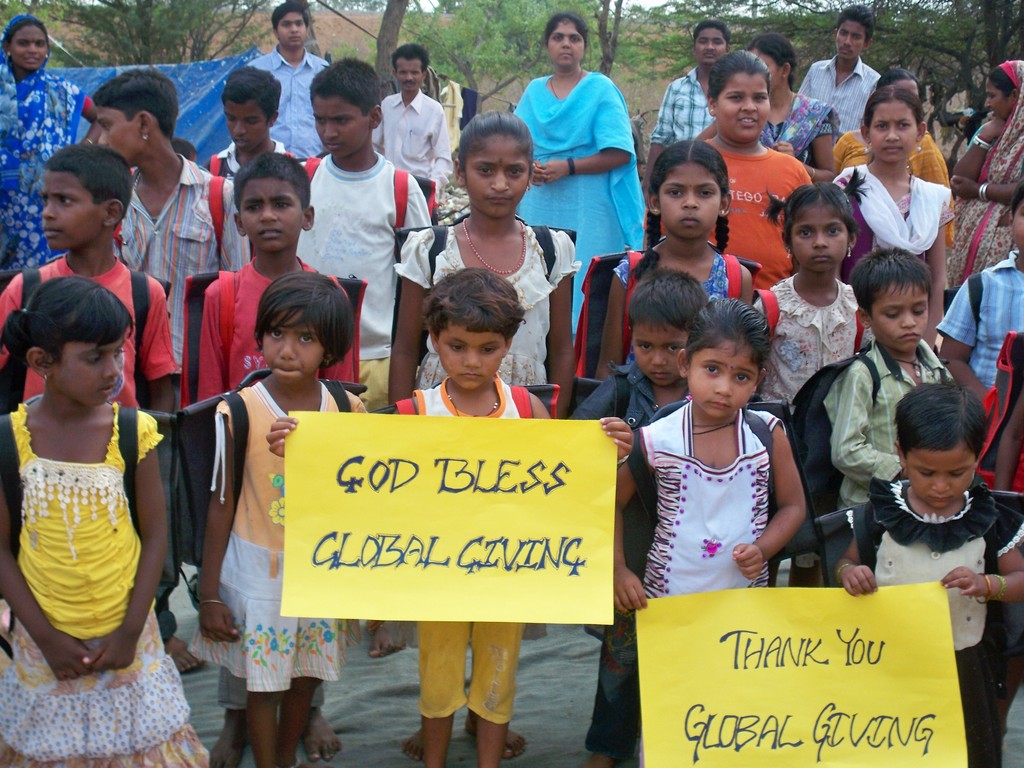
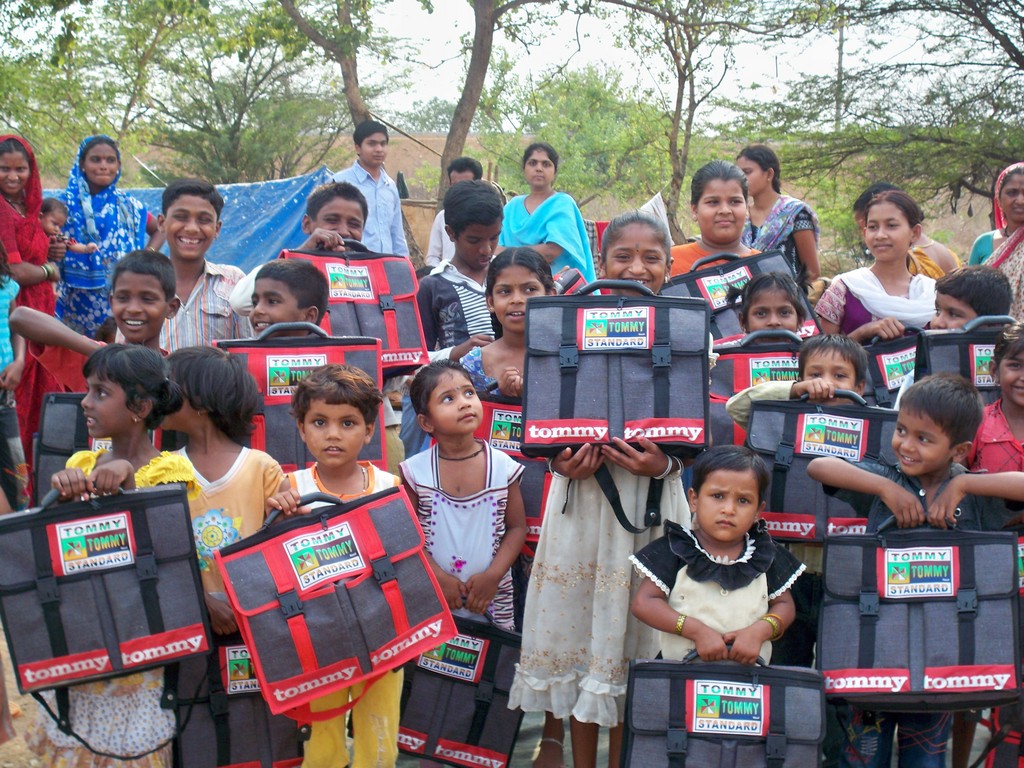
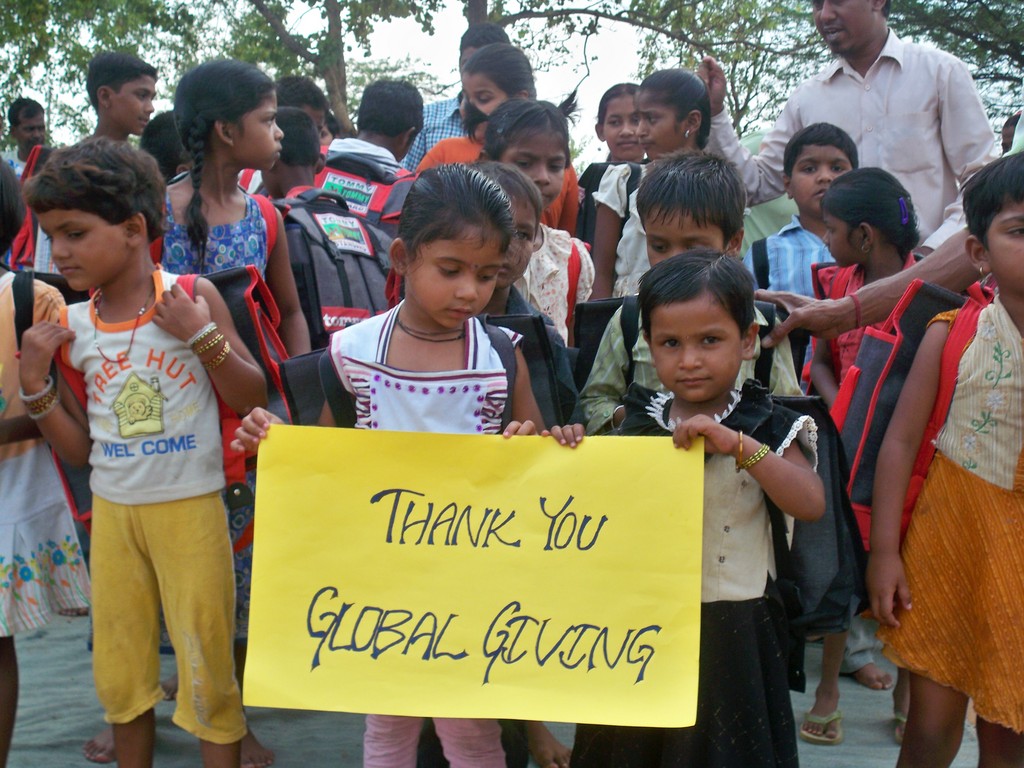
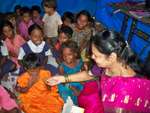
School Needs distributed in an identified area Bowenpally, Secunderabad, Ranga Reddy District. Summary : The project will enable 900 children to go to school with new school equipments/needs for the academic year 2011-2012. This will enable no discrimination between rich and poor. The poverty stricken, deprived, destitute most of the slum dwellers are benefited.
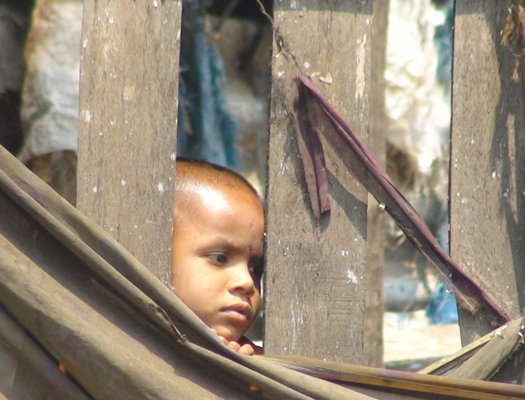
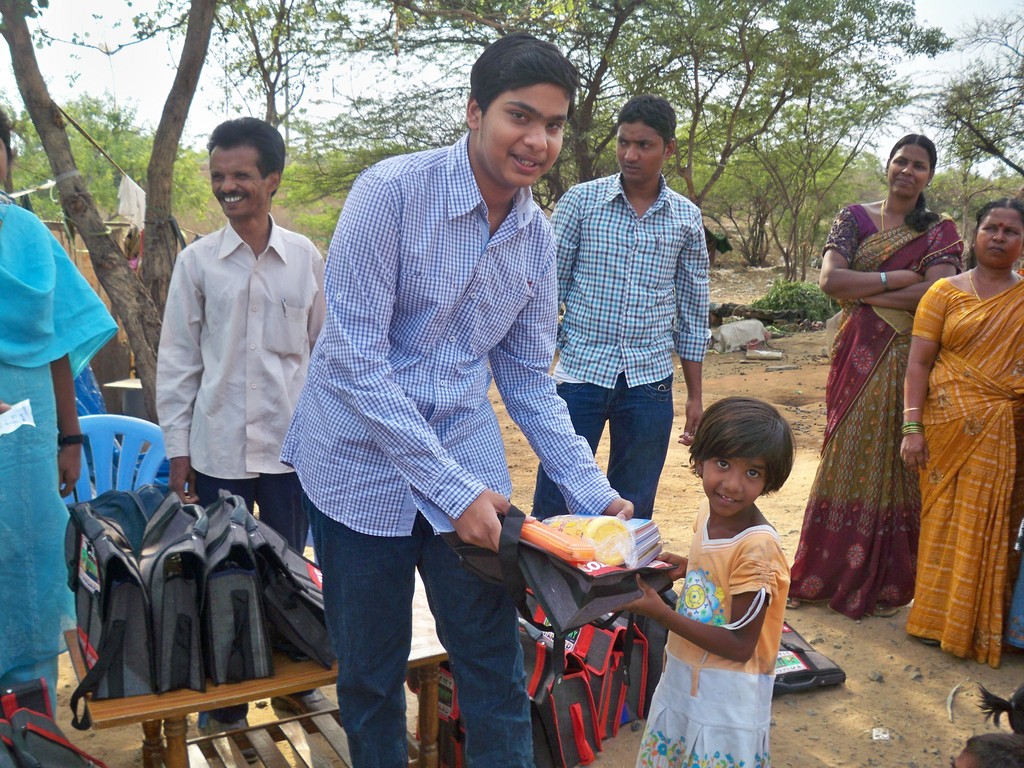
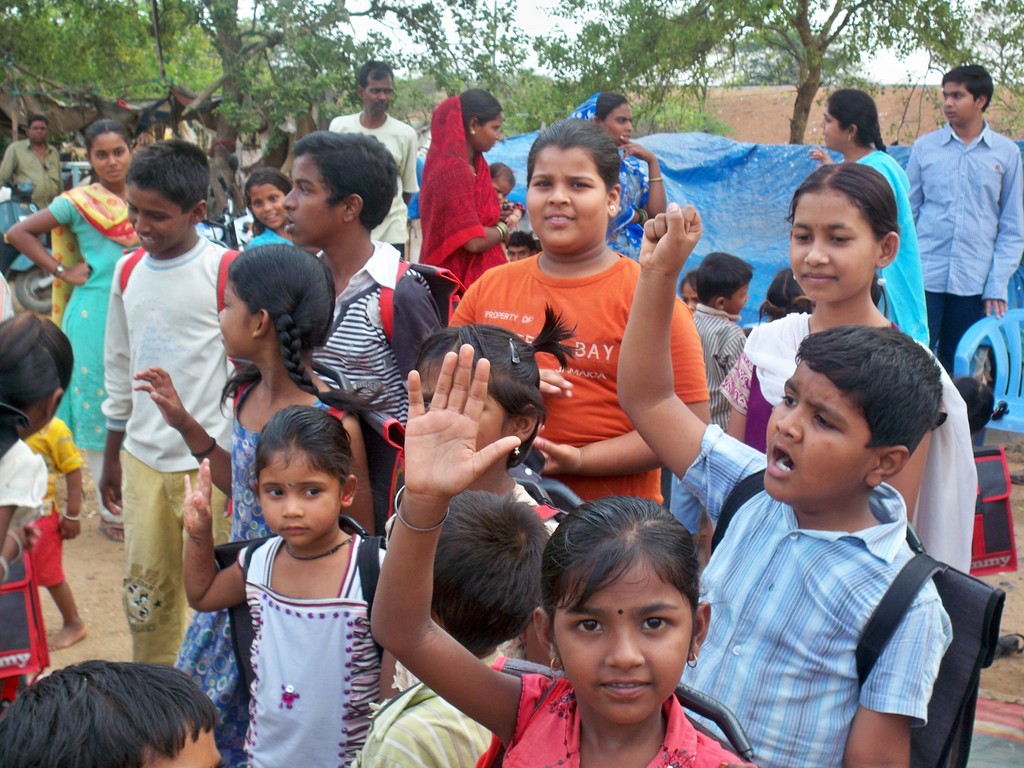
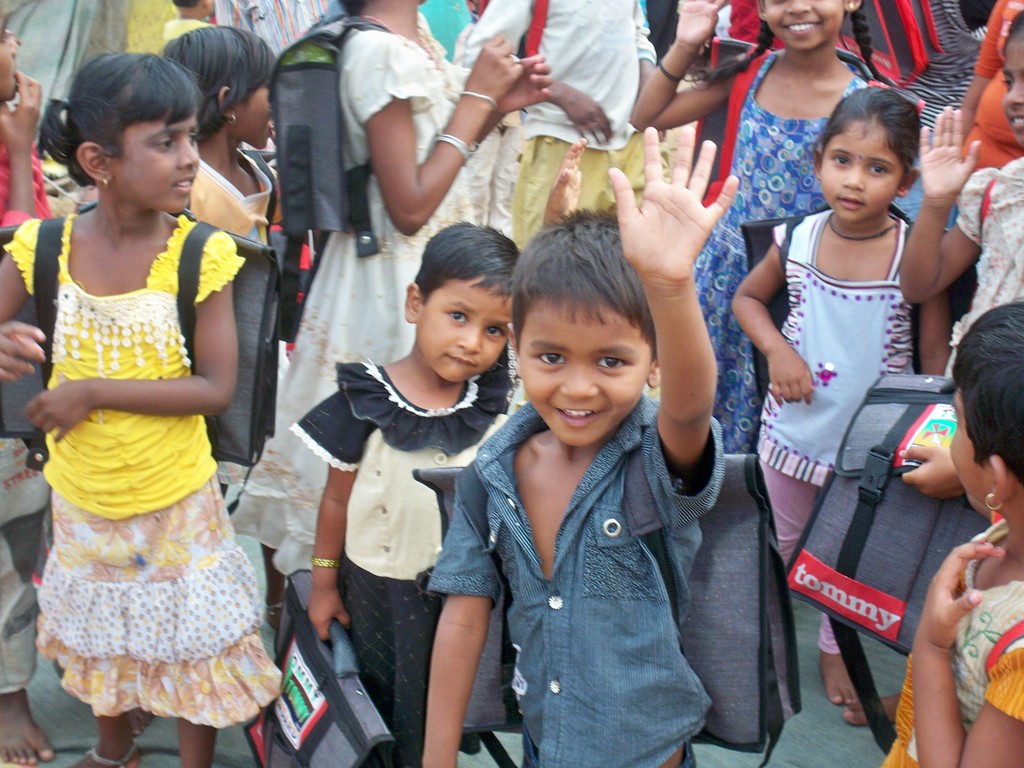
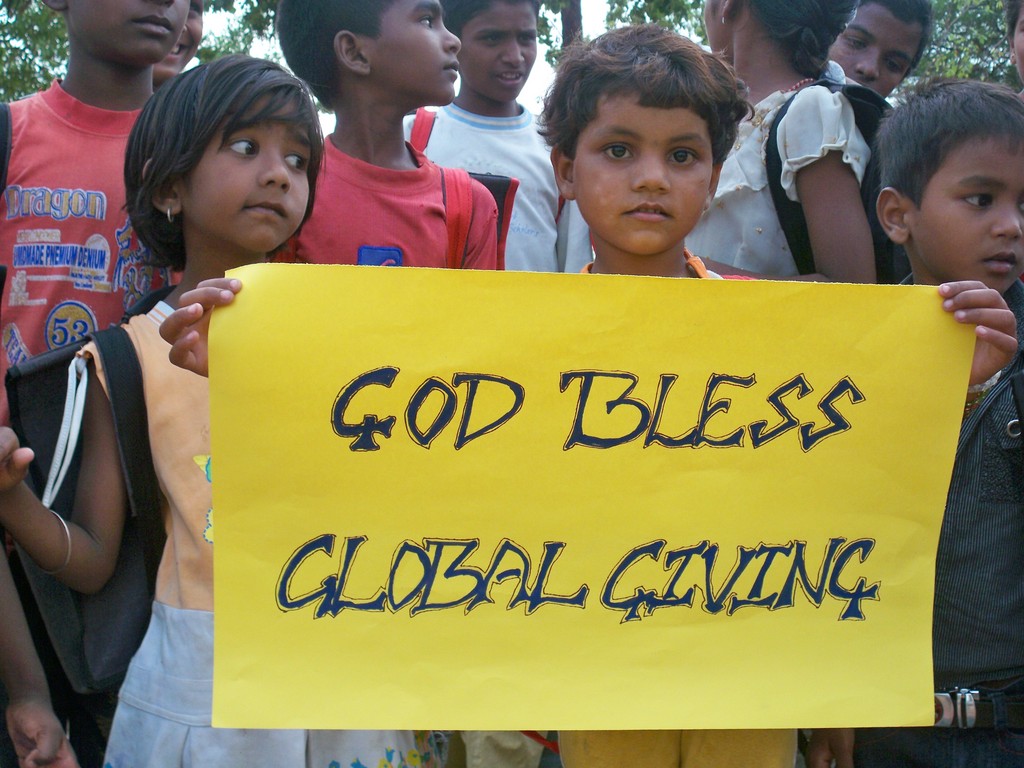
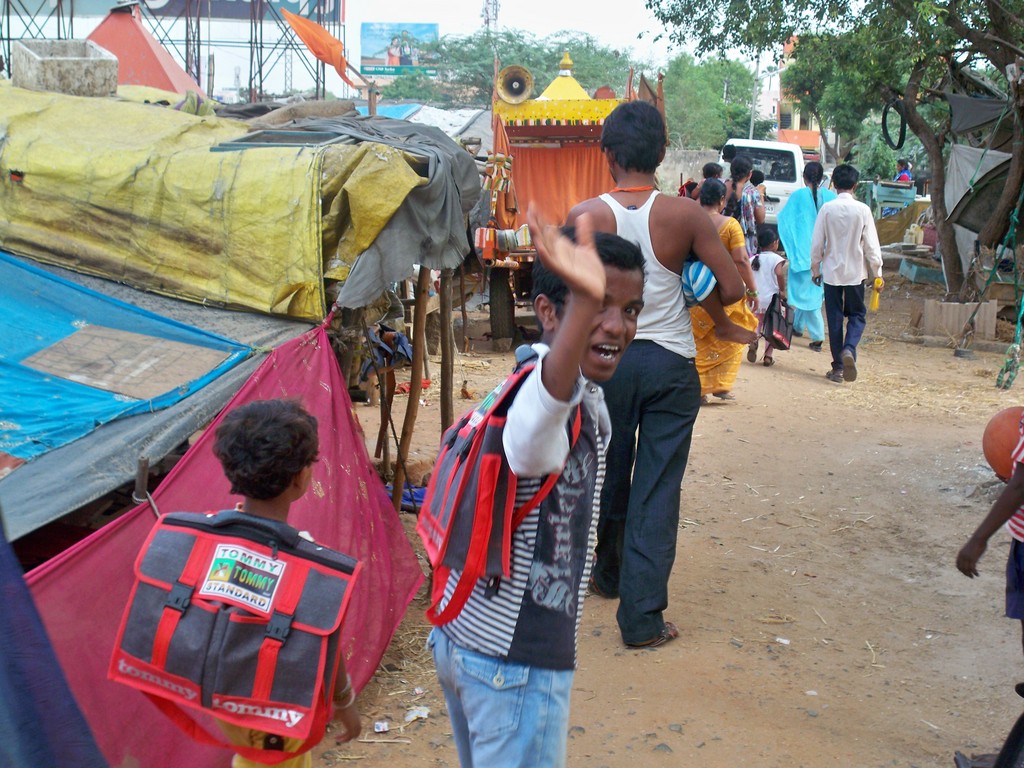
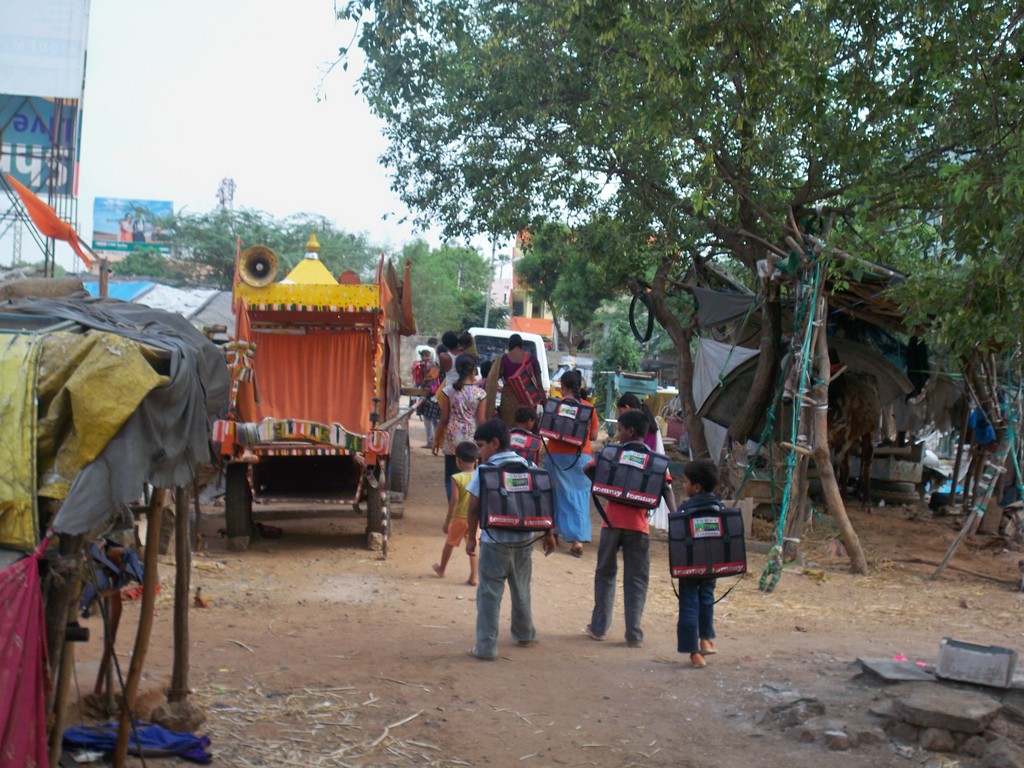
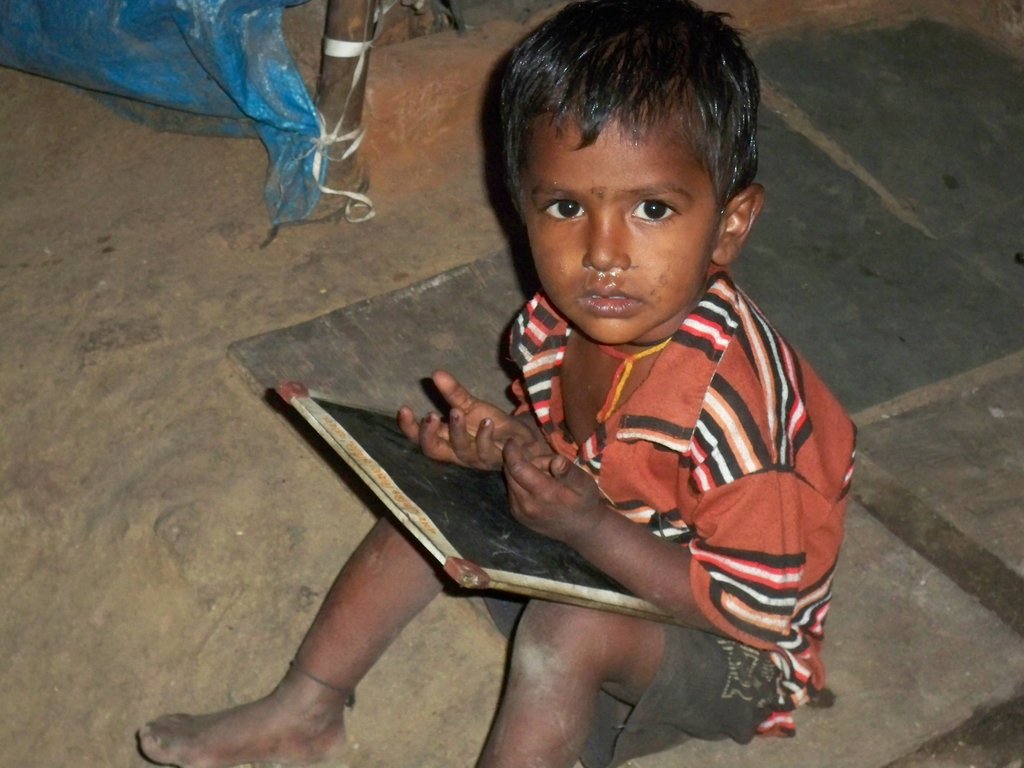
About the children : Children are back to schools after the summer vacation. Children got promoted to next standard. They are over joyed as they entered into the new academic year. All the children are happy will be going to school in the month of June. The needy children to attend to schools without any discrimination between rich and poor. So we are giving the material in advance to avoid anxiety. Children are fully equipped with all the needs. Parents are also very happy to see their children with all the needs and are thankful to you.
RDOET IN ACTION : (RDOET) HAO India distributed School needs and material for identified children as listed below. Each and every child is provided with content and saturated
The present educational system of India is an implantation of British rulers. Wood's Dispatch of 1854 laid the foundation of present system of education in India. Before the advent of British in India, education system was private one. With the introduction of Wood's Dispatch known as Magna Carta of Indian education, the whole scenario changed. The main purpose of it was to prepare Indian Clerks for running local administration. Under it the means of school educations were the vernacular languages while the higher education was granted in English only. British government started giving funds to indigenous schools in need of help and thus slowly some of the schools became government-aided. Contemplating on the new system which was introduced Mahatma Gandhi expressed his anguish in following words, "I say without fear of my figures being challenged successfully, that today India is more illiterate than it was fifty or a hundred years ago. The village schools were not good enough for the British administrator, so he came out with his program. I defy anybody to fulfill a program of compulsory primary education of these masses inside of a century. This very poor country of mine is ill able to sustain such an expensive method of education. Our state would revive the old village schoolmaster and dot every village with a school both for boys and girls."
Primary education :
The Indian government lays emphasis to primary education up to the age of fourteen years (referred to as Elementary Education in India.) The Indian government has also banned child labour in order to ensure that the children do not enter unsafe working conditions. However, both free education and the ban on child labour are difficult to enforce due to economic disparity and social conditions. 80% of all recognized schools at the Elementary Stage are government run or supported, making it the largest provider of education in the Country.
The parental community were amazed and full of gratitude for the bundle of Gifts the children have received in the form of School Material. The deprived down trodden society is praying to God for more number of privileges to the under privileged. Let’s all join our hands in this great venture of educating the destitutes, slum dwellers, rag pickers, begging alms, garbage cleaners and poverty stricken. Dr.(Mrs.) P. Usha Abraham, CEO, RDOET (HAO India)
Project reports on GlobalGiving are posted directly to globalgiving.org by Project Leaders as they are completed, generally every 3-4 months. To protect the integrity of these documents, GlobalGiving does not alter them; therefore you may find some language or formatting issues.
If you donate to this project or have donated to this project, you can receive an email when this project posts a report. You can also subscribe for reports without donating.