By Auma Teopista | Project Leader
CHILDREN’S REPORT FOR RWEN (Rural Women's Empowerment Network), TORORO, BUGIRI AND AMONIKAKINEI FOR MAY 2017
Orphans and vulnerable children
RWEN 300
Tororo 86
Bugiri 165
Amonikakinei 84
Areas of support
Nusery
Primary
Secondary
Technical education
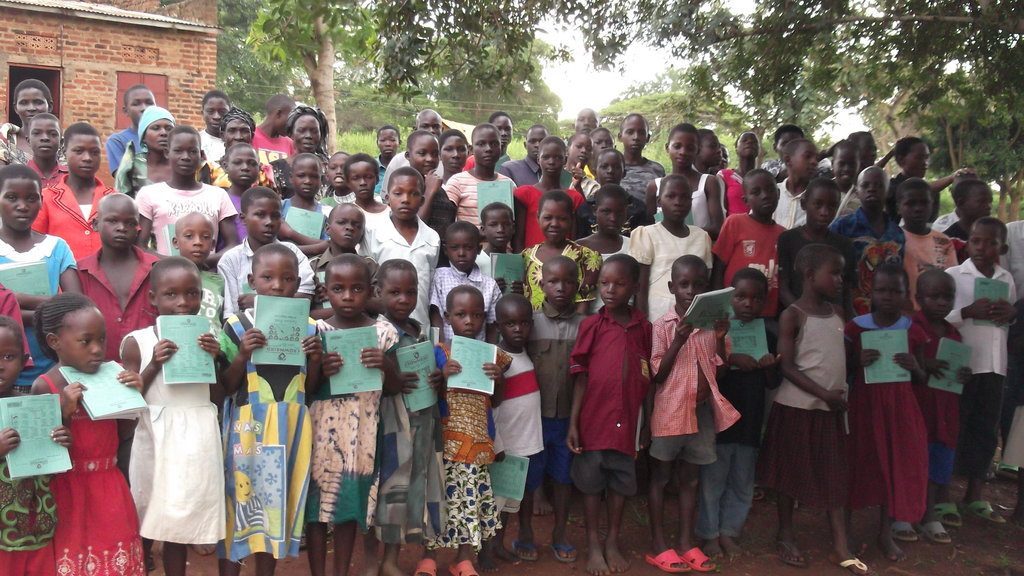
The children are supported with fees top up, feeding at school/homes, health support in terms of care for orphans and other vulnerable children affected and infected with HIV/AIDS care.
Performance in schools
Term one performance for our children in school was generally fair at all levels of support. It was not very good because of poor feeding within the OVC homes which resulted into poor attendance of the children.
Fees top up and payment for term one was made and we are looking forward to the beginning of term two 2017.
Feeding at school;
Feeding for term one at school did not improve significantly as the families were food insecure. However, as a school we tried to utilize the little resources to ensure all children have mid day meals.
We are fore seeing a big problem of high costs of food (posho/maize) and beans. It is quite above our normal budget however. For example posho costs 2500 per 1kg, the beans have risen to 3200 per kilogram. All these used to cost less than the amount given which is a big problem for the groups.
Feeding in homes
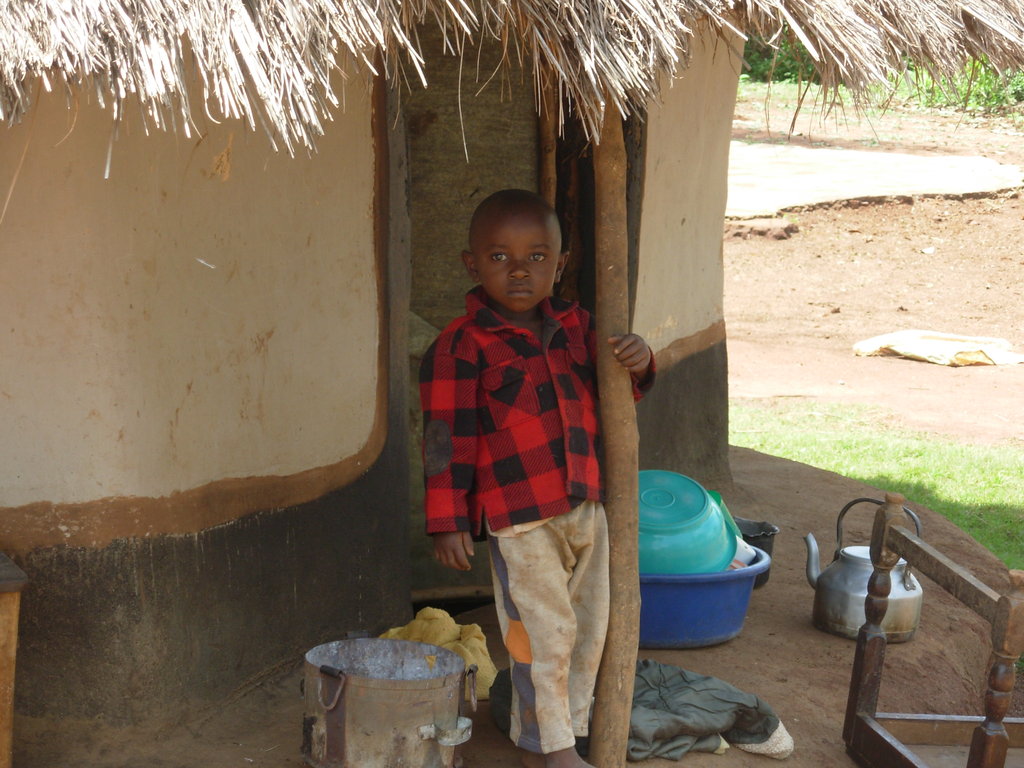
It has been very hard for the families. The children depended on food they had at school and this affected learning in schools for children. The children eat by chance; most children take porridge or water for survival then get to school. This was caused by the long drought than has been on for some time.
Health
Our children who are HIV/AIDS positive have had a big burden of taking drugs without eating food. We have been very active in monitoring and counseling these children to make sure they take their drugs despite the fact that there has been no proper feeding in their homes.
Care for OVCs
Child headed families have suffered more than anybody and still suffering because they get food at the centers and from the kind well-wishers who have now left them completely to depend on us but with the limited resources that we have.
Improvements
Our children have been able to be in schools with fair performance
We were food secure as we had bought food for our supported children at school
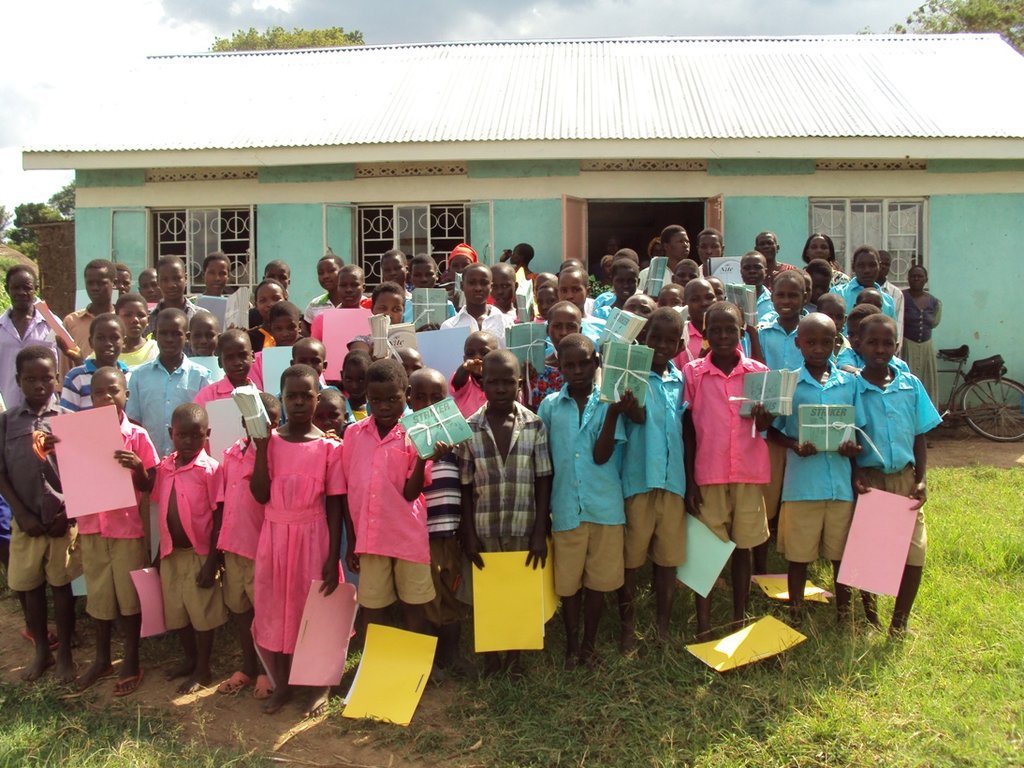
Our children were able to get scholastics on time
HIV/AIDS children get their drugs and care givers and counselors have made sure they reach them not to miss taking the drugs
Rains have started and some crops planted early April are growing despite of the fact that they will not be harvested in the normal scheduled time of harvesting.
Challenges
Hunger still continues because harvesting will not be ready in the normal harvest period
Getting cassava stems for planting as a staple food needs money because they have to be got from very far way, buy them then transport
Term two will be very difficult due to food insecurity
Child headed families caused by the epidemic are suffering a lot
The day care centers may have no way out to continue properly
Suggestions
If there would be little funding, food would be bought for school children and other young ones to secure them. However, the food would be put at the centers for mid-day meals (posho and beans).
Project reports on GlobalGiving are posted directly to globalgiving.org by Project Leaders as they are completed, generally every 3-4 months. To protect the integrity of these documents, GlobalGiving does not alter them; therefore you may find some language or formatting issues.
If you donate to this project or have donated to this project, you can receive an email when this project posts a report. You can also subscribe for reports without donating.



Support this important cause by creating a personalized fundraising page.
Start a Fundraiser