Education  India Project #26721

Educate 100 Under Privileged Children for One Year

by ASHWINI CHARITABLE TRUST
Educate 100 Under Privileged Children for One Year

Project Report | Apr 29, 2021
How we adapt to meet virtual learning needs in the pandemic

By Nishchita Verghese | Operations Manager

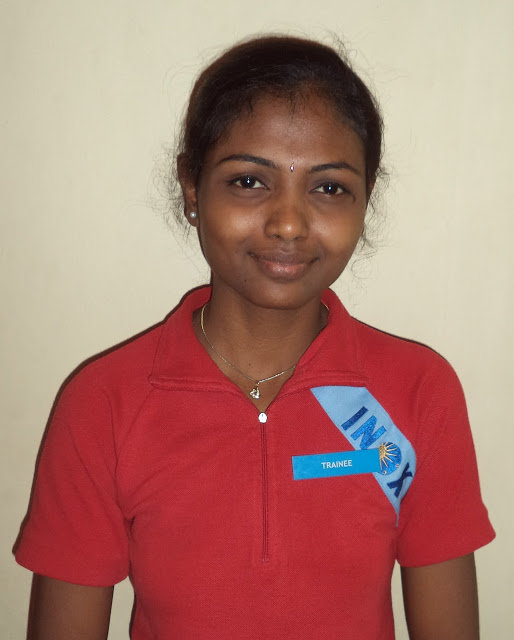
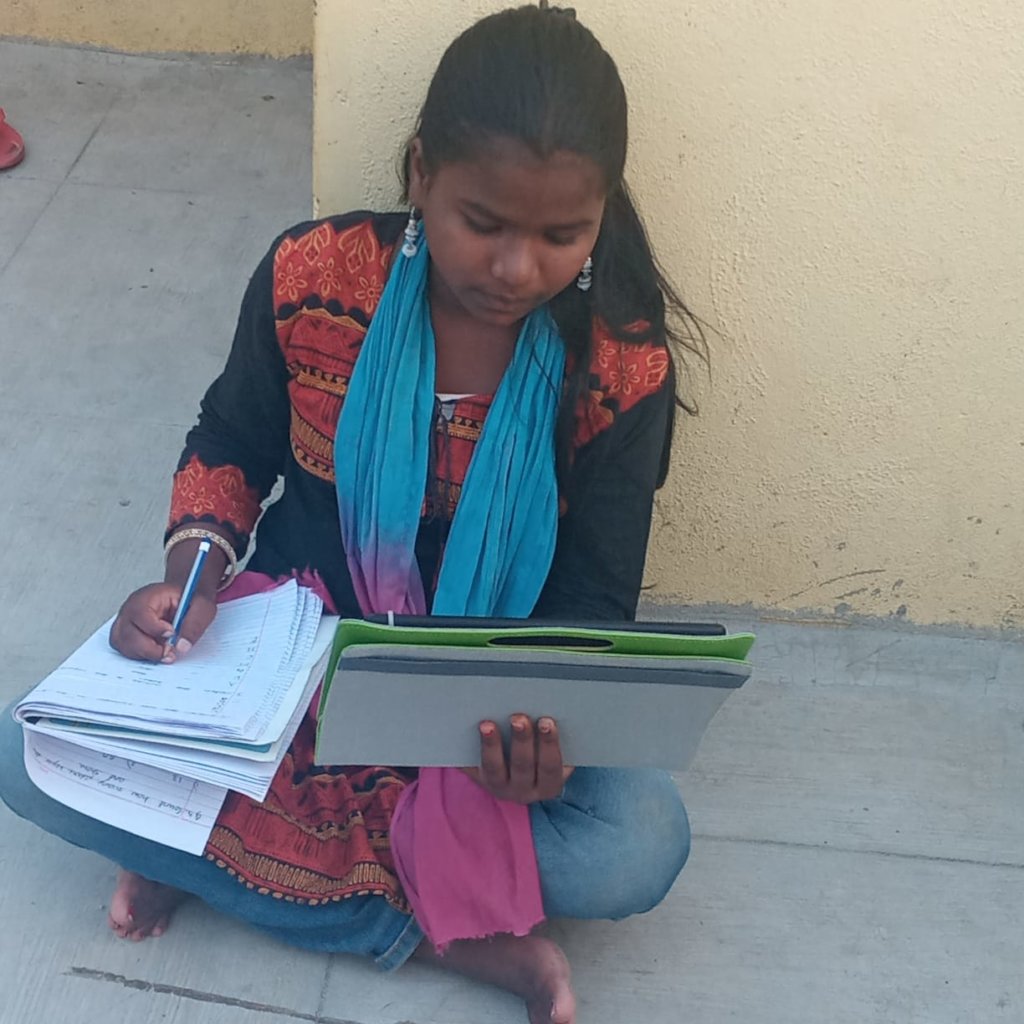
Nalini using her tablet

In light of the Covid pandemic, ACT has had to modify our approach and adapt our project 'Educate 100 underprivileged children for one year' to suit the changing needs. Here are some of the ways in which we have responded to and carried out the work involved to continue meeting the goals of our project.

  1. Shifting from real to virtual classes for our students
  2. Distributing provisions to the families of our students


Online classes report

Context: 

Educational institutions closed indefinitely due to the lockdown. In time, many schools and colleges began conducting online education. For our students, this posed some practical challenges:

  1. Access to digital devices
  • Majority of our students and their families do not own a computer, laptop, tablet, or smartphone
  • For those who had a smartphone, it belonged to the parent (father) which made it challenging to schedule classes based on the availability of the volunteers, the parents and the students


2. Access to internet: Cost of data packs became an additional expense to already scarce and dwindling finances

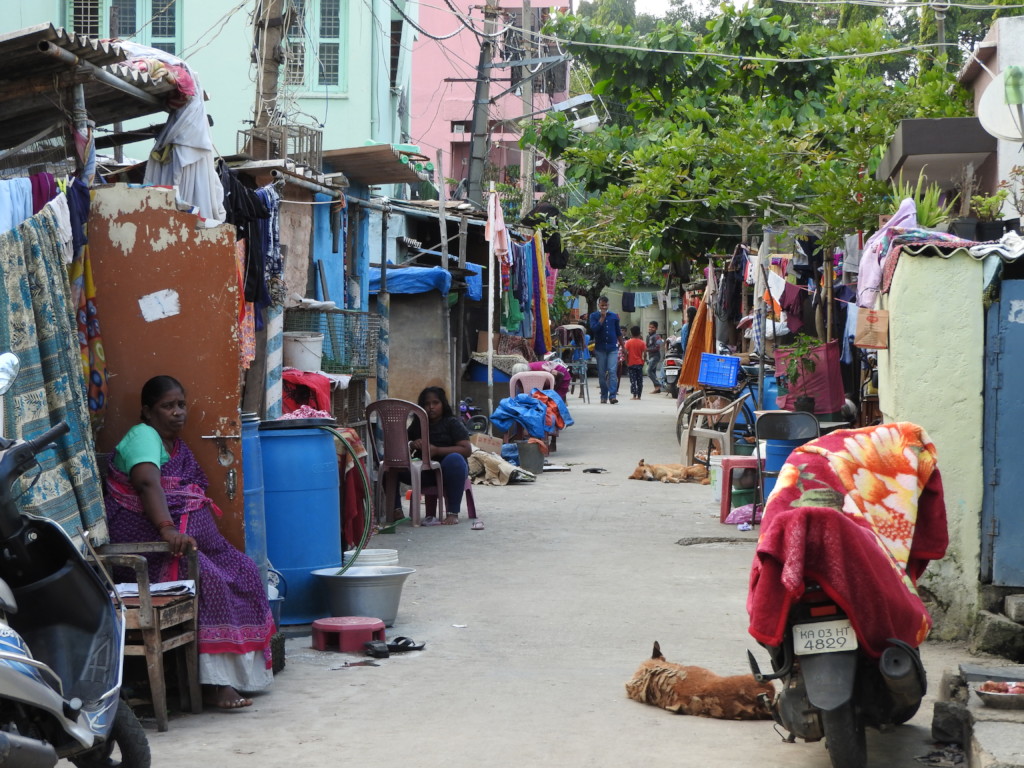
3. Conducive study environment: In urban slums, the population and proximity of families living together makes it such that it is sometimes difficult to conduct online classes free from distractions, noises, and limited network coverage


Update:

Since August of 2020 until the present (April 2021), we have been able to coordinate classes by phone and video conferencing via WhatsApp and Google Meet.


Process involved:

  • Scheduling class timings based on the availability of all involved (volunteer, student, parent)
  • Matching the literacy level of the students and creating groups of 2-5 students per session
  • Keeping up with feedback and communicating variations in timings or groups on request to keep classes running smoothly
  • Technically supporting students by guiding them via phone on how to switch on the internet, download and use apps (Google Meet, Khan Academy)
  • Facilitating classes (usually for new volunteers)
  • Regularly calling students on the phone to ensure and improve attendance by reminding them they have a class soon, asking them to attend, and finding out what is the reason preventing them from being present in class
  • Writing proposals to acquire digital devices for the students
  • Setting up the digital devices and linking them to our parent device account
  • Distributing devices based on priority: senior student’s family, students living in close proximity to be able to share devices, their digital access status, etc.
  • Coordinating sharing of devices between students who are siblings and neighbours according to class schedule 
  • Raising funds for internet packs
  • Distributing funds for internet packs to each student family account via online banking
  • Collecting and addressing feedback from volunteers
  • Real-time response to any drops in engagement from students


Output:

  • 130 students from class 2 to undergraduates are engaged in the online academic program
  • Over 100 volunteers are engaged in teaching online
  • 6500 hours of online teaching
  • 65 digital devices distributed
  • As of March, Rs.85200/- distributed between 105 students for internet connectivity


Case study:

Nalini seemed eager to study, but only her father had a phone, and he was at work most of the time. Sometimes even when the phone was at home, there had to be constant reminders for her and her brother to join class. After frequent calls to ask her as to why she wasn’t attending class and calling her parents along with her to our center to have face to face discussions, we decided to give her a tablet (digital device); but there were still times when she missed classes, and we were forced to issue a warning and take the tablet from her. Not wanting to give up, we gave her another chance, this time with an internet connection. Sadly, the same behavioral pattern continued; her attendance was still not 100%, so we imposed a fine and took the tab back again, telling her that until she shows us that she really wants to study, we wouldn't give her the tab. 

Then the second wave hit, and suddenly things are different. Right now, even though she doesn't have a tab, she is the one who makes the effort to send a message on the group in the morning asking when class is; and when her father needs to take the phone she calls and informs us, and we try to find a way for her to attend the class, maybe jointly with one of her neighbours (other ACT students), who has a tab.

Seeing her willingness to learn is really heartwarming, and it is this enthusiasm that ACT cherishes in all our children. More than marks, giving one’s best to every task one undertakes is the most valuable lesson that we would like the children to imbibe.

A street in the slum

Links:

Share on Twitter Share on Facebook

About Project Reports

Project reports on GlobalGiving are posted directly to globalgiving.org by Project Leaders as they are completed, generally every 3-4 months. To protect the integrity of these documents, GlobalGiving does not alter them; therefore you may find some language or formatting issues.

If you donate to this project or have donated to this project, you can receive an email when this project posts a report. You can also subscribe for reports without donating.


Sign up for updates

Organization Information

ASHWINI CHARITABLE TRUST

Location: BANGALORE, KARNATAKA - India
Website:
Facebook: Facebook Page
Project Leader:
Karuna Sivasailam
BANGALORE , KARNATAKA India

Learn more about GlobalGiving

Teenage Science Students
Vetting +
Due Diligence

Snorkeler
Our
Impact

Woman Holding a Gift Card
Give
Gift Cards

Young Girl with a Bicycle
GlobalGiving
Guarantee

Get incredible stories, promotions, and matching offers in your inbox

WARNING: Javascript is currently disabled or is not available in your browser. GlobalGiving makes extensive use of Javascript and will not function properly with Javascript disabled. Please enable Javascript and refresh this page.