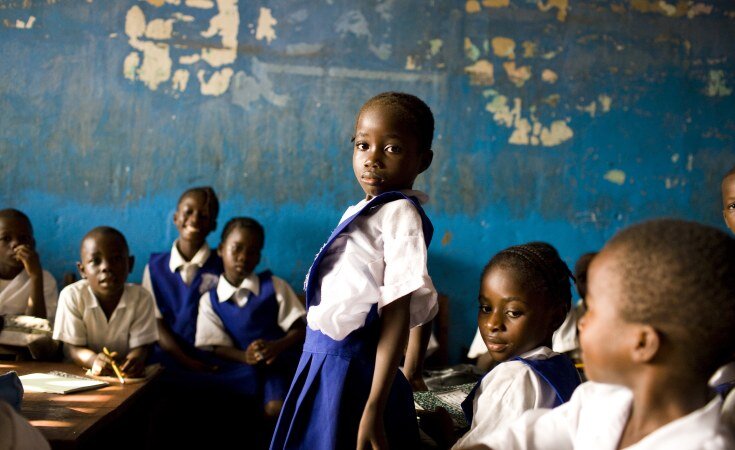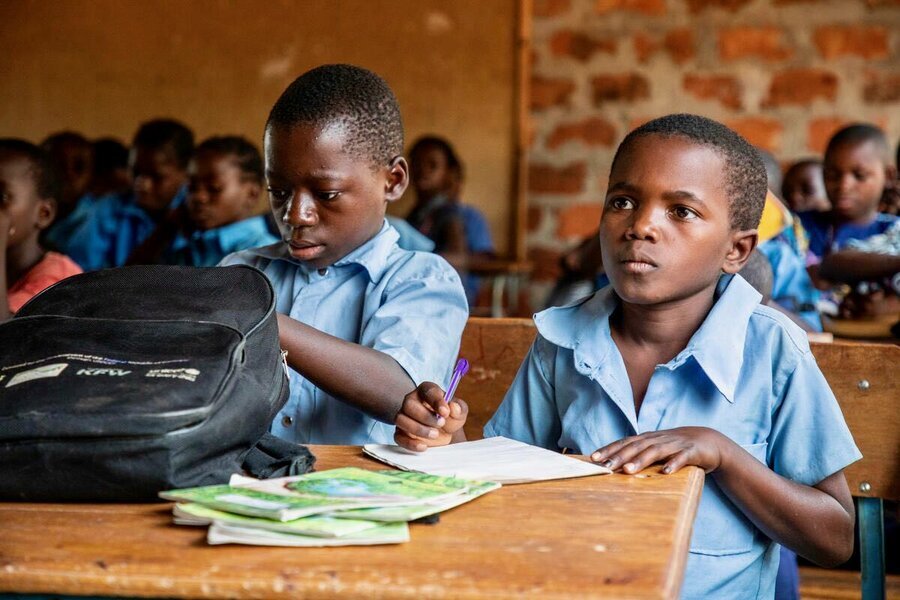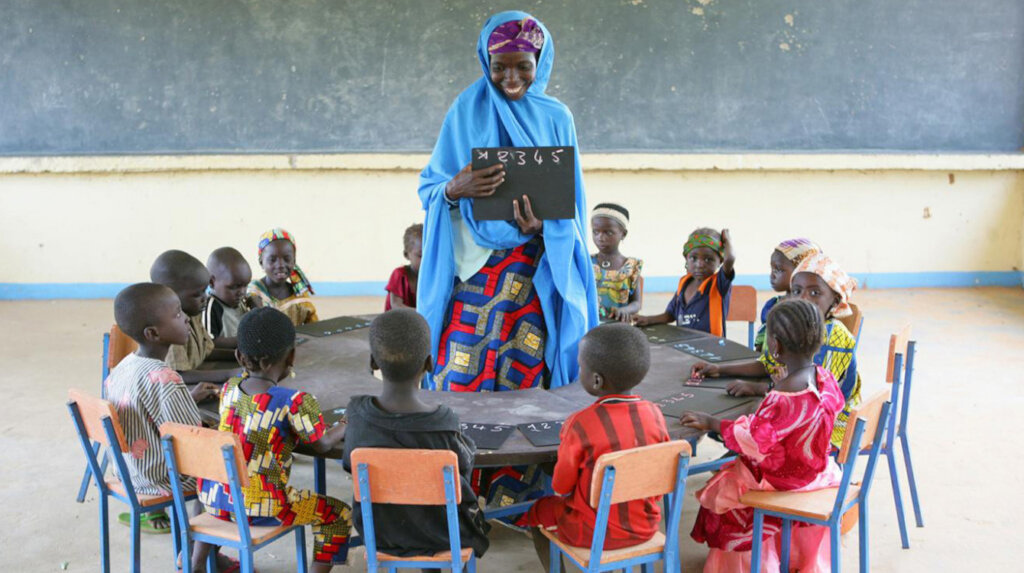
Enhancing Africa's Early Childhood Educ. to break intergenerational cycles of inequality. The population of African children is projected to reach 1 billion by 2055, making Africa the continent with the largest number of children. This denotes how critical it's to invest in Early-Childhood Educ. to achieve Africa's development agenda. This emphasis is reflected in the Continental Educ. Strategy for Africa, which identifies ECE as "the next frontier for Africa to realize sustained quality Educ.
However, and despite growing evidence of its importance, ECE remains severely underdeveloped. Some of the sectoral challenges listed by the CESA include inadequate planning, limited resource allocation, poorly trained teachers, and insufficient materials. These issues result in educational disparities, poor management, and a lack of a coherent curriculum across Africa. This situation disproportionately affects children living in rural or underserved communities.
As we commemorate the Day of the African Child we recognize the indispensable impact of ECE in breaking intergenerational cycles of inequality. Engaging children in educational activities from a young age equips them with critical thinking skills, literacy, and numeracy, which lay the foundation for academic success. Furthermore, by nurturing emotional and social skills, ECE empowers children to develop resilience and navigate social environment effectively.
We believe that educ. is every child in Africa, regardless of their location, race, parental status, disability, gender, or any other status. By improving access to quality Early Childhood Educ., we aren't only addressing current educational disparities but also laying the foundation for a prosperous & equitable future for the continent. We'll continue to invest in educ. and community development programs to instill communities with hope, promote cohesion & create equal ECE opportunity for all.



Support this important cause by creating a personalized fundraising page.
Start a Fundraiser