By Catherine Craig | President, CPALI
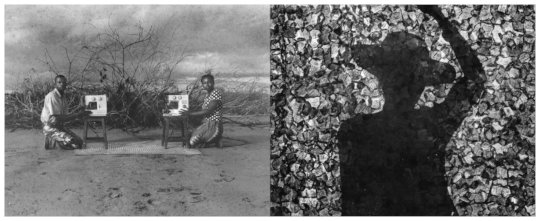
CPALI has multiple projects it is trying to promote in Madagascar; at least we did until the women's textile production grew to take over every waking hour and the to meet market demand and build sustainability!! While that project is continuing to flourish and grow,it has monopolized the current team distracting them from pursuing our edible Insects program.
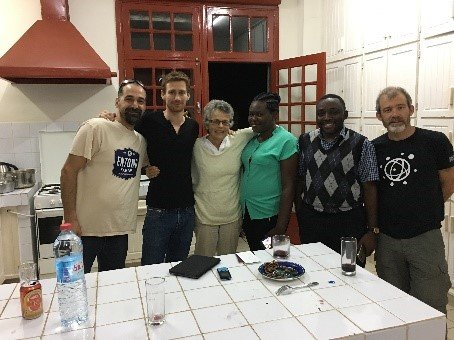
CPALI began working with a new team to promote cricket farming for a commercial venture Entomofarms and the Madagascar Biodiversity Center, located in Antananarivo. Here the rub- Antananarivo is farther from Maroantsetra with respect to travel time (by bus or boat) than the US is to Tana (plane time). Furthermore, the cost of one plane fare, round trip, Maroantsetra Tana Maroantsetra is half the cost of a plane fare, from New York to Madagascar! We have a problem.
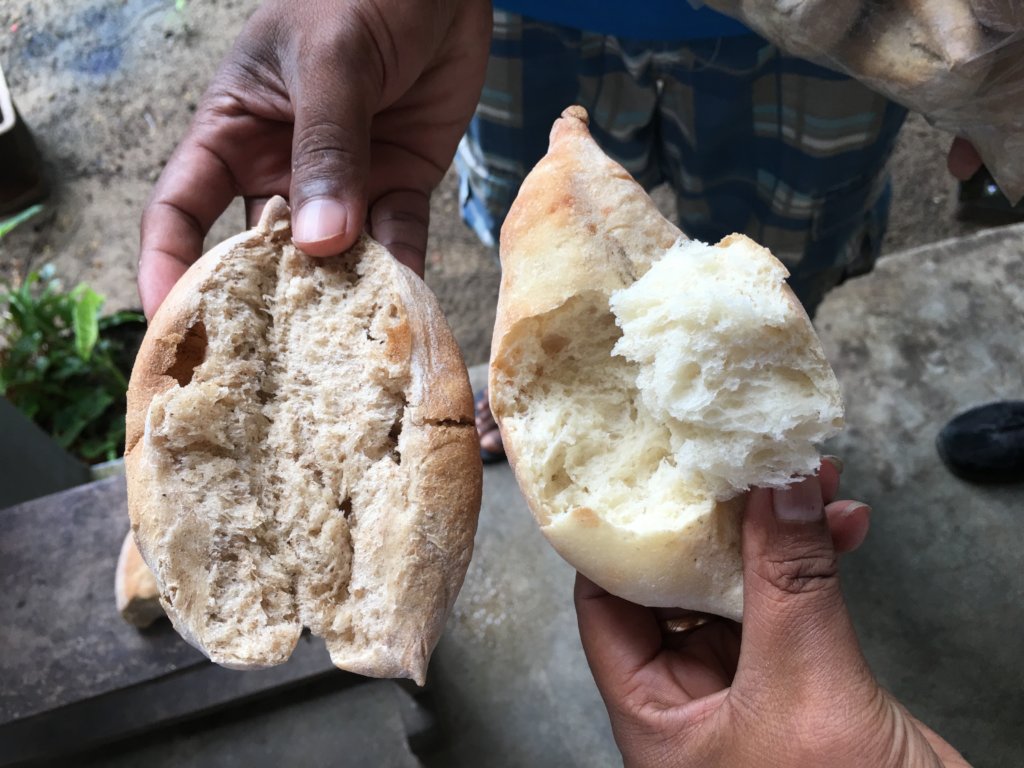
I hoped that our major contribution to tour new partners work would be to introduce cricket rearing into villages and then the sale of farmed crickets to the factory in Tana to be ground and used as a high value protein additive to foods such as noodles, rice, bread. However, due to the distance from Tana to Marontsetra, and the fact that they team was focused on rearing other types of insects, impelmenting a whole new ciricket rearing program is not in the cards! Although there is certainly room for both activities in the insects for food program, the current SEPALI team cannot take on additional rearing. What to do?
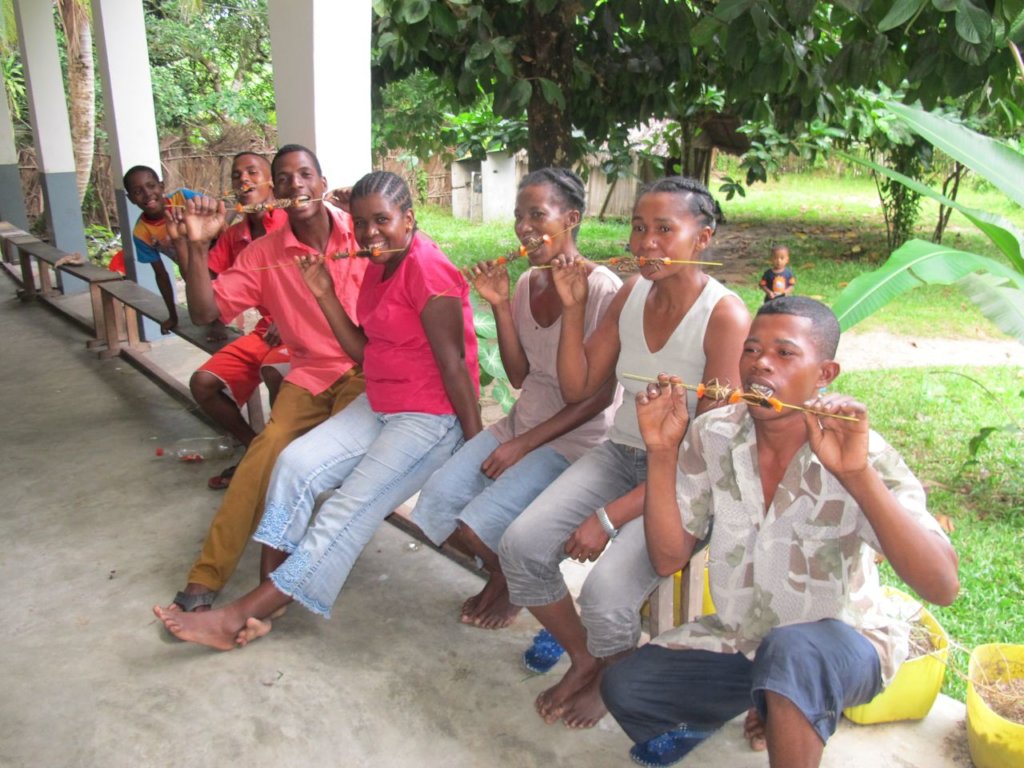
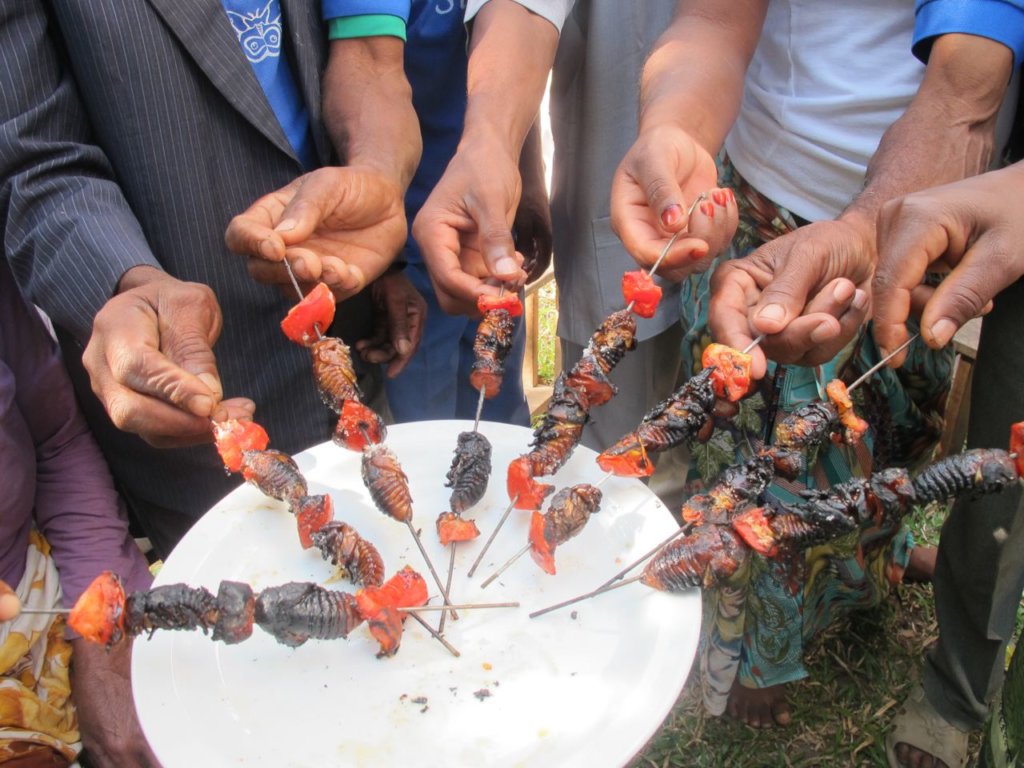
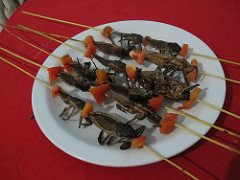
Here I am writing to ask for input from our donors. Should we close the pupae for protein project in Maroantsetra and completely focus on wild silk moth textiles for income generation? We note that we are now providing a market for the cocoons produced by the domesticated silk worm to bolster the textile program and that Bombyx pupa eare eaten by those that remove them from the cocoons, (viewed as an added benefit of the job). Maybe we should formalize that activity and extend CPALI’s pupae for protein using Bombyx pupae and form a whole new team? If that makes sense and because they are already being eaten.
We would have to set up a new supply chain and marketing network for farmers. Perhaps we could hire someone whose job is to should find out how many accessible Bombyx farmers exist and how many would like to sell pupae? This would require a new business plan pf course, and a new team in Antananarivo. It would buy us sometime until the cricket program can expand and it would help CPALI expand its insects for food mission. Please note that all the Bombyx we are work ing with are already farmed hence we are not promoting non-sustainable harvesting of native species nor are we introducing a non-native species to Madagsacar However, Bombyx farmers already exist but have lost their market for cocoons since the cost of export from Madagascar and teh fact that the Chinese are producing cocoons much more cheaply than Malagasy farmers.
It is time for more input from you, our donors. Please let me know (ccraig221@gmail.com) what you recommend for the future of this work.
Links:
Project reports on GlobalGiving are posted directly to globalgiving.org by Project Leaders as they are completed, generally every 3-4 months. To protect the integrity of these documents, GlobalGiving does not alter them; therefore you may find some language or formatting issues.
If you donate to this project or have donated to this project, you can receive an email when this project posts a report. You can also subscribe for reports without donating.