By Patrick Chogo | Assets Programme Coordinator
Executive Summary
The second term of 2025 has been marked by significant progress in our conservation education initiatives. Highlights include the successful disbursement of bursary funds, expansion of conservation education beyond the classroom, active community participation in tree planting and nursery projects, and impactful environmental education programs focused on pollinators. These activities not only support students academically but also foster a culture of conservation among young learners and their families.
1. Bursary Payments
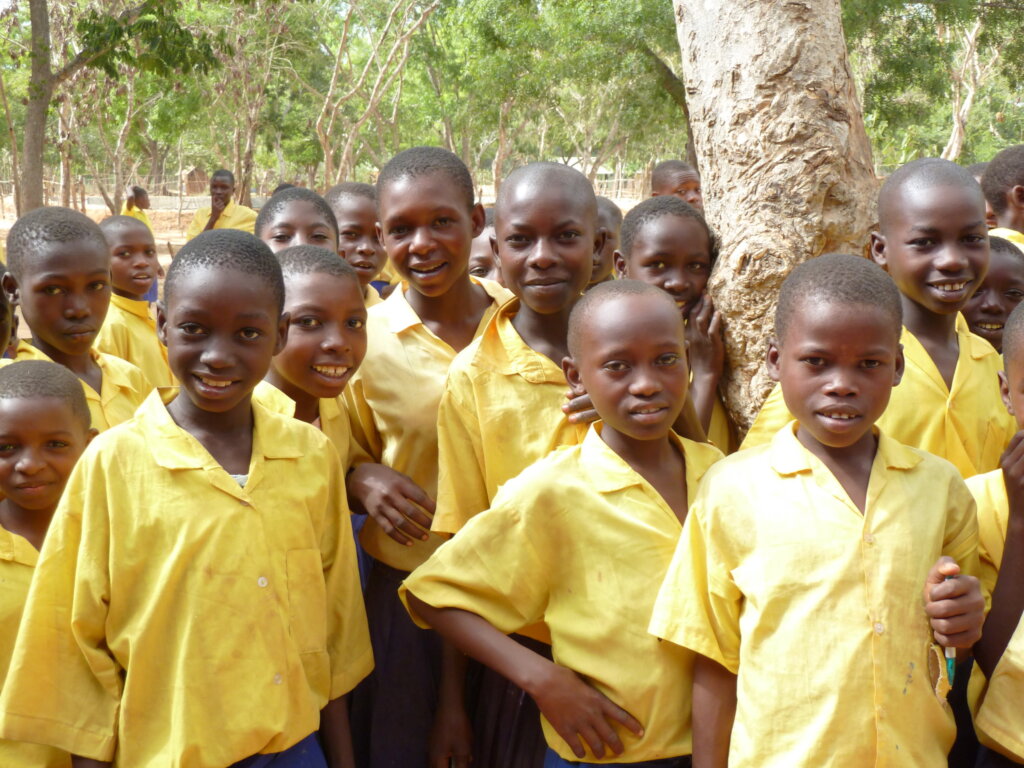
A total of $5,275 was disbursed to support 71 students (39 male, 32 female) across 49 secondary schools in Kenya. The bursaries ensured continued school attendance for these students, contributing to their academic progress. Moreover, the support serves as an incentive for parents to remain engaged in environmental conservation activities, linking educational support with community involvement in sustainability.
2. Tree Nursery Project
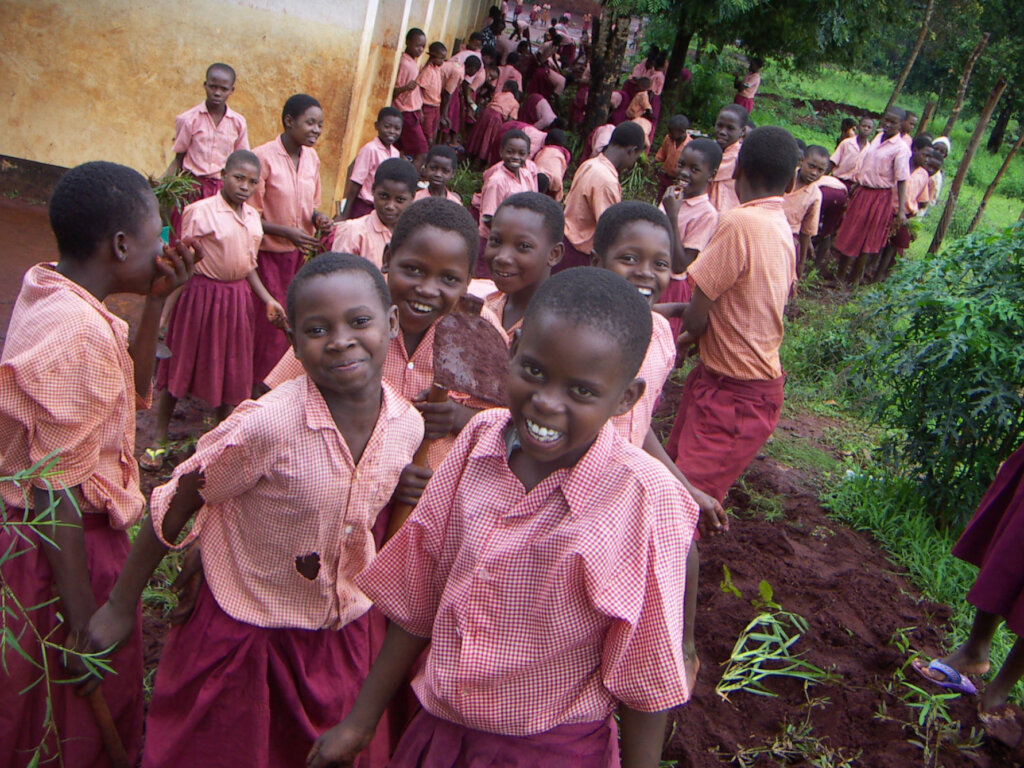
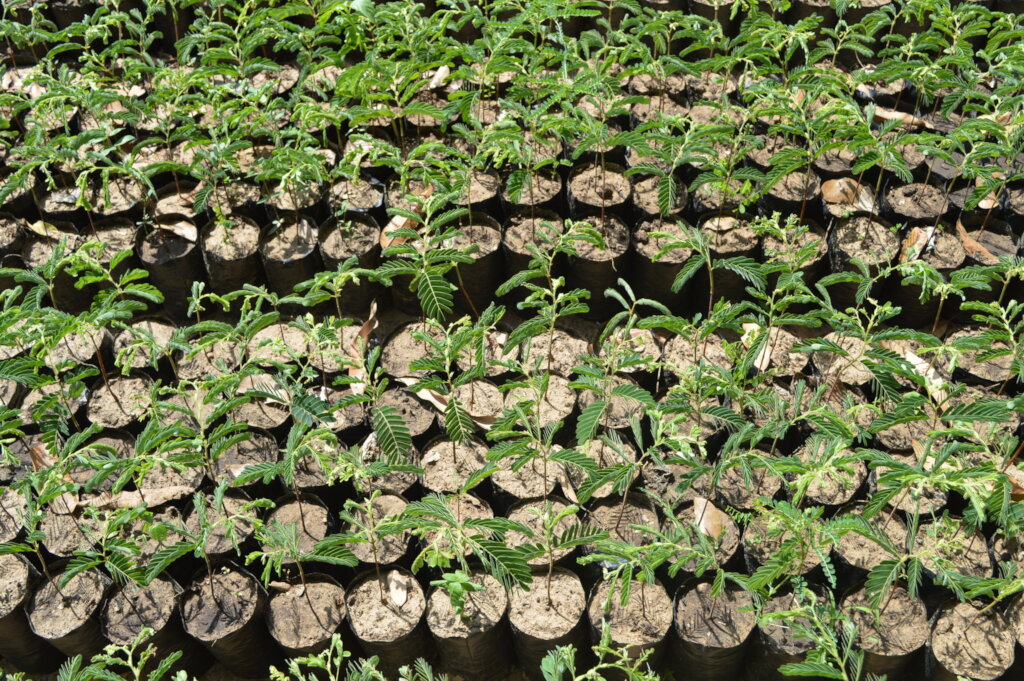
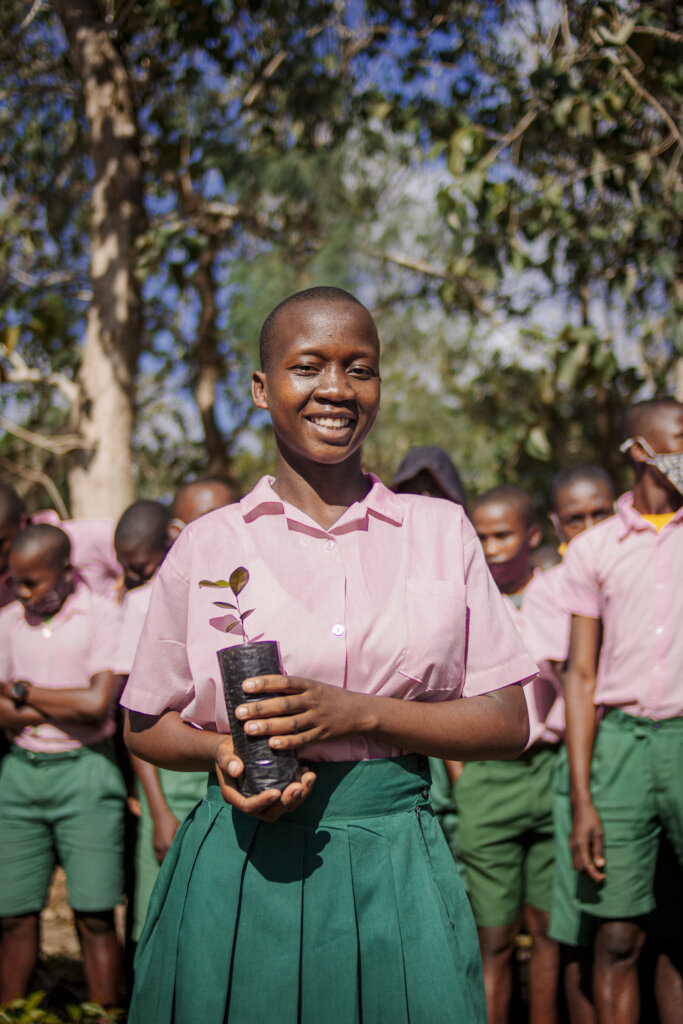
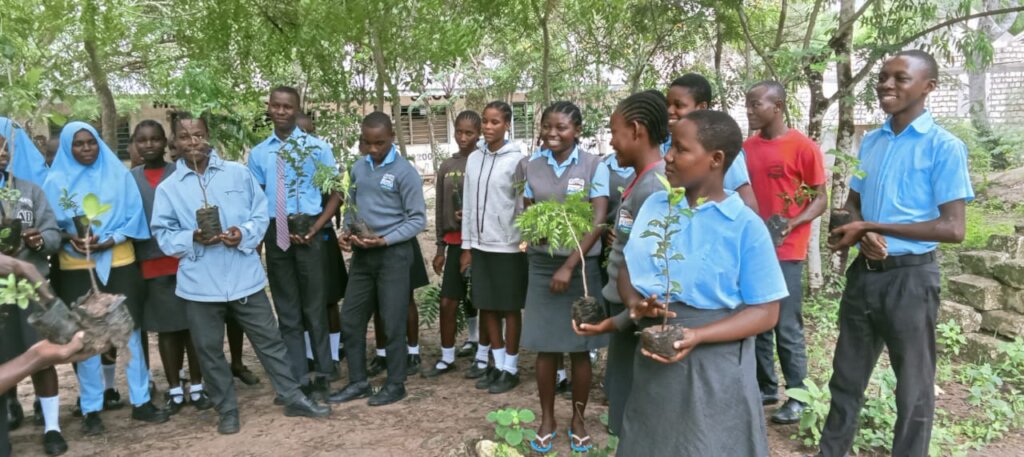
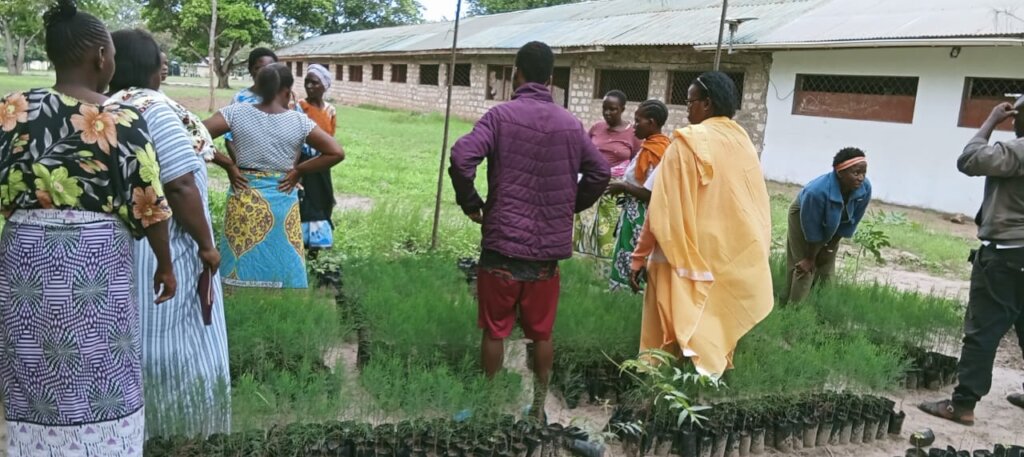
The tree nursery initiative continues to thrive with active involvement from both students and parents. Currently, nine nurseries are operational, collectively hosting approximately 5,000 seedlings. These nurseries are co-managed by eco-bursary beneficiary families and Wildlife Clubs of Kenya (WCK) students, fostering early engagement in conservation practices. The nurseries serve as educational tools and will also supply seedlings for planting in schools and households—promoting environmental restoration and potential income generation.
3. Tree Planting Events
Taking advantage of the long rain season, tree planting events were organized in various schools and homesteads. A total of 6,000 trees—including both indigenous and exotic species—were planted.
Indigenous trees will contribute to ecosystem restoration and biodiversity.
Exotic species, valued for their fast growth and economic return, will provide wood and other resources to communities in the near future.
4. Conservation Education in Schools
A Rocha Kenya's Environmental Conservation Program, operational for over 20 years around Arabuko Sokoke Forest (ASF), continues to create a lasting impact. In Term 2 of 2025:
The education team conducted three visits each to 13 schools around ASF.
A total of 1,461 students were engaged (246 male & 381 female in the first visit, 62 male & 125 female in the second, and 290 male & 357 female in the third).
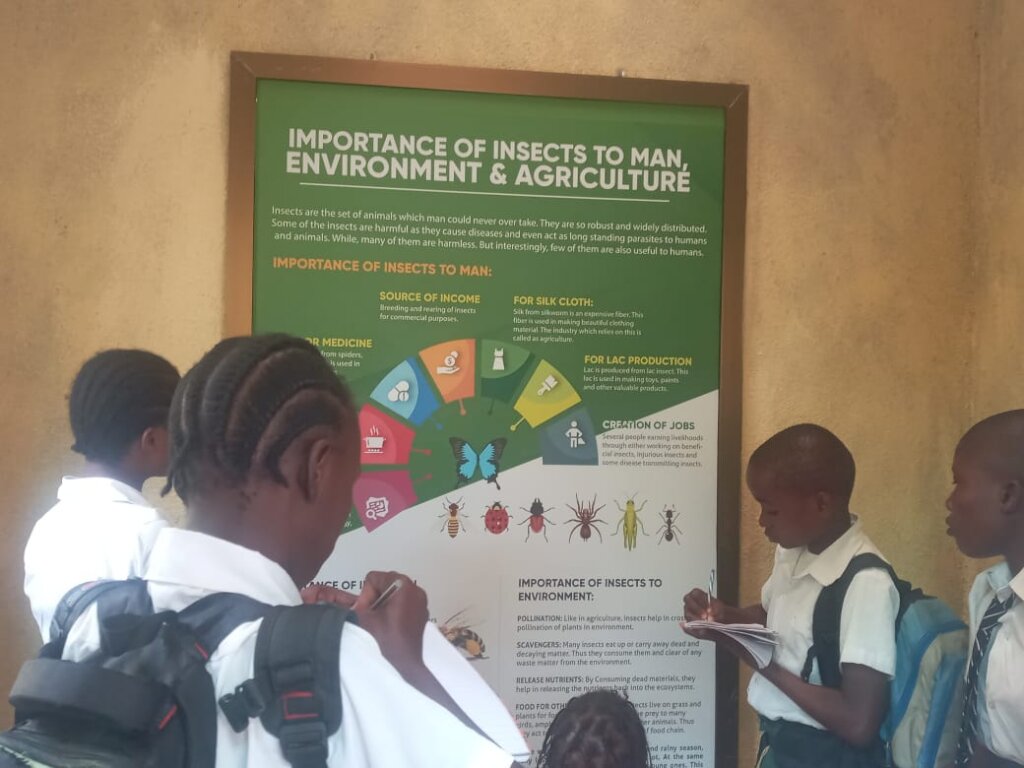
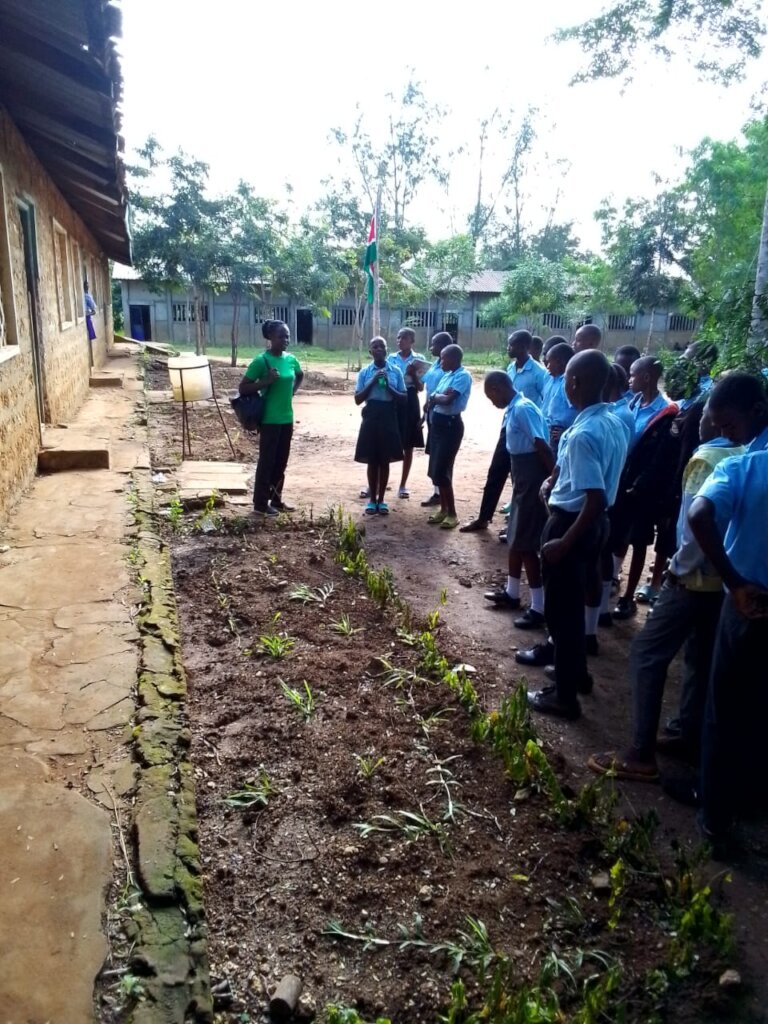
This term’s theme, "Pollinators," introduced students to the vital role of pollinators in maintaining healthy ecosystems. To deepen this understanding, 64 students and 16 WCK patrons participated in an educational trip to the Kipepeo Project, where they learned about butterfly farming and pollinator importance. Following the visit, students were encouraged to establish pollinator gardens at home and in their schools.
5. Holiday Programme
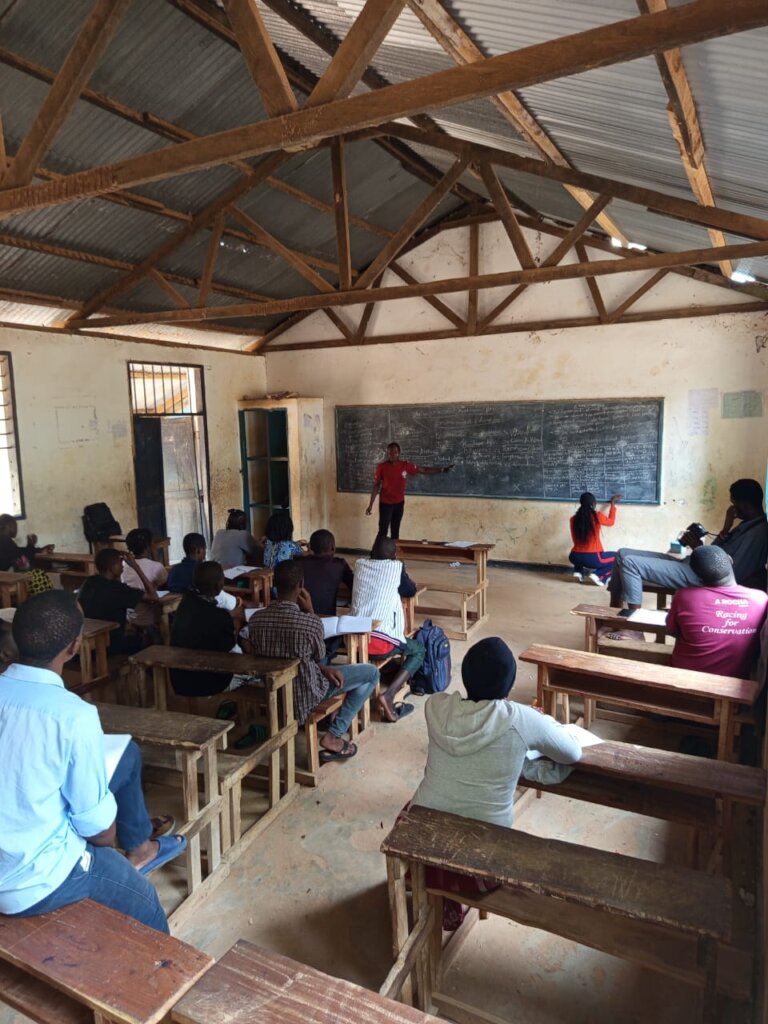
With schools closed for the August holidays, a special programme was held to reflect on the term’s activities and plan for the final term of the year. Focus areas included:
Conservation Education: Students learned about the characteristics and benefits of indigenous vs. exotic trees, including selection criteria and ecological significance.
Mentorship & Career Guidance: Sessions allowed students to share academic struggles, explore career interests, and receive guidance on how to improve performance and maintain academic balance.
Conclusion
This term has seen remarkable strides in nurturing environmentally conscious future leaders. The integration of bursary support with conservation education and community involvement is proving to be a powerful model. As we prepare for the third term, we aim to build on these achievements—further strengthening the bond between education and environmental stewardship.
Project reports on GlobalGiving are posted directly to globalgiving.org by Project Leaders as they are completed, generally every 3-4 months. To protect the integrity of these documents, GlobalGiving does not alter them; therefore you may find some language or formatting issues.
If you donate to this project or have donated to this project, you can receive an email when this project posts a report. You can also subscribe for reports without donating.



Support this important cause by creating a personalized fundraising page.
Start a Fundraiser