By Patrick Chogo | Assets Programme Coordinator
2025 First Term Engagements and Initiatives
The first term of the 2025 school calendar has been marked by active engagement with students and community members. The payment of first-term bursaries was successfully completed, and school visits and conservation initiatives were carried out to meet the program's objectives.
Conservation Education in Schools
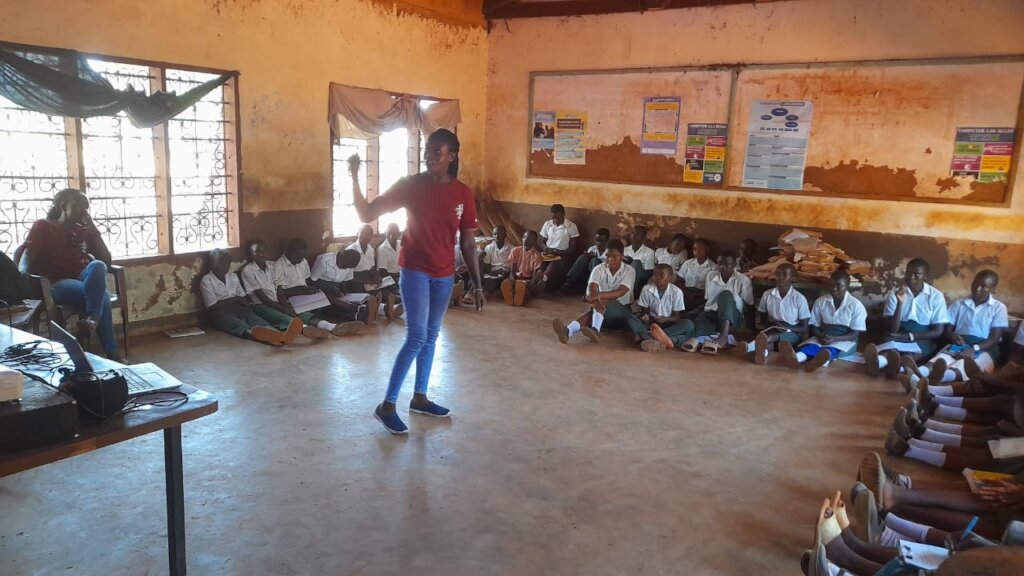
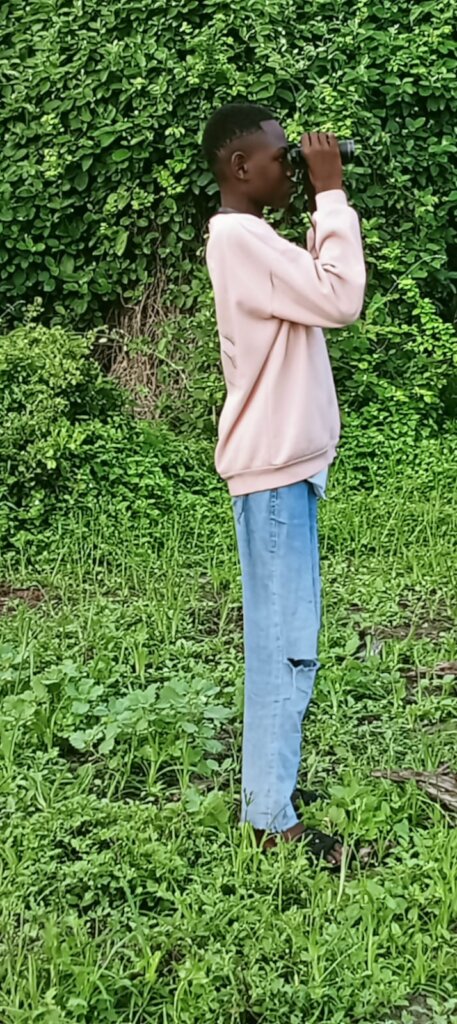
A Rocha Kenya's Environmental Education Program has been operating for over 20 years around the Arabuko Sokoke Forest (ASF). This program has successfully fostered a sense of appreciation and ownership, imparting valuable knowledge about the forest to hundreds of students living nearby. Many students who have benefited from this program have gone on to pursue careers in conservation, demonstrating its significant impact.
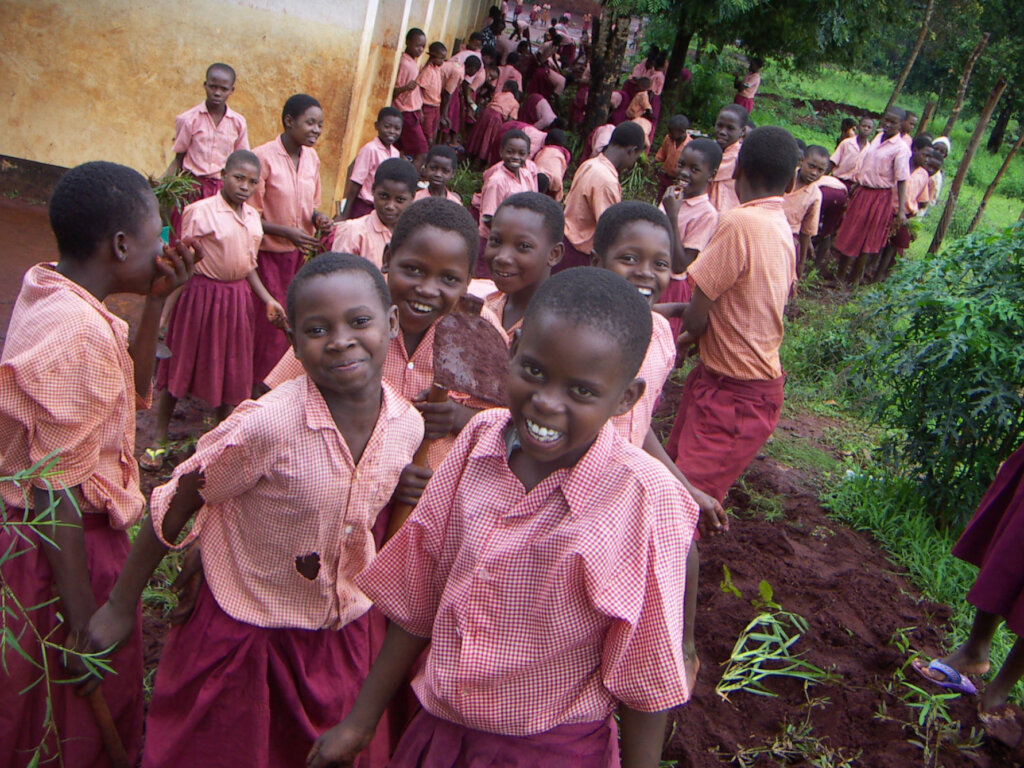
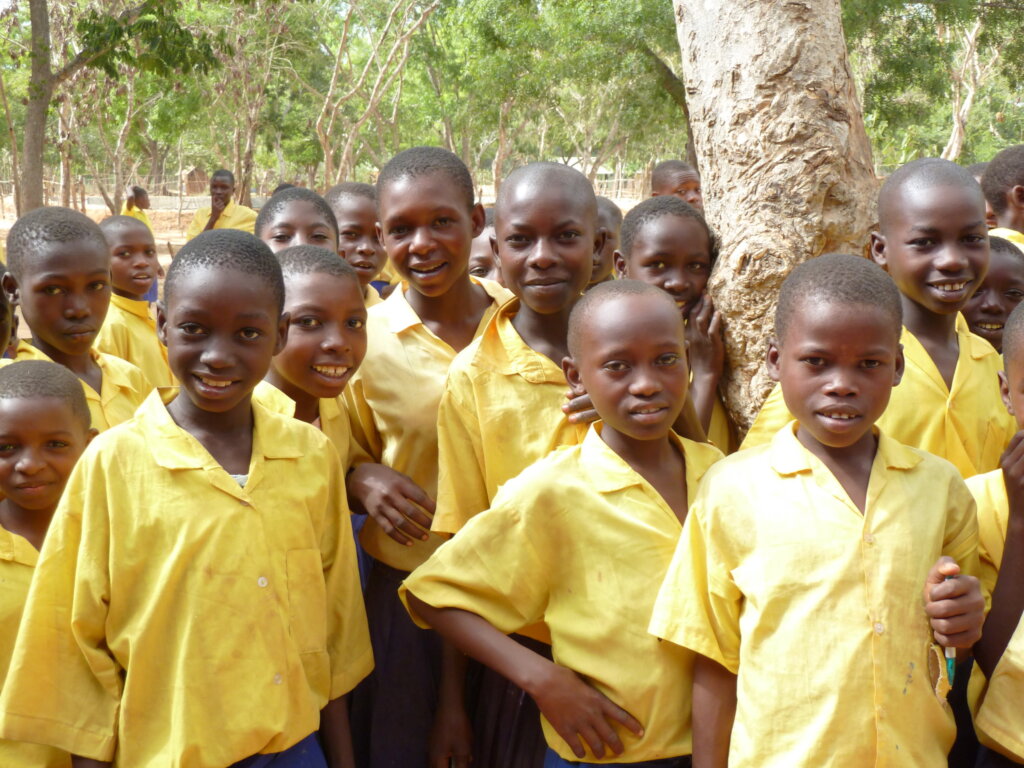
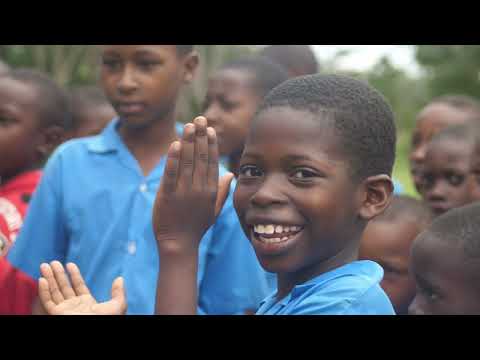
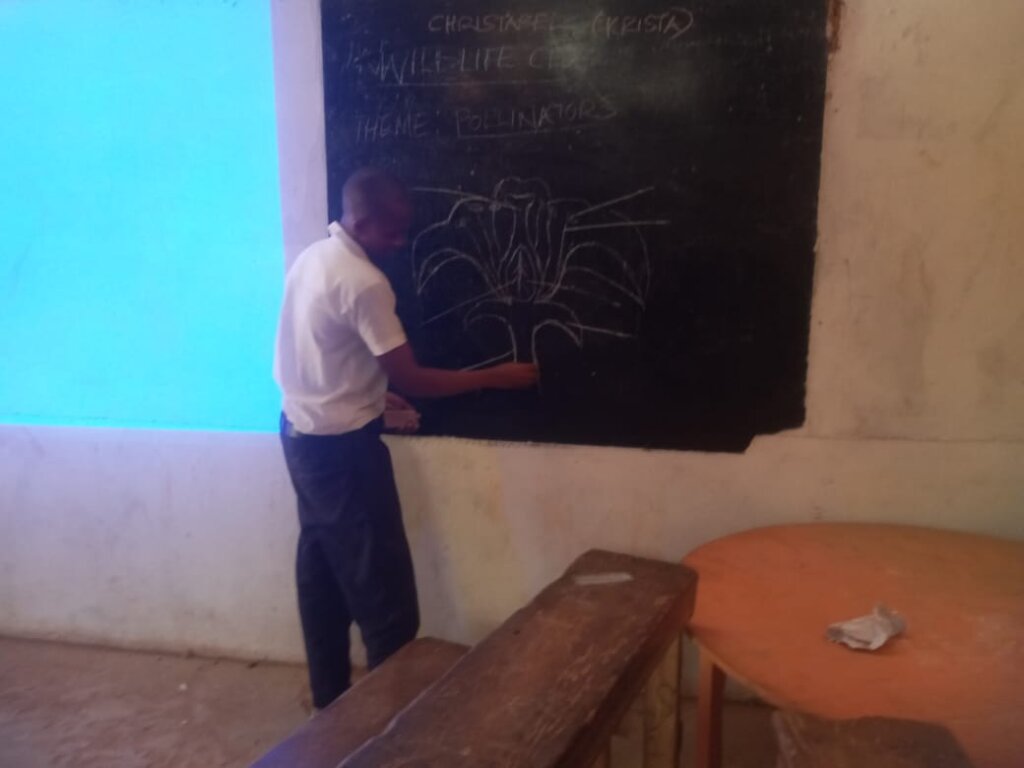
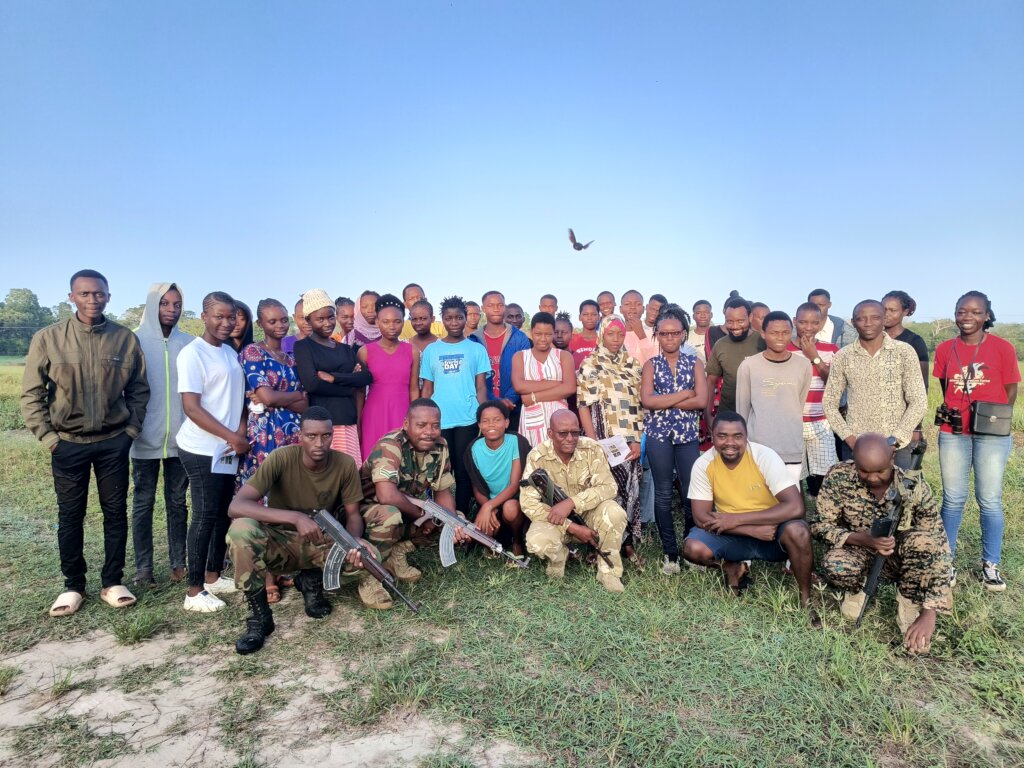
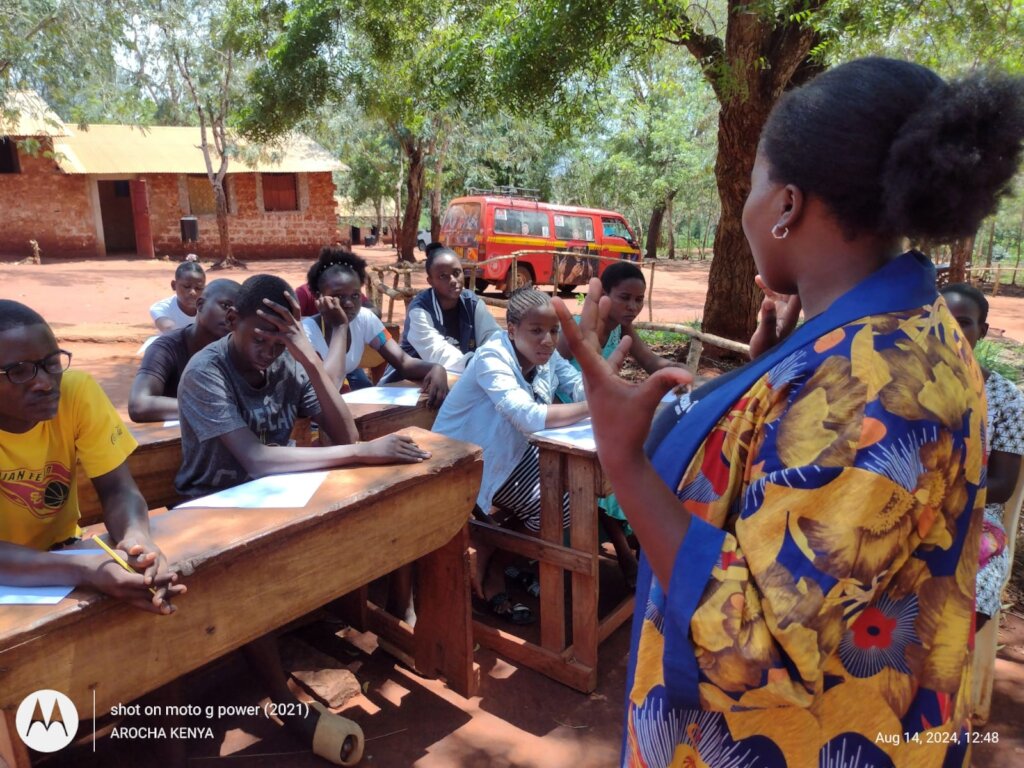
In the first term of the 2025 school calendar, the Environmental Education team visited 10 schools around ASF, engaging a total of 720 students (420 girls and 300 boys). This year’s theme is 'Pollinators', where students are learning about the crucial role pollinators play in ecosystems and how to protect them.
Bursary Payment
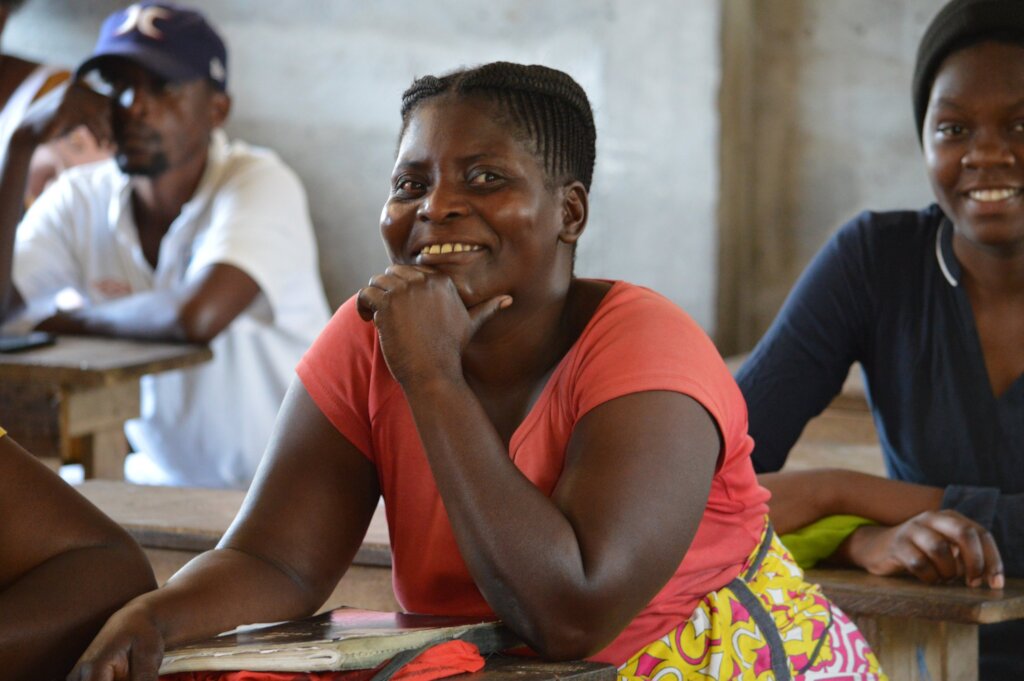
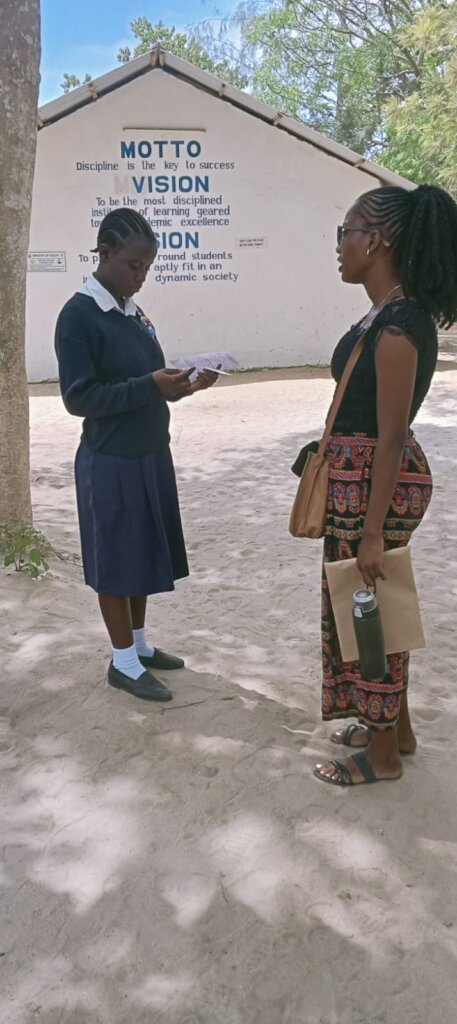
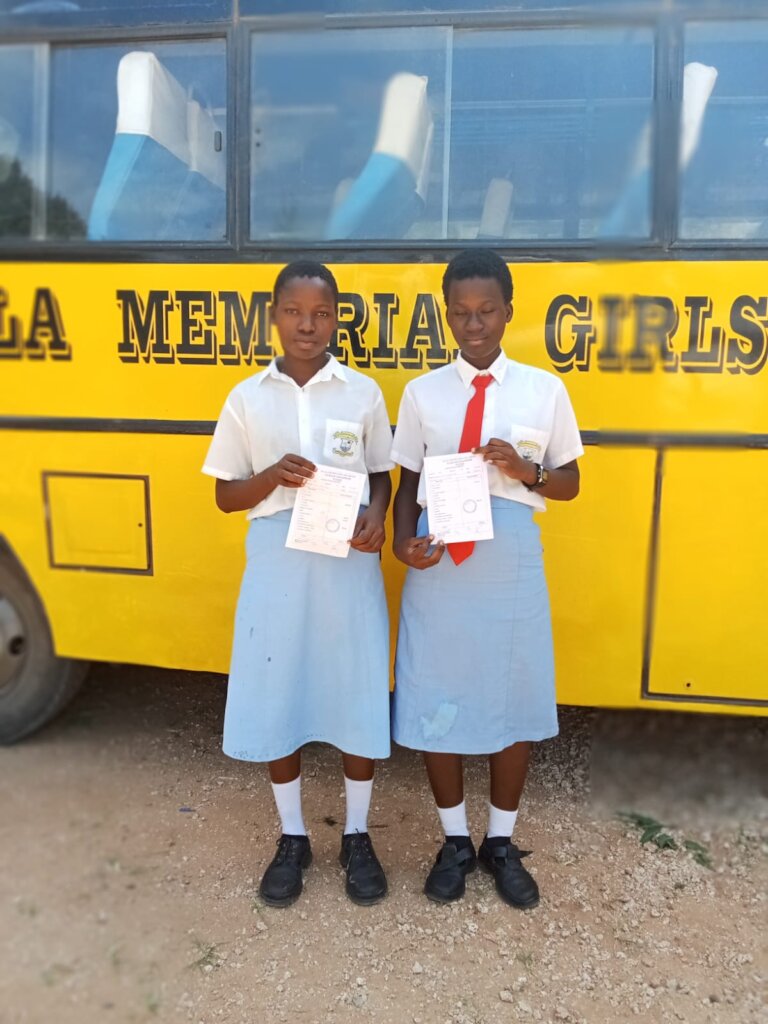
A total of $6,274 was paid to 67 students across 47 secondary schools in the country. The bursaries were allocated to students in forms two to four, as there are no form one students this year due to changes in the education system. Of the 67 students, 38 were male and 27 were female.
Mida Creek Mangrove Restoration Awareness Drive
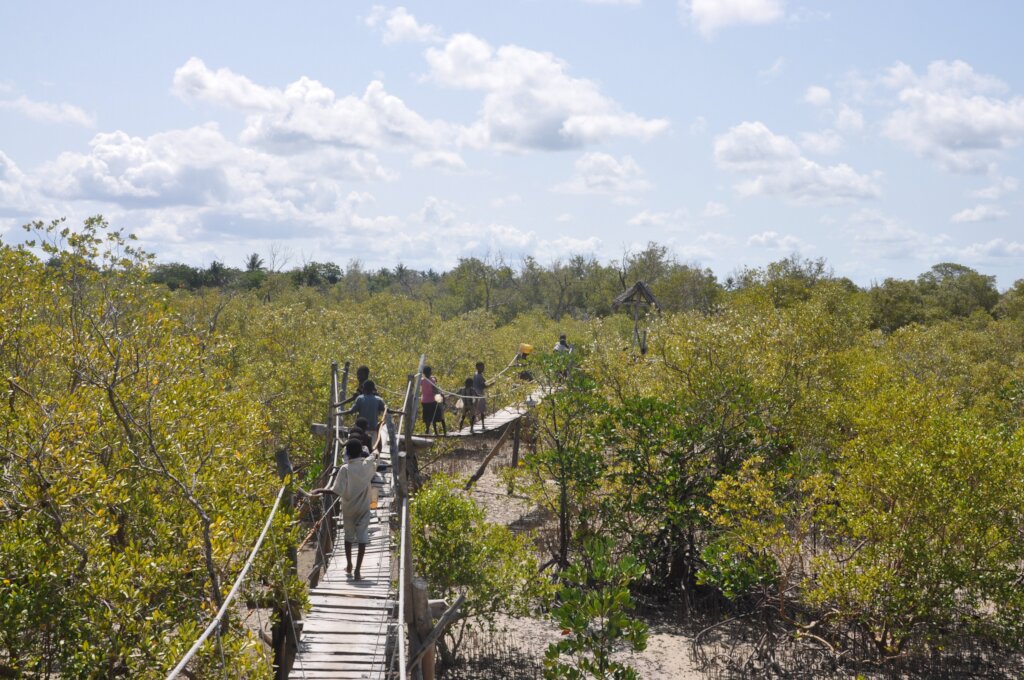
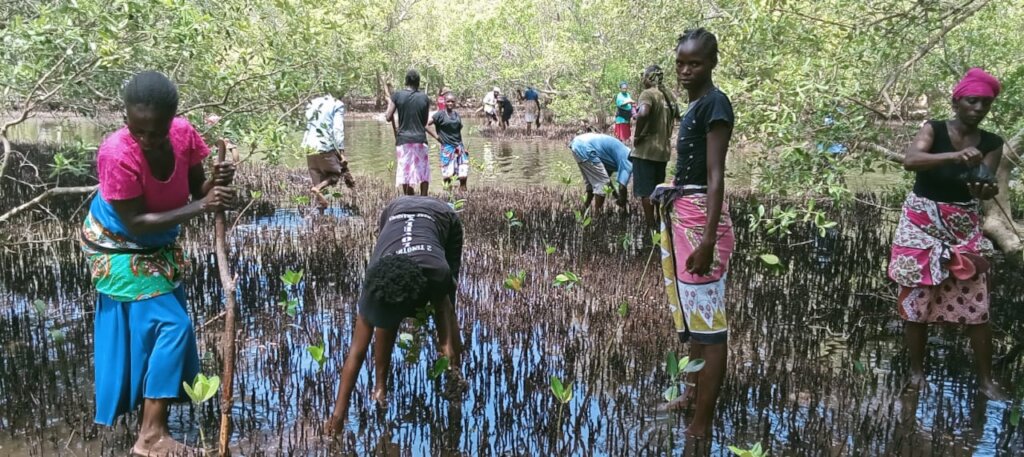
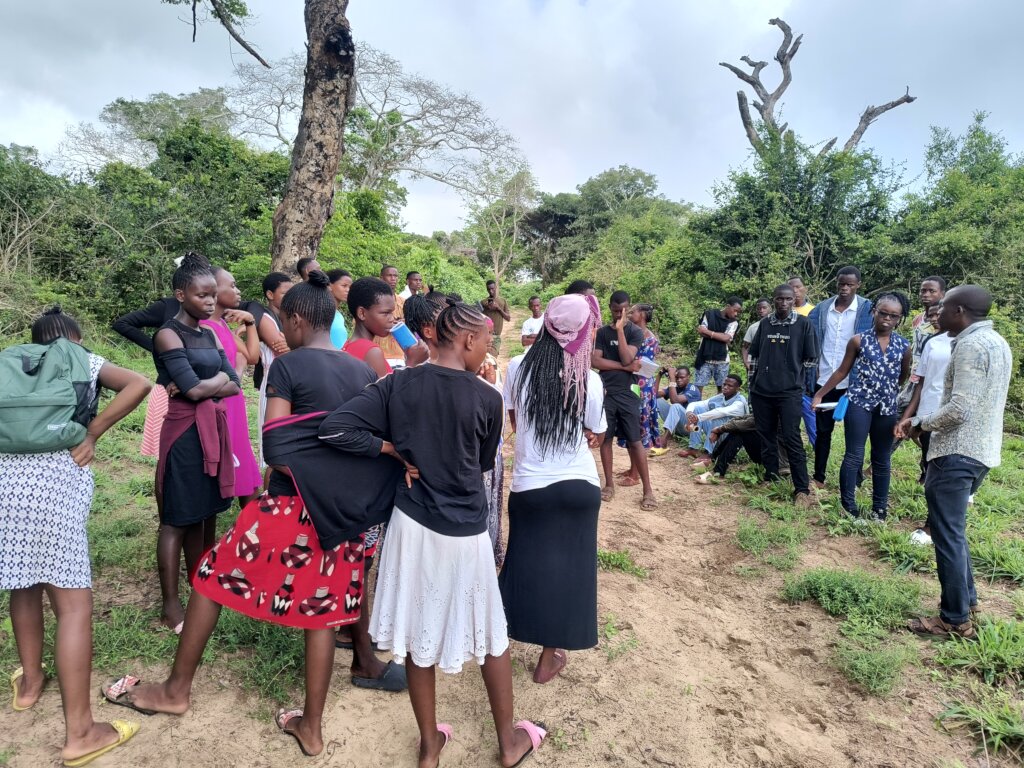
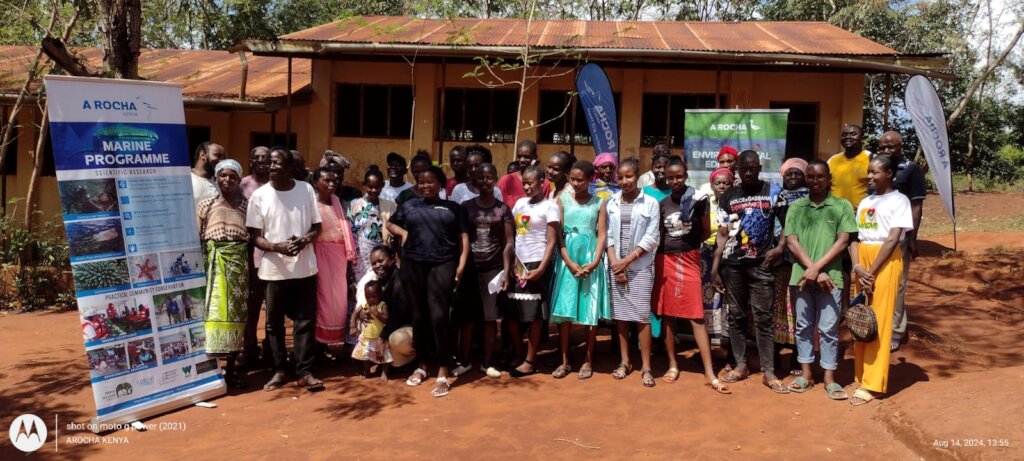
In collaboration with the Mida Creek Conservation Community, Kenya Forest Service, Kenya Wildlife Service, and other conservation groups, A Rocha Kenya conducted a mangrove awareness campaign to educate local community members on the importance of conserving mangroves. During the event, 2,100 mangrove seedlings were planted to help restore and protect the mangrove ecosystem.
Livelihoods Initiatives
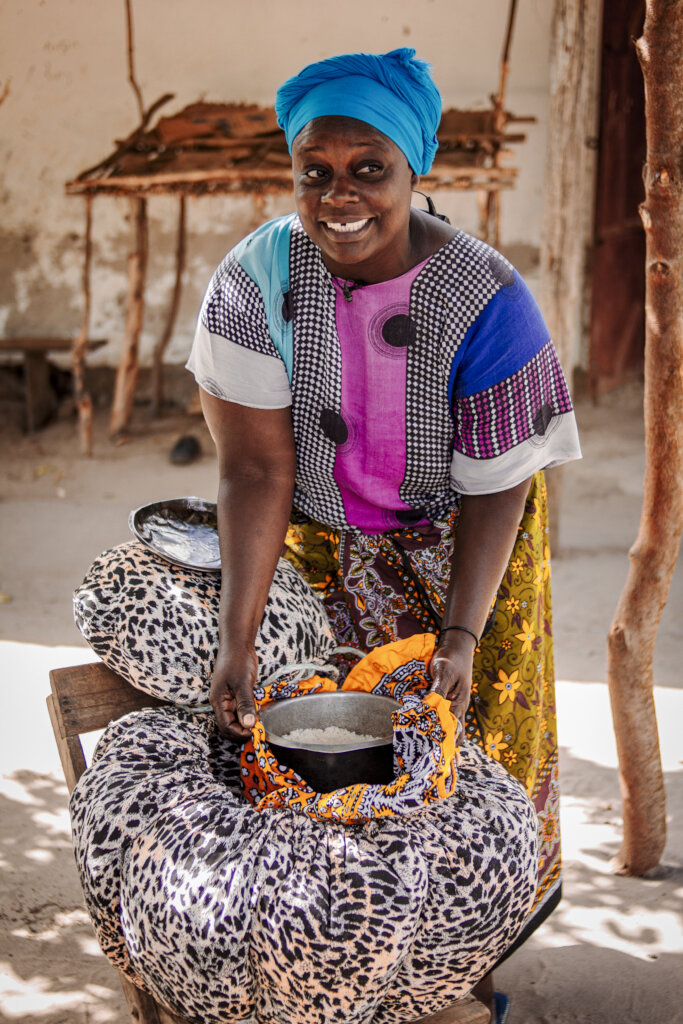
A Rocha Kenya continues to support the livelihoods of communities surrounding ASF by promoting environmentally friendly farming practices, specifically Farming God's Way (FGW) and kitchen gardening. These practices provide sustainable alternatives to traditional farming methods.
The Mijikenda communities, who predominantly live near ASF, rely on rain-fed agriculture for their livelihood. Many are church members who resonate with a biblical message of tending to the garden as described in the creation story. Since 2020, A Rocha Kenya has been implementing FGW and kitchen gardening with local community members and now plans to expand these practices. FGW maximizes crop yields using techniques such as soil conservation through mulching, crop rotation, and natural pest control. Kitchen gardening, which requires minimal space and capital, offers low-cost, low-labor solutions, enabling individuals to grow vegetables in sacks, pots, or small plots of land.
Plans are underway to establish FGW demonstration plots at A Rocha Kenya’s center, where community members can receive training and then apply these techniques on their own farms. This will provide long-term benefits, especially for those receiving eco-bursaries.
Tree Nursery Project
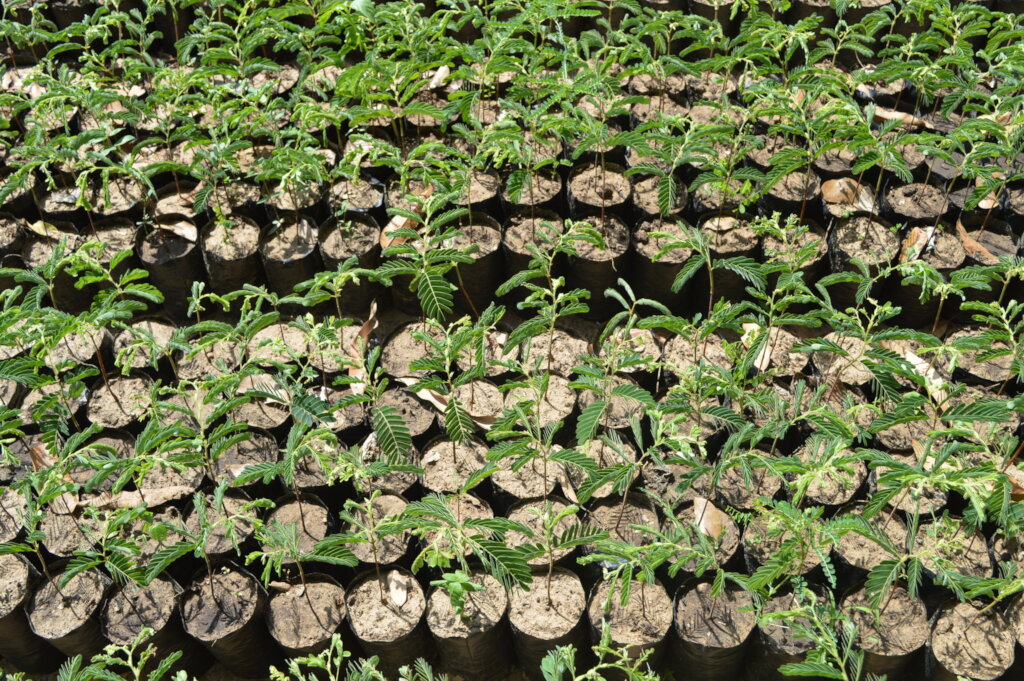
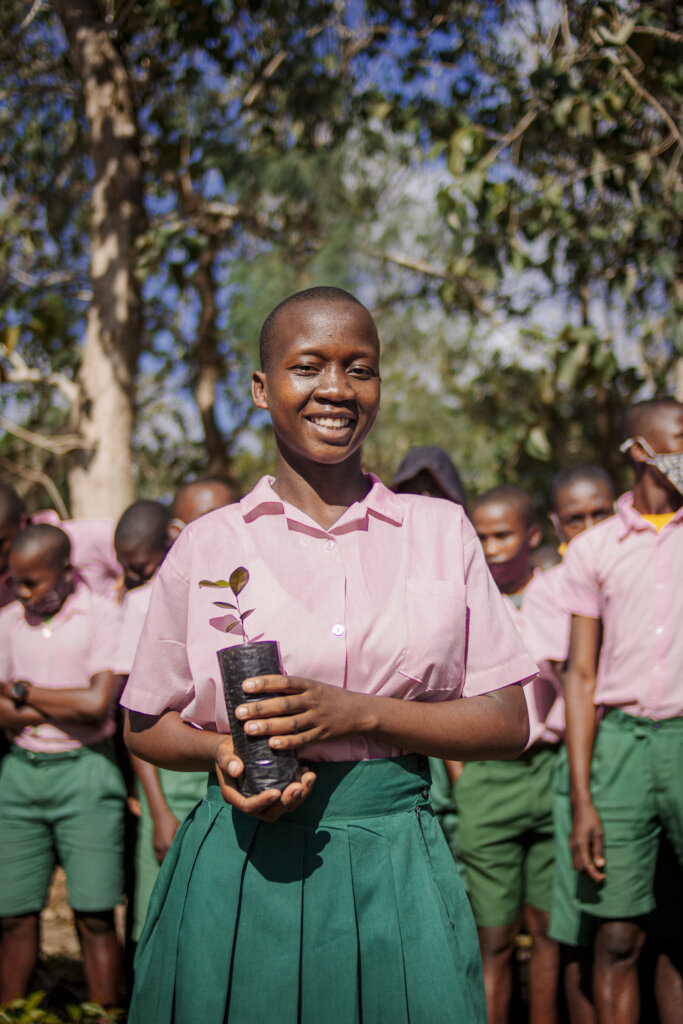
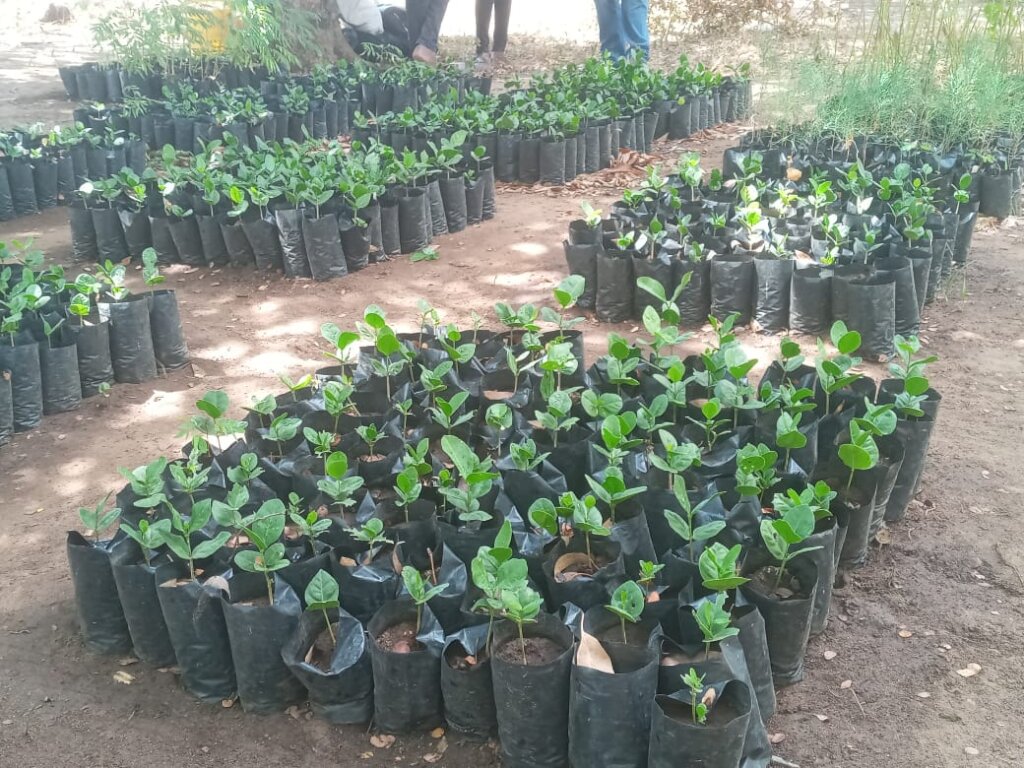
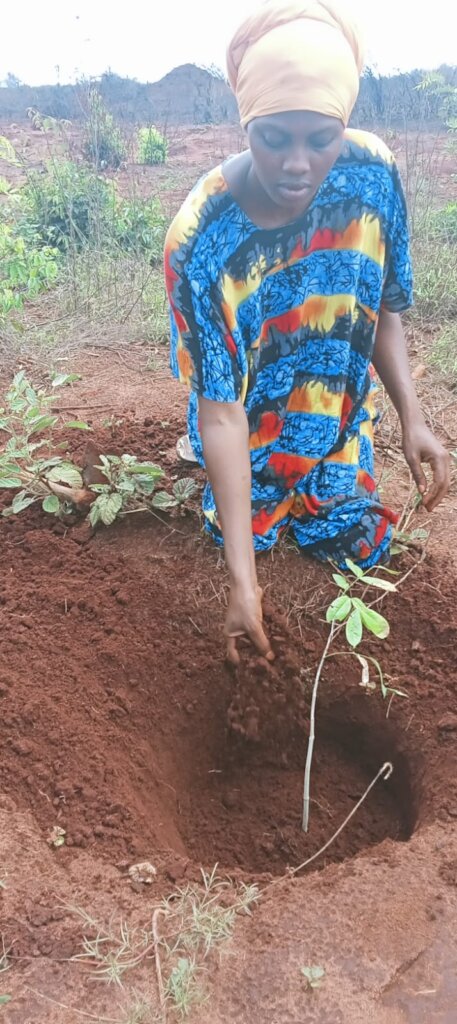
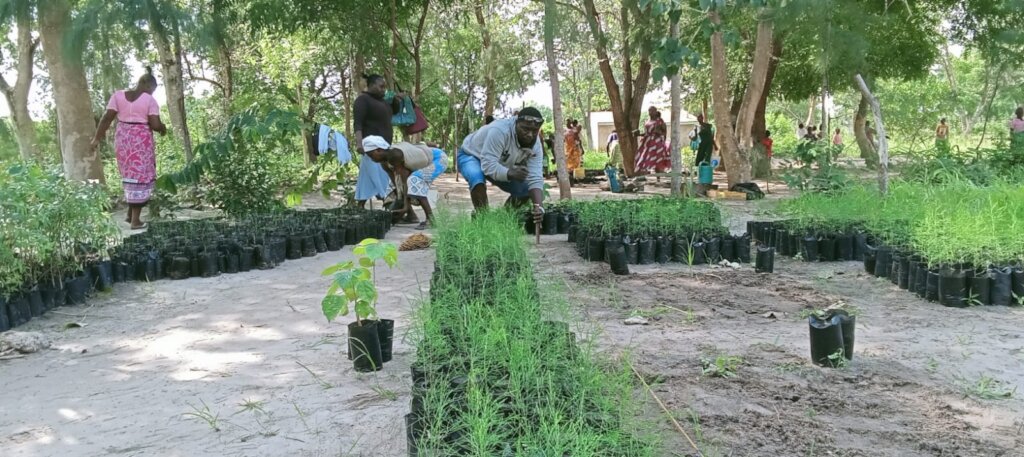
The tree nursery project is progressing well, with active participation from both parents and students in establishing and maintaining the nurseries. Currently, eight tree nurseries are operational, hosting about 8,000 seedlings. These nurseries are managed by the parents of students supported by the eco-bursary program. Once the seedlings mature, they will be distributed to these families, who will plant them at their homes during the upcoming long rains. This initiative will provide additional livelihood opportunities while contributing to the restoration and protection of the local environment.
Final Thoughts
The combination of educational, environmental, and livelihood initiatives is fostering sustainable development in the communities around Arabuko Sokoke Forest. With continued support, these programs will not only enhance conservation efforts but also improve the quality of life for local families, especially those directly benefiting from the eco-bursary and tree nursery programs.
By Patrick Chogo | Assets Programme Coordinator
By Patrick Chogo | ASSETS Programme Coordinator
Project reports on GlobalGiving are posted directly to globalgiving.org by Project Leaders as they are completed, generally every 3-4 months. To protect the integrity of these documents, GlobalGiving does not alter them; therefore you may find some language or formatting issues.
If you donate to this project or have donated to this project, you can receive an email when this project posts a report. You can also subscribe for reports without donating.



Support this important cause by creating a personalized fundraising page.
Start a Fundraiser