By Victoria Wanjohi | Director and Impact Communication Lead
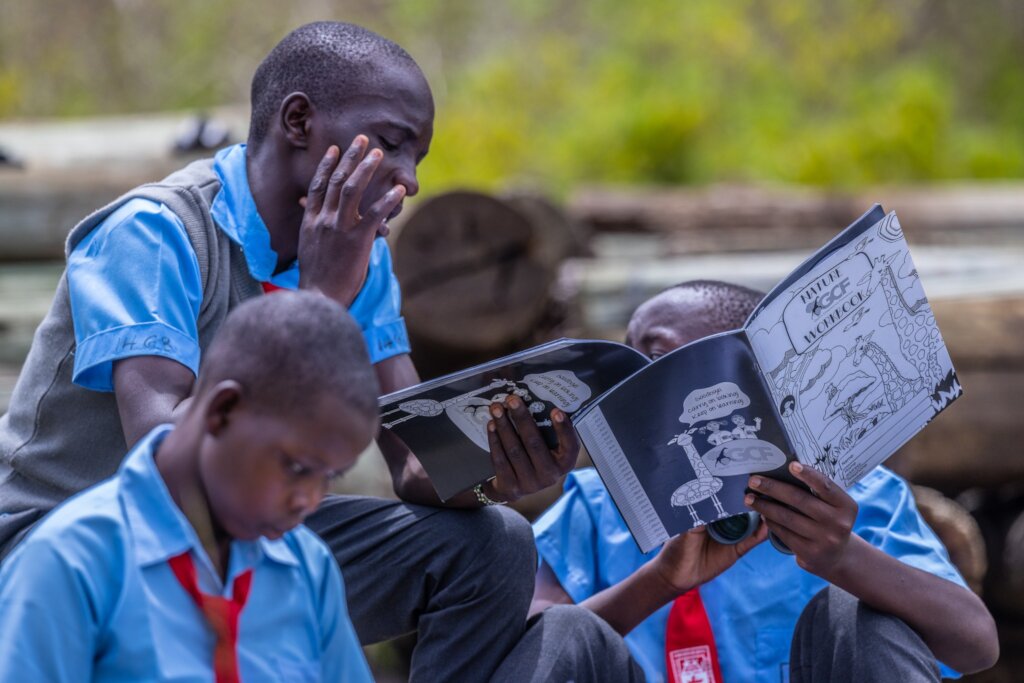
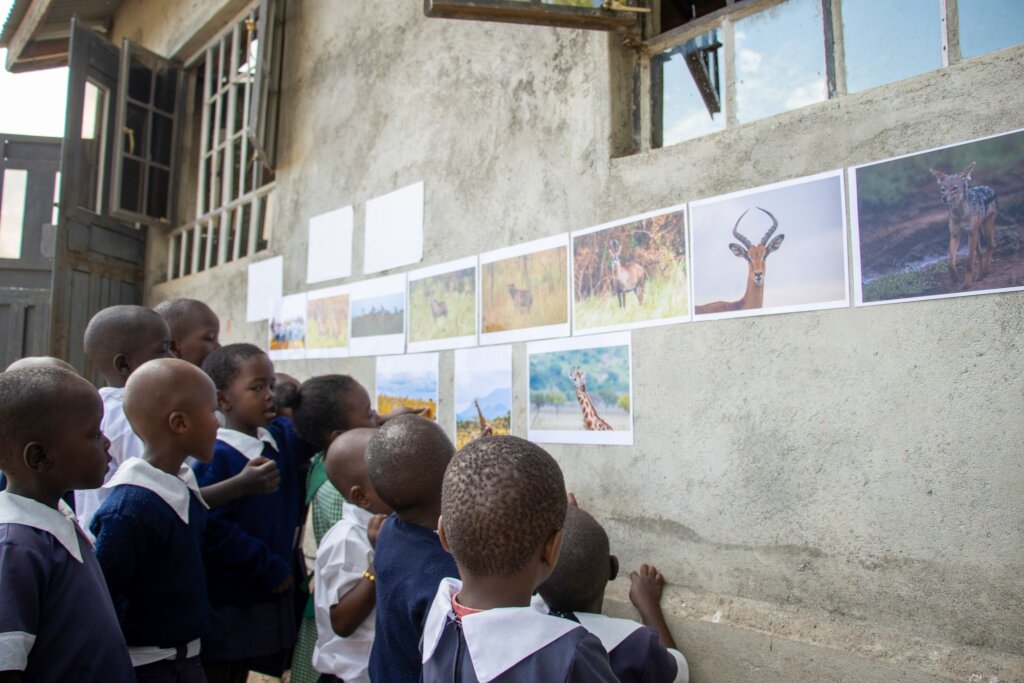
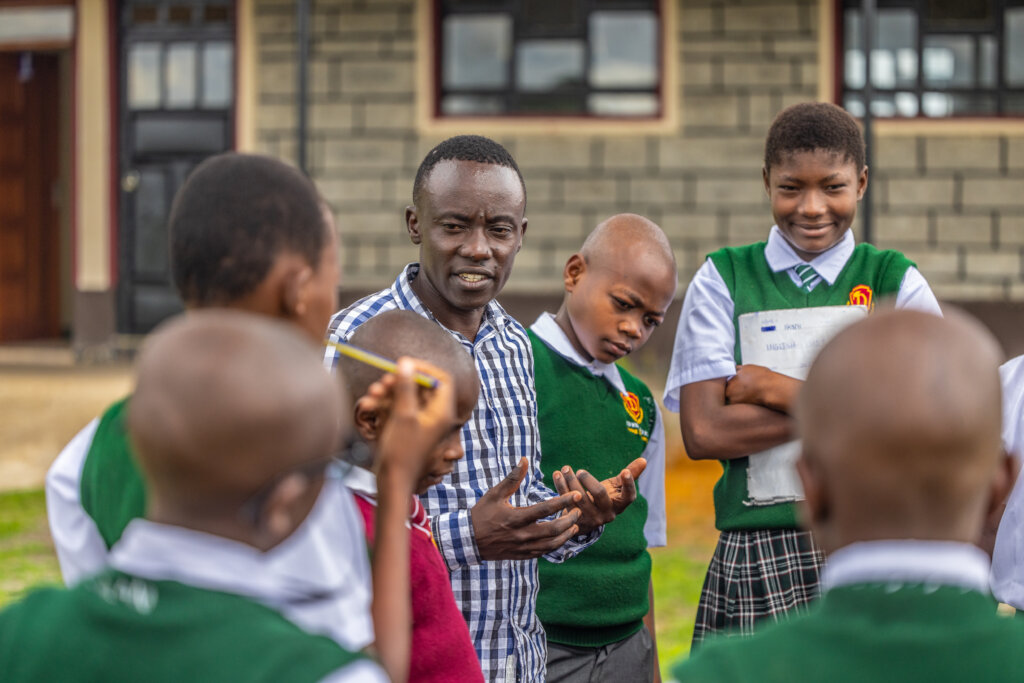
During our school visits in Western Kenya, we interacted with teachers who showed great interest in our project and its potential impact on their students' understanding of STEM subjects and nature conservation. We conducted sessions with the students, focusing on introducing them to the fundamental concepts and elements of environmental conservation, with an emphasis on wildlife. We encouraged the students to explore ways in which they could contribute to conservation efforts in their schools and communities. The initial part of the session was facilitated through the use of visuals.
We took the class outdoors and engaged with the immediate environment. A tree-planting exercise also followed this. The students committed to caring for the trees to ensure that they grow as part of their new journey of conserving their environment. We hope this will instill in them a sense of responsibility to care for the environment.
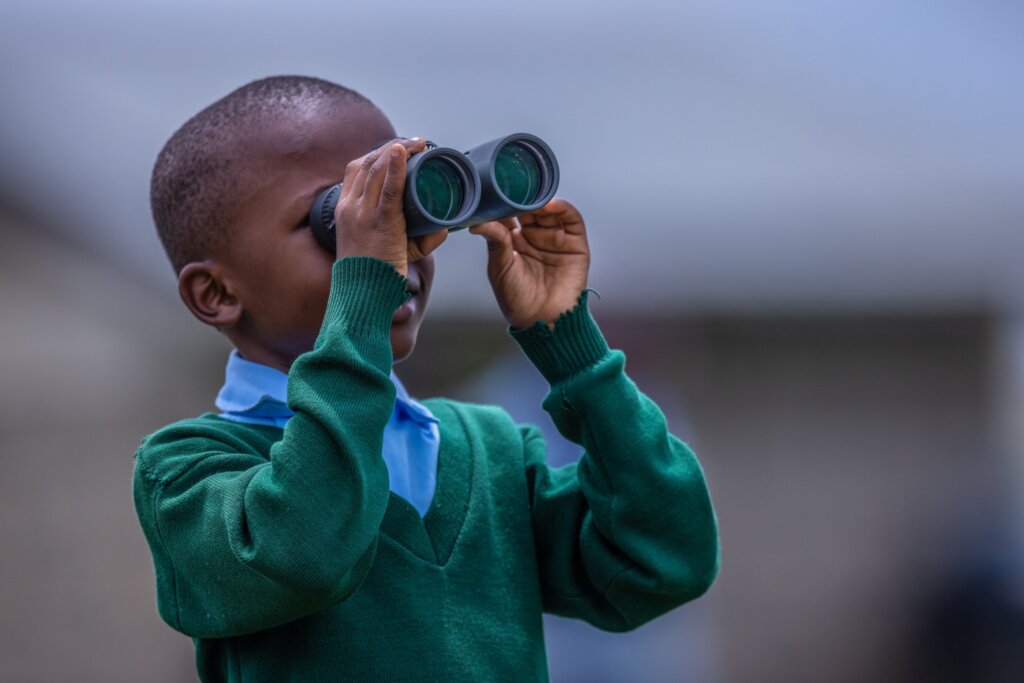
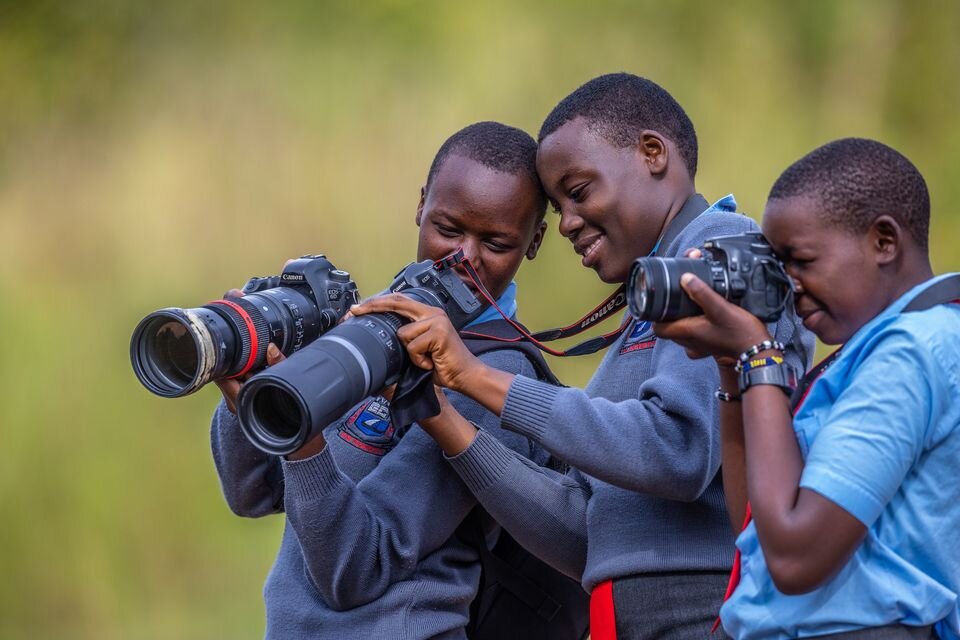
The highlight of the program was the trip to Ruma National Park where the students were able to engage with wildlife around their community. Even then it was the first time many of the students visited the park and saw wild animals. The accompanying ranger also offered them useful information about the park and each wildlife species that was seen. The students even got to see the endangered Roan Antelope. Most importantly they were able to see Nubian Giraffes at a close distance.
On seeing and with the prior introduction of The Nubian Giraffe in the previous sessions, the students asked many questions. “How do they feed?”, “Do giraffes sleep?”, and “How tall are they?” We could tell from their faces and curiosity that this was a day they were likely not to forget. It was not only the students who were in awe of the giraffes but also the teachers, a majority of whom had also never seen a giraffe before. The park visit will hopefully inspire them to conserve wildlife, appreciate the value of wildlife, and take action to ensure wildlife protection.
Links:
Project reports on GlobalGiving are posted directly to globalgiving.org by Project Leaders as they are completed, generally every 3-4 months. To protect the integrity of these documents, GlobalGiving does not alter them; therefore you may find some language or formatting issues.
If you donate to this project or have donated to this project, you can receive an email when this project posts a report. You can also subscribe for reports without donating.



Support this important cause by creating a personalized fundraising page.
Start a Fundraiser