By Risha Samanta | Program Associate
Feminist Approach to Technology (FAT) has entered the campaign phase of its project on Early and Forced Marriage (EFM). In this phase, we are running a campaign against the menace of EFM in our society. Preparations for the campaign began in January, 2015, and to find a clear path, we divided the project into phases. This project is the brainchild of 31 adolescent girls and young women of level two of FAT’s Young Women’s Leadership Program.
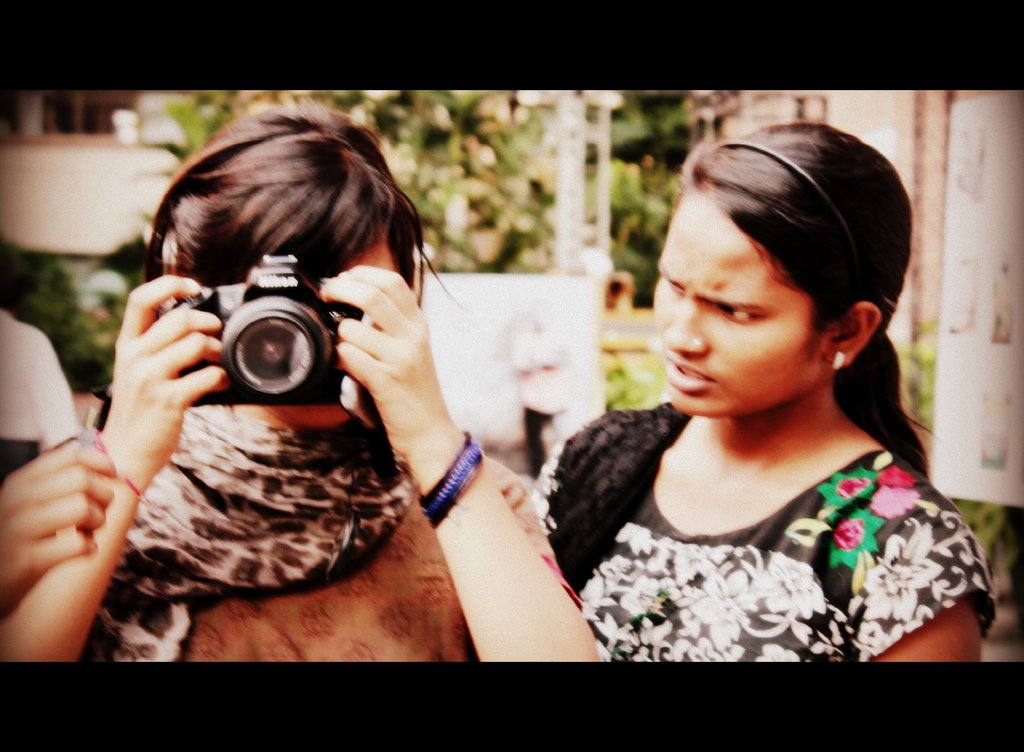
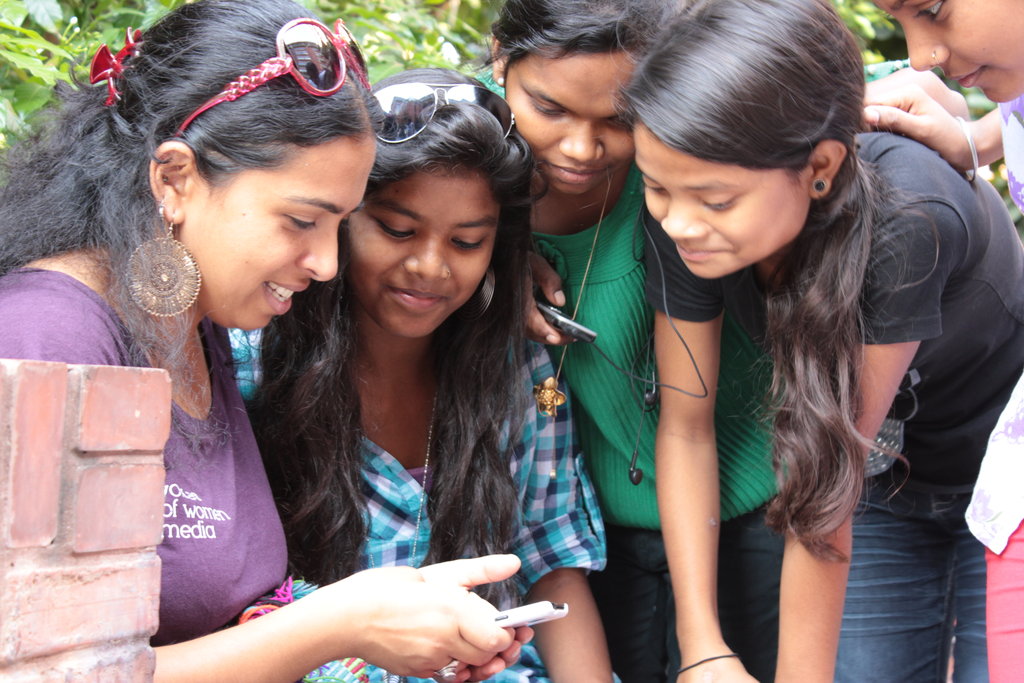
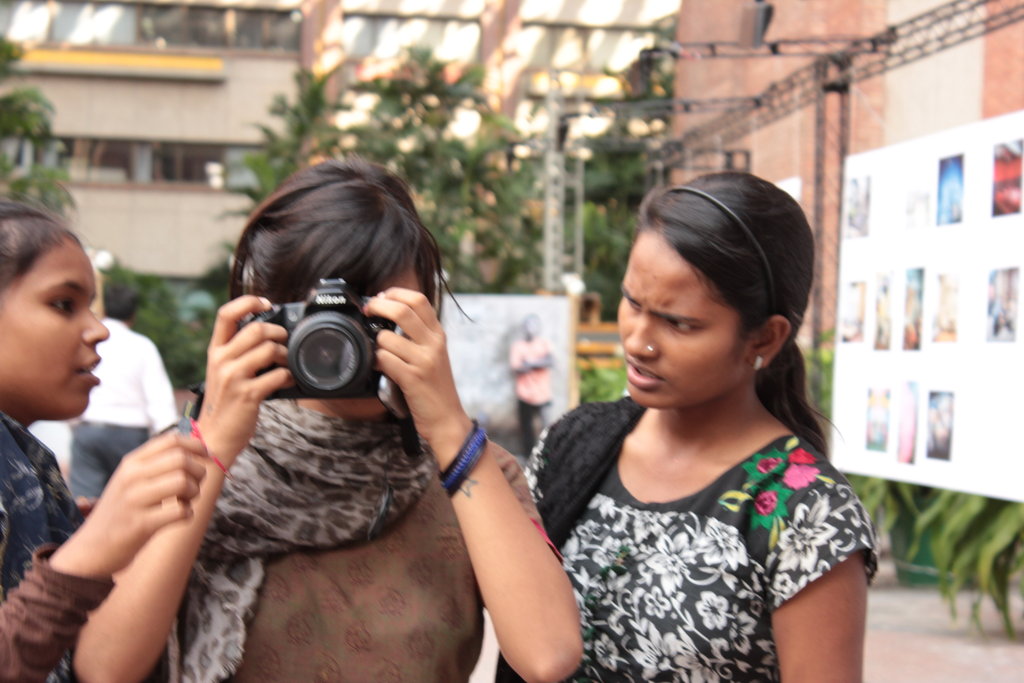
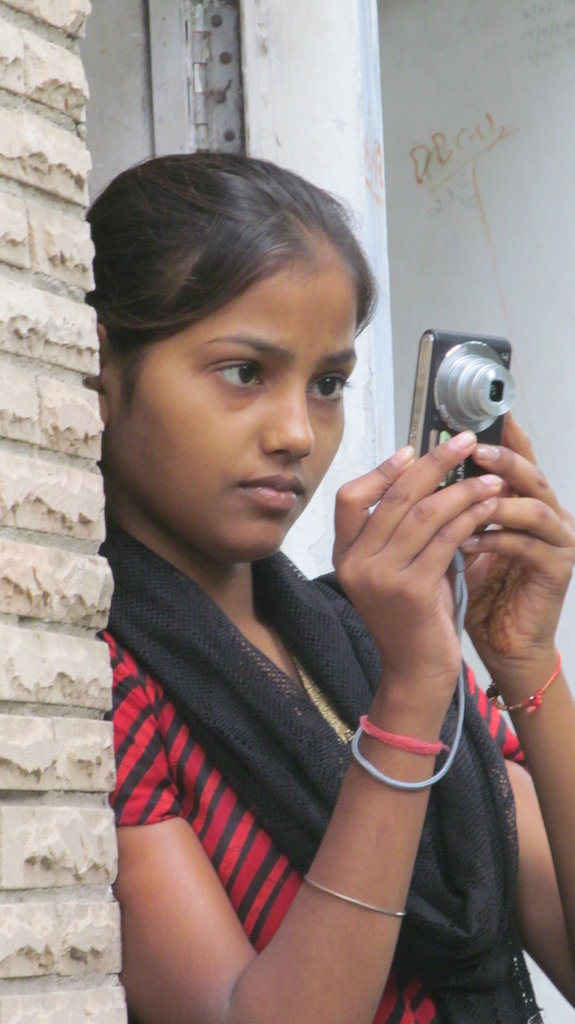
The first phase was for the training of the participants. With the support of our donors from global giving, we were able to buy the equipment required for this project. We concentrated on building technical skills of the participating girls through regular photography and filmmaking workshops, interspersed with discussions about relevant social issues. Our media trainer, Pooja Pant, from Voice of Women Media Asia in Kathmandu, Nepal, supported these trainings. We also did series of workshops with the participants of the project to strengthen their conceptual clarity, to help them build the theme of the film on early and forced marriage (EFM) that they were going to make and develop other materials. These workshops were done in collaboration with our consultant, Nandini Rao, a gender rights trainer. The second phase was all about putting these skills together in the form of film called Todo Bandishen (Break the Chains), which was conceptualized by the girls themselves. This phase also was to develop the campaign strategy, campaign materials and the campaigning skills of the girls. The participating girls have now taken the role of active campaigners. The campaigners along with the team members are taking the film to our target audience to build a dialogue around the issue of early and forced marriage.
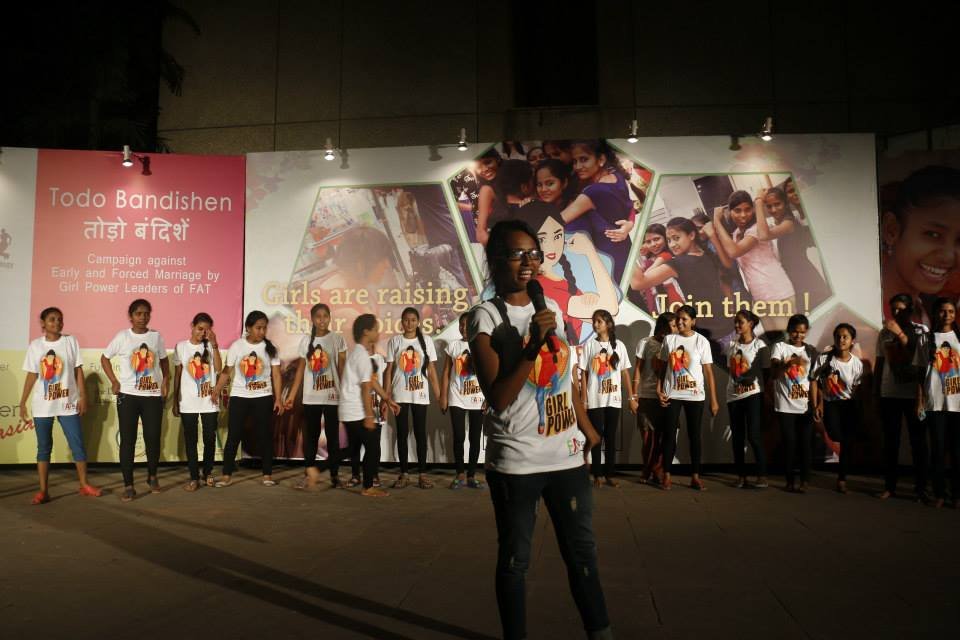
Our campaign began with a launch of the film on 13th of September, 2015. We invited a mixed group of people which included - our donors, parents of participating girls, other likeminded organizations, etc. The event was a massive success as we were able to reach out to large number of people and their reactions after the movie were overwhelming. All the participating girls came on the stage to speak about their experiences, and it became an emotional moment for everyone. Some of the parents had tears in their eyes, while others expressed a lot of pride in work undertaken by their daughters. The girls thanked the people present for their support to make this film a success. After the launch event, we started a series of small and large scale screenings with various communities. Our first point of contact in the community is mothers of the participating girls. Their mothers have always supported FAT in its endeavours. We organized a screening specifically for the mothers to gain their trust and support for the rest of the screenings in the communities.
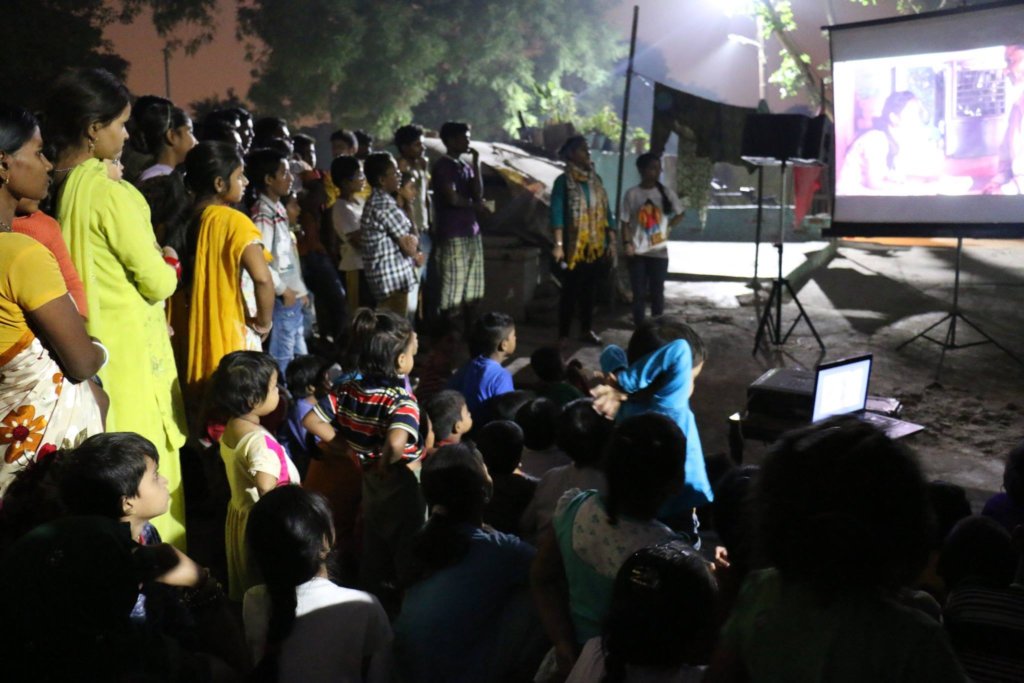
An important target audience for this project are the various communities FAT has been involved with for many years. The campaigners are also from these communities; which are located in South Delhi. The engagement with the community is through the screening of our film ‘Todo Bandishen’ followed by an interactive discussion about the underlying issues. We are trying to engage with the community to spread awareness around this issue. This is done by organizing big screenings in the community. These screenings focus on reaching out to more and more people and therefore, are done outdoors.
We divided the issue of early and forced marriage into five broad themes that are covered in the film - education, livelihood, choice, health and violence. The film consists of five stories of five different girls. Each story is about one theme.
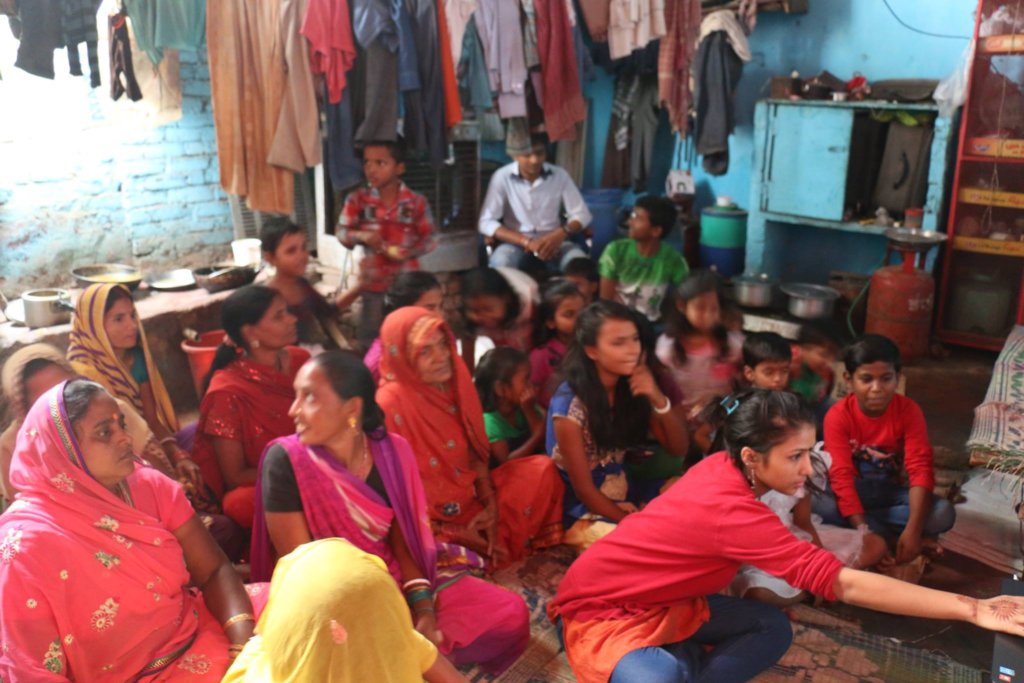
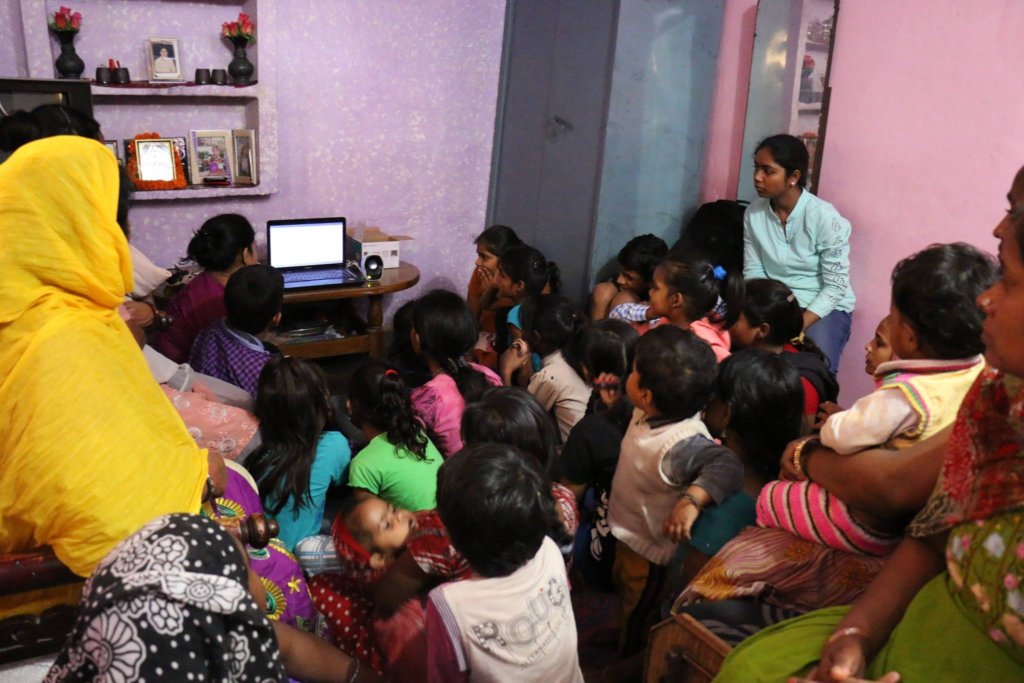
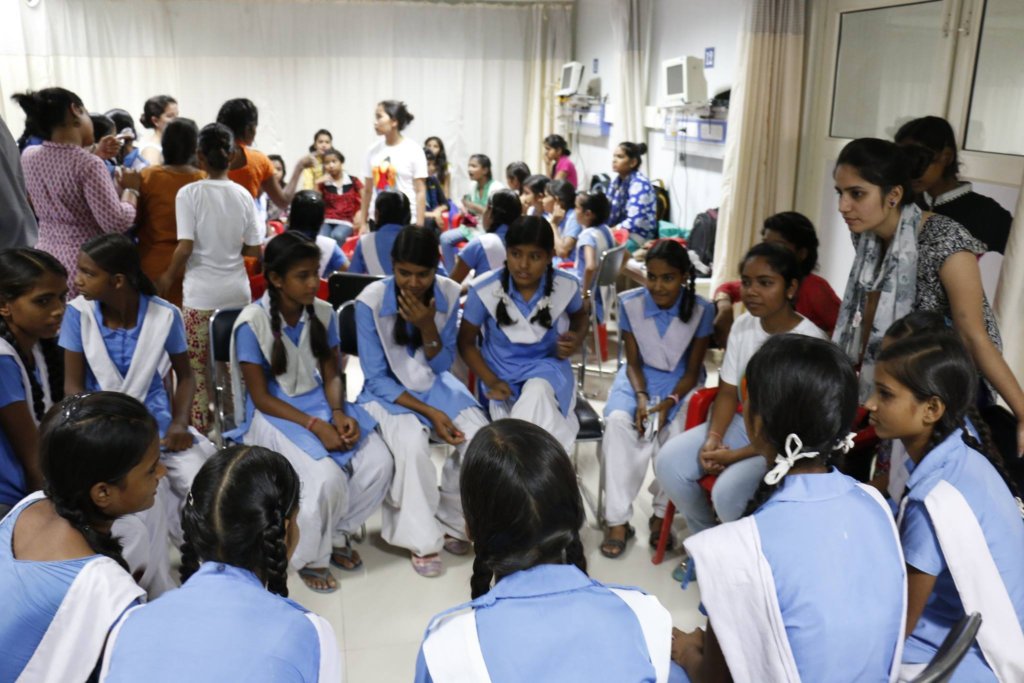
The small community screenings are done within closed-doors for more personalized engagement with people. Here, the focus is mostly to engage women and young girls to discuss the themes talked about in the film and be able to connect the themes to their own lives. The campaign team has been successful in reaching out to more than 1000 people with three big and nine small community screenings. We have planned several such screenings for the coming months.
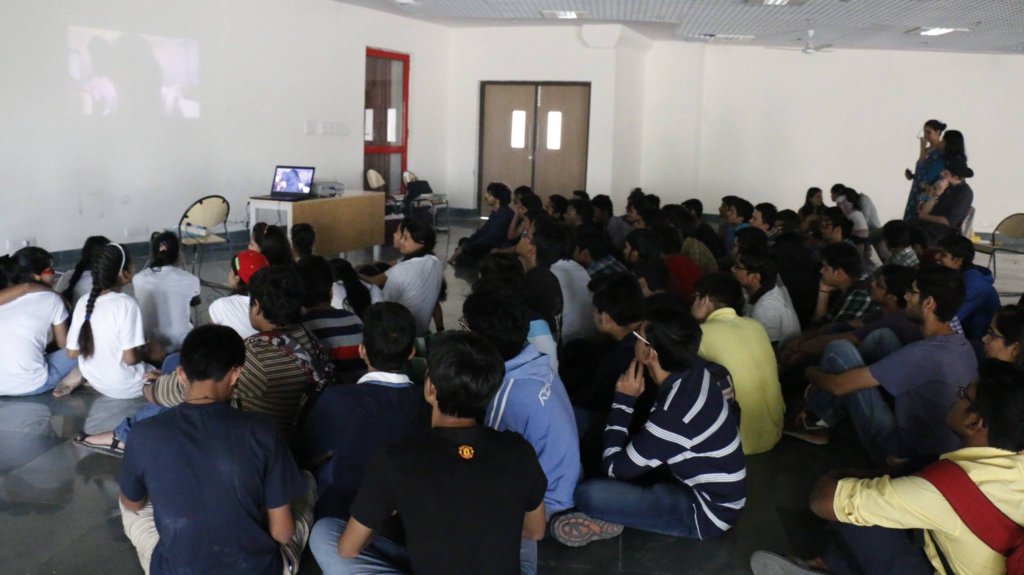
According to our campaign plan, the other target audience is organizations in Delhi and Bihar who work with adolescent girls or young women. The objective here is peer learning by exchange of stories about one’s struggle with early/forced marriage mostly within family. This is especially useful in Bihar, where the context is very different from Delhi. Partnering with new organizations also helps us strengthen our campaign. The team has been able to do two partner screenings in Delhi; one with Baliga Trust in Mongolpuri and the other with Pravah in the Indian Institute of Technology, Delhi. In Bihar, we partnered with Diksha Foundation which works on increasing the education level of both boys and girls above the age of 10. In the closed screening that we organized there, we also engaged with the parents of the children which proved to be a great learning experience for us.
Other than Bihar and Delhi, we have also targeted the state of Rajasthan. In collaboration with People for Parity and RNDC Mittal Foundation, we had an interactive session with 50 girls between the ages of 12-17 years from a government school in Alwar. The team is organizing consecutive screenings in Delhi and Bihar till the month of December. In December, we will be re-strategizing based on our learnings and planning the campaign activities in 2016. There will also be exposure trip and screenings with our partner organization, Sahiyar Stree Sangathan in Gujarat.
This is a one of a kind campaign run almost entirely by young women leaders to stop the menace of early and forced marriage. They require your help to make sure the campaign has a lasting effect. Donate now!
Project reports on GlobalGiving are posted directly to globalgiving.org by Project Leaders as they are completed, generally every 3-4 months. To protect the integrity of these documents, GlobalGiving does not alter them; therefore you may find some language or formatting issues.
If you donate to this project or have donated to this project, you can receive an email when this project posts a report. You can also subscribe for reports without donating.