By Mauricio Mogollon | Development Officer
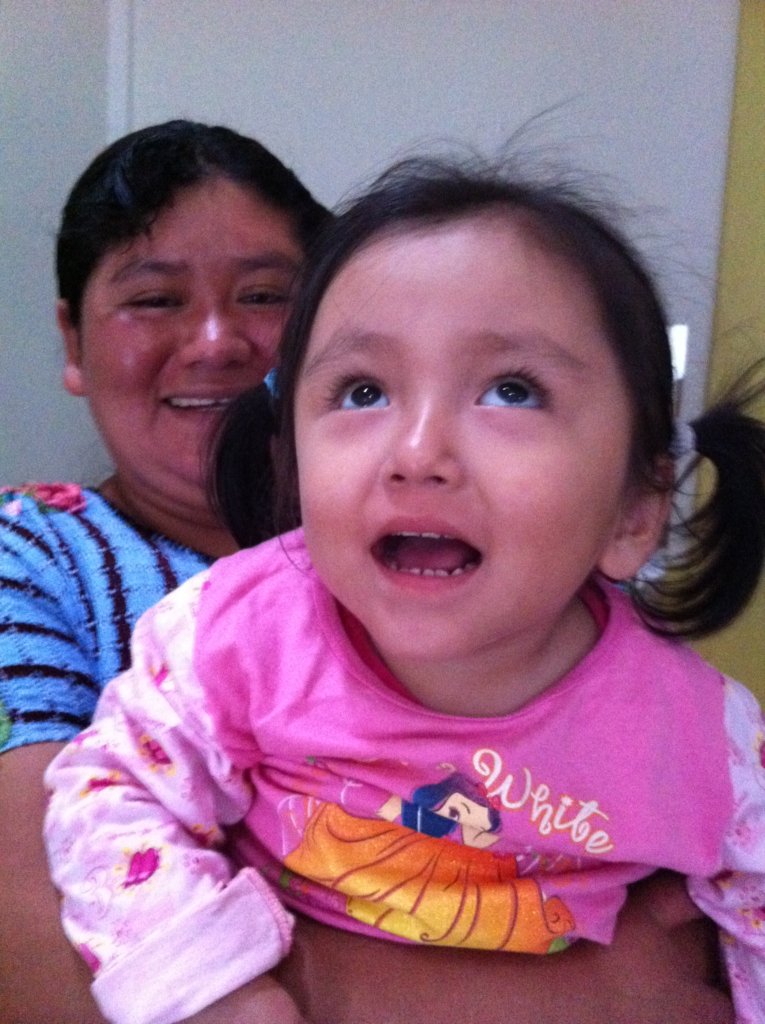
El año 2021 finaliza atendiendo a 10 niñas y 28 niños, con un total de 37 participantes en el programa. Este último mes se sumaron 3 niños, quienes tuvieron su primera evaluación y entrevista con los padres, se les dio la introducción de las actividades del programa y los objetivos del programa de Estimulación Temprana.
En este último trimestre se realizaron 137 terapias, de las cuales 46 fueron visitas domiciliarias y 91 fueron atendidas a Adisa. Durante este tiempo también se fueron realizando diferentes actividades, entre las más significativas para el programa de Estimulación Temprana fueron los talleres para padres, los dos temas más importantes fueron: Estimulación Temprana y Aceptación y Resiliencia.
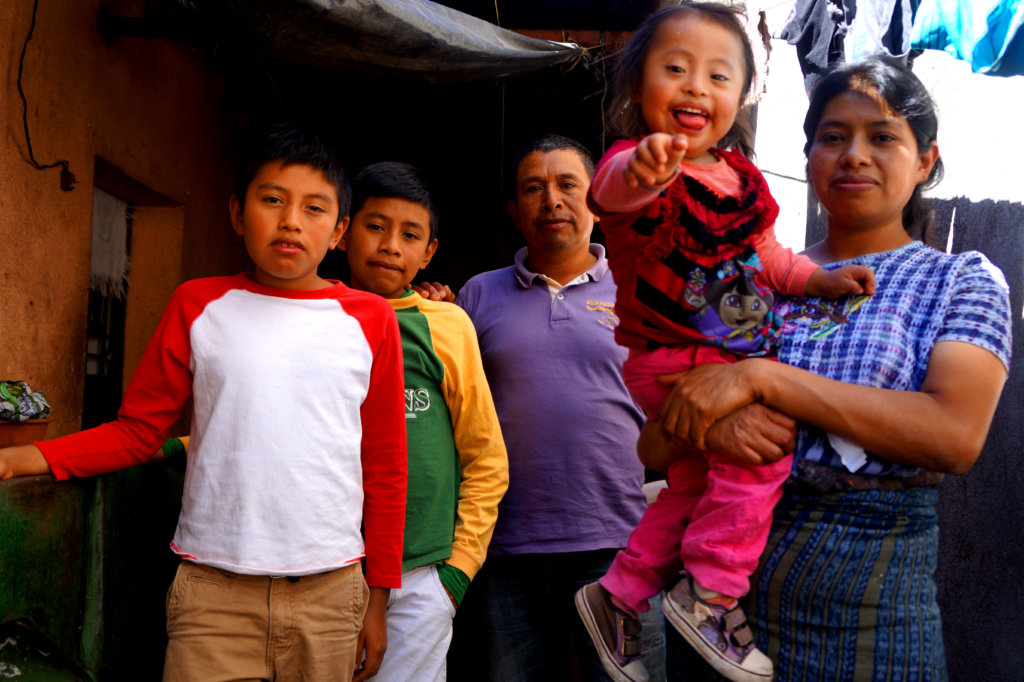
El primer tema era necesario, ya que hay familias de recién llegados que solo sabían a grandes rasgos lo que es la estimulación temprana, ni habían tenido convivencia con el resto de familias, es decir, no conocían a otras familias que participaban en nuestra. programa, en este primer taller conocieron en profundidad cuál es el trabajo de la EO, los objetivos y sobre todo la importancia de la implicación de los padres.
The second topic was perhaps the most important, as previously said there are new families, it was necessary for us to know the experiences, obstacles and achievements that each family has had to live from the first contact with adisa or from the diagnosis of their son and daughter, since in Santiago Atitlan myths are followed that often blame the mother of the child. That is why it was important to talk about acceptance and resilience. It was satisfying to see the families who have been there for years, sharing their own experiences and how they have faced the various obstacles in life.
These workshops help parents to take responsibility and commitment to their sons and daughters, regarding the work that is done with children. For us, the therapies we provide, teamwork with families, are satisfactory, but above all, it is satisfactory when the family manages to empower itself and help more families in need, this not only helps resilience but also the good development of the boys and girls who have some deficiency.
FABIANA LIFE STORY
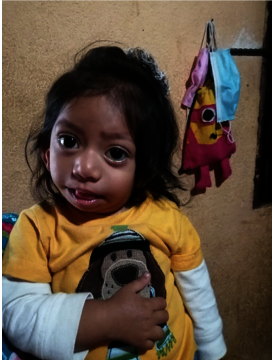
Fabiana was born in the 8th month of gestation, where her birth was attended by a midwife. Several months went by, but, at the age of 6 months, Fabiana´s parents realized that certain facial features could indicate she was going through some type of “illness” so they reached the national hospital where a specialist determined that Fabiana suffered a condition called Treacher Collins syndrome. This syndrome affects facial structures primarily, and can also cause a psychomotor retardation.
After her parents found out about her diagnose, they reached ADISA for help. Since then, ADISA has followed up with Fabiana´s case and has also helped her parents with mental health support to help them get a better understanding about therapies that Fabiana would need to take for her to live her best life possible by developing abilities and skills according to her age.
Physical and early stimulation then start once a week with the accompaniment of her mother so that she can understand and let her know the process, the special cares, the most frequent obstacles and the best procedures to affront these last.
Los padres de Fabiana siempre han estado dispuestos a apoyar a su hijo. Siempre están presentes en las citas de pediatra y audiometristas técnicos. Además, los padres de Fabiana asisten y continúan el proceso con sus terapias, asisten a las reuniones y talleres familiares que organiza ADISA.
Ha sido un proceso largo pero reconfortante y su familia está muy agradecida por el apoyo que ADISA le ha brindado a Fabiana. Este 2021 cerramos el año con 20 meses de servicios de atención para Fabiana y ella está cerca de caminar sola sin ayuda.
Project reports on GlobalGiving are posted directly to globalgiving.org by Project Leaders as they are completed, generally every 3-4 months. To protect the integrity of these documents, GlobalGiving does not alter them; therefore you may find some language or formatting issues.
If you donate to this project or have donated to this project, you can receive an email when this project posts a report. You can also subscribe for reports without donating.