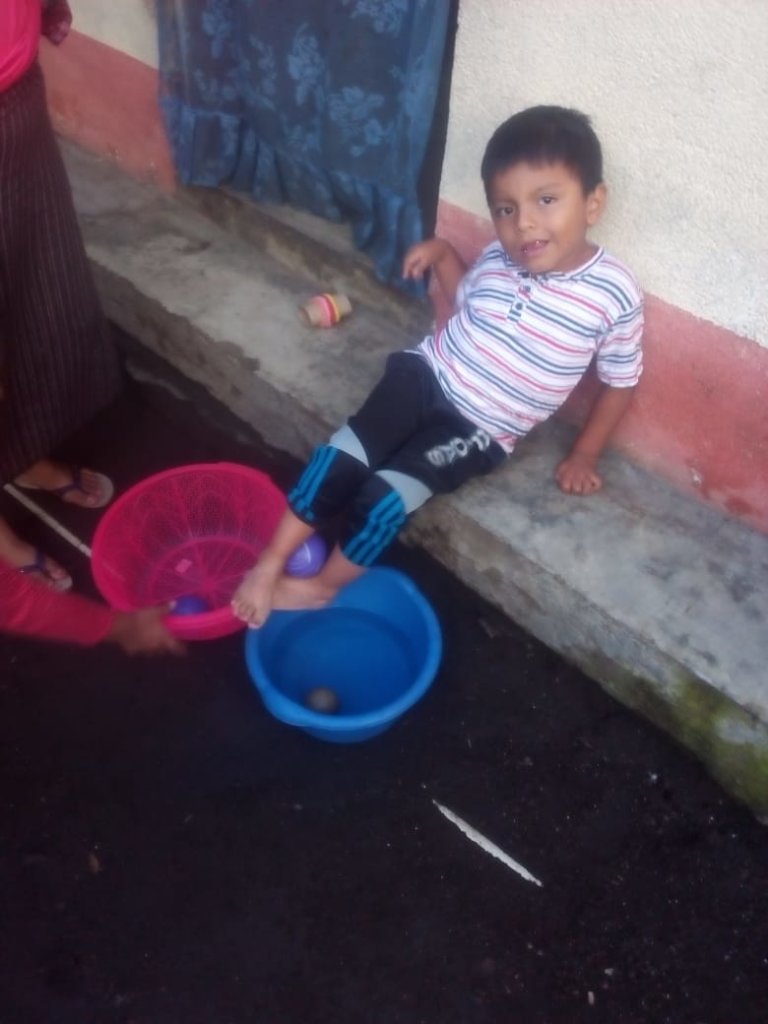
By Johana Sojuel | Early Intervention Teacher
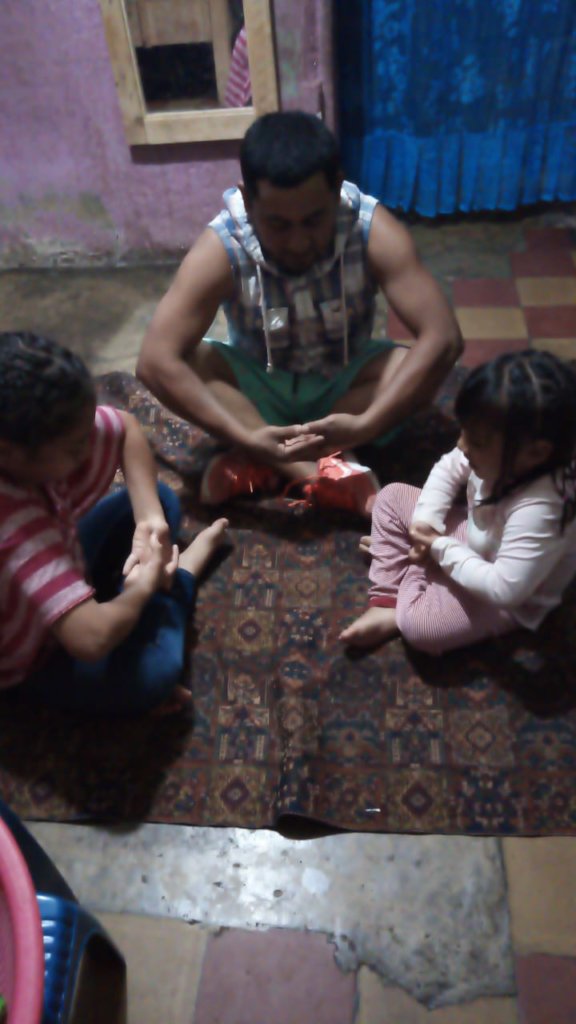
Since March, the pandemic has altered the way in which we implement our programs. The face-to-face therapies and home visits were suspended, leaving more than 200 children without therapy, and we began to provide remote care. The Early Intervention program continues to provide follow-up care to 19 boys and 21 girls via phone calls, WhatsApp, and video calls, instructing parents to perform the activities and exercizes at home with their child. For families without telephone or internet access, we visited their homes to deliver individualized follow-up plans and informational materials.
Our team checks-in with families weekly, providing information on COVID-19 prevention, symptoms, and resources, as well as mental health support and new ways of generating income.
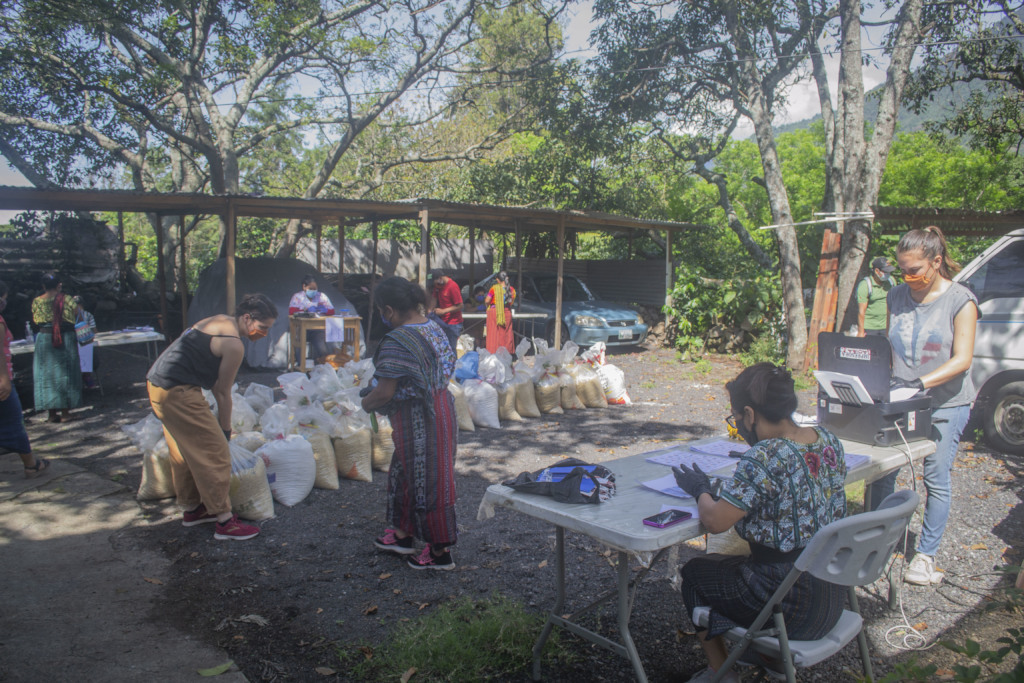
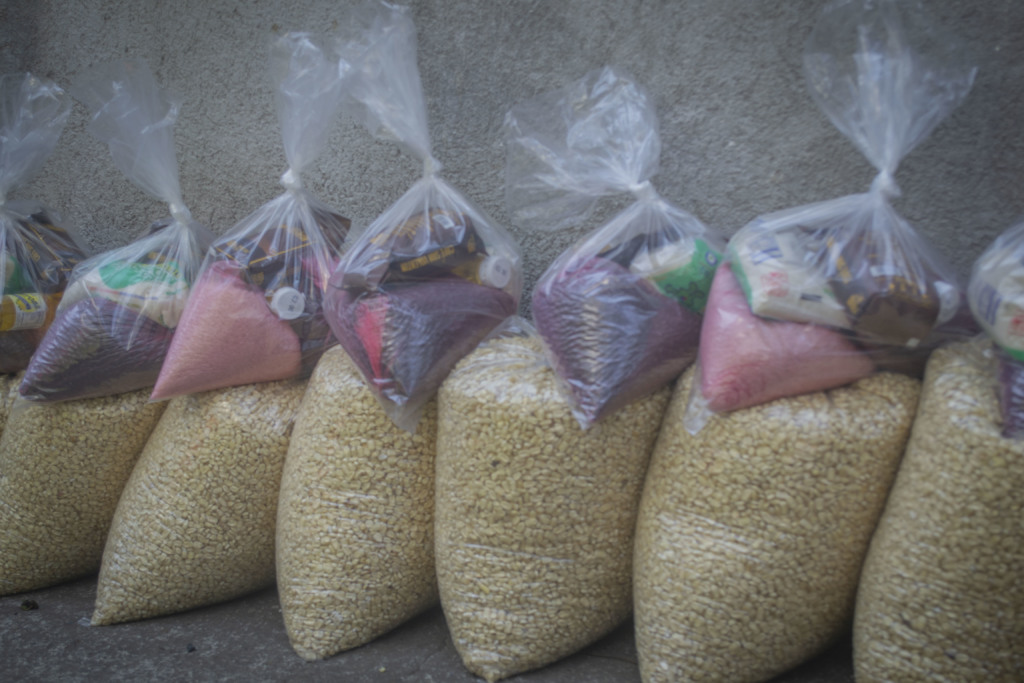
Economically, the pandemic has taken a considerable toll on the community. The government enforced curfew and travel ban left many families with little to no income. The majority of the families with which we work live in extreme poverty, currently unable to cover their basic needs. For this reason, in April, we began distributing emergency food supplies to over 150 prioritized families.
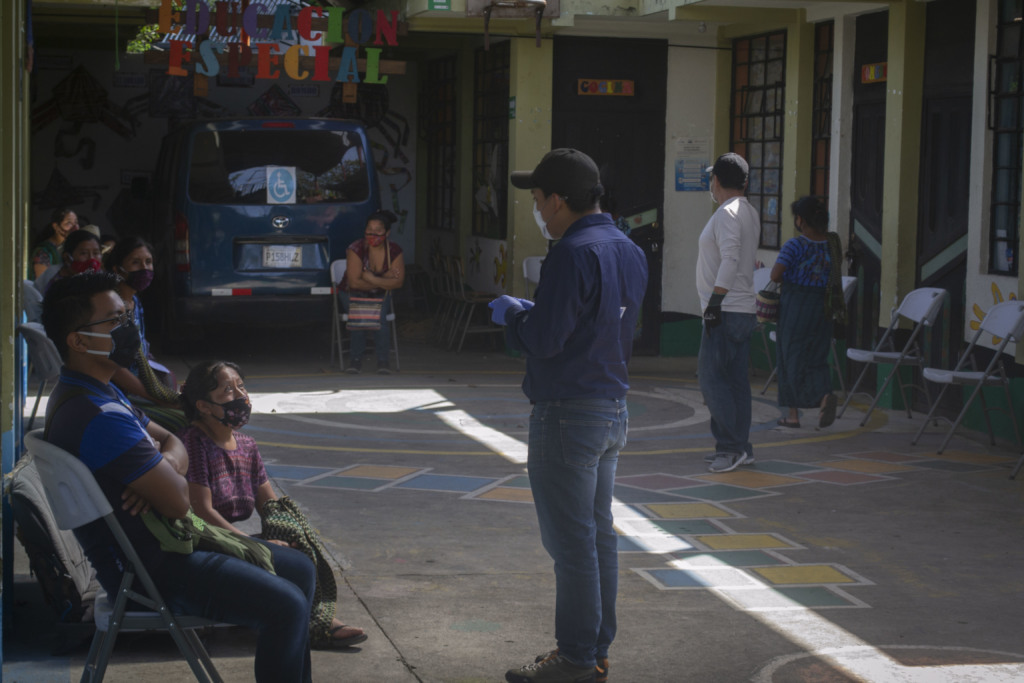
Fortunately, last week, after months of virtual support, we resumed in-person therapies in our offices with a new protocol in place.
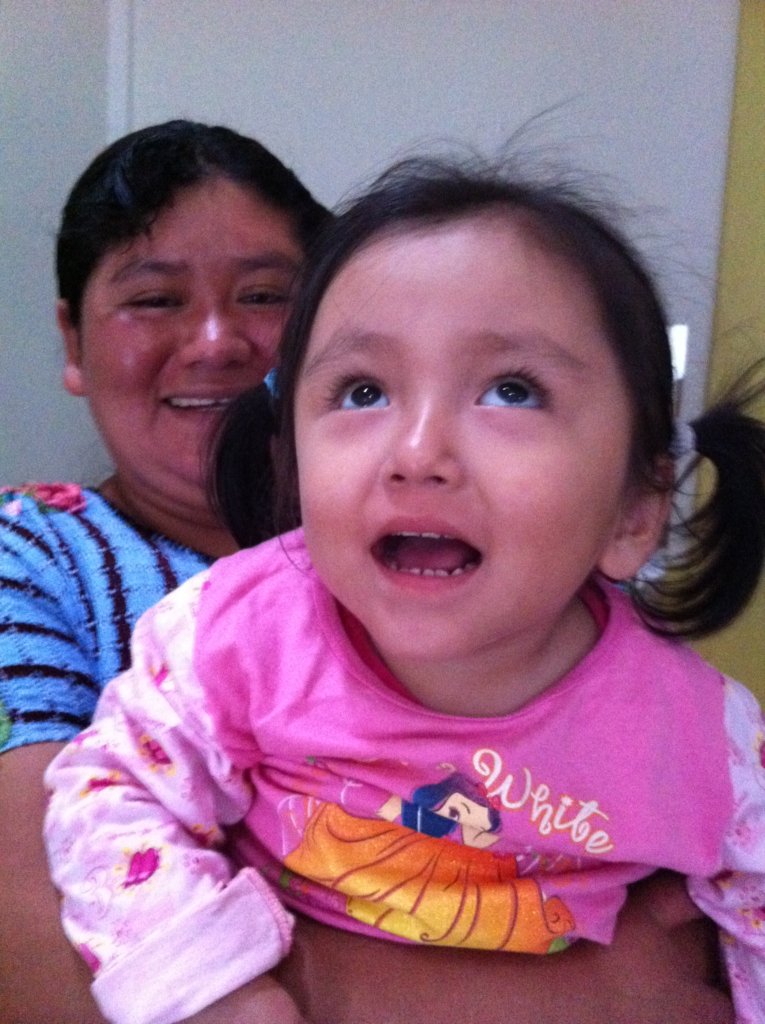
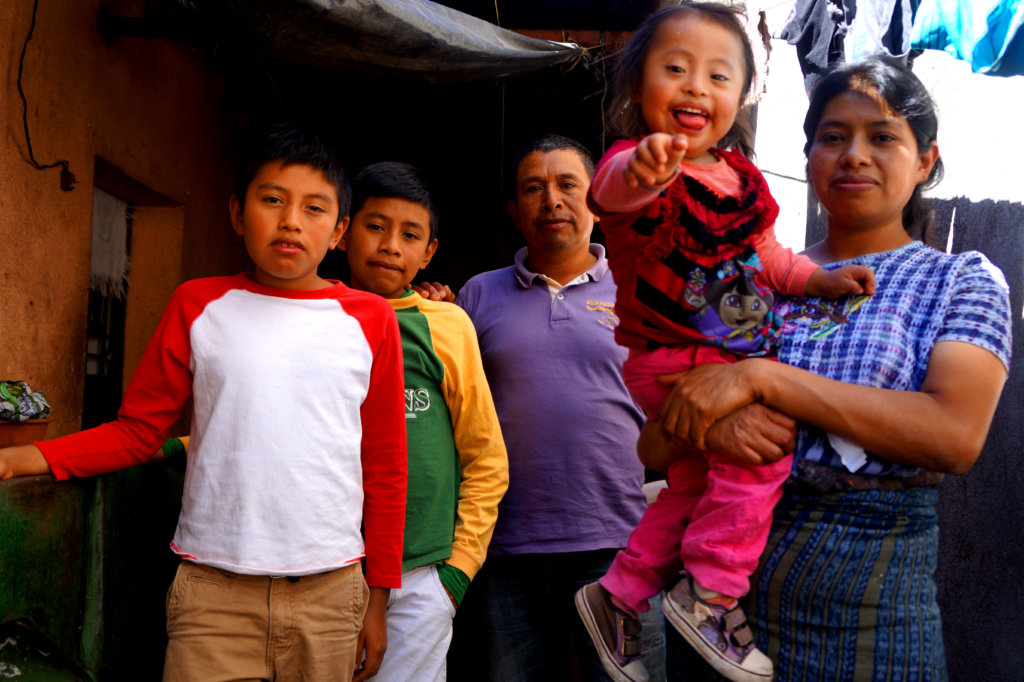
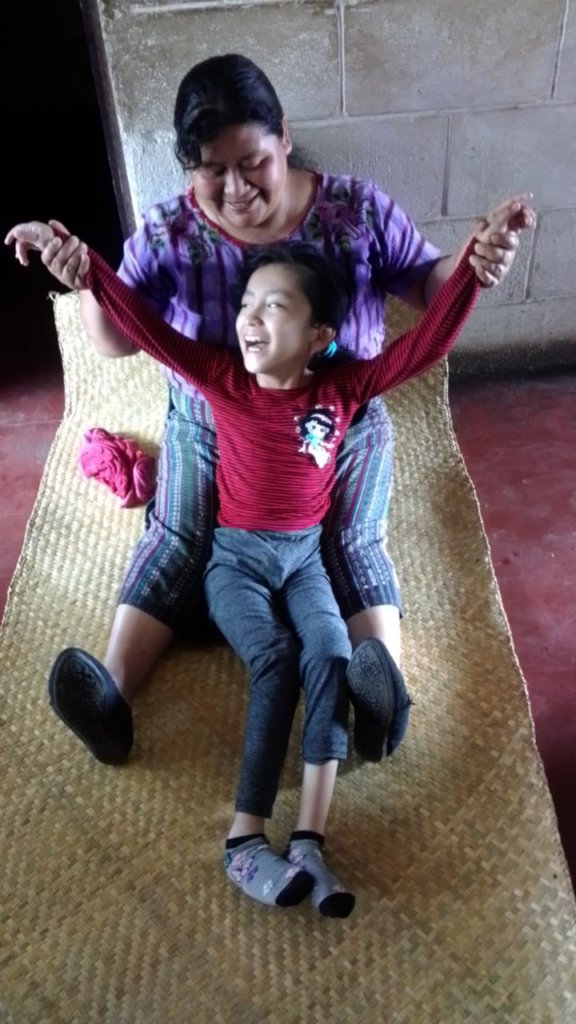
Today, we want to highlight the story of Andrea, a six-year-old girl, diagnosed with cerebral palsy. Her birth was described as normal. When Andrea was seven-months-old, she could hold her head up. When she turned one, she could sit-up on her own and was even beginning to walk. However, shortly thereafter, she began to present a fever and started having seizures.
Her family brought her to see a neurologist, who prescribed her with a medication that resolved the seizures for some time. Unfortunately, the seizures eventually returned and stronger than before. This time the family decided to bring her to a different doctor, who changed her treatment. This new treatment proved ineffective and Andrea stopped eating and defecating. Her parents then brought her to a third neurologist, who provided her with a new treatment that made her extremely sleepy. For two weeks, she spent nearly all day, every day sleeping. Andrea’s parents, therefore, decided to stop medicating her and no longer sought the support of a neurologist.
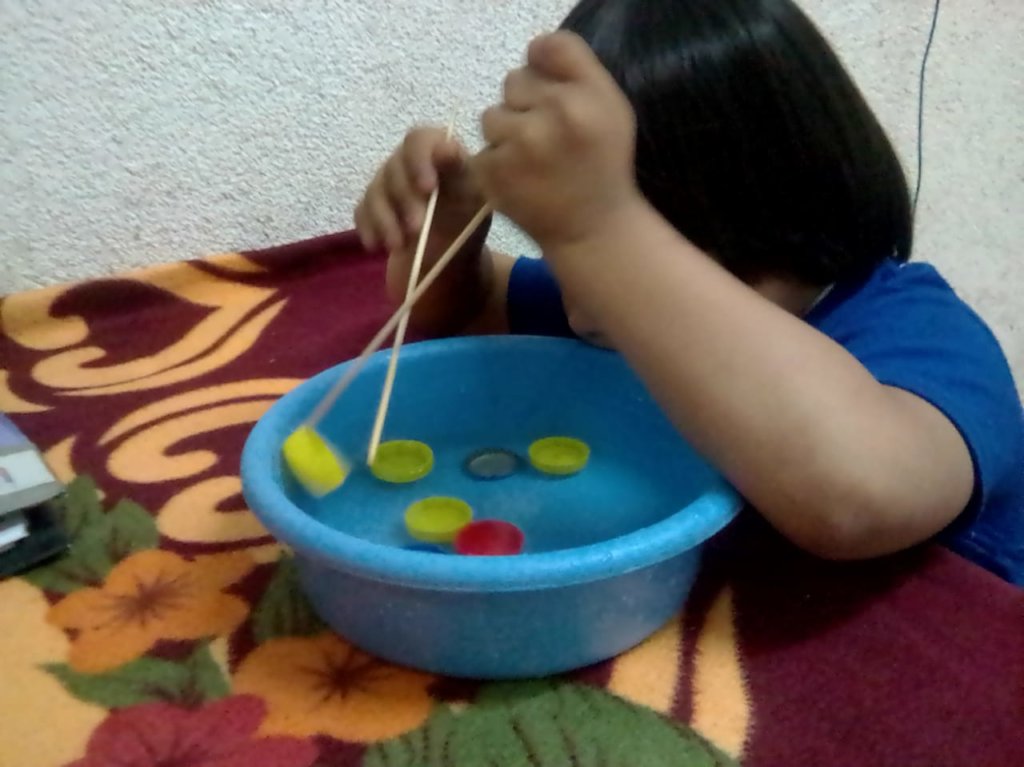
Andrea, however, did continue with her therapies at ADISA. Through language therapy, physical therapy, early intervention therapy, and psycho-motor therapy, Andrea has stopped seizing and is now sitting-up for long periods of time with limited support and picking up objects. She most enjoys looking at picture books and listening to stories.
Project reports on GlobalGiving are posted directly to globalgiving.org by Project Leaders as they are completed, generally every 3-4 months. To protect the integrity of these documents, GlobalGiving does not alter them; therefore you may find some language or formatting issues.
If you donate to this project or have donated to this project, you can receive an email when this project posts a report. You can also subscribe for reports without donating.