By Johana Sojuel | Early Intervention Teacher
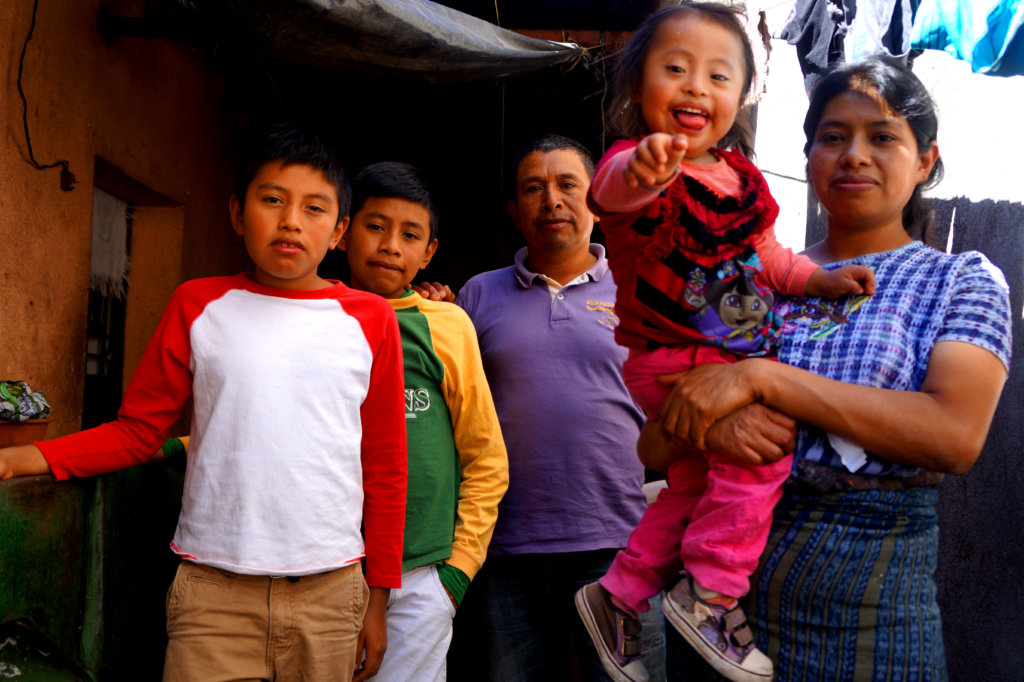
We began this first quarter of 2020 with 40 participants, 19 boys and 21 girls, in our early intervention program. During the months of January through mid-March, we started working in groups, five groups of two to four participants each. These groups were defined by age and type of disability to promote social relationships and make the work more enjoyable for the children.
In addition to the group work, we had continued working individually with some participants in their homes when necessary and had updated the plans of all 40 participants to reflect their advances.
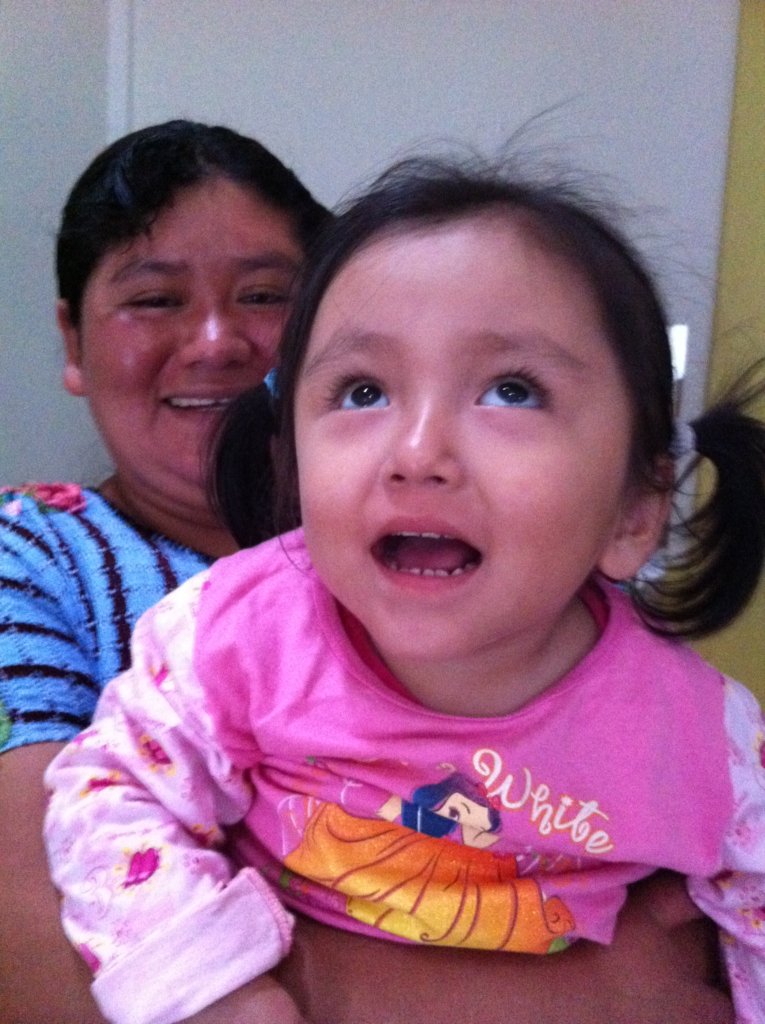
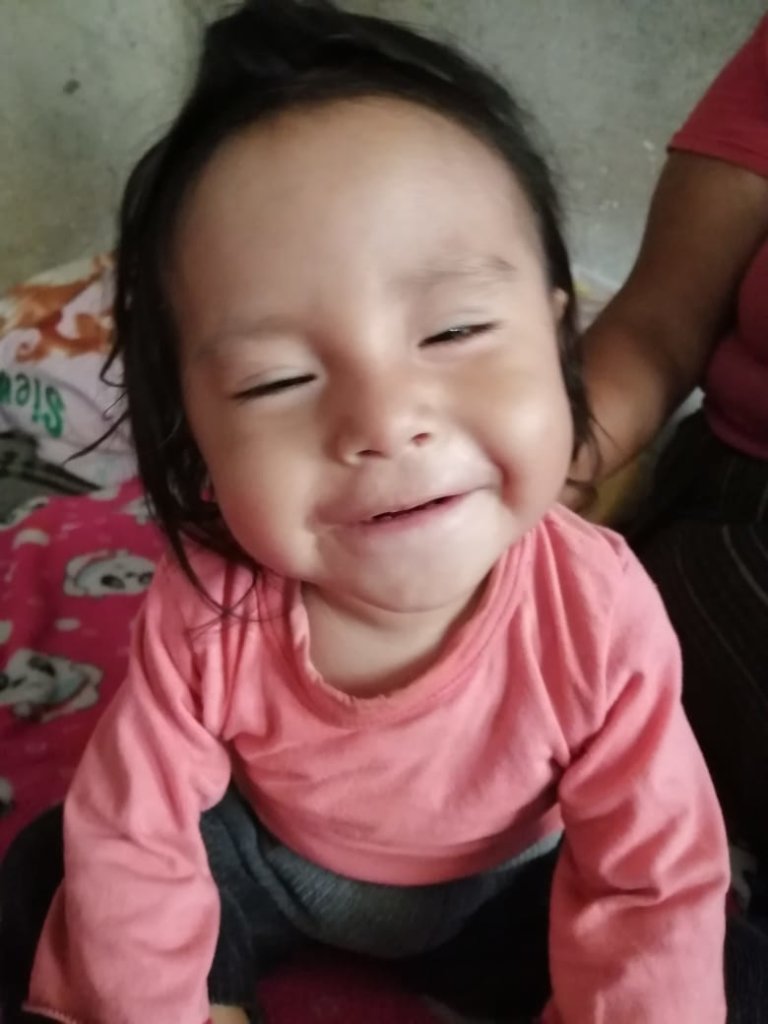
Rosa, a two-year-old girl, the youngest of three daughters, participates in our early intervention program. While her birth was deemed normal, after a few months, her parents realized that she could not support her own head or neck. When Rosa was six months old, nurses from the local health center arrived for a routine health visit, they confirmed that she could not support her head or neck and discovered that also could not sit-up. The nurses then referred Rosa to ADISA, where she was diagnosed with a psycho-motor delay and strabismus. Now, Rosa can hold up her head and neck and sit-up on her own.
In February, we began the parent monthly workshop series, uniting all of ADISA’s programs, to ensure that all parents receive the same information and hopefully share it with their friends, families, and neighbors.
On March 16th, as a result of the COVID-19 pandemic, the nature of our work has changed drastically. While we can no longer provide face-to-face support to the children in the program, our early intervention teachers have been sharing videos and calling families weekly to follow-up on each child’s individual plan, as well as to ensure that the families have accurate and sufficient information to confront the pandemic.
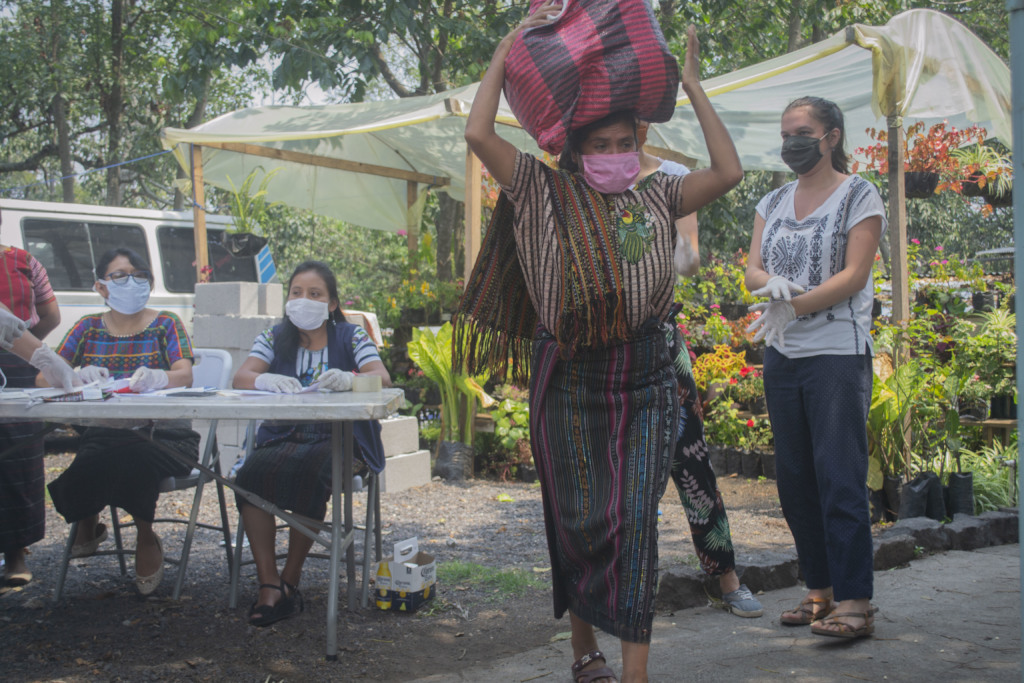
Fortunately, there are still no confirmed cases in Santiago Atitlán. However, the preventative measures implemented by the government, in particular the curfew, have taken a large economic toll on our community. Many of the families already living in extreme poverty can no longer afford to put food on their tables or cover their basic needs. Therefore, this month, ADISA began distributing emergency food supplies to the 80 families in our programs with the greatest need.
As we prepare for the worst, we are optimistic for what has yet to come.
Project reports on GlobalGiving are posted directly to globalgiving.org by Project Leaders as they are completed, generally every 3-4 months. To protect the integrity of these documents, GlobalGiving does not alter them; therefore you may find some language or formatting issues.
If you donate to this project or have donated to this project, you can receive an email when this project posts a report. You can also subscribe for reports without donating.