By Yashika Sukhramani | Project Leader
I) Project Summary
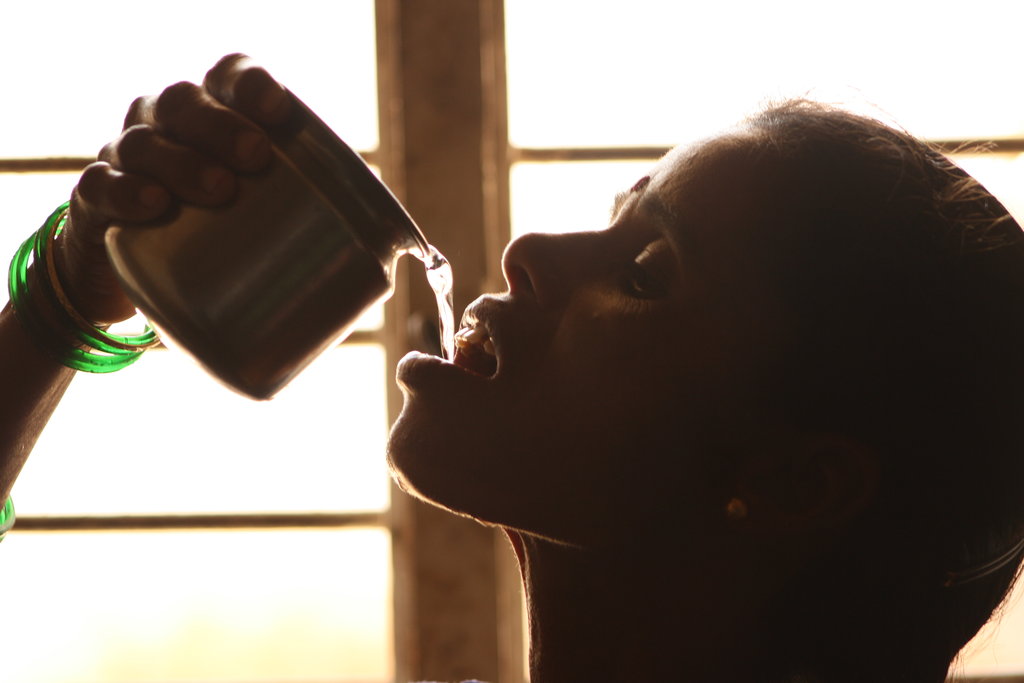
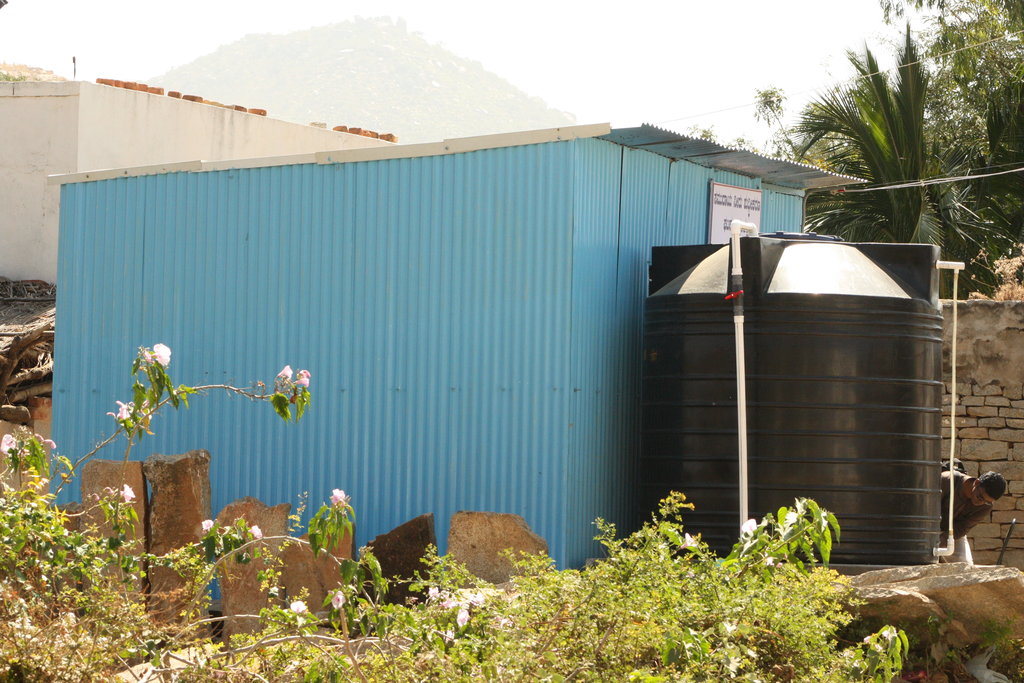
Our project seeks to ensure quality of life of the people living in Chikkaballapur, by providing safe drinking water to 24 villages. In this region people are plagued by high contents of fluoride in their water, resulting in majority of the villagers being affected by many health problems in their daily lives. This project is especially beneficial due to its inherent design of community ownership emerging from high regards the community holds for a project that is laid on the foundations of partnership between the Gram Panchayat (local village government) and Swasti which in turn promises sustainability of the project.
II) Resources raised through your support
We have raised a cumulative contribution of $2665 since we joined the Global Giving platform in December 2013 through your continued support and faith in our social development endeavours.
III) Stories of hope
a) Aadinarayana (fictitious name) is a 35 year old farmer and a part time waterman for the Gram Panchayat, who supports two children.
“I am using purified water supplied by Swasti water plant, for both cooking and drinking. Earlier, I often used to have joint pain, and body ache. My children in the past have suffered from fever and stomach infections on an everyday basis. In the last 4 months since, we have started using purified water from the plant; I no more complain of any joint pain or body pain. My children have not complained of any stomach aches for a long time now. We do not feel the need to visit the doctor often now. I feel much more energetic and efficient at work as I no more have joint pains and body aches”.
b) Lakshminarayana (fictitious name) is a 36 year old farmer, who supports 5 family members, including 2 children.
“We are using water supplied by the Swasti water plant from the very first day of the establishment of the plant...for both cooking and drinking. Earlier my family complained about issues of body aches and dental fluorosis, but from last six months after we shifted from bore well water to using the purified water, I and my family feel healthier. Majority of the households in our village are consuming purified water supplied by the water plant. Only few households are using bore well water for drinking now”
IV) Impact and reach of water distribution
a) Potable water accessed by households
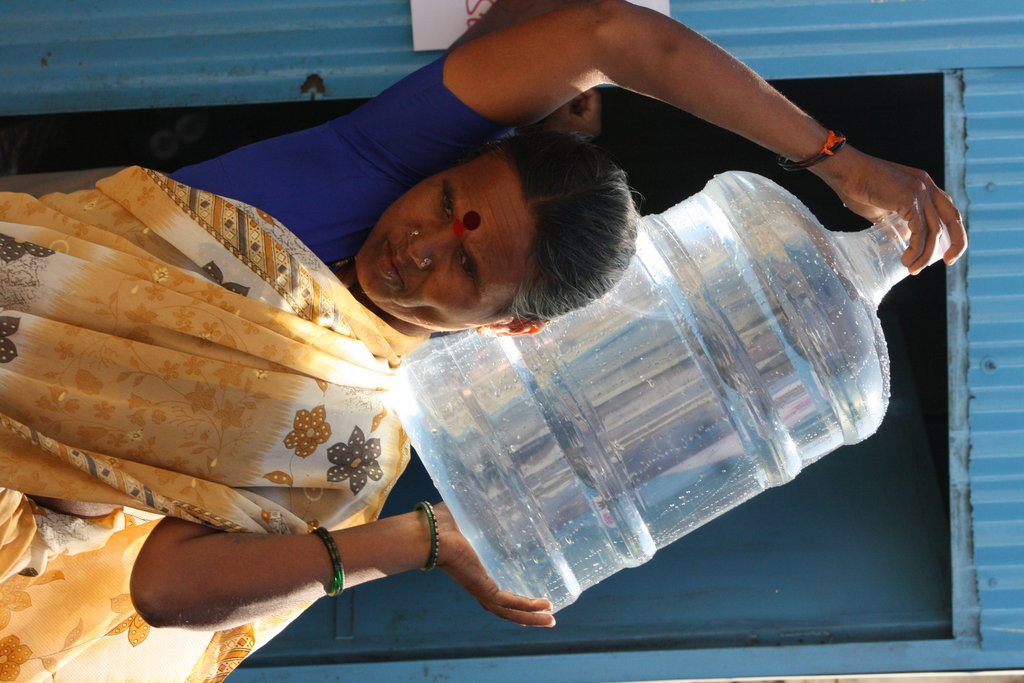
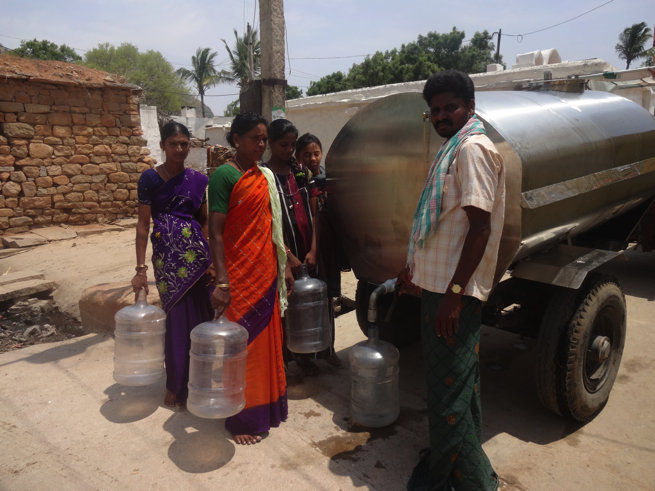
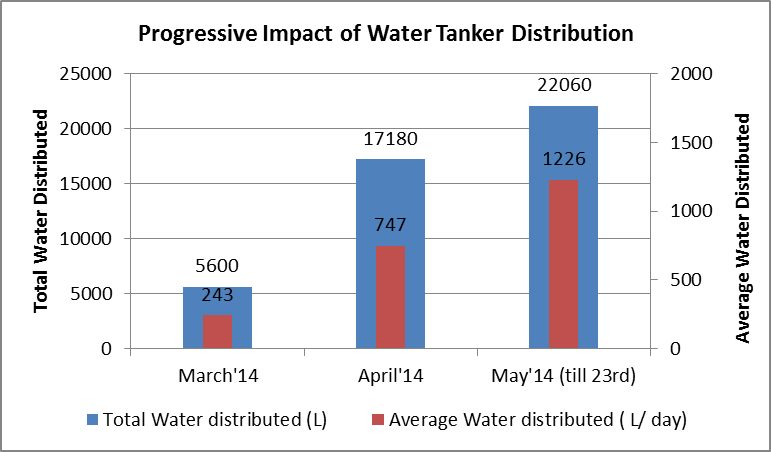
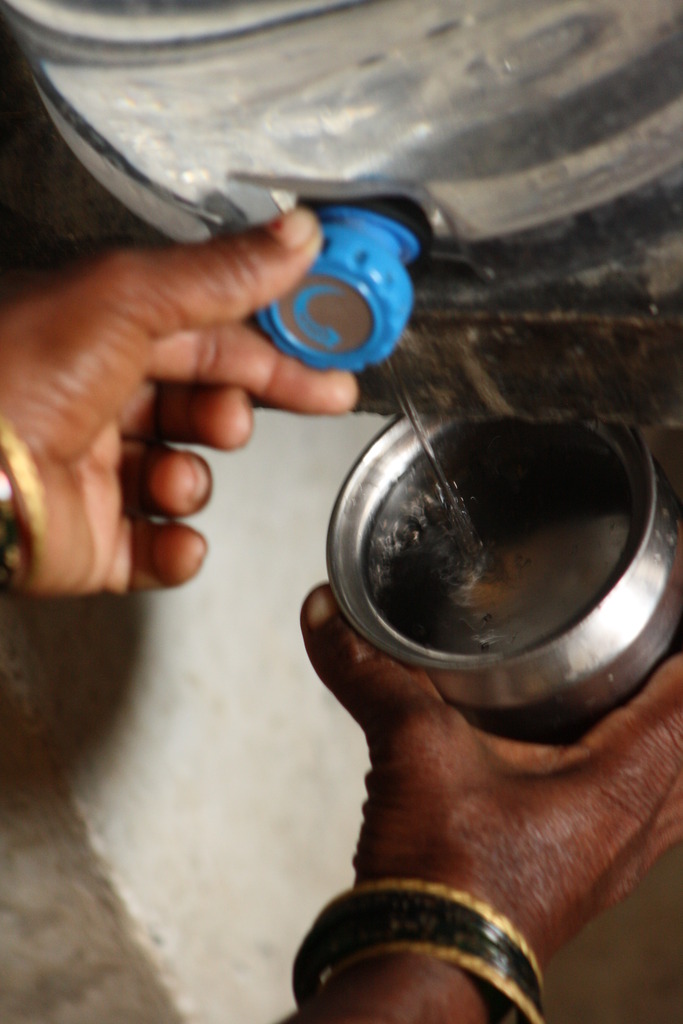
In this quarter, through the single water tanker distribution mechanism across approx. 1,400 litres of potable water has been accessed every day, which translates into fulfilling everyday water needs of 400 families/1200 family members on a regular basis. Some families access potable water only for their children as they cannot afford the subsidized potable water for the entire family.Moreover many households are not in a habit of carrying water, while they work in the fields. They drink the water from public taps while they are outside their homes. This is often an excuse given for not using purified water even in their households.
b) Potable water accessed by schools
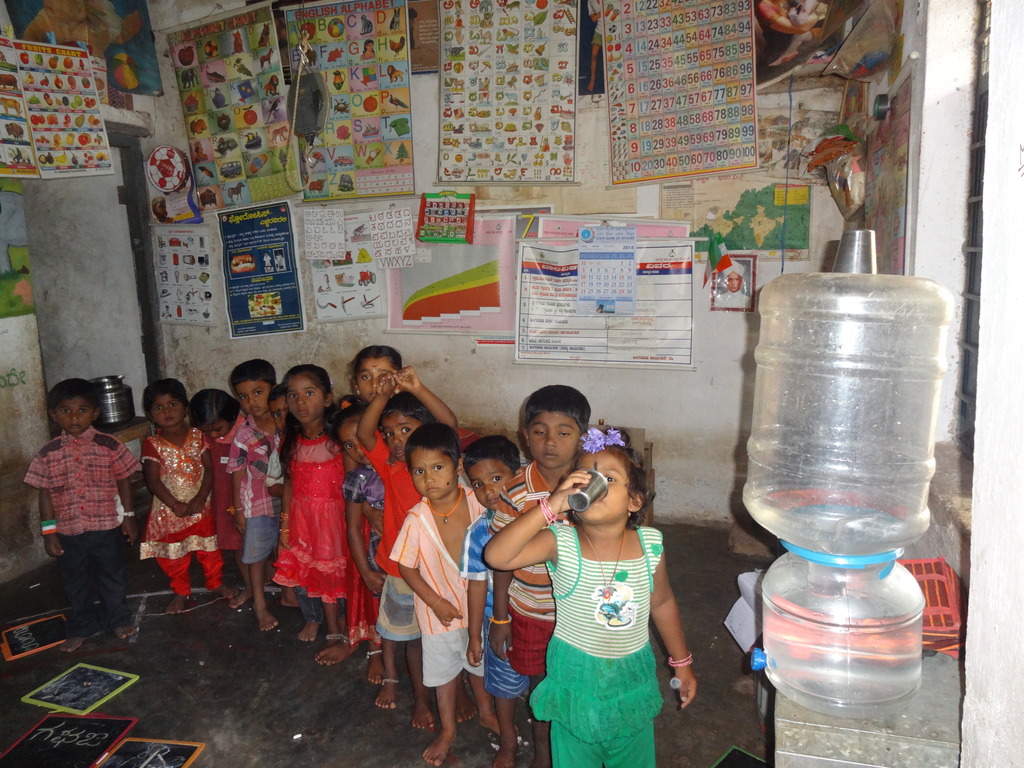
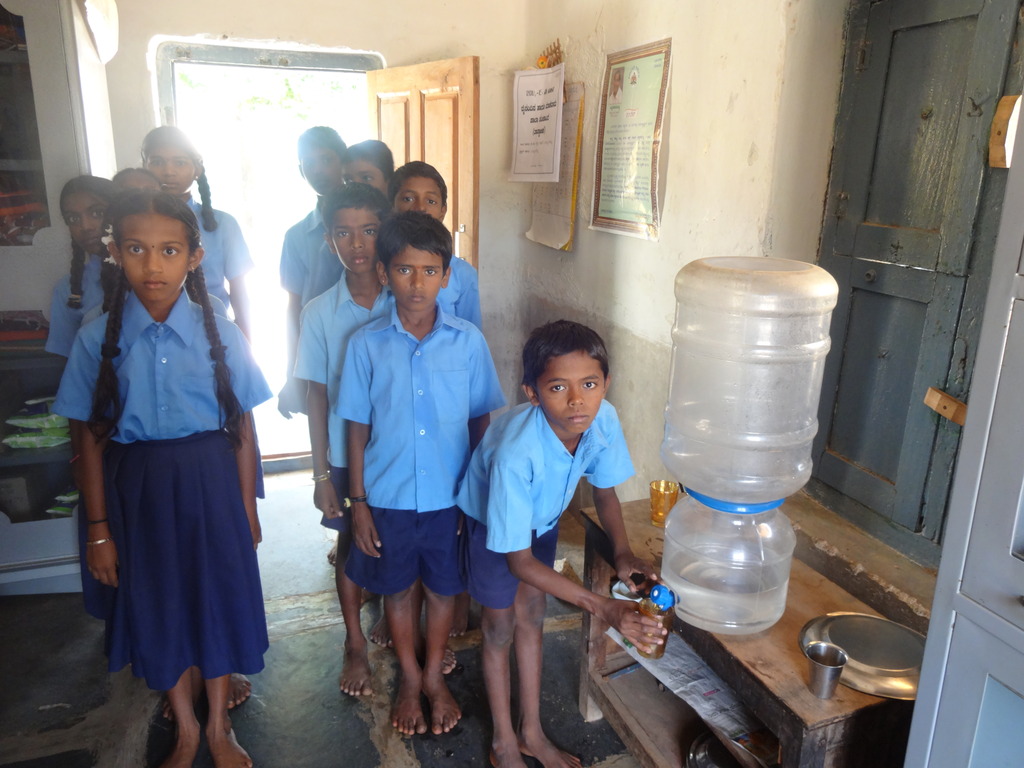
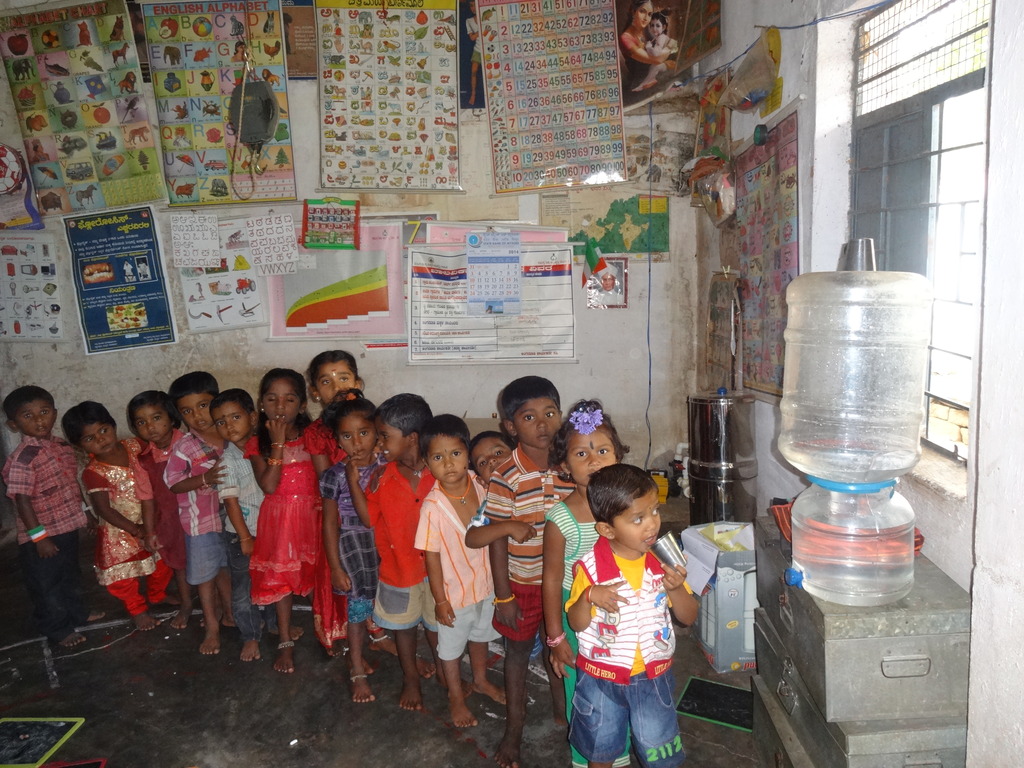
Potable water was also accessed by approx. 400 children from 3 Government run kindergartens and 2 primary schools on an everyday basis in the project area.
V) Awareness Campaigns in Schools and Community
a) Deconstructing myths related to boiled contaminated water
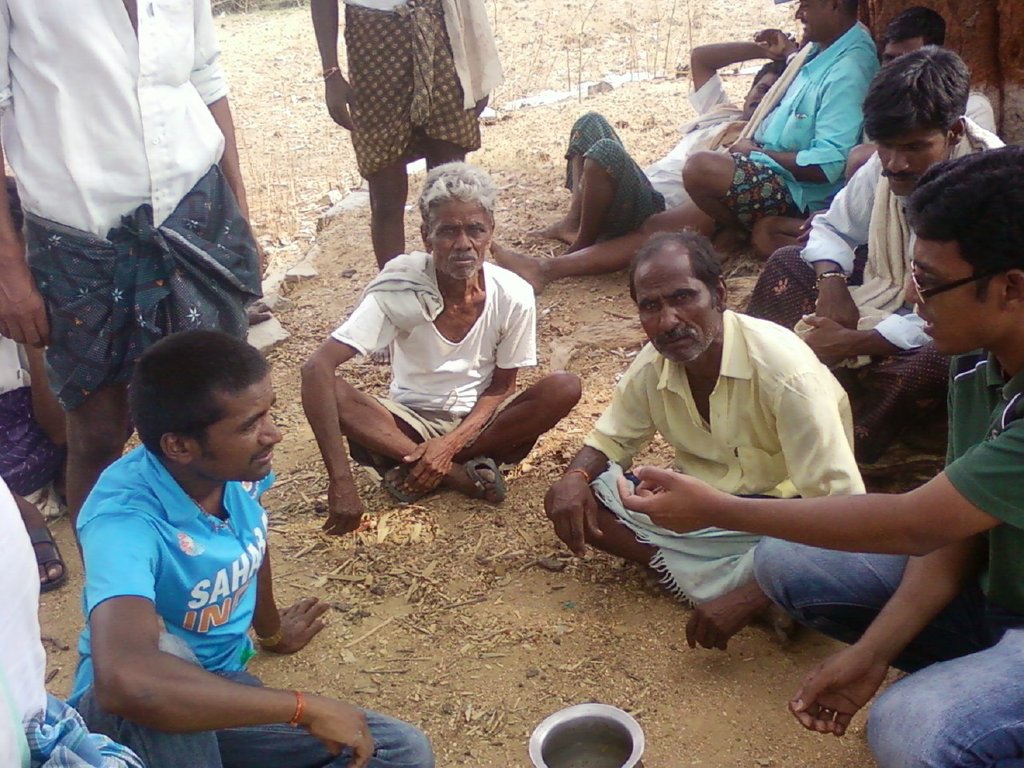
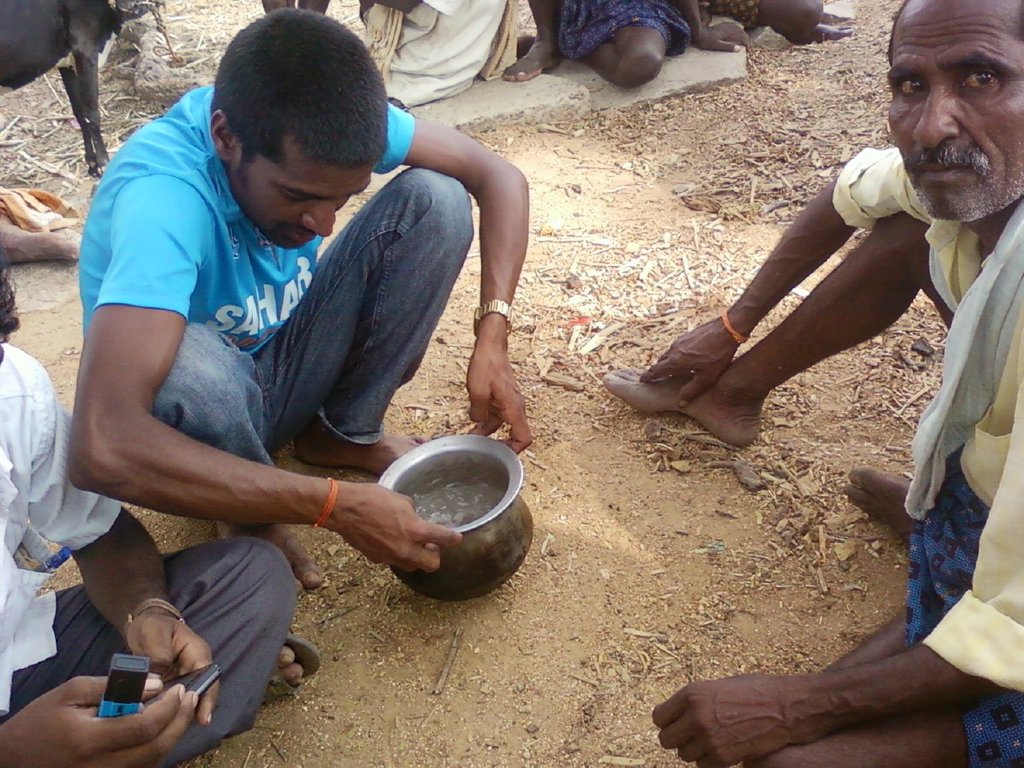
The goal was to showcase that boiling fluoride contaminated water made it more hazardous. During the campaign this was done through demonstrating practical experiments during community meetings, with the help of an instrument called TDS meter. The campaign was quite successful as it aroused discussions amongst community members on the value of potable water and led to many new families getting enrolled for using the purified water services.
b) Creating value for potable water
The goal of this campaign was to make the consumers realize the comparative value of spending their money on purified water over spending it on any other daily goods. For ex: During the community meetings the value of Rs.100 spent on a bottle of liquor, clothes etc. was compared to the value Rs.100 would have if spent on purchasing 10 purified water cans (in terms of increased efficiency of work and reduced medical expenses for the family).
c) Children as ‘Brand Ambassadors’
During last quarter, awareness sessions on benefits of purified water v/s harmful affects of fluoride contaminated water was conducted in schools with the help of local teachers. The teachers were later given responsibility to facilitate discussions on potable water in their daily classes.
VI) Planned Activities for Next Quarter:
a) Forming Self Help Groups
Process for establishment of Self Help Groups (SHGs) in the villages would be undertaken. Once these SHGs form a federation trainings would be undertaken to help them evolve into well capacitated Water Management Committees that would look into the daily maintenance and sustainability of the water plant.
b) School awareness campaigns
Painting competitions on the topic ‘Fluoride free & Life-Saving Water’ would be conducted in various schools. The vision is that children paste these paintings in their homes and on community walls in public spaces. As research shows that children play a vital role in promoting hygiene behaviours in their families and communities, such activities would create sustainable task force equipped with skills and knowledge to become powerful advocates of change.
By Yashika Sukhramani | Project Leader
By Chandrashekhar Gowda | Project Leader
Project reports on GlobalGiving are posted directly to globalgiving.org by Project Leaders as they are completed, generally every 3-4 months. To protect the integrity of these documents, GlobalGiving does not alter them; therefore you may find some language or formatting issues.
If you donate to this project or have donated to this project, you can receive an email when this project posts a report. You can also subscribe for reports without donating.