By Sohail Rathore | Head of Programs
Diarrhea is considered one of the most deadly diseases in the entire world, and also killing several people in Pakistan. Up to 350,000 children die of diarrhea every year before reaching their 5th birthday in five countries, Pakistan being one of them, Unfortunately, Sindh province of Pakistan leads with both the highest number of cases of diarrhea as well as the highest number of deaths of under-five (101 per 1,000) according to a researcher from Aga Khan University Dr Zulfiqar Bhutta. Majority of these cases were reported from the Tharparkar, Mirpurkhas, Hyderabad, Benazirabad and Khairpur Mirs districts of Sindh Province, Pakistan. Residents in the Mirpurkhas are being supplied unfiltered, raw water, causing health problems and extra load that consequently adds to the burden on the provincial health budget.
According to the United Nations, about 2.5 billion people do not have access to adequate sanitation and about 1bn people practice open defecation, which causes diseases.
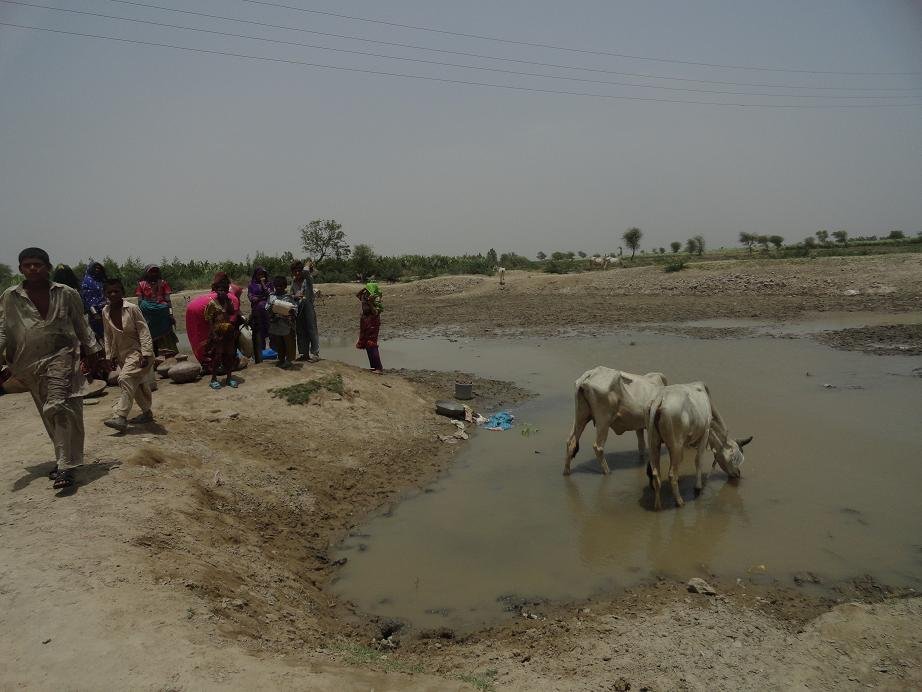
The situation is even worse in the rural areas of the country where 88 percent of the population lacks access to safe drinking water. For safe drinking water preference is given to urban areas whereas rural areas are never the priority of governments. About 66 percent of the population lives in rural areas and around half of it consisted of women; they are the main sufferers in this situation.
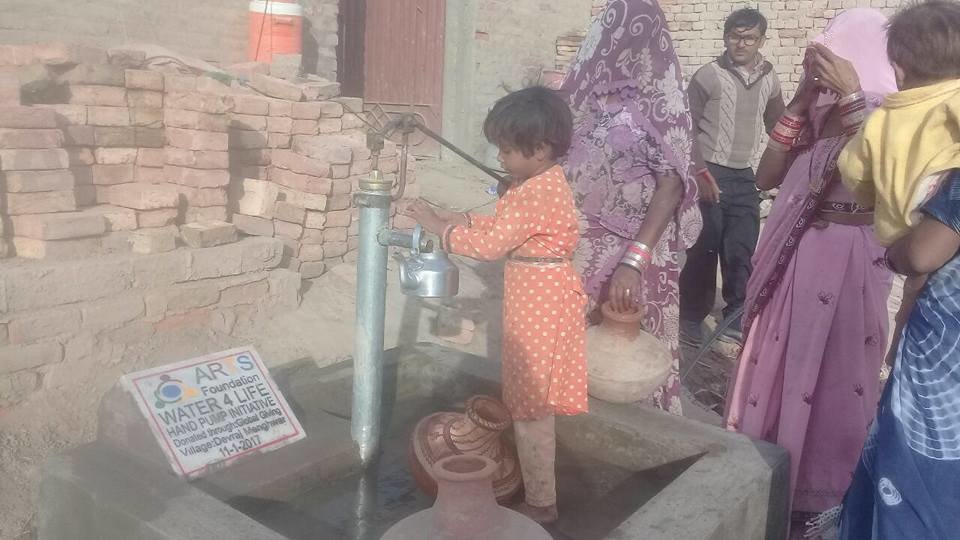
Hand Pump installation at village Dewraj Mal, district Mirpurkhas, Pakistan
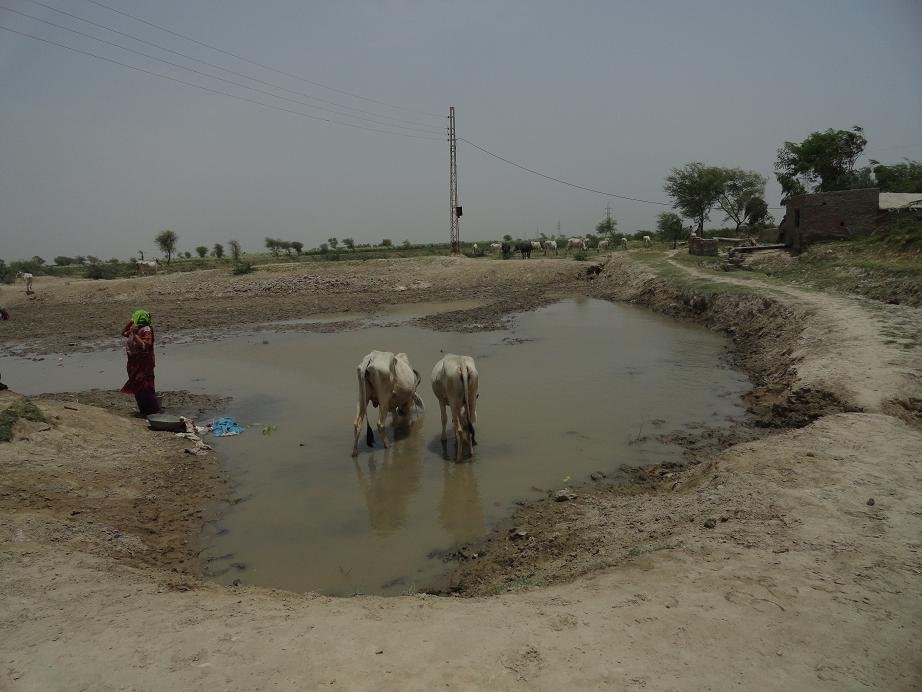
Village Dewraj Mal is situated near Leghari Pump, Mirpurkhas district. At the time of hand pump installation village have 50 household and 250 populations. Women have to walk 1km to fetch one pot of water from a hand pump or have to collect the unsafe water supply at their village. They need minimum 5-6 pots of water daily for drinking and cooking purpose. Village Dewraj Mal community contacted our field team and reported the safe and clean drinking water problem in detail. Then the ARTS Foundation team decided to install a hand pump in Village Dewaraj Mal based on the need assessment and request from the community. The community agreed to look after and maintain the hand pump.
Outcome:
To assess the outcome of the hand pump installation activity, ARTS Foundation team had a discussion with the community and their responses are;
Karmi W/O Gulab: "Earlier I had to walk one kilometer just to fetch one pot of clean water. It takes one hour to bring back one pot of water and we also had to wait in lines on the hand pump of nearby village. Now the condition is changed, safe and clean water is available near my home which is benefiting family and cattle’s also".
Geeta D/O Mohan Mal: "In the summer I had to walk and fetch water in scorching heat from one kilometer away. We used to take bath once in every 3-4 day. Now my 8 family members and 4 goats are getting benefit from the hand pump installed in our village. I can fetch water any time I want".
Conclusion:
The above said statements of beneficiaries are indicating use of hand pump and the change came in their life due to installation of one hand pump in their village. 60 households are 254 people and around 100 cattle are getting benefit from the hand pump.
Links:
Project reports on GlobalGiving are posted directly to globalgiving.org by Project Leaders as they are completed, generally every 3-4 months. To protect the integrity of these documents, GlobalGiving does not alter them; therefore you may find some language or formatting issues.
If you donate to this project or have donated to this project, you can receive an email when this project posts a report. You can also subscribe for reports without donating.