By Sue Boucher | Project Leader
Dear friends
Every culture has its own belief systems, practices and ways of celebrating important life events. And every culture has its own taboos - things you can talk about and things you should not. We are respectful or our differences and celebrate the strength to be found in our diversity.
However, across almost every culture where ICPCN has membership, one taboo consistently arises. The taboo of talking to children about death. In some cultures, this is a very definite 'no, no' and in others it is just assumed or thought that it should not be done. For most of us it is something to avoid at all costs because we want to protect our children and it is simply too difficult a conversation to have.
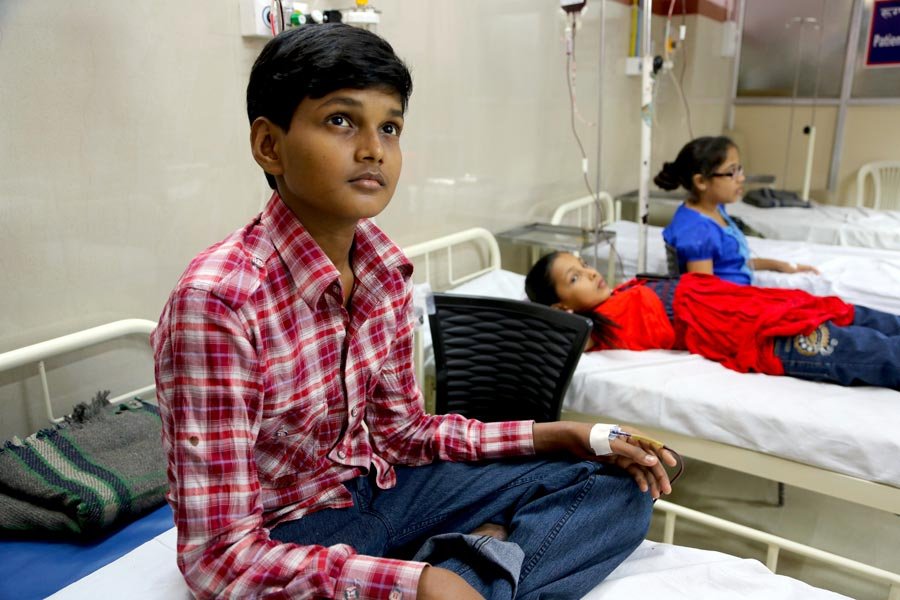
So what do we say to children who have a life-threatening or life-limiting illness from which they are likely to die? Should we pretend that everything is fine when most children know that everything is not fine? What do we say to children who have a parent with a life-threatening or life-limiting illness? Should they be told the truth or 'protected' by the adults around them who pretend that all will be well?
The team at ICPCN has recently been involved in a seminal research project with a team from Oxford University on developing guidelines for health care practitioners to encourage holding honest conversations with children about their own illness or the illness of a parent. Conversations that do not avoid talking about the possiblilty of death and addressing the fears and concerns they may have been holding on to so as not to upset others.
We recognise how important it is to talk to children of all ages about these difficult topics in a way that is honest yet thoughtful and compassionate and will make them feel supported, despite their distress. The end result of this consultative process will be a set of guidelines for health care practitioners who work in low and middle income countries on how best to communicate with children in these situations.
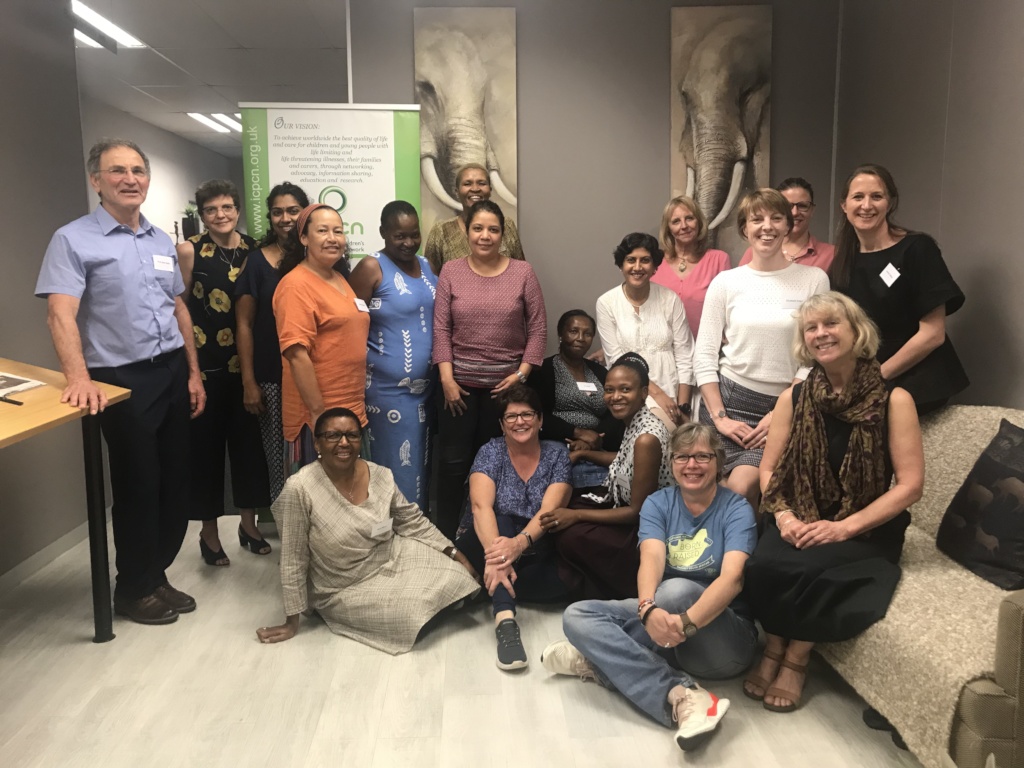
ICPCN is proud to be associated with this project and we look forward to sharing the guidelines with our members and disseminating them through our network. A two-day focus group workshop with the researchers from Oxford, the ICPCN team and key stakeholders was recently held in Durban, South Africa, where ICPCN is based.
We also have exciting plans to increase awareness on the importance of recognising, assessing and effectively treating acute and chronic pain in children. Far too many children are living and dying in agony because their pain goes unrecognised and unmanaged, particularly in developing countries. The need to address this is urgent.
We hope you agree with us that ICPCN's work is crucially important in advocating for children's palliative care, advancing research in the field, providing education, networking and disseminating important information on supporting children with hospice and palliative care needs.
We are the only global organisation that provides free e-learning courses on children's palliative care in multiple languages and we are recognised as a global leader in the field. Despite this, we are finding it more and more difficult to access funds to continue our work and are humbly asking once again for your support.
A small monthly donation of as little as $8 - $10 or a once off donation of any amount to support our work would be so gratefully received. If you also believe in the value of our work and are able to donate, please click on the DONATE link on our project page and follow the prompts provided.
Project reports on GlobalGiving are posted directly to globalgiving.org by Project Leaders as they are completed, generally every 3-4 months. To protect the integrity of these documents, GlobalGiving does not alter them; therefore you may find some language or formatting issues.
If you donate to this project or have donated to this project, you can receive an email when this project posts a report. You can also subscribe for reports without donating.