Project Report
| Mar 10, 2016
500 Earthquake Victims in Safe Homes
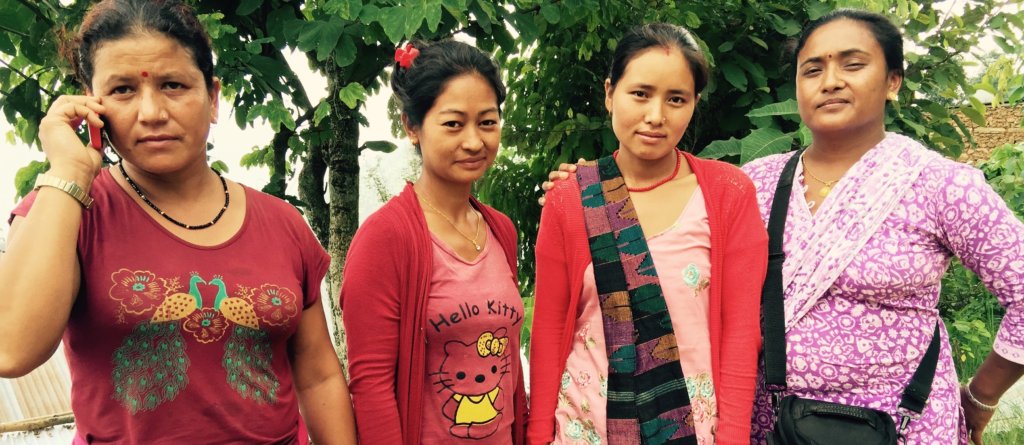
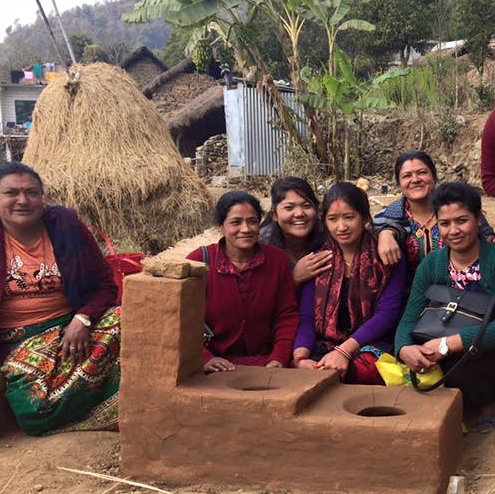
![Women's rebuilding committee, Gaura is on the left]()
Women's rebuilding committee, Gaura is on the left
Over 100 Vulnerable Families in Safe Homes
Dear Friends, Namaste,
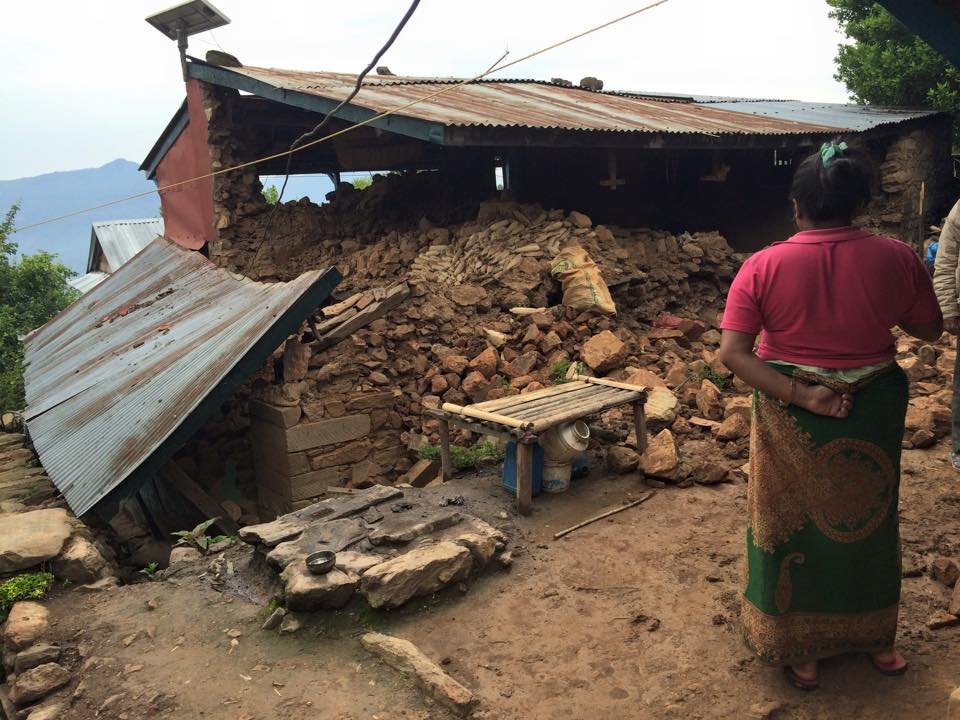
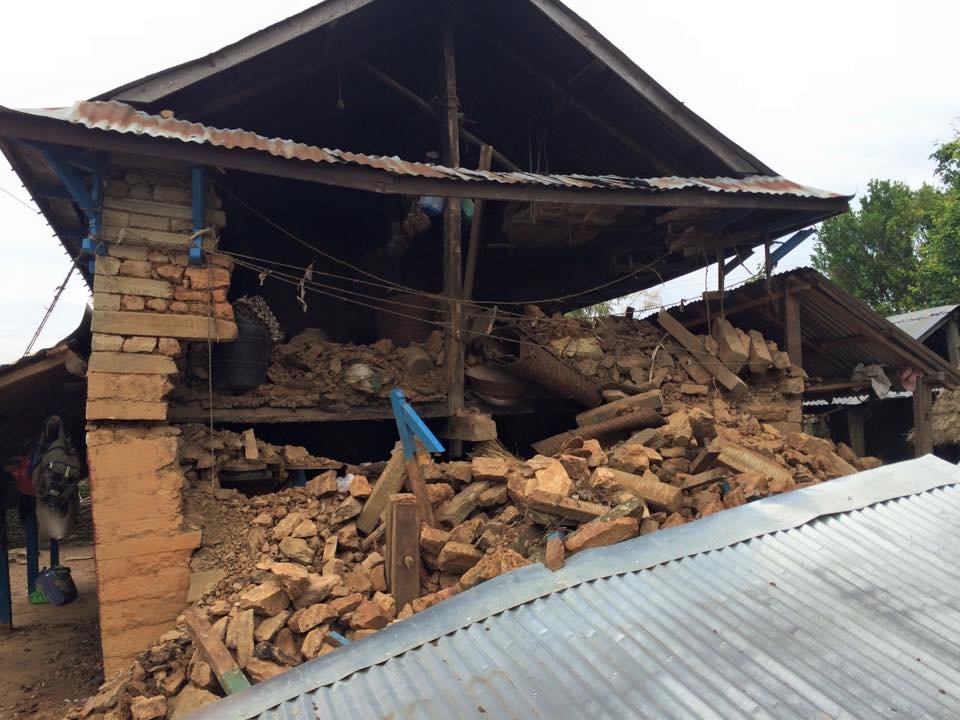
We are much encouraged by our earthquake rehabilitation work: in the last few months, your generosity has enabled our Nepali team to give lasting comfort to hundreds of marginalized villagers in the hard-hit Gorkha district. Emergency aid in the first weeks after the earthquake included blankets, food, tarps and solar lanterns for 750 families in 10 villages. But more was needed to rebuild their shattered lives. Your support has made it possible for us to complete home construction in additional villages. In Bakreswori, Thulogaon and Kot Gaon we built:
- 107 small, safe homes, plus
- 80 sanitary facilities, including latrines and WASH Stations
--helping 500 poor villagers put their lives back together.
At the same time, 45 marginalized families in the village of Fujel are receiving technical help and zinc roofing to build safe homes for themselves. An additional 80 families are getting new concrete WASH stations.
Smoke Free Stoves
As part of the same project, our team has just finished a training program for 12 local women who have learned to build smoke-free adobe stoves. These women are fanning out over South Gorkha to construct stoves for 250 families. This means less air pollution, improved respiratory health and more efficient use of wood.
Difficult Working Conditions
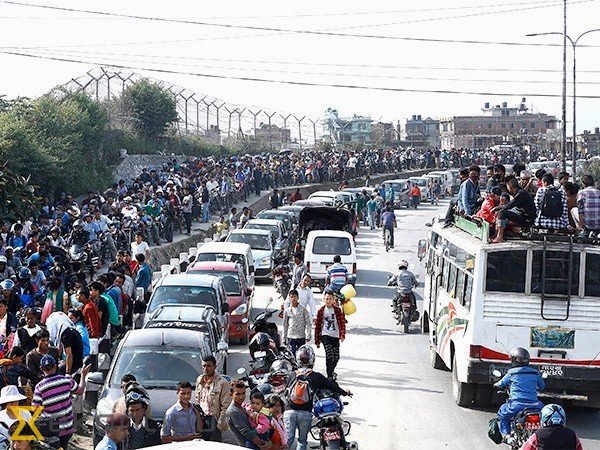
Working in dysfunctional, post-earthquake Nepal--and with modest resources-- takes uncommon patience, dedication and smarts. Under the most difficult circumstances, Gaura and Tejendra, our rebuilding team, have contended with political upheaval, roadblocks and government paralysis, navigated a 5-month long fuel blockade, and dealt with severely rationed electricity supply during the coldest winter on record. We are extremely proud of their achievements.
Inequality in Access to Aid
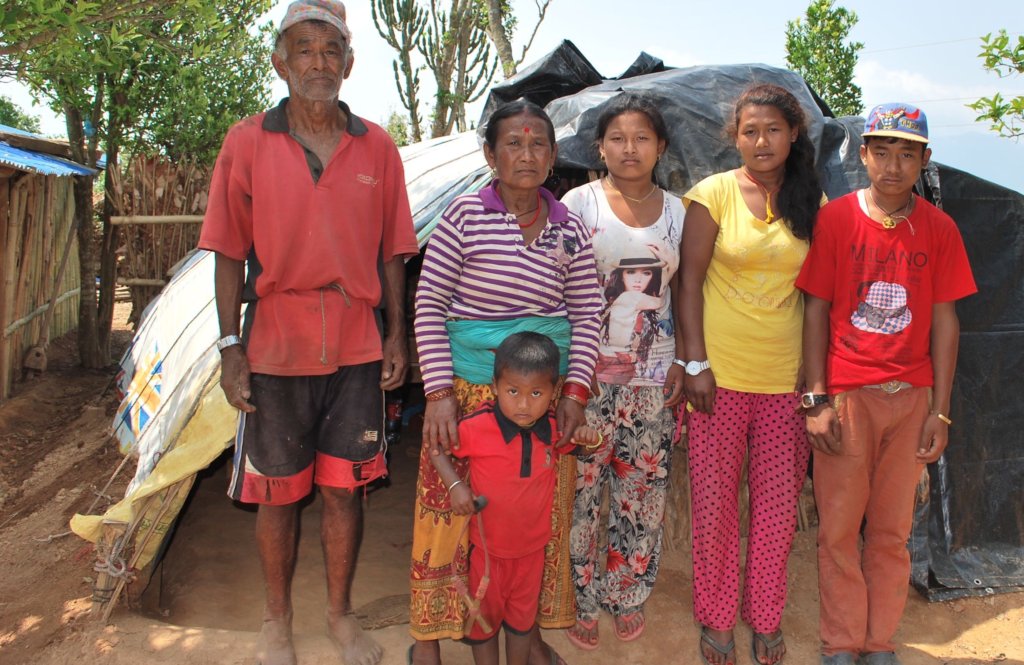
Our team in Nepal is not just meeting immediate and basic needs, but are engaged in broader justice and advocacy issues to indirectly benefit as many victims as possible. In remote rural communities, 10 months after the earthquake some villagers are beginning to recover. But many of the most vulnerable--women, children, Dalits and ethnic minorities--are still huddled under tarps, hungry and sick. Tejendra and Gaura wanted to learn how to best help the most needy victims regardless of their caste, gender and political connections.
The Study
In cooperation with EDWON and Kathmandu-based Samata Foundation, they conducted a small quantitative study in three of the hardest hit rural districts: Dolakha, Gorkha and Sindhupalchowk. The team of 8 interviewed individual victims, collected case studies and organized focus groups.
Gaura and Tejendra organized a national level workshop to share their findings with 140 representatives from government and non-government agencies, the press and the human rights community to focus attention on this serious humanitarian issue.
The Findings
The study confirmed that the earthquake response had followed a familiar pattern of caste-and gender-based discrimination: the current aid distribution system favors the already privileged, those with access to information, to the local power structure and other resources. The poor, women, and Dalits were left behind.
The team found that government red tape often prevented access to reparations for those who needed it the most. The poor and the marginalized lacked the documentation such as birth certificates, land titles and proof of citizenship required to apply for government aid.
The very same vulnerable population is also often shortchanged by international aid organizations, whose supply-focused "blanket approach" to assistance fails to target the ones who need it the most. Also, INGOs, if they reach the remote communities at all, commonly operate through the local power structure that is already excluding the worst-off.
Addressing the Situation
Our rebuilding team is designing a project to address some of these inequities. The plan to inform marginalized villagers in remote, hard hit areas how best to access reparations from government and aid from NGOs through public radio announcements and public hearings.
We are proud to continue to sponsor this important humanitarian work, and will keep you updated on its progress. We thank you for your generous support that makes this possible.
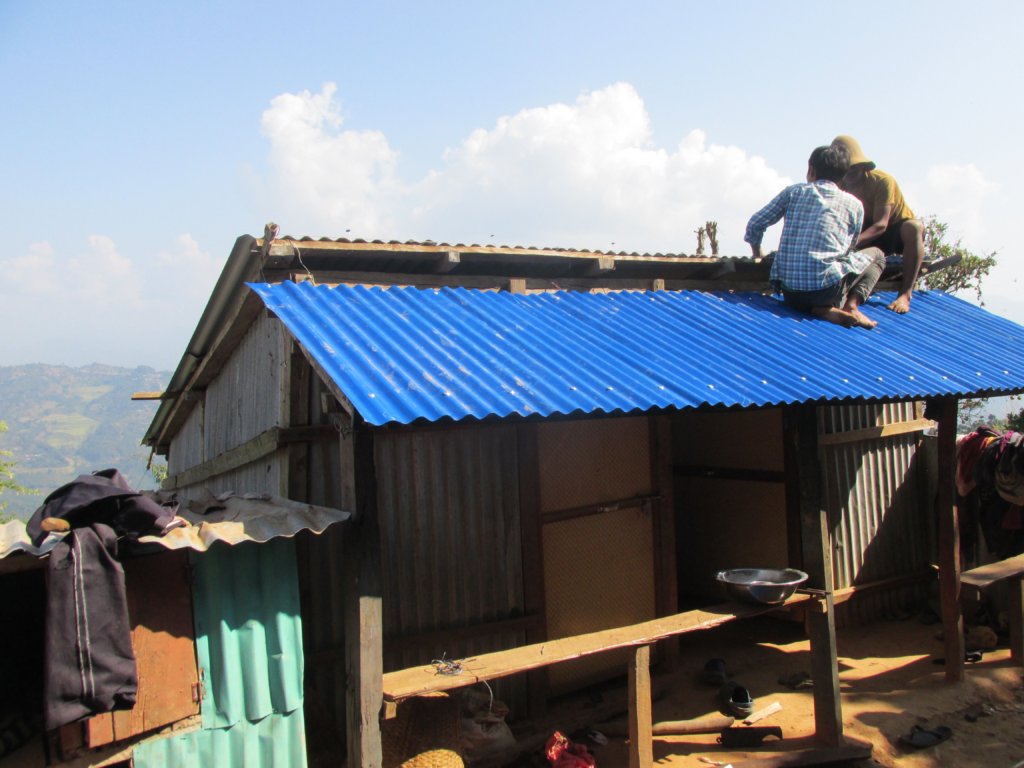
![Rebuilt home with a new zinc roof]()
Rebuilt home with a new zinc roof
![Trainers and trainees with new adobe stove]()
Trainers and trainees with new adobe stove
![Fuel lines in Kathmandu, photo from Kathmandu Post]()
Fuel lines in Kathmandu, photo from Kathmandu Post
![They lost everything. Will they get reparations?]()
They lost everything. Will they get reparations?
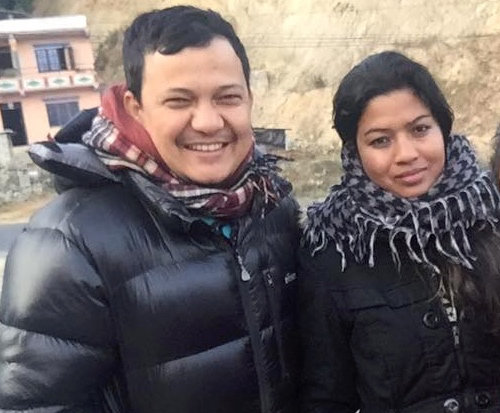
![Tejendra and co-worker, Seema]()
Tejendra and co-worker, Seema
Links:
![Share on Twitter]()
![Share on Facebook]()