By Amina Evangelista Swanepoel | Project Leader
Dear Supporters,
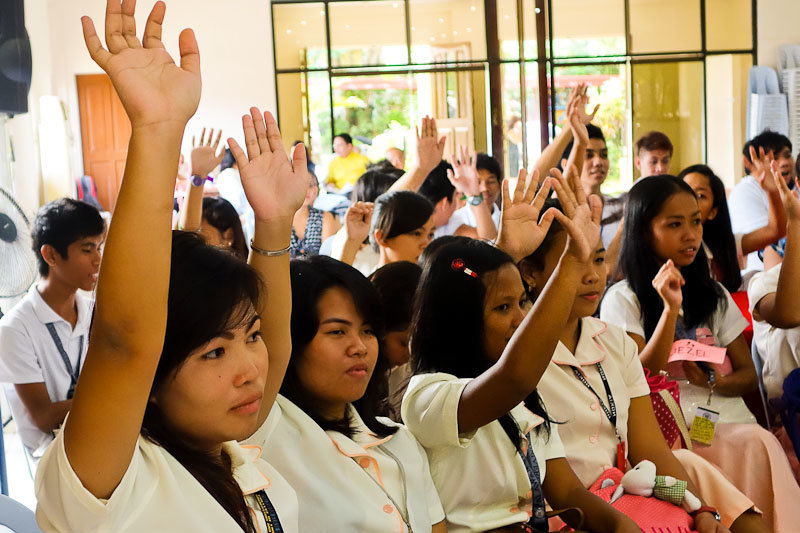
Over the past few months we’ve been busy. Usually this level of hectic is reserved for the last month of the year only, but 2023 has zero chill. Apart from our regular programming we’ve been traveling down some less traveled paths and enjoying success doing so.
Onward in the fight against HIV
In the past three years HIV has become an even bigger threat to the lives of young people in the Philippines. The average new HIV cases rose to 41 per day in 2022 from 34 in 2021 for the country. In Palawan, HIV cases have increased by 25% annually since 2018. This is why we are bolstering our efforts by finding creative ways to fight HIV in Palawan.
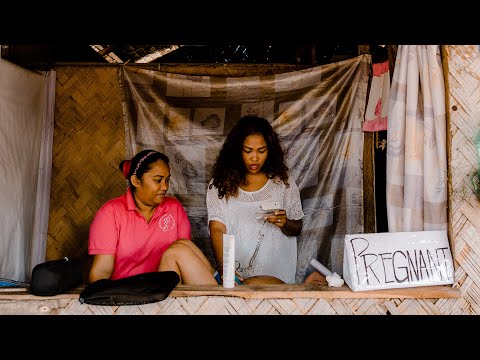
A recent survey showed that young people who start having sex around 15 on average, only start using condoms at 17 and only get their first HIV test at 18. This data proves the need for our three-pronged approach: increase HIV knowledge, make condoms available, and get people tested.
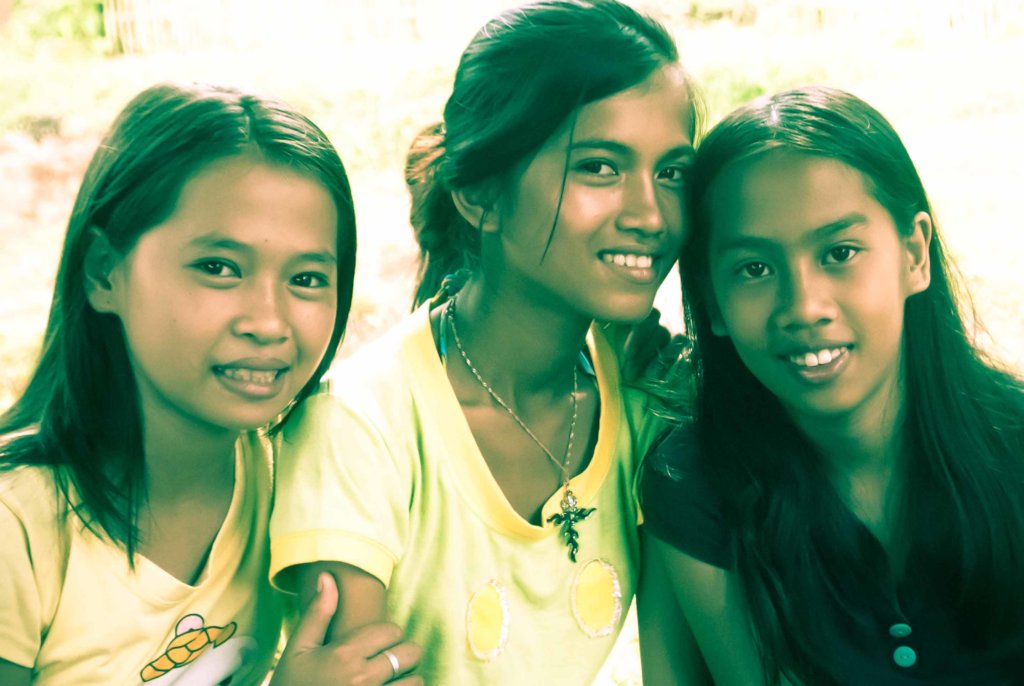
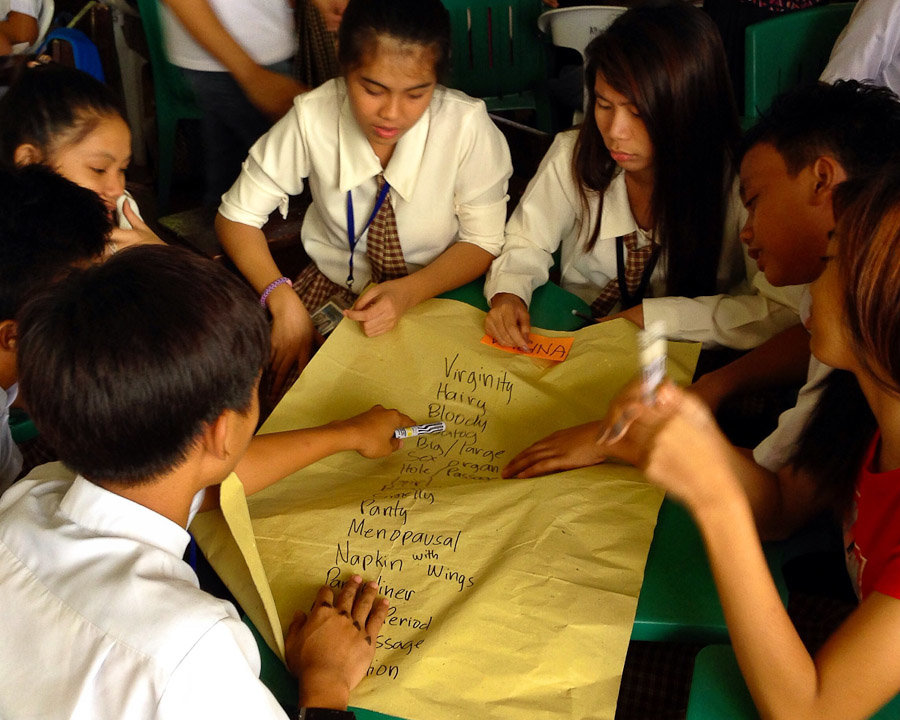
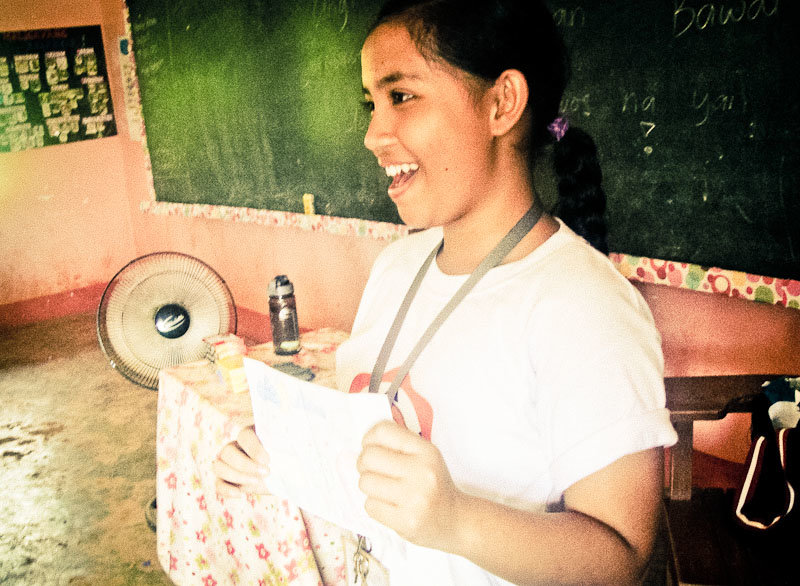
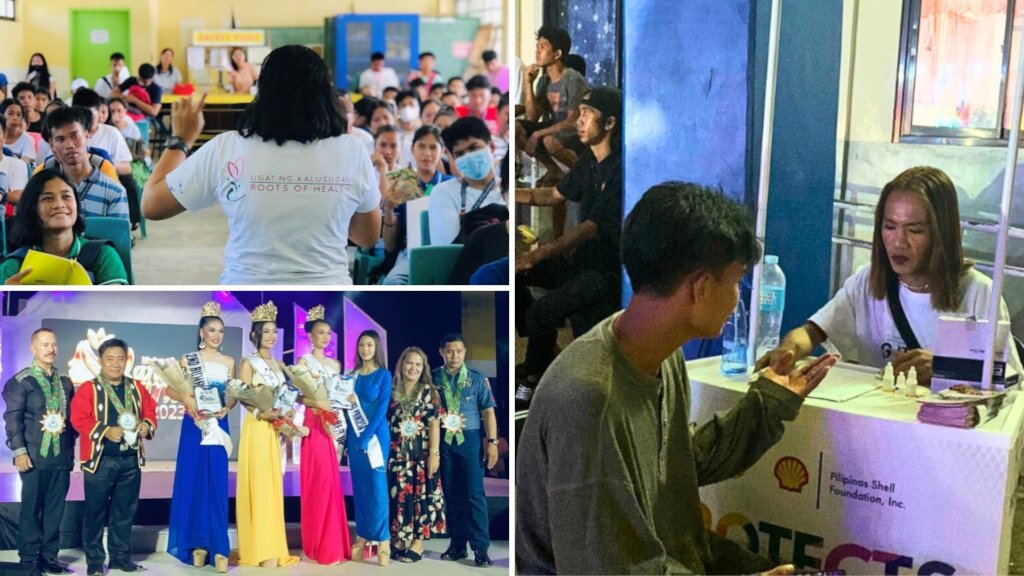
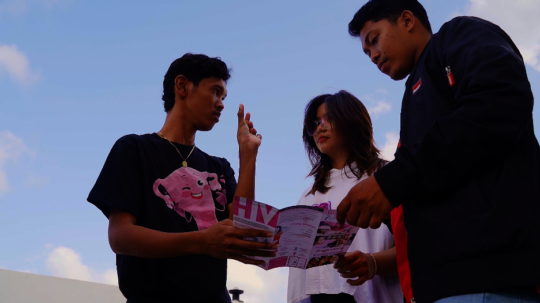
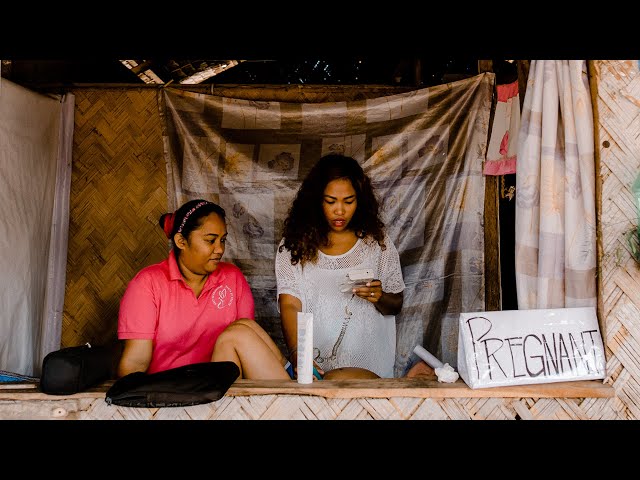
Over the past two months we partnered with local youth councils in organizing a series of HIV screening and educational sessions across various events, including beauty pageants which are very popular locally. We successfully reached 300 young people in five villages with life-saving information and services during pre-pageant and concurrent community activities. So far in 2023, we have found 21 HIV positive individuals. In 2022 we found 16. To put these numbers in perspective, Puerto Princesa has around 100 new HIV cases per year.
While we don’t want to see higher numbers of HIV cases, we do want to make sure that young people can get the medications they need so that they can live productive lives and not inadvertently pass on the virus to others. So as soon as test results come in, we link HIV positive individuals to public health care facilities that can provide antiretroviral therapy.
Incarcerated people need reproductive health services too!
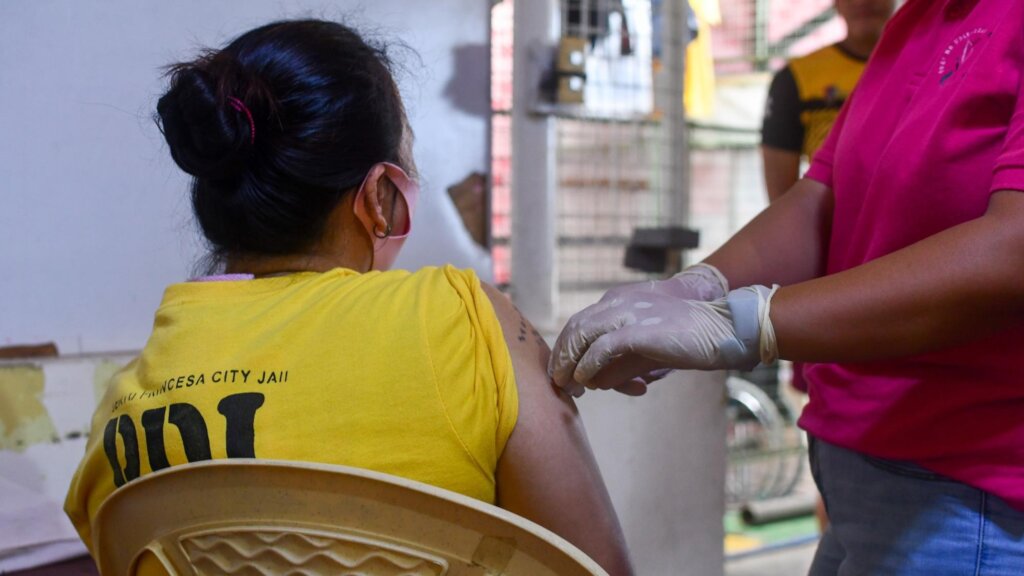
You might not think that incarcerated people need reproductive health services, but they do! Although they are away from spouses or sexual partners, the government encourages conjugal visits so incarcerated people can maintain their connection with their partners because this has proven to increase their chance of success when reintegrating into society. This is why it is important that all these women are able to control their fertility despite being in jail because you can imagine how much of an extra burden a baby would be on a person living in jail.
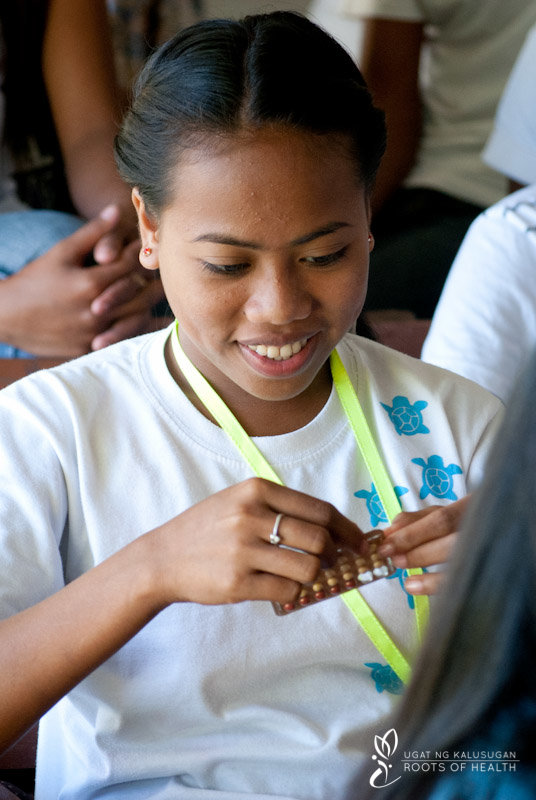
To make sure this doesn’t happen, we recently conducted a family planning and reproductive health session at the municipal jail of Puerto Princesa with 40 individuals. We’re glad that many availed of our contraceptive services, such as the injectable DMPA and contraceptive pills, during this session. The women also underwent group therapy and counseling. This is a continuing initiative in partnership with the local government.
Data-driven health interventions
As we all know, data is critical to making informed decisions. And the stakes are even higher for mayors working with tight budgets. One of the challenges these mayors face is having staff who can use the data tools available to them. As soon as we realized this was a widespread problem, we coordinated with the provincial and regional health offices to remedy the situation.
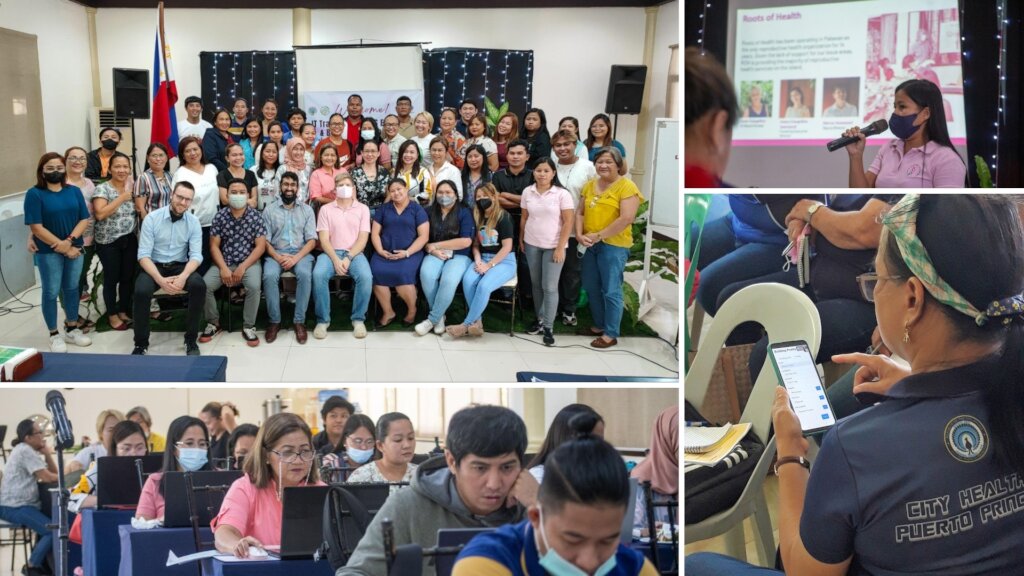
We facilitated 39 health workers from almost every municipality in Palawan to be trained to use the Department of Health’s Field Health Services Information System. This is a national system which records the coverage and performance of public health service delivery and helps local and national governments to better determine health priorities. The participants were so happy that we had brought in experts to help them with technical and technological issues they were having a hard time with.
We’re excited to continue motivating local governments in Palawan to be more data-driven and therefore more responsive to people’s needs.
Your generosity and consistent backing allows us to persist in advancing the health rights of Filipino families and individuals. Our wholehearted thanks to you!
Links:
Project reports on GlobalGiving are posted directly to globalgiving.org by Project Leaders as they are completed, generally every 3-4 months. To protect the integrity of these documents, GlobalGiving does not alter them; therefore you may find some language or formatting issues.
If you donate to this project or have donated to this project, you can receive an email when this project posts a report. You can also subscribe for reports without donating.