By Amina Evangelista Swanepoel | Project Leader
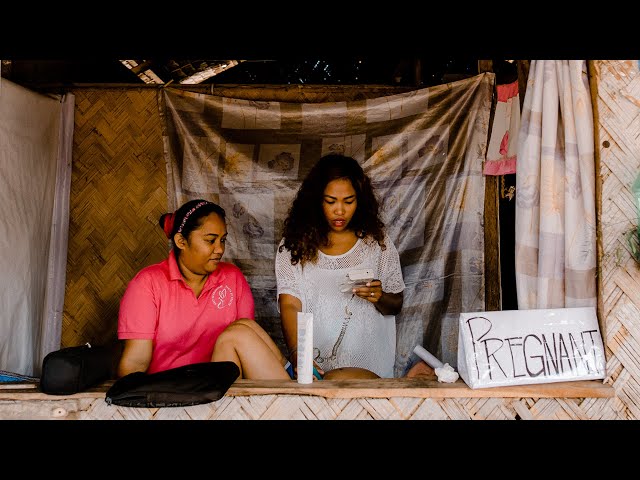
It is hard to believe how much has changed since my last update in February. Like the rest of the world, the Philippines has been hit by COVID-19, and our country has been on various forms of lockdown and quarantine since March 15. It has been a very challenging time but we are pleased to report that we have been able to continue providing essential reproductive health services with very minimal interruptions.
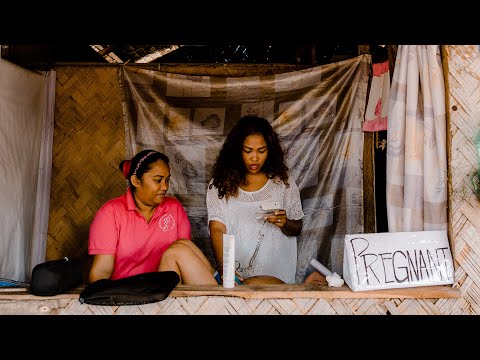
When our part of the country was put on “Enhanced Community Quarantine” or ECQ, we initially had to shut down our clinics, and cancel all of our planned teaching sessions, trainings and seminars. The demand for reproductive health information didn’t diminish, so we connected with the public through our Facebook (FB) page and hotline numbers. Our team also conducted FB live sessions to answer women’s questions about reproductvie health.
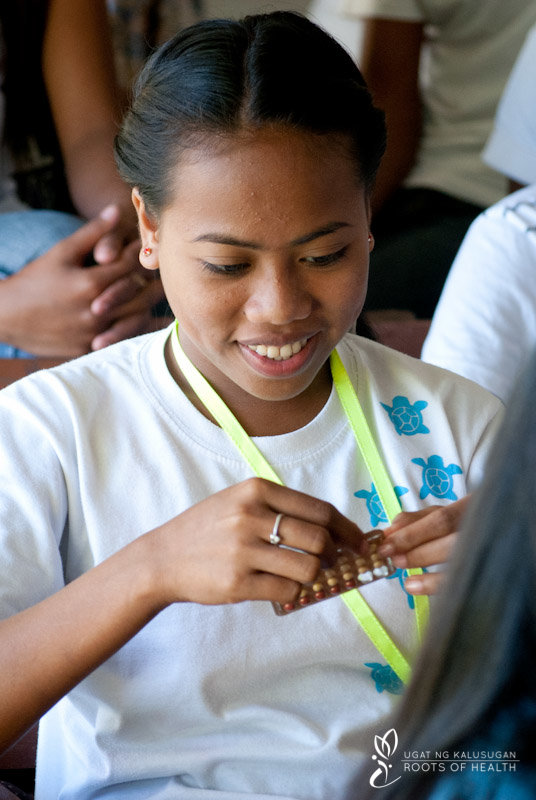
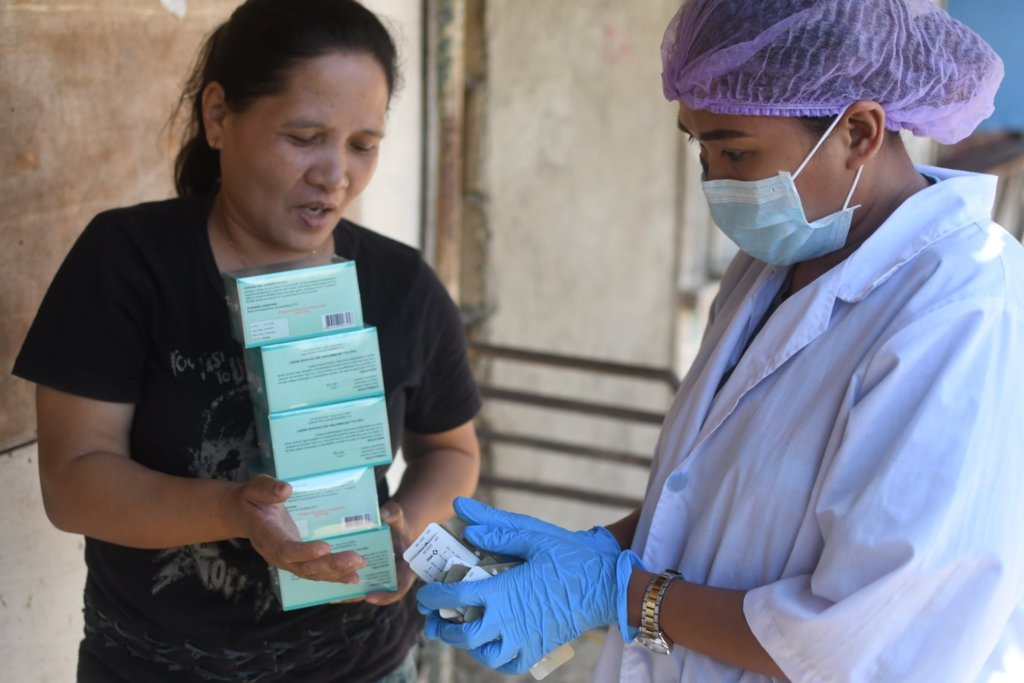
Within two weeks, government health centers reported to us that they needed contraceptives because they were running out of stocks. So we began distributing pills to the health centers that needed them for women and girls anxious to avoid unplanned pregnancies.
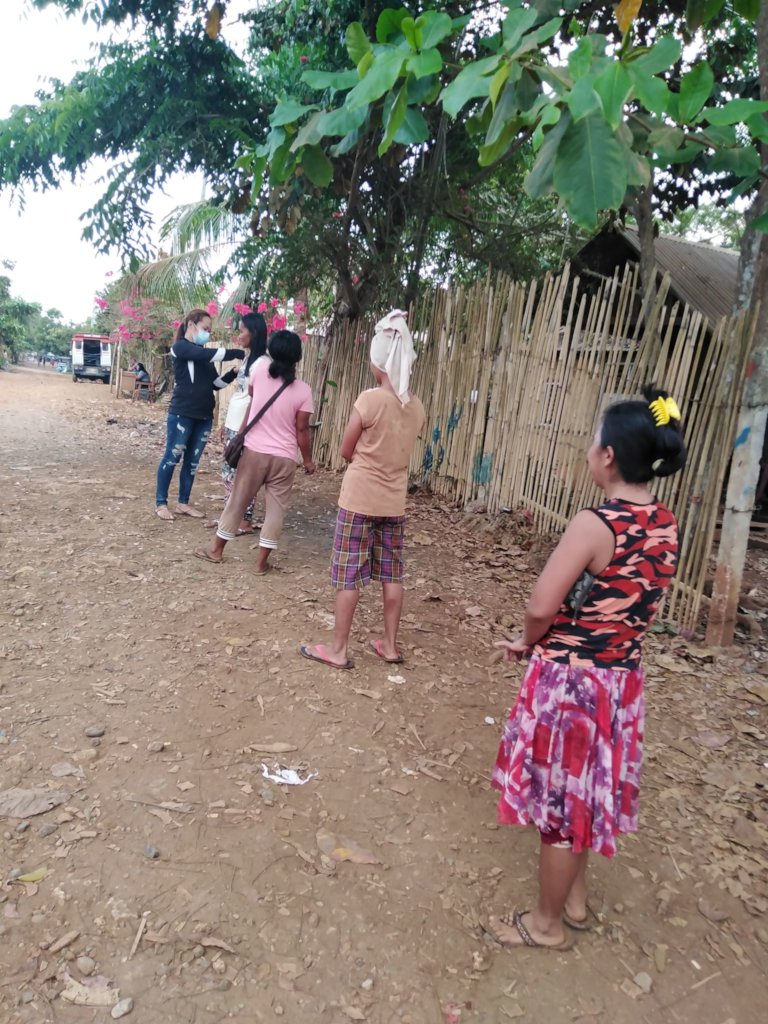
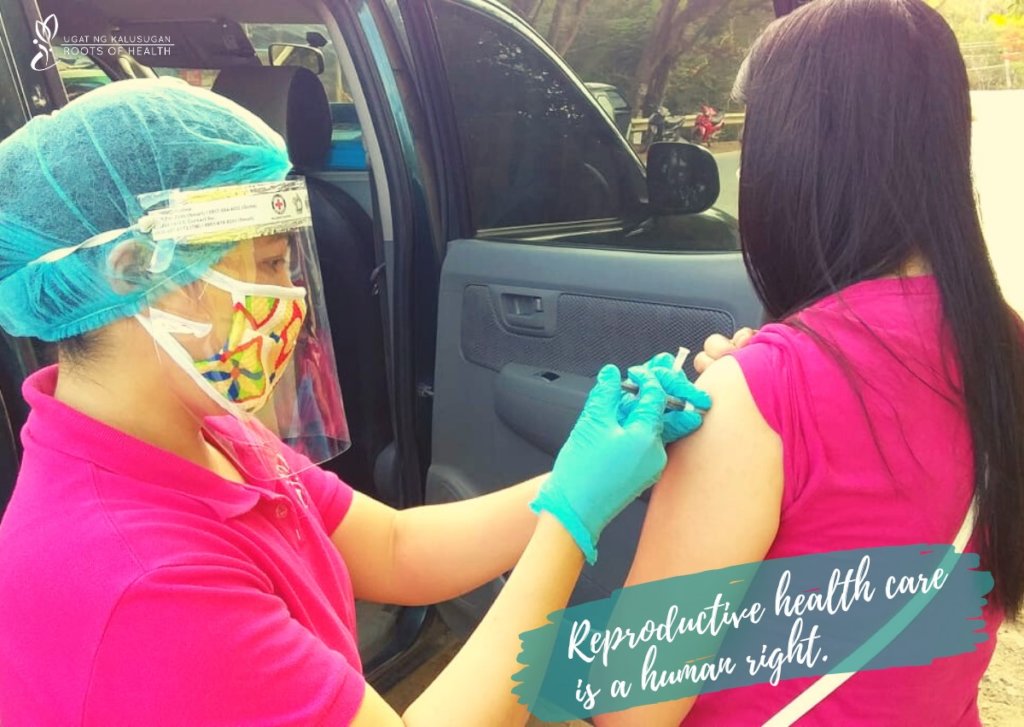
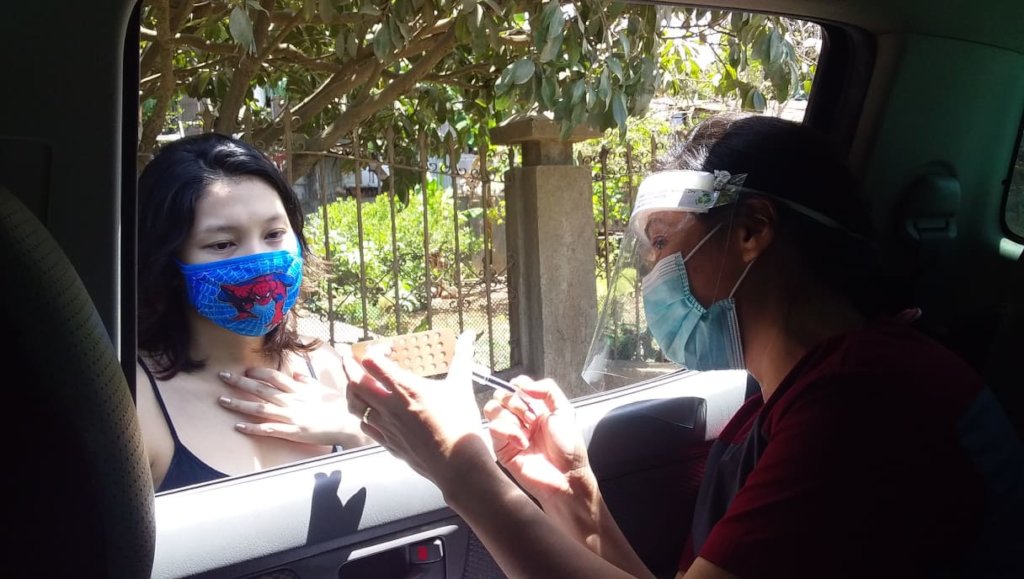
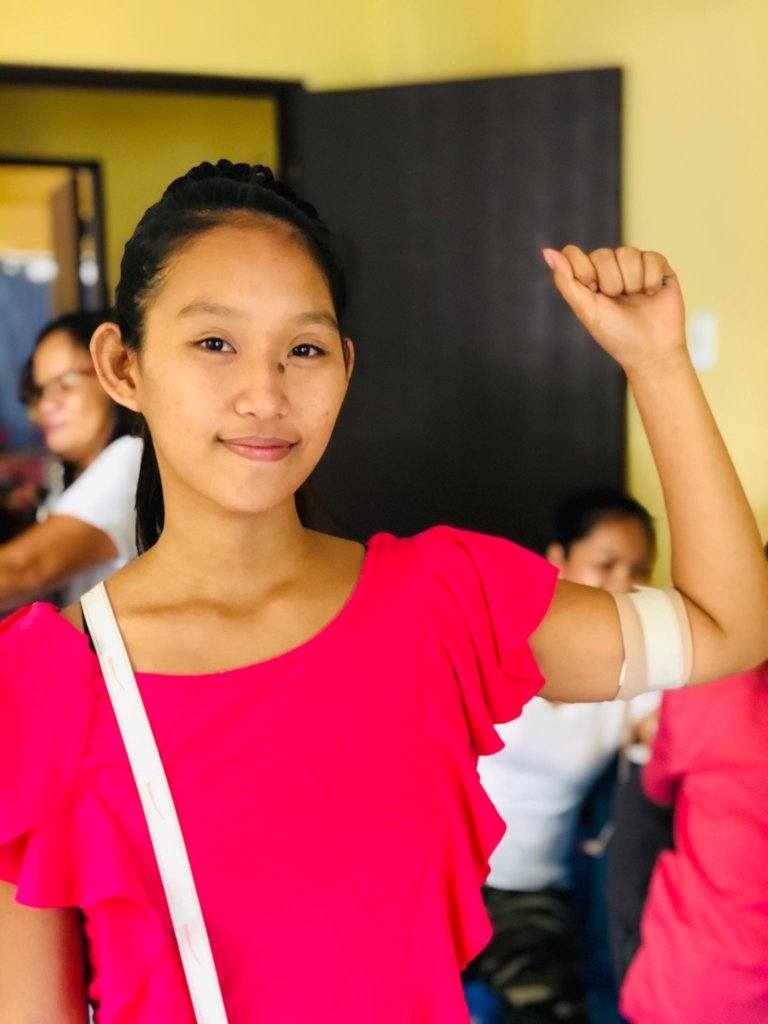
Soon after that, one government midwife called our midwife to say there was a group of women who needed their depo or DMPA injections (DMPA prevents pregnancy for 3 months) but the health center didn’t have the capacity to provide the service, and the women were refusing to switch to pills. Our government counterpart asked us to help, so our midwife went to their community and provided them the services they wanted. That was when we started providing community-based services, often house to house, to reduce the risk of COVID transmission as we helped women and girls to avoid unplanned pregnancies.
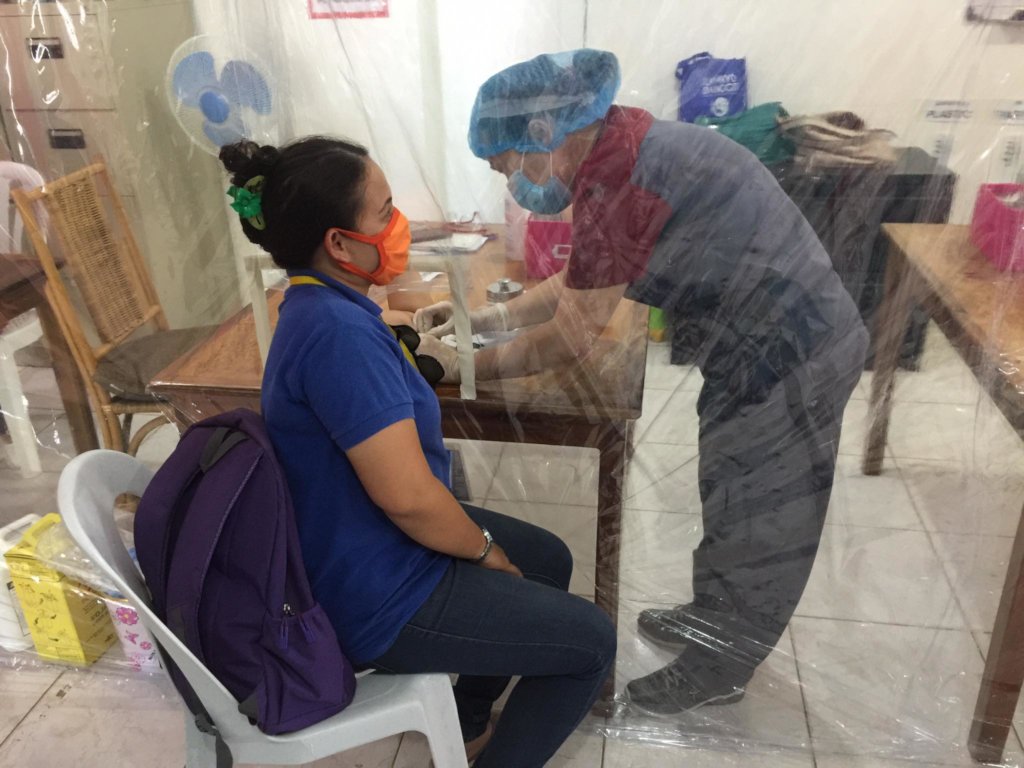
Since May, our province has removed restrictions that were in place during ECQ and we’ve slowly moved back to a “new normal”. A few weeks ago we reopened our clinics with new safety precautions, including limiting the number of clients per day and requiring appointments so there are no crowds congregating. We also use foot baths, sneeze guards, and our clinical team use personal protective equipment and disinfect each consultation space before and after each client uses it.
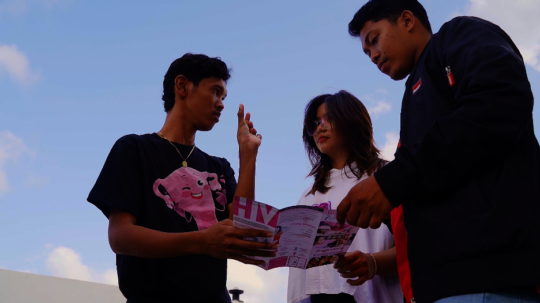
I want to highlight a specific concern we have for young people’s reproductive healthcare. Even now that most of our restrictions have been eased, young people under 21 are still not given quarantine passes and their movements continue to be restricted. It is less likely for young people to have their own vehicles so if and when they do go out, they must rely on public transportation, which is now reduced and more expensive. We anticipate that we will likely be in and out of quarantine periods for the next year or two, or until a vaccine is discovered, and expect that young people’s movements may continue to be limited. This places them at higher risk for unplanned pregnancies, so we have committed to continuing to provide home-based and community-based care for the young people who contact our clinic for services.
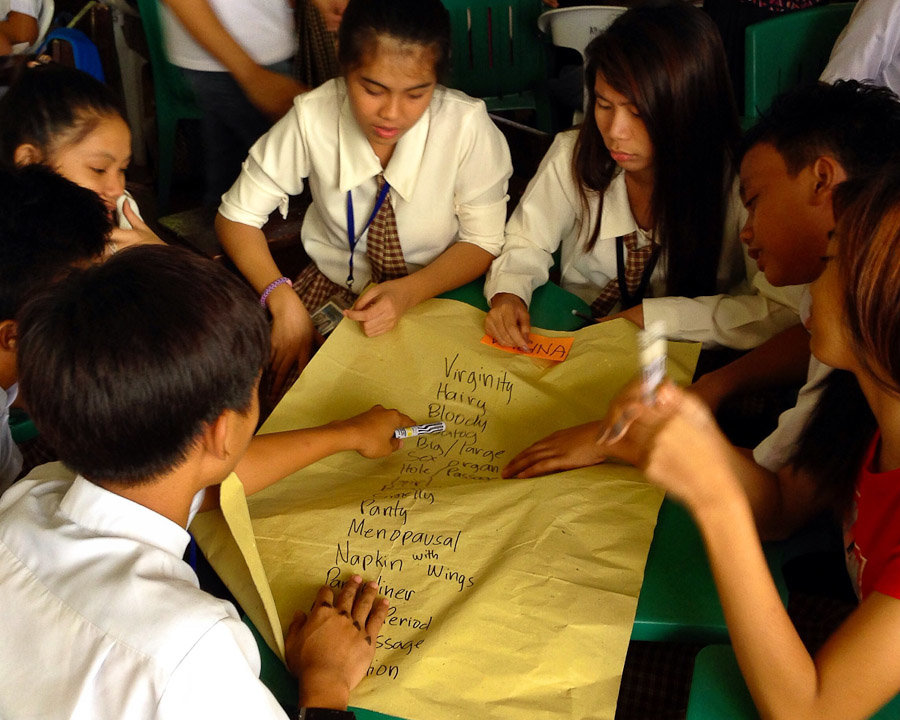
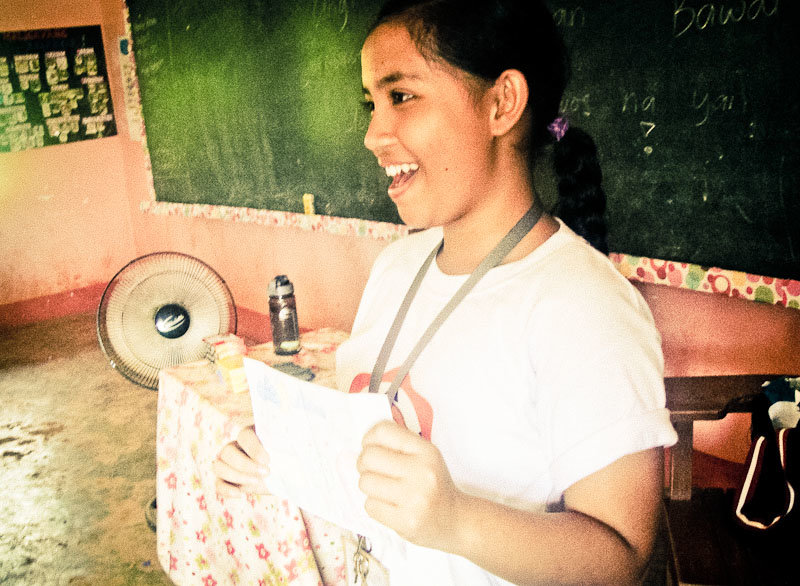
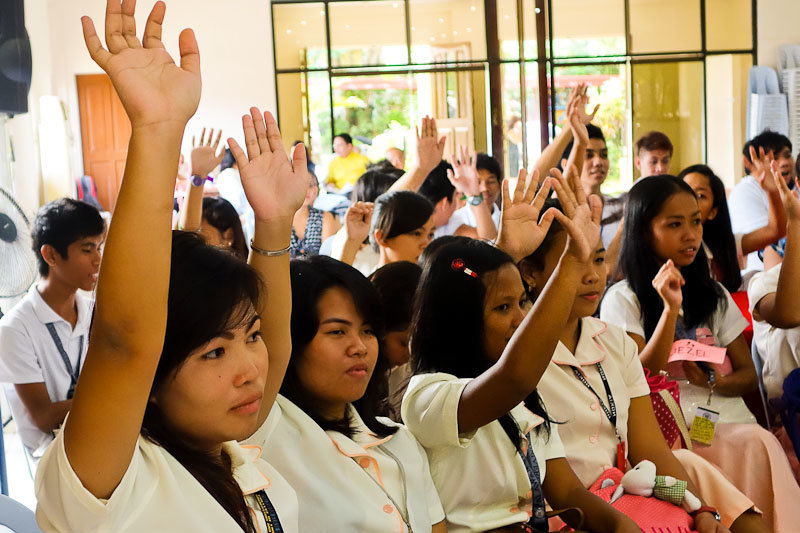
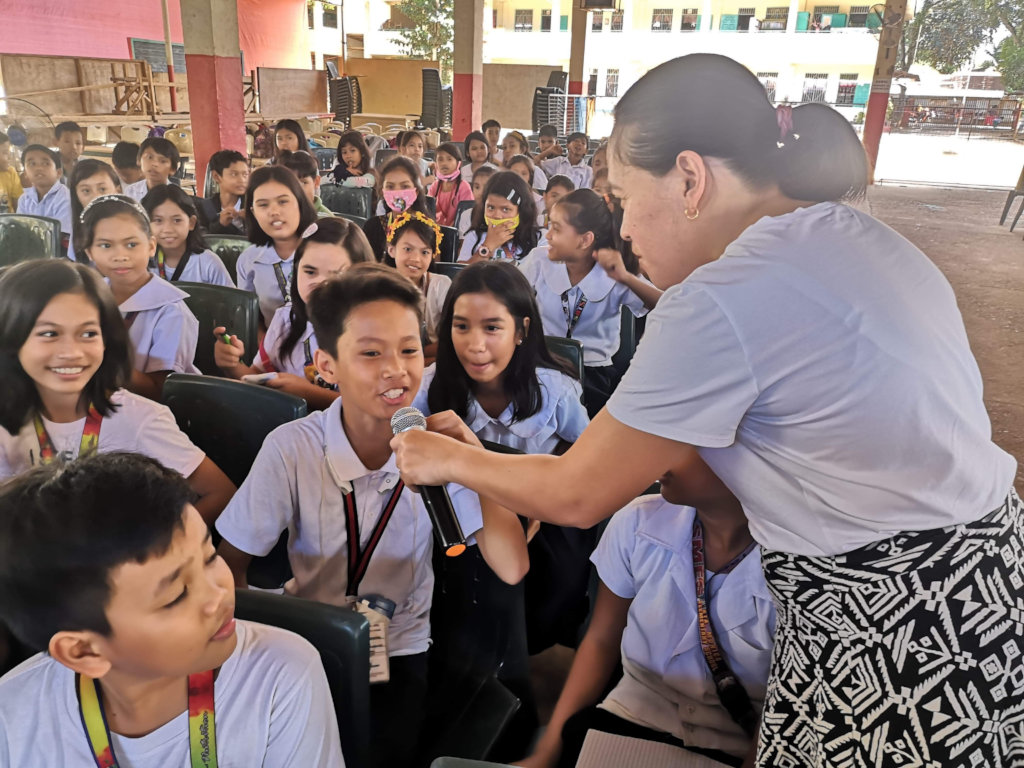
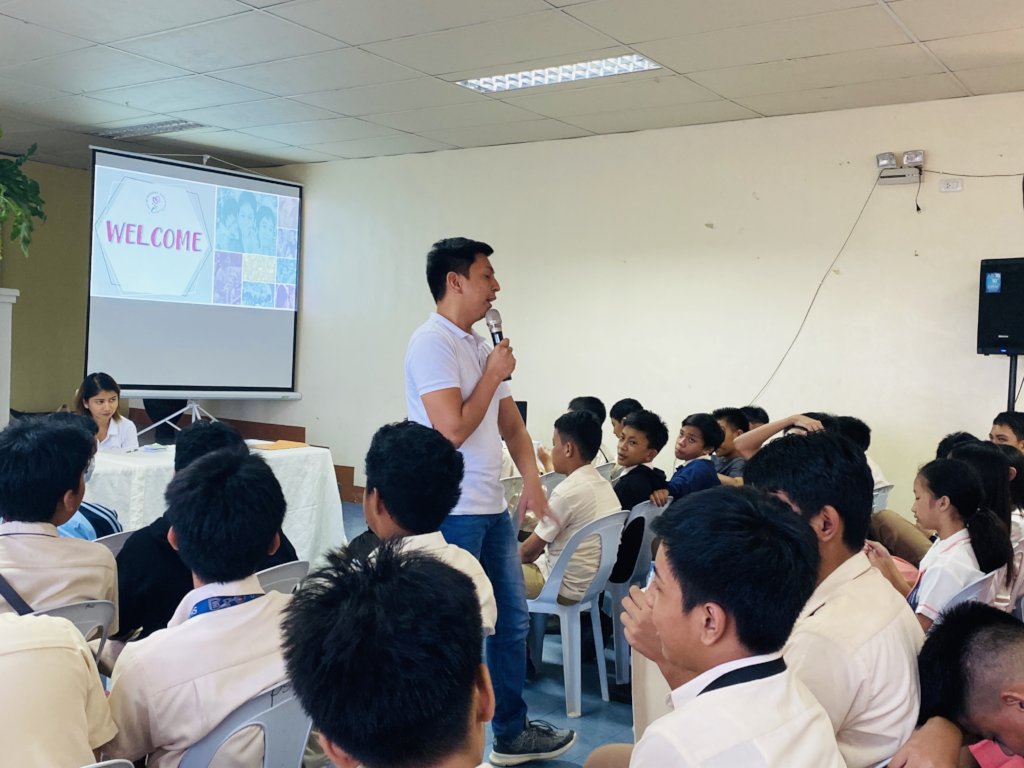
We still do not know when we will be able to teach in schools and conduct in-person trainings again, but in the meantime we have begun creating standalone educational materials for our stakeholders that can be accessed online, and we plan to continue engagements that way for the time being.
This is not where we expected to be at the middle of the year, but we are grateful that we have been able to continue providing essential direct healthcare services, while keeping our staff and our clients safe.
I thank you for your continued support, and I hope that you and your families are staying safe and healthy.
Links:
By Amina Evangelista Swanepoel | Project Leader
Project reports on GlobalGiving are posted directly to globalgiving.org by Project Leaders as they are completed, generally every 3-4 months. To protect the integrity of these documents, GlobalGiving does not alter them; therefore you may find some language or formatting issues.
If you donate to this project or have donated to this project, you can receive an email when this project posts a report. You can also subscribe for reports without donating.