By Peter Rohloff | Medical Director
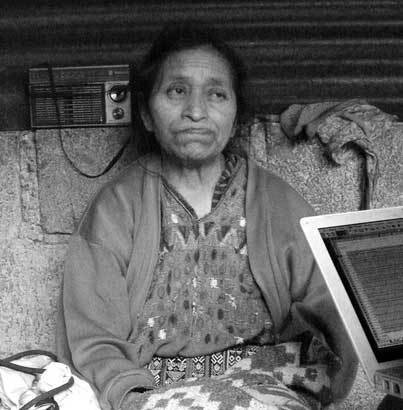
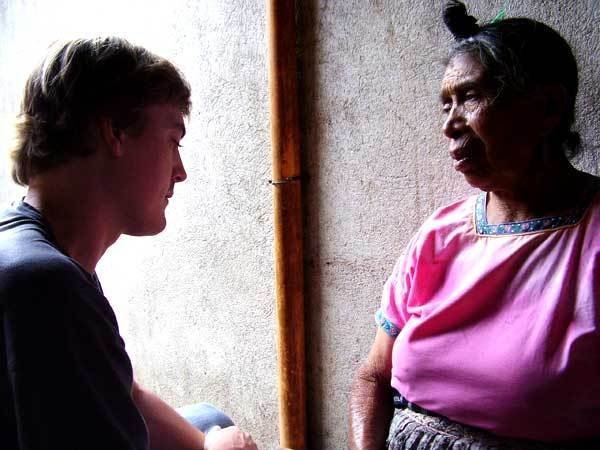
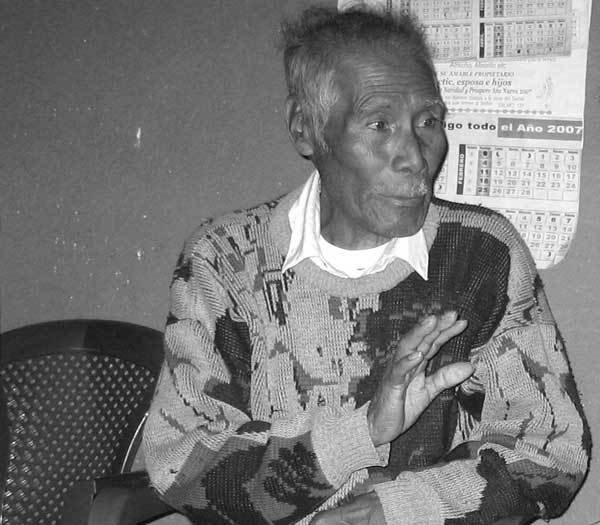
“Poverty entered my house because of diabetes,” said Doña Dominga, a 55-year-old woman of Santiago Sacatepéquez. During a recent survey we conducted among our diabetic patients, Dominga related to us the story of her diagnosis and initial treatments with a series of health care providers, which drained her life savings without improving her health. Diabetes had debilitated Dominga to the point that she no longer had the strength to leave her house. A concerned friend mentioned that she ought to try Wuqu’ Kawoq’s diabetes program, through which, to Dominga’s surprise and relief, a Wuqu’ Kawoq physician visited her in her own home and spoke with her in her first language--Kaqchikel. After her first visit, she received regular follow-up consultations, medicines, blood tests, and one-on-one counseling with a nutritionist at no charge. “I trust in the doctor because he has a great love in his heart for us sick people,” she described her physician. “I am poor. There is so much poverty here. Without this help, I would have never gotten good medicine.”
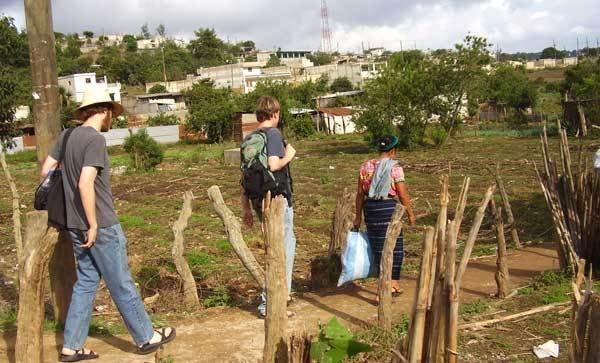
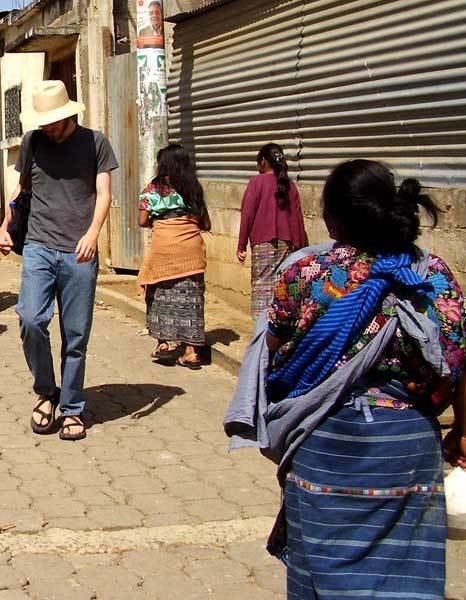
Over the past few months, we have spoken with many patients like Dominga to evaluate our diabetes programs. We are pleased that many of our patients are happy with the care they are receiving and that many of them have their diabetes under control. However, we are constantly searching for ways to improve our projects. Earlier in the year, a team of Wuqu’ Kawoq physicians, nutritionists, and medical students started brainstorming about improving our diabetes educational classes. Fortuitously, at almost the same time, several of our collaborators--a midwives’ association and various community health promoters--approached us about the possibility of forming diabetes support groups. After two months of assessing our patients’ knowledge, attitudes, and practices about diabetes through surveys and interviews, we are beginning to develop plans for this diabetes curriculum. With the energy and enthusiasm of our community collaborators and patients, as well as the support of our donors, we are excited to move forward with this endeavor in the coming months.
We have gained many insights from this research so far. First, the family plays a significant role in patients' abilities to follow a diet, and few patients are aware that diabetes is often a hereditary condition. Therefore, nutritional education targeted at the families of diabetics will be beneficial. Second, many diabetics feel isolated and would like to hear about others' experiences with the disease. Furthermore, every single patient we have talked to has interpreted the onset of the disease as the result of stress, poverty, and poor mental health. We hope to coordinate support groups about these themes in the near future.
Links:
Project reports on GlobalGiving are posted directly to globalgiving.org by Project Leaders as they are completed, generally every 3-4 months. To protect the integrity of these documents, GlobalGiving does not alter them; therefore you may find some language or formatting issues.
If you donate to this project or have donated to this project, you can receive an email when this project posts a report. You can also subscribe for reports without donating.