By Anne Kraemer Diaz | Executive Director
Dear Friend,
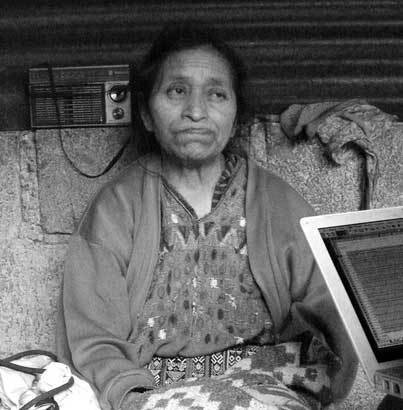
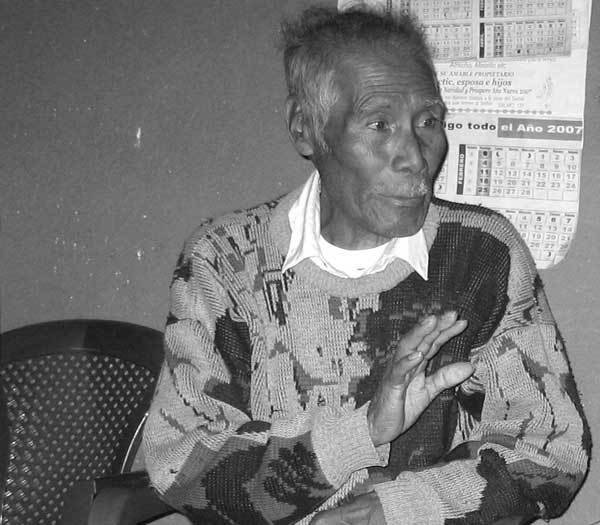
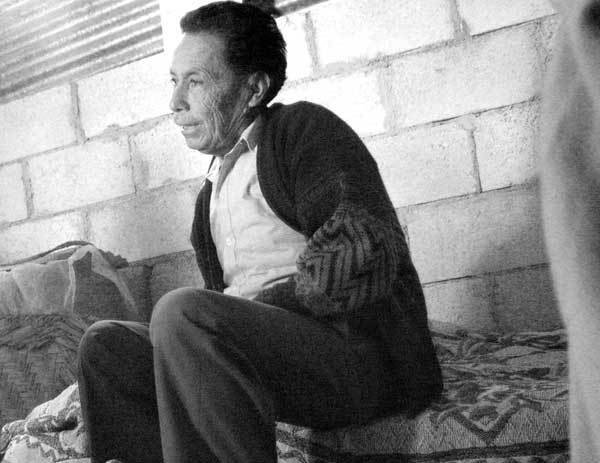
Since its inception, the Maya Health Alliance - Wuqu’ Kawoq diabetes program has been truly groundbreaking. Our cohort of approximately 150 diabetes patients is among the largest clinical diabetes programs described in the global health literature, and, as far as we know, Wuqu Kawoq’ may be the only organization in Guatemala providing free, truly comprehensive diabetes care. In addition, we always have maintained an unwavering commitment to Maya communities as roughly 80% of our patients with diabetes are monolingual in a Mayan language.
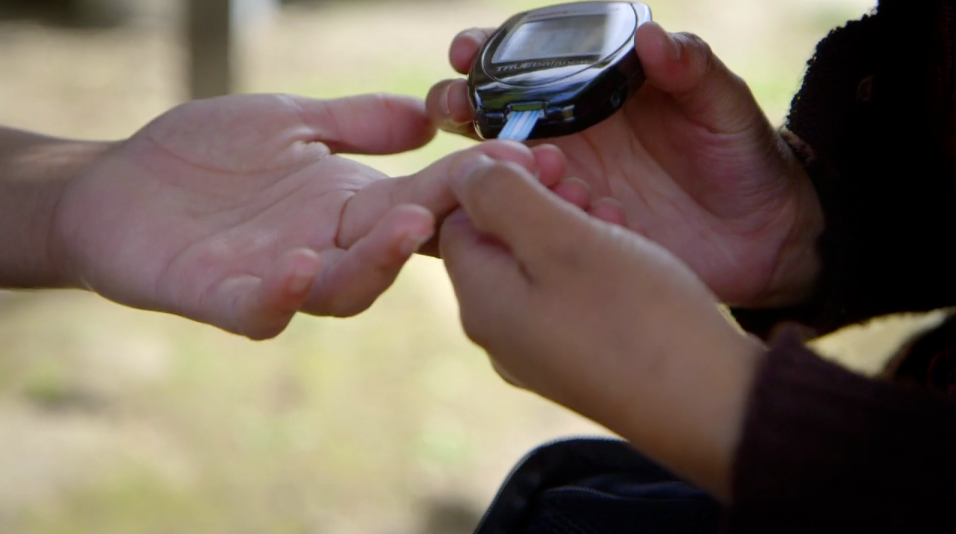
This year has brought many exciting developments to the Wuqu’ Kawoq diabetes program. First, although we have added approximately 25 new complex diabetics to our cohort since August 2013, we have maintained and even strengthened the high quality of our patient care. For example, in the six months since January 1, 2014, the percentage of our patients with “good” blood sugar control has improved from 41% to 53%, and the percentage of our patients with “very good” blood sugar control has risen from 21% to 32%. Much of this improvement stems from our successful efforts to persuade approximately 15 patients to intitiate insulin therapy. (This is no small feat; it took some patients more than three years to accept the necessity of insulin treatment to adequately control their diabetes!)
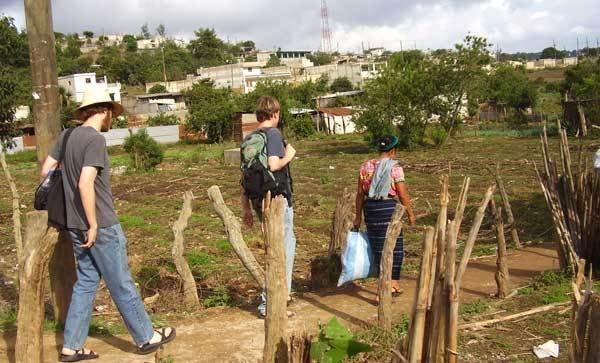
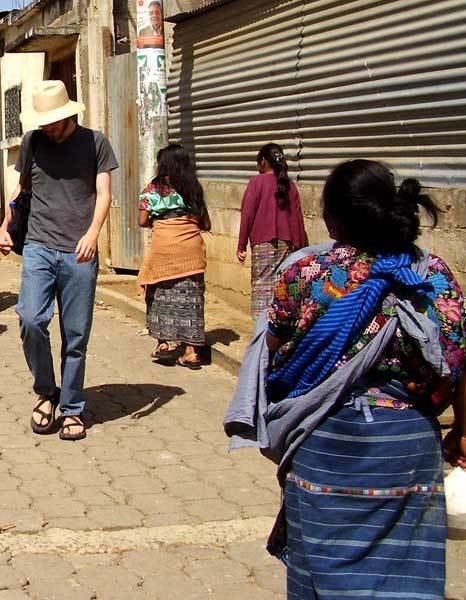
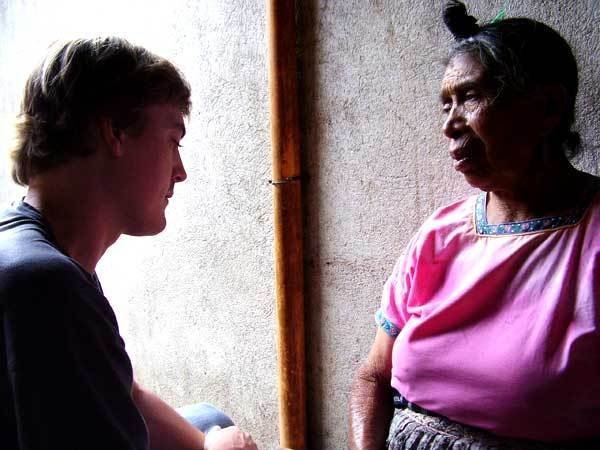
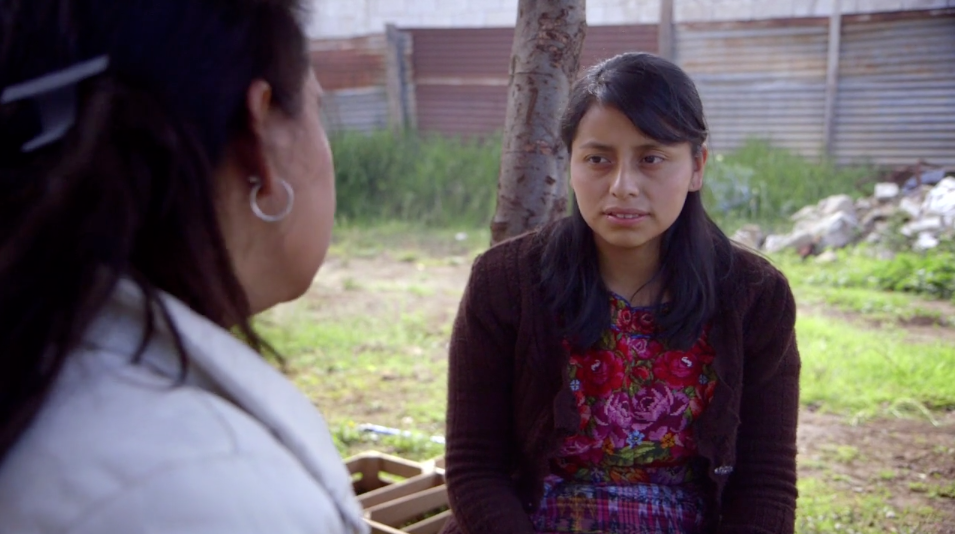
Second, we have recently hired a new diabetes nurse educator, Carol Teleguario, who makes regular home visits with complex patients as part of our new diabetes education study. Carol, a Kaqchikel speaker from Patzún, has been warmly embraced by our patients. We have not crunched the data yet, but based on what our patients are telling us, we think it is likely that diabetes education in home visits improves patients’ blood sugar control and program adherence.
Third, we have recently begun a pilot program to screen all patients for cardiac and kidney complications through the measurement of cholesterol and microalbuminuria, respectively. Such screening tests are standard-of-care in the U.S., but our program would be the first in the global health literature to offer such tests at no cost.
Finally, as we are always brainstorming ways to improve our program, we have other exciting diabetes program news in the “pipeline,” including news about drug procurement, eye care, and expansion of services into a new community. We look forward to sharing the news with you in the coming months!
Thank you for your continued, incredible support!
Links:
Project reports on GlobalGiving are posted directly to globalgiving.org by Project Leaders as they are completed, generally every 3-4 months. To protect the integrity of these documents, GlobalGiving does not alter them; therefore you may find some language or formatting issues.
If you donate to this project or have donated to this project, you can receive an email when this project posts a report. You can also subscribe for reports without donating.