By Robin Young | Donor Relations Coordinator
The observational steps for preventing asteroid impacts are:
1. Find them.
2. Track them.
3. Characterize them.
Unlike when the Shoemaker NEO Grant program began in 1997, most near-earth objects were found by are now found by professional survey telescopes. Astrometric tracking observations are needed to determine orbits - it doesn't help to know an asteroid is out there if its orbit cannot be predicted and determined to be a threat to Earth. Using information like lightcurves (brightness vs. time), one can extract information about spin rates and even whether what looks like one asteroid is a binary pair.
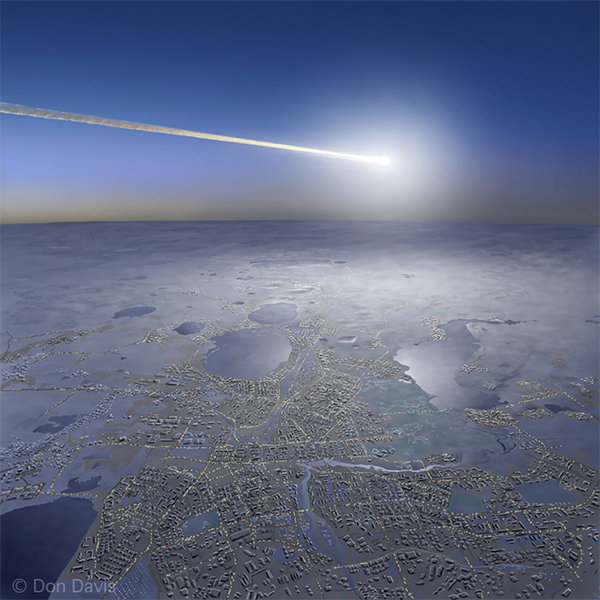
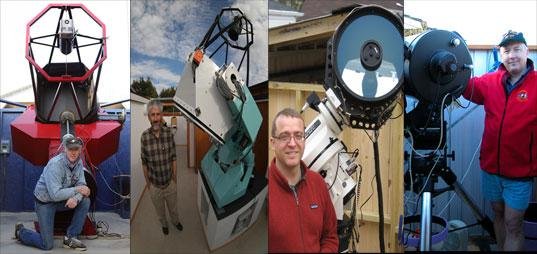
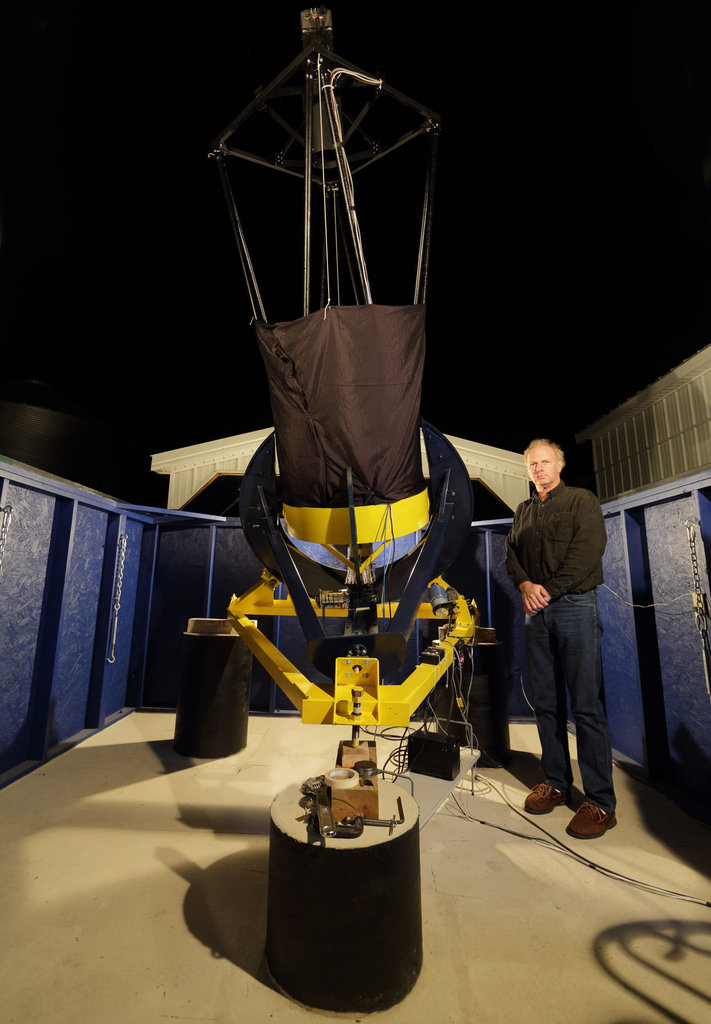
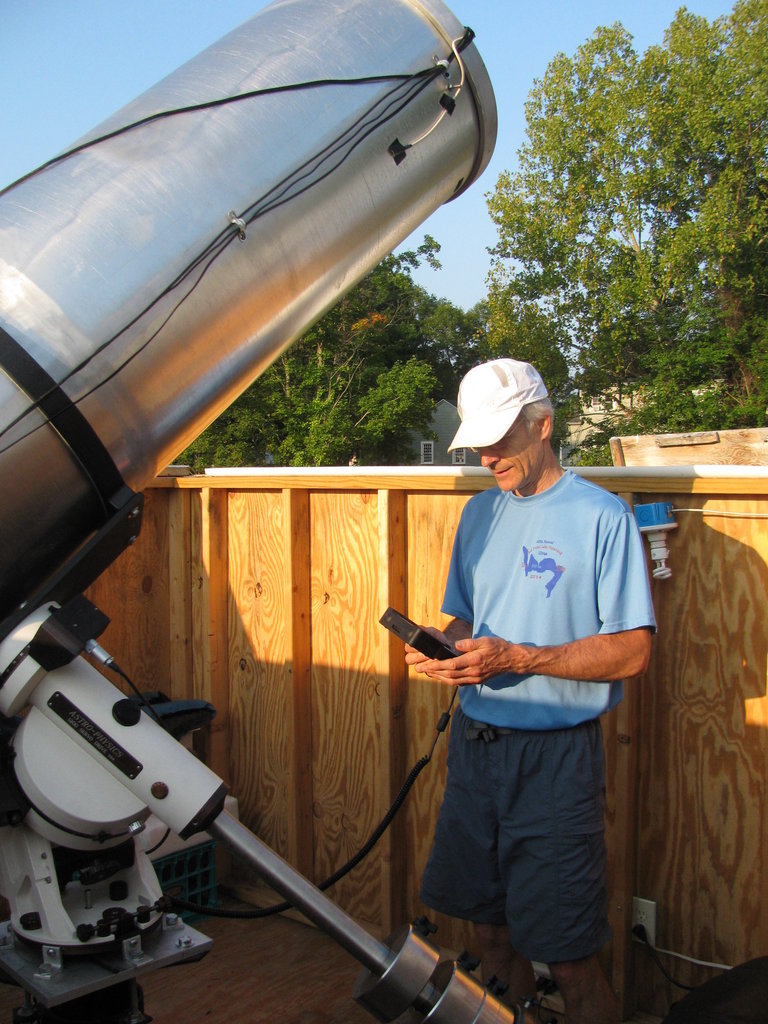
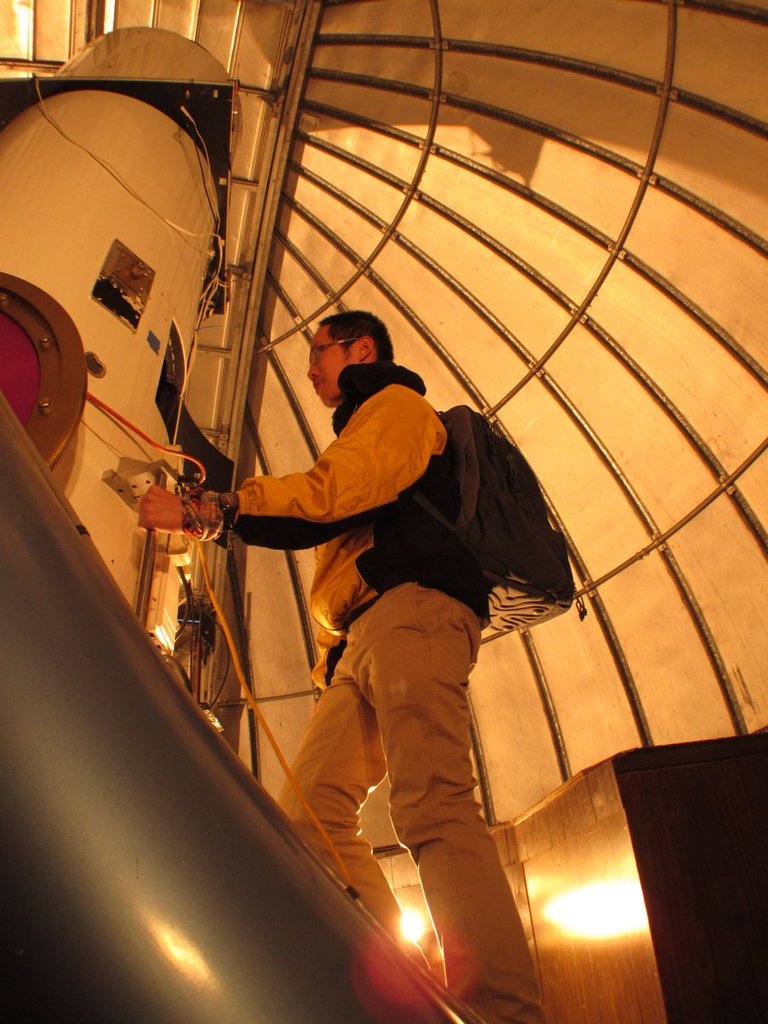
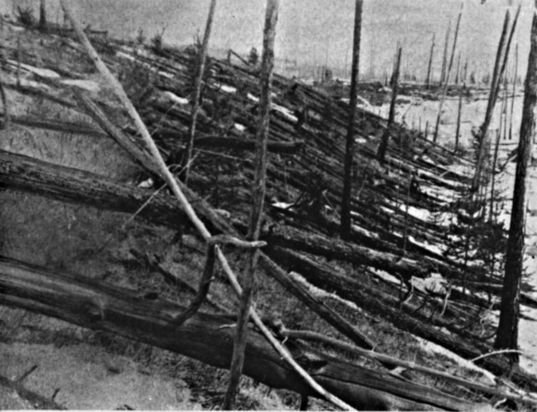
June 30 was the anniversary of the Tunguska airburst that leveled 2,000 square kilometers of Siberian forest in 1908 and has been declared Asteroid Day ro raise awareness of the threat asteroids and comets pose to Earth. We must work to deflect the only large scale natural disaster we can prevent...if we invest the effort. The recipients of the 2015 Shoemaker NEO Grants focus on improving their equipment and efforts to find and track NEOs, spending hundreds of hours over days, months and years to refine the predicted orbit of an asteroid.
Asteroid impact is an international issue that requires international coordination. Dangerous asteroid impacts occur rarely, but they will happen, with disastrous consequences, unless we stop them.
Project reports on GlobalGiving are posted directly to globalgiving.org by Project Leaders as they are completed, generally every 3-4 months. To protect the integrity of these documents, GlobalGiving does not alter them; therefore you may find some language or formatting issues.
If you donate to this project or have donated to this project, you can receive an email when this project posts a report. You can also subscribe for reports without donating.