By Rosa Pena | Attorney Human Rights and Environment Program
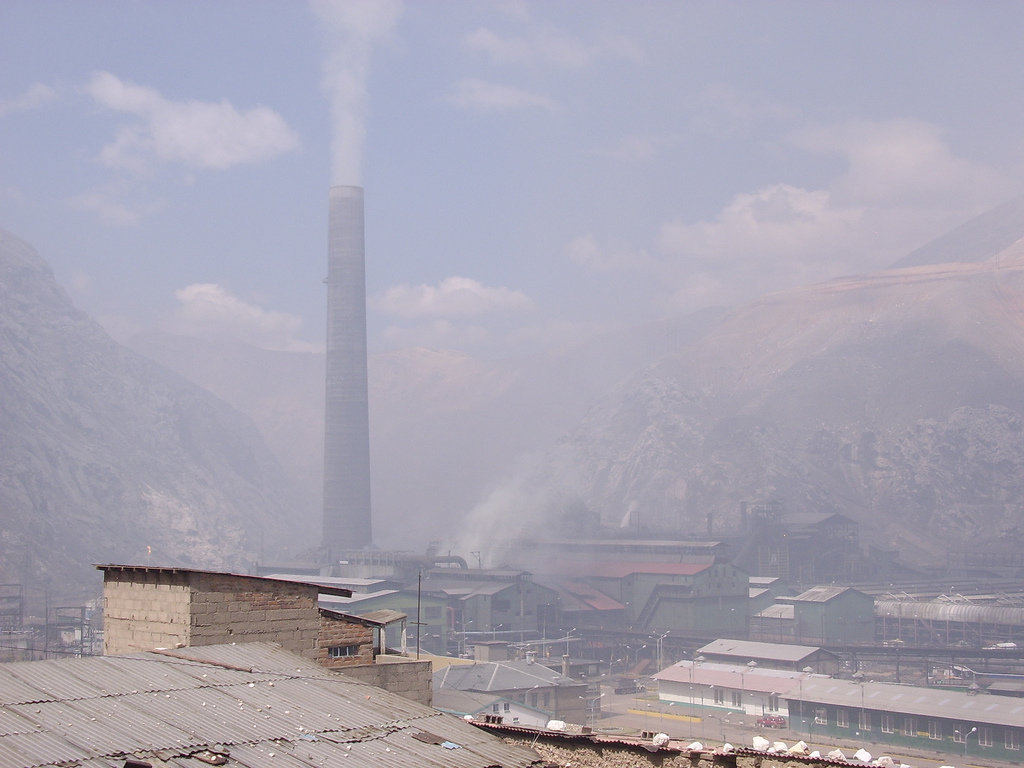
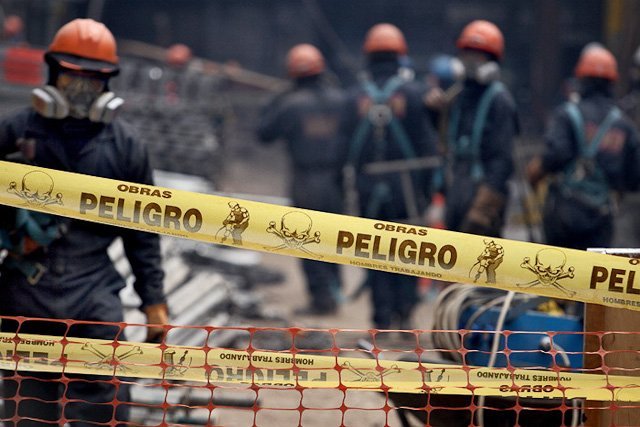
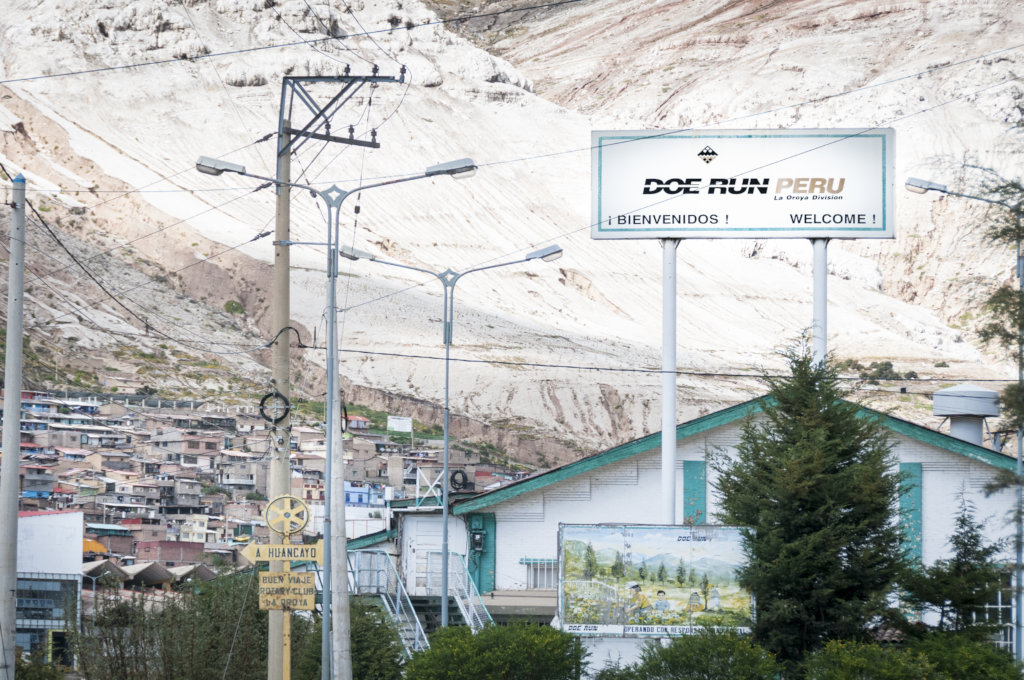
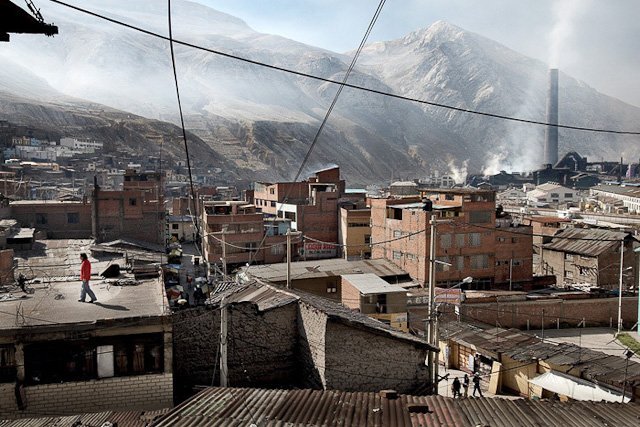
Located 176 km from Lima, La Oroya is a city in the river Mantaro, part of the department of Junin, Central Peru. It has a population of around 30,000 inhabitants and it is considered one of the world's most polluted places. For decades, La Oroya was a hub of industrial activity, with a large smelting complex that processed minerals like lead, copper, and zinc. However, the operations of the smelter had devastating consequences for the environment and the health of the people living there. The emissions from the smelter released toxic substances into the air, soil, and water, causing widespread pollution and serious health problems for the residents, including high levels of lead poisoning. Organizations and local groups have worked to address the environmental issues in La Oroya, but the road to recovery has been challenging, requiring a delicate balance between economic development, human rights and environmental sustainability.
AIDA has played a crucial role in addressing the environmental challenges in La Oroya. We have been actively involved in advocating for the rights of the affected communities and pushing for stricter environmental regulations and enforcement. AIDA´s attorneys have provided legal support to local organizations and individuals fighting for clean air, clean water, and a healthy environment for over two decades. Through our work we have helped raise awareness about the environmental and health impacts of the smelting operations, both nationally and internationally, and our efforts have contributed to making the government and the smelting industry accountable for the pollution and work toward solutions for the affected communities in La Oroya.
In 2006 AIDA and the Asociacion Pro Derechos Humanos (APRODEH), filed an international complaint against the Peruvian government before the Inter-American Commission on Human Rights. All our efforts made along with our partners and the community, overcame a significant milestone when the Commission escalated out claim to the Inter-American Court on Human Rights that then held a hearing for our complaint against Peru on October 12 and 13, 2022 in Montevideo, Urugay. The four main points that lead to the Court assessing the State's responsibility for Enviromental contamination and violation of human rights of non-indigenous communities for the first time were; the existence of serious Enviromental pollution, the risk and casual link with damages derived from contamination, the government's knowledge of the situation and the absence of urgent and effective measures to respond to it.
In December 2022, following the Court’s hearing, AIDA held an update meeting with the families represented in the case, to define the strategy to address the next steps on the litigation case and any potential additional requirements requested by the Court.
At this moment, the Court is in the process of final deliberation and we are expecting its final ruling in the next months. As any legal process, the resolution can be delayed or take longer than expected. With this consideration, AIDA continues to work in collaboration with our partners and the communities to plan for different scenarios and to be ready to implement the Court’s decision.
Links:
Project reports on GlobalGiving are posted directly to globalgiving.org by Project Leaders as they are completed, generally every 3-4 months. To protect the integrity of these documents, GlobalGiving does not alter them; therefore you may find some language or formatting issues.
If you donate to this project or have donated to this project, you can receive an email when this project posts a report. You can also subscribe for reports without donating.