By Rosa Pena | Attorney, Human Rights & Environment
In late 2021, after more than 23 years of AIDA working to help bring justice in La Oroya, and almost 15 years after we filed our initial complaint in the Interamerican System, the Inter-American Commission finally referred the case to the Inter-American Court of Human Rights.
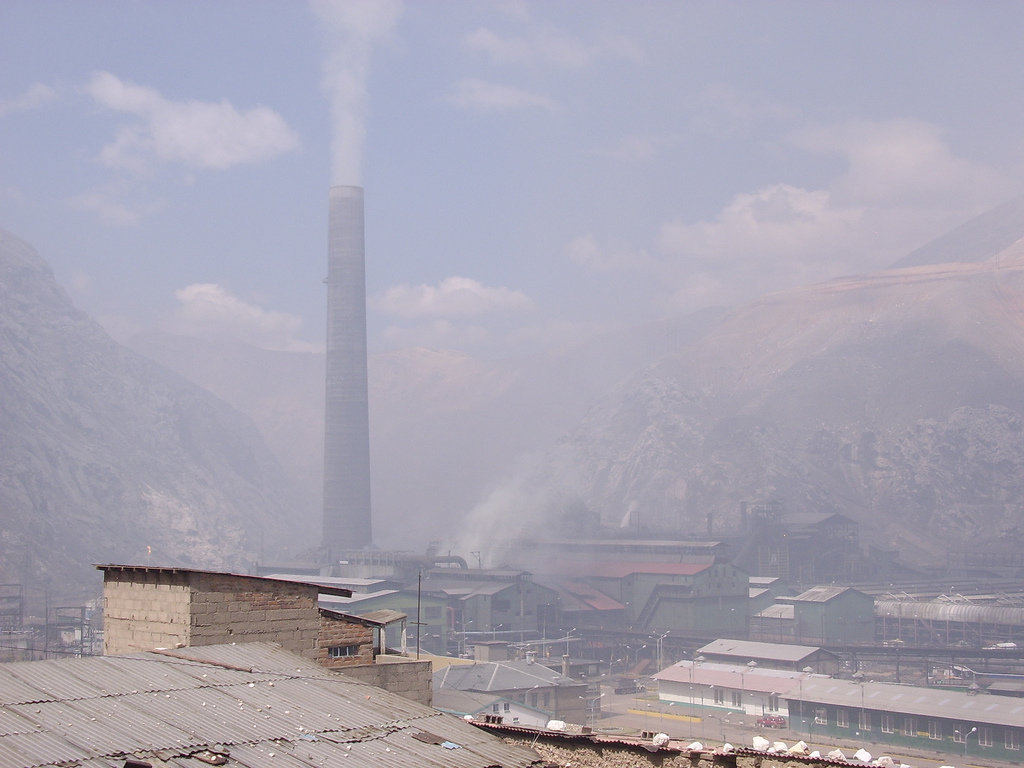
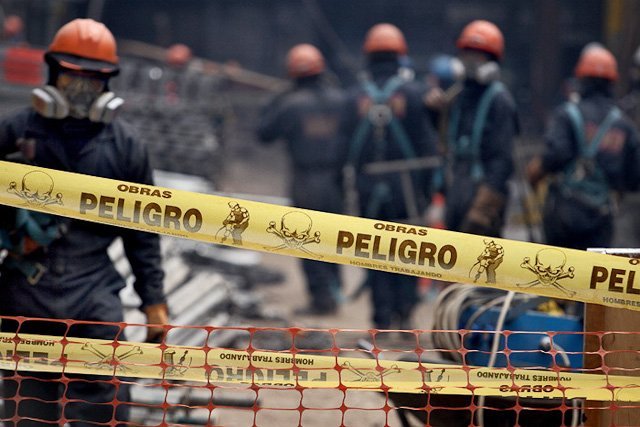
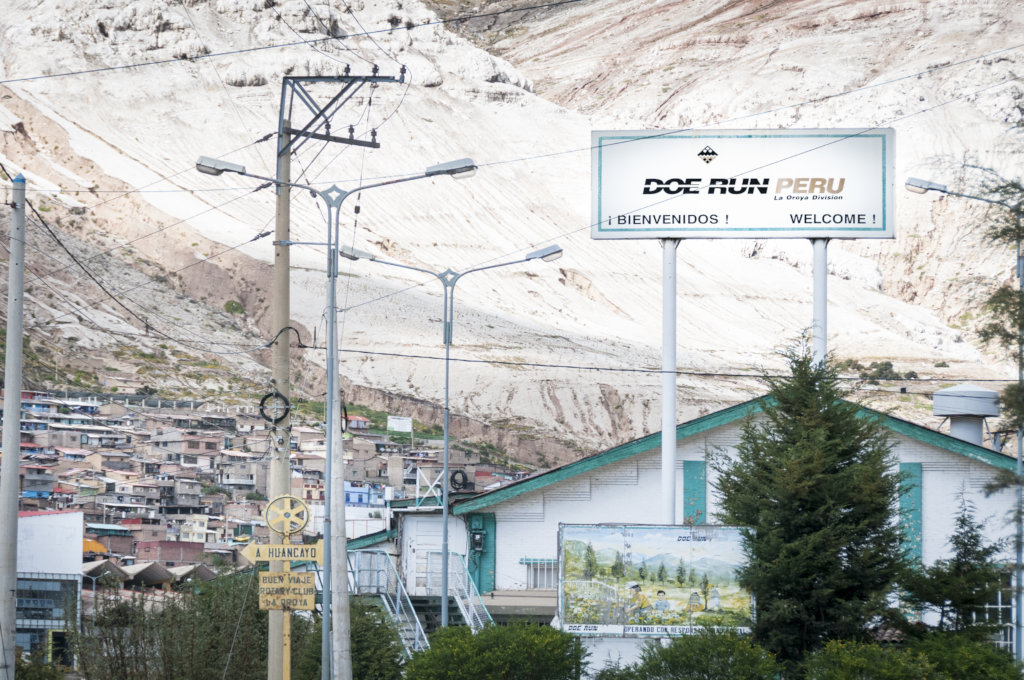
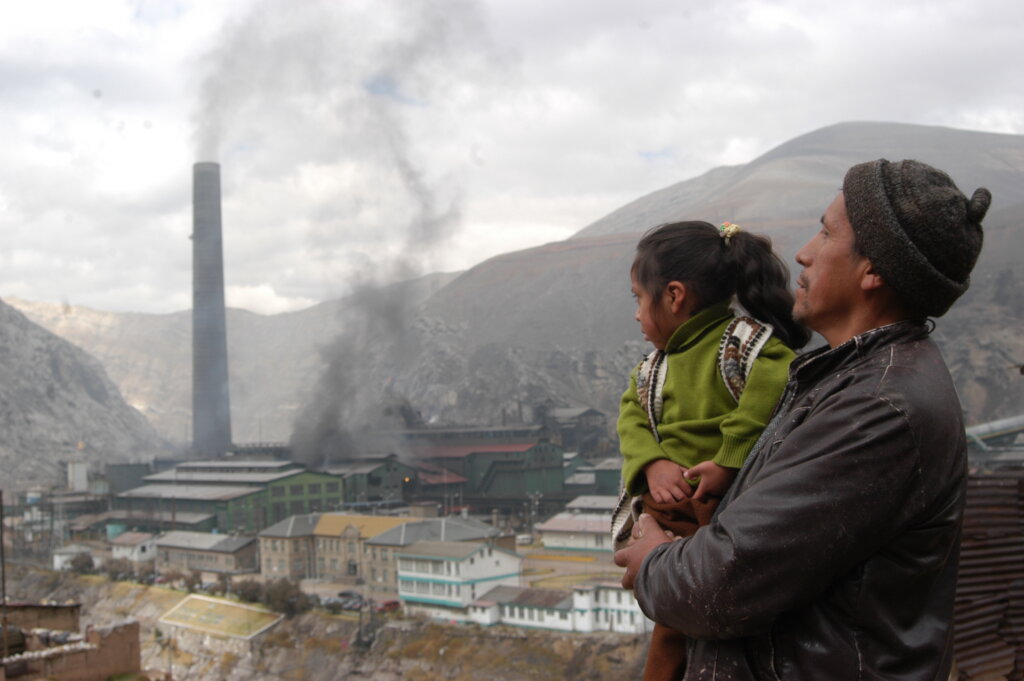
The case relates to the international responsibility of a State for harms caused to its citizens as a result of extreme toxic contamination that the government should not have allowed, specifically harms suffered by the people in La Oroya because of the contamination allowed at the Doe Run smelter. The report issued by the Commission is very promising in making strong recommendations in favor of our side, and brings an opportunity for setting tremendous precedents related to the need for control of industrial facilities, the duty of the State to protect the rights to life and health, and the rights of communities in the hemisphere generally.
Thus, after years of waiting patiently and maintaining contact with our clients in La Oroya, we have once again ramped up our efforts. We presented, on February 3, after a month of hard work, a multi-hundred page brief required by the Court, and worked to identify experts and witnesses who will provide testimony. That day, I flew to Peru for a month-long visit to La Oroya together with an expert anthropologist/psychologist who is helping us interview our clients to document and tell the story of the impacts suffered over the past two decades.
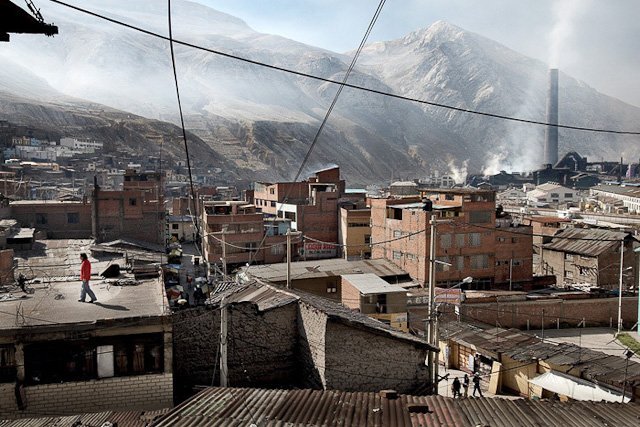
On my trip, I visited La Oroya, Lima, and other places where several of the families ended up living after being displaced by the contamination. Although there have been some improvements, and the company does not operate as before, La Oroya remains a hostile place that has never truly remedied the contamination problem. The families still living there continue to suffer from the lack of quality medical care and the frustration of so many years of neglect by the State authorities. In spite of everything, we were able to have an assembly in which the majority of families participated (many of them had not been together for years due to the pandemic). The meeting was very emotional because the news of the Court case has renewed their hope.
As we wait for the Court, in this last phase of the case we are working to ensure that we can:
· Guarantee the participation of our partners in the community of La Oroya, so that their voice can truly be heard in the hearing to be convened by the Inter-American Court in summer-fall 2022, including ongoing dialogue with our clients to ensure that they are informed about the process and able to contribute their perspective;
· Strengthen the litigation strategy by working with lawyers, expert witnesses, key organizations and individuals presenting friend of the court briefs, and other allies in Peru and internationally; and
· Lead a multi-faceted communications strategy in Peru and internationally regarding the environmental problems associated with toxic metals, to make sure we fully take advantage of the opportunity this case brings to highlight the dire need for improved human protections related to toxic contamination and extractive activities in the region.
Because this landmark case is the first situation of environmental contamination in an urban context to come before the Court, it has the potential to set a favorable precedent not only in Peru but in the region, and also to strengthen standards internationally for the protection of the right to a healthy environment.
Project reports on GlobalGiving are posted directly to globalgiving.org by Project Leaders as they are completed, generally every 3-4 months. To protect the integrity of these documents, GlobalGiving does not alter them; therefore you may find some language or formatting issues.
If you donate to this project or have donated to this project, you can receive an email when this project posts a report. You can also subscribe for reports without donating.