By Liliana Avila | Senior Attorney, Human Rights & Environment
More than fifteen years after the case of environmental contamination in the city of La Oroya began, the Inter-American Commission on Human Rights finally established the Peruvian State’s responsibility for the violation of the affected population’s rights to life, integrity, health and a healthy environment. In October 2021, the Commission referred the case to the Inter-American Court of Human Rights.
This decision represents an important opportunity to restore the rights of affected residents. It’s the first time that a case of air pollution caused by business activities in an urban context has been brought before the Court.
AIDA and our partners from the Pro Human Rights Association (APRODEH) have represented the communities affected in the case, and we welcome the Commission's decision as it puts an end to several years of waiting and constitutes a great opportunity to restore the rights of the affected people.
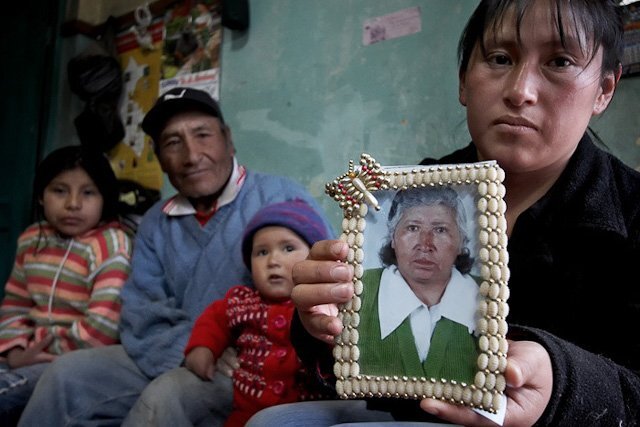
"My sisters and I suffered exposure to heavy metals since we were children, having to migrate with our parents to an area far away from the contamination," said one of the victims, whose identity has been withheld due to the risk of reprisals for their role as environmental defenders.
“We are thrilled to take one more step in this long process, in which so many of us have been involved. We are hopeful this will shine a ray of light on our path, and that our case will come to an end for the wellbeing of our health, so we can say 'Yes we could' in spite of so many falls.”
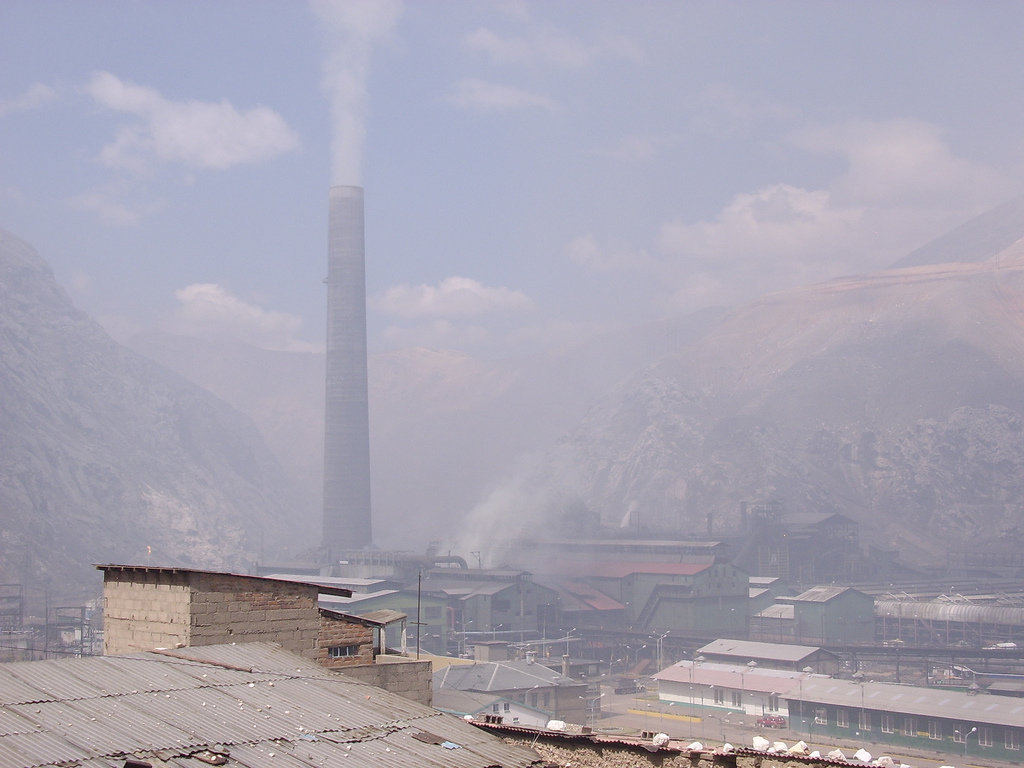
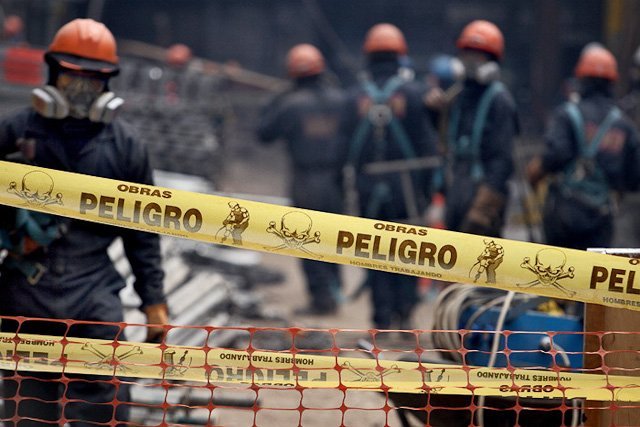
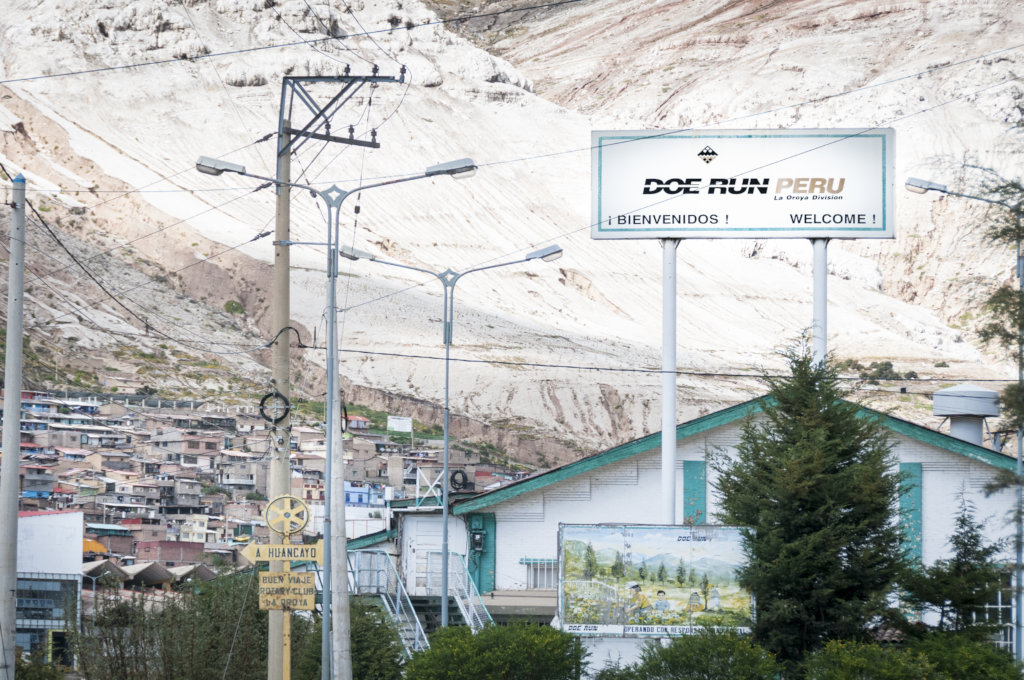
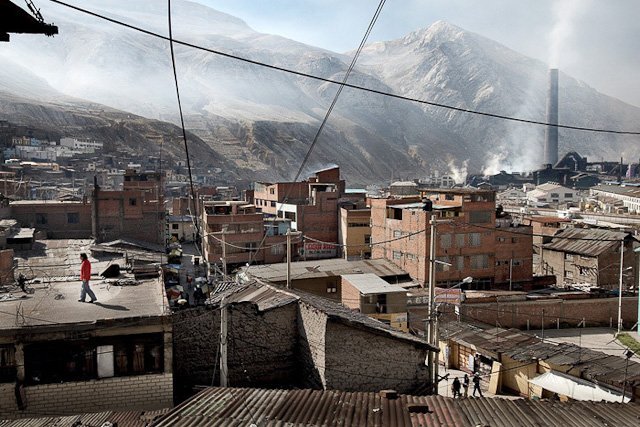
The case originated with a petition, filed in 2005 supported by AIDA, by a group of La Oroya residents who, in the absence of responses at the national level, turned to the Commission to request precautionary measures. They subsequently denounced the violation of their rights resulting from chronic exposure to heavy metals (lead, cadmium and arsenic) from the metallurgical complex run by the company Doe Run Peru.
The affected people appealed to the Inter-American Human Rights System because, although the Peruvian Constitutional Court ordered urgent measures for the protection of their rights in 2006, the State failed to comply with them.
In an official communication on its decision, adopted on September 30 2021, the Commission emphasized that "the State failed to comply with due diligence in its duties to regulate, supervise and oversee the behavior of the companies with respect to the rights they could affect, nor with its duty to prevent violations of these rights.”
"We are happy for the news, so many years of waiting, frustration and fear. We are finally at the end,” said a mother whose parents and siblings were also affected by the contamination. “It’s a joy for all those who are present and for those who have left. We also thank the group of petitioners who have continued despite everything."
It is a milestone for the Inter-American System because it is the first case to document a situation of environmental contamination, particularly air pollution, caused by business operations in an urban context.
The contamination suffered by the inhabitants of La Oroya, many of them minors, particularly those who have come before the Commission, has had serious negative effects on their health with consequences that continue to this day. Although the metallurgical complex has implemented environmental management instruments, given the legal requirements at the national level aimed at mitigating and remediating the contamination caused, the State has granted extensions for their implementation without Doe Run Peru fully complying with its obligations.
"I was very affected by the loss of my loved ones due to a lack of adequate healthcare, which lead to death. We’ve lost many people,” said one of the inhabitants of La Oroya, who has been affected since she was a minor and had to migrate to Lima with her mother. “We want to be treated well when we go to the doctor. I’ve lost my sisters and my father; we are all affected. I remember as I child I used to get spots from the arsenic.”
She requests that the Court focus on the Peruvian health system when hearing the case and learning about its impacts.
In all these years, the Peruvian State has failed to oversee, regulate and remedy the damage caused by the metallurgical complex. Its actions and omissions continue to violate human rights, to the detriment of the families of La Oroya.
Members of the La Oroya community who have defended their right to a healthy environment have also been subjected to harassment and accusations. In this regard, the IACHR concluded that the State did not carry out "serious and effective criminal or administrative investigations to guarantee access to justice for the victims who were subjected to threats, harassment or reprisals by Doe Run Peru workers, as a result of the complaints made about the contamination."
The first week of February we will present the initial documents of the legal claim before the Court, and we have been working hard coordinating with the affected members of the communities and setting up the legal strategy with our partners.
AIDA reiterates our commitment to the victims of La Oroya, to the defense of human rights, and the right to a healthy environment.
Project reports on GlobalGiving are posted directly to globalgiving.org by Project Leaders as they are completed, generally every 3-4 months. To protect the integrity of these documents, GlobalGiving does not alter them; therefore you may find some language or formatting issues.
If you donate to this project or have donated to this project, you can receive an email when this project posts a report. You can also subscribe for reports without donating.