By Dr Clare Sepping | Program Officer
This is public health in ACTION -These are the words that flashed through my mind on my first site-visit as a Program Officer at International Action and my first trip to Haiti. As a medical doctor who previously worked in a busy UK hospital, I have been frustrated by the missed opportunities to deliver good public health and prevent people from even setting foot in a hospital. However many important NGOs in Haiti are doing it right now. The team at International Action was able to visit one of these NGOs, Children's Nutrition Program of Haiti, a long-term partner of ours, on a recent trip to Haiti in June 2015.
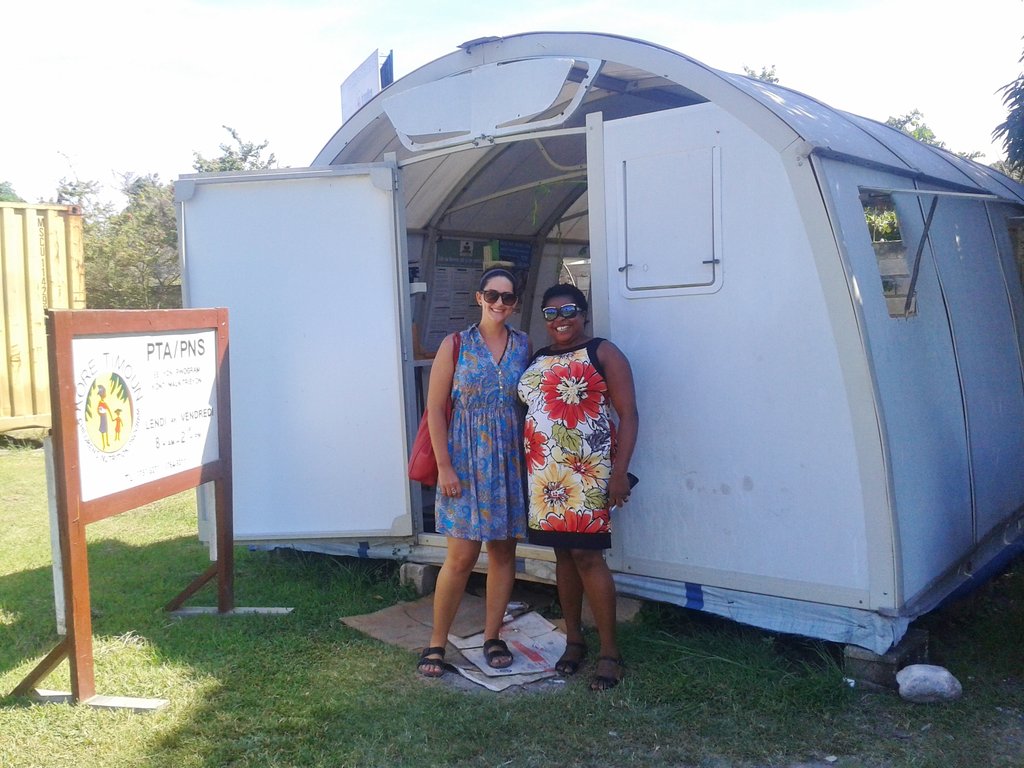
Taryn, the Country Program Director for Children's Nutrition Program of Haiti, or Kore Timoun as it is known in Haiti, is a bright, vivacious star of the group and our guide for the day. We meet at the clinic or "shed" as it's affectionately known in the compound of a small private hospital (the hospital does not work with them but loans them the land). A baby, not more than a year old, is waiting to be seen with his grandmother. This boy's mother does not have the money to look after him herself and so the grandmother is bringing up the child, a common situation in Haiti. This boy is malnourished and has been attending the clinic for check-ups and to receive Plumpinut nutrition, a recent product designed from peanut butter. He will also receive important vitamin supplements and de-worming treatment supplied by International Action. In this way, he will grow stronger so that one day he can return to his mother and lead a healthy life.
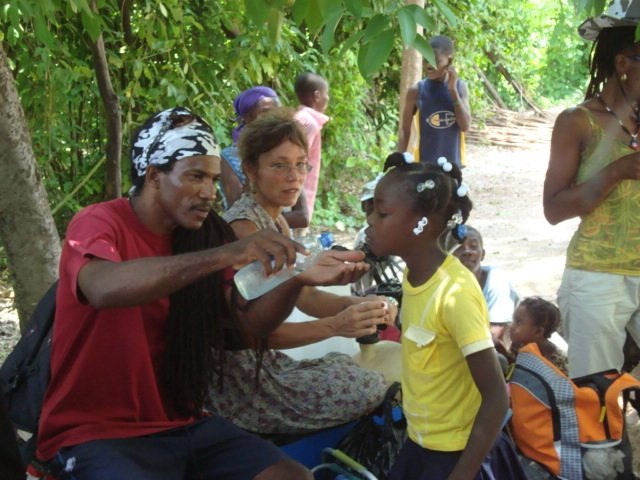
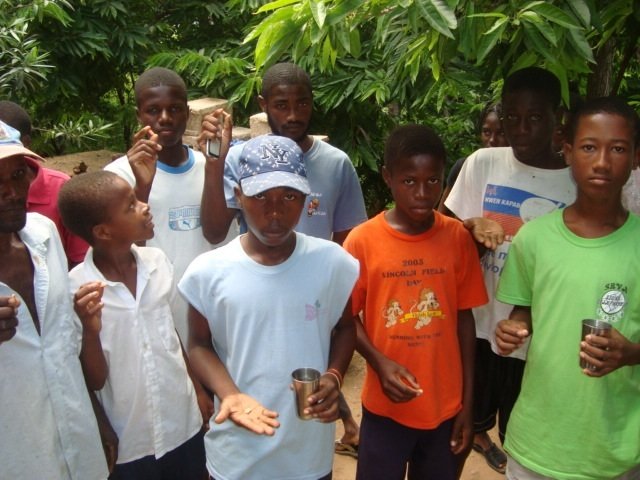
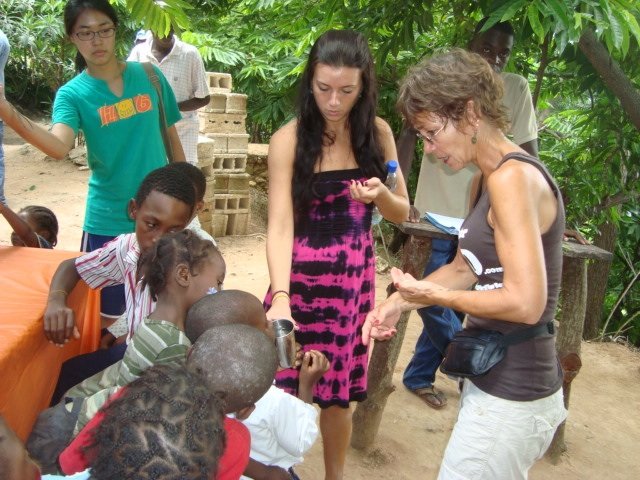
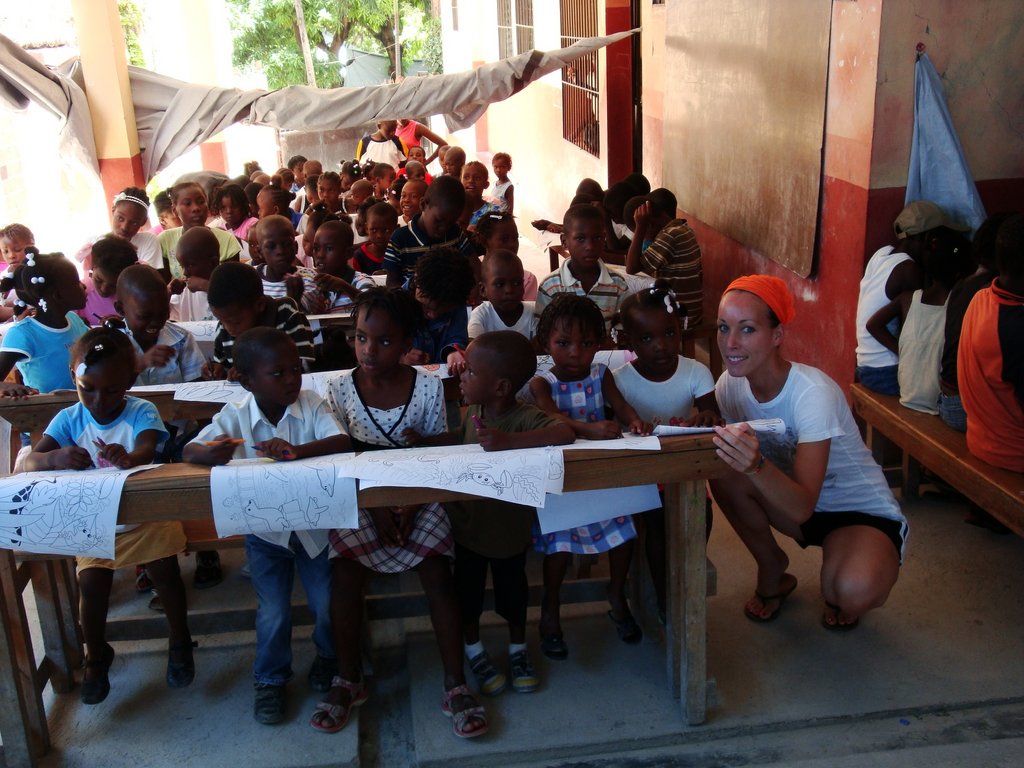
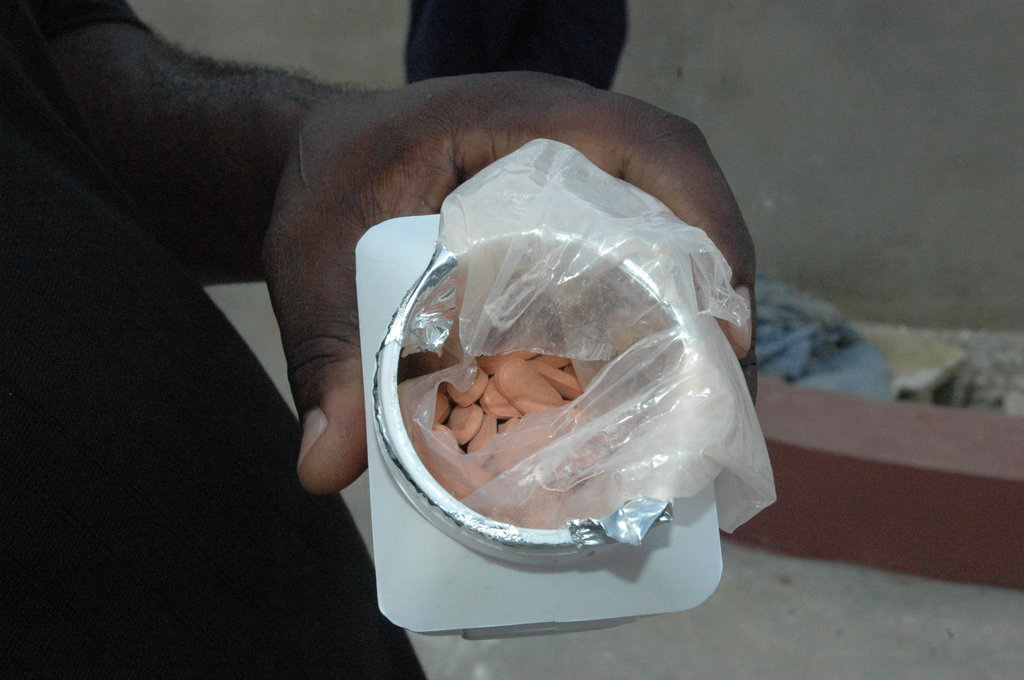
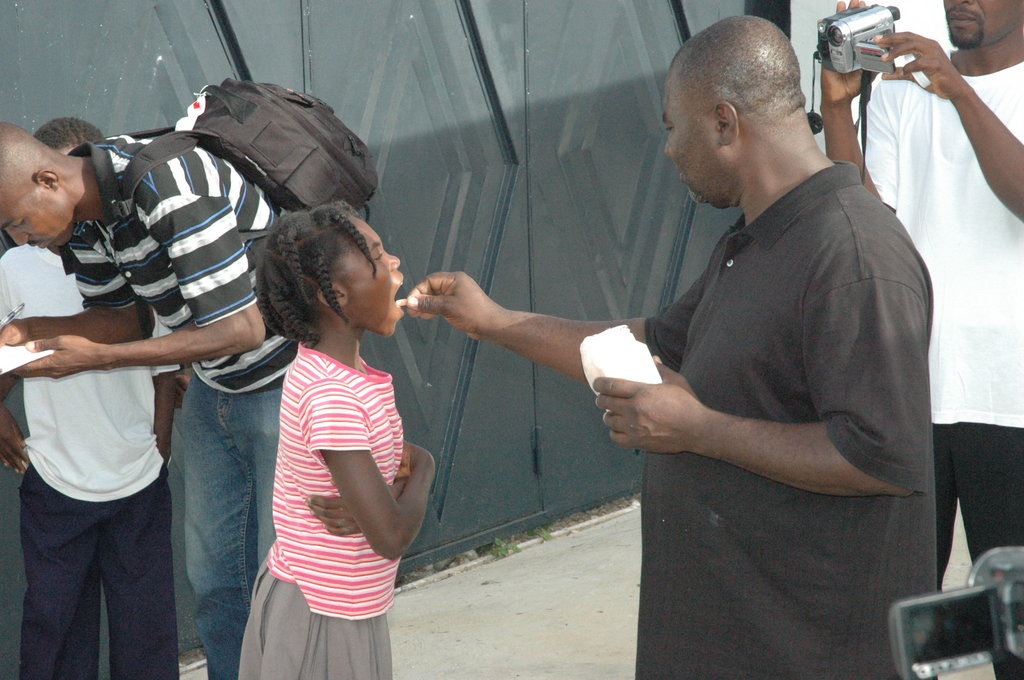
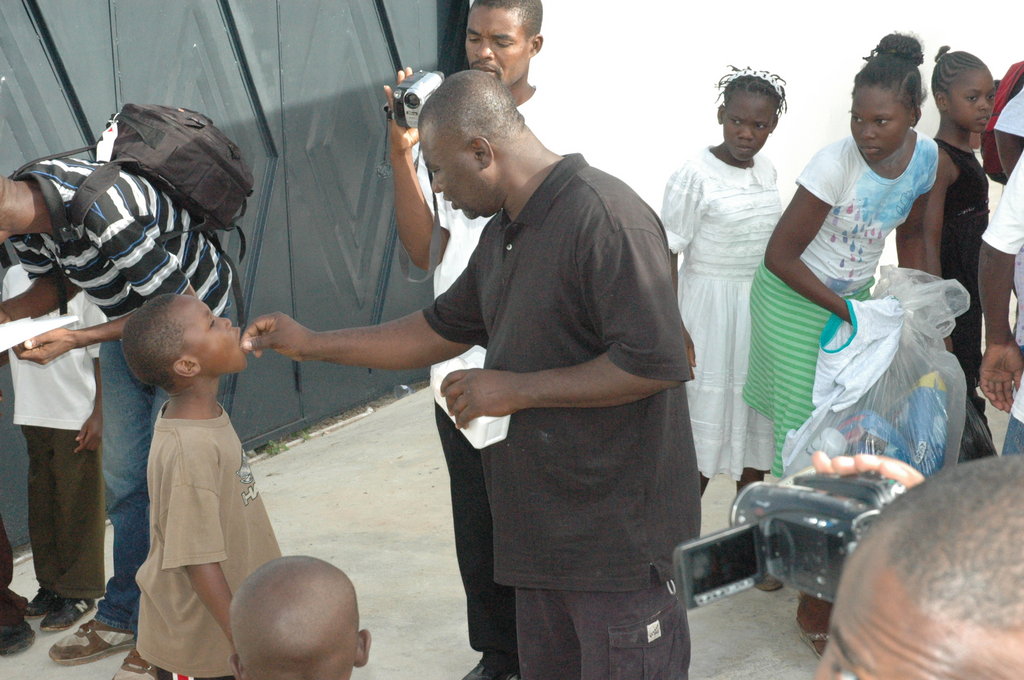
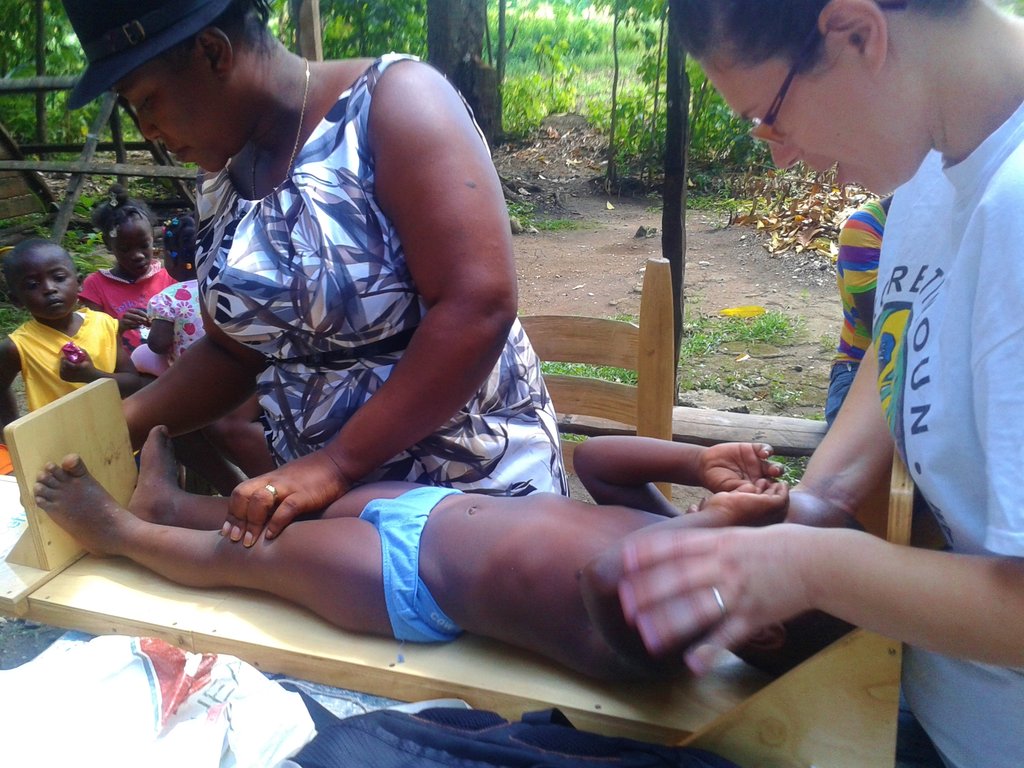
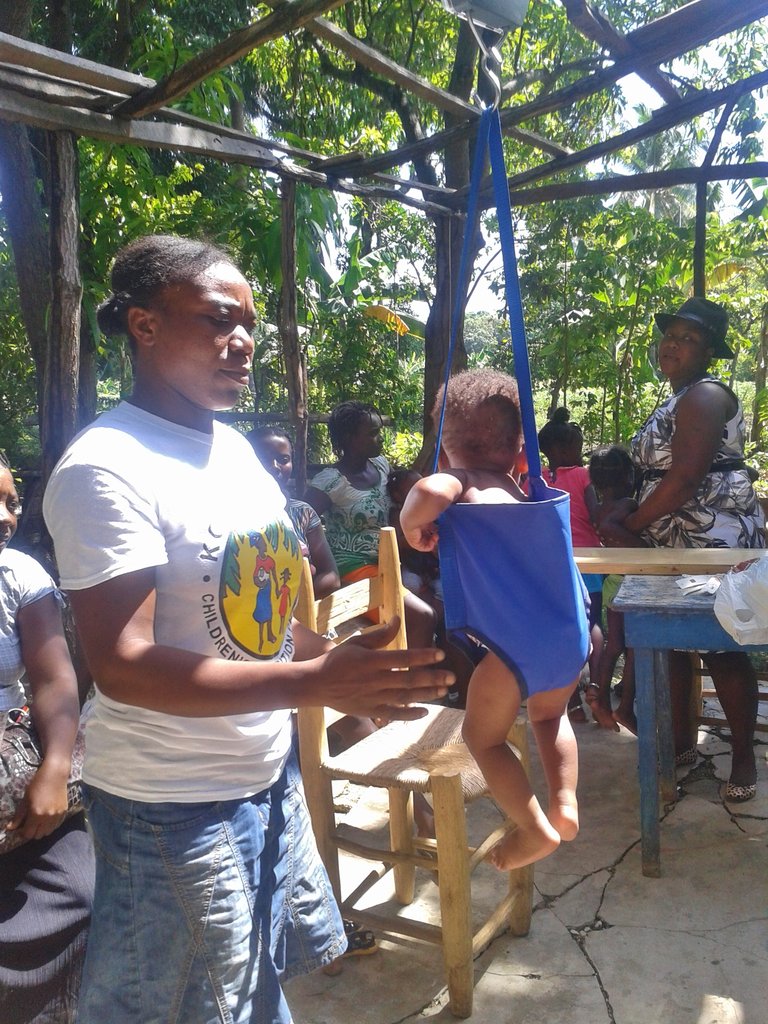
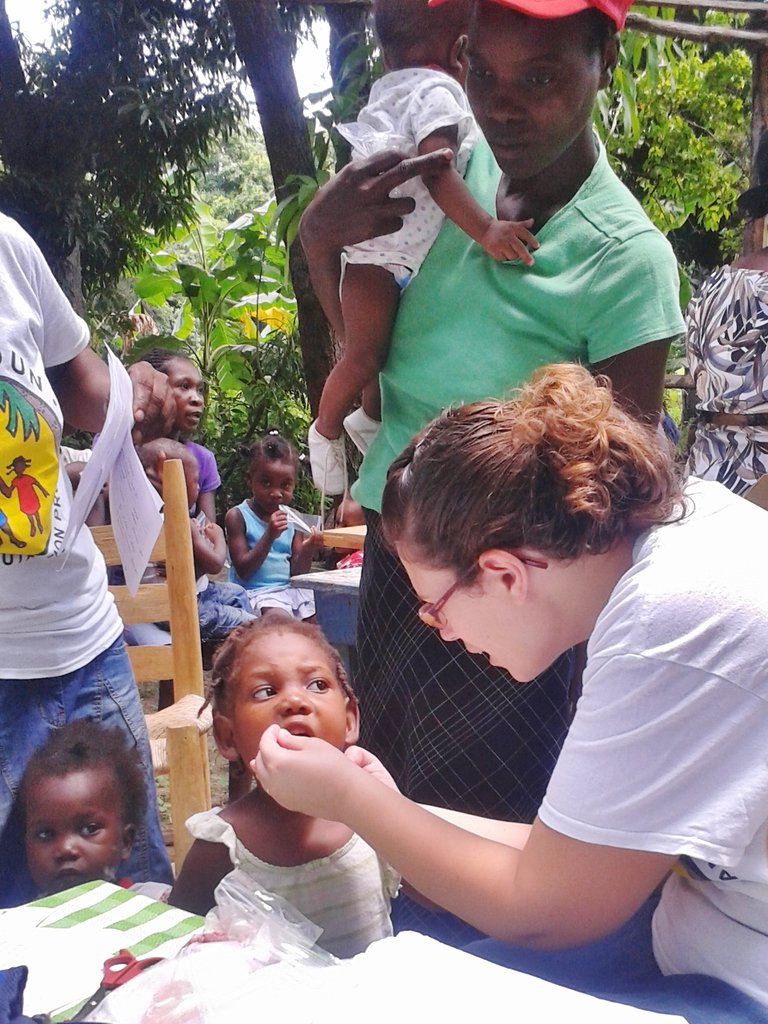
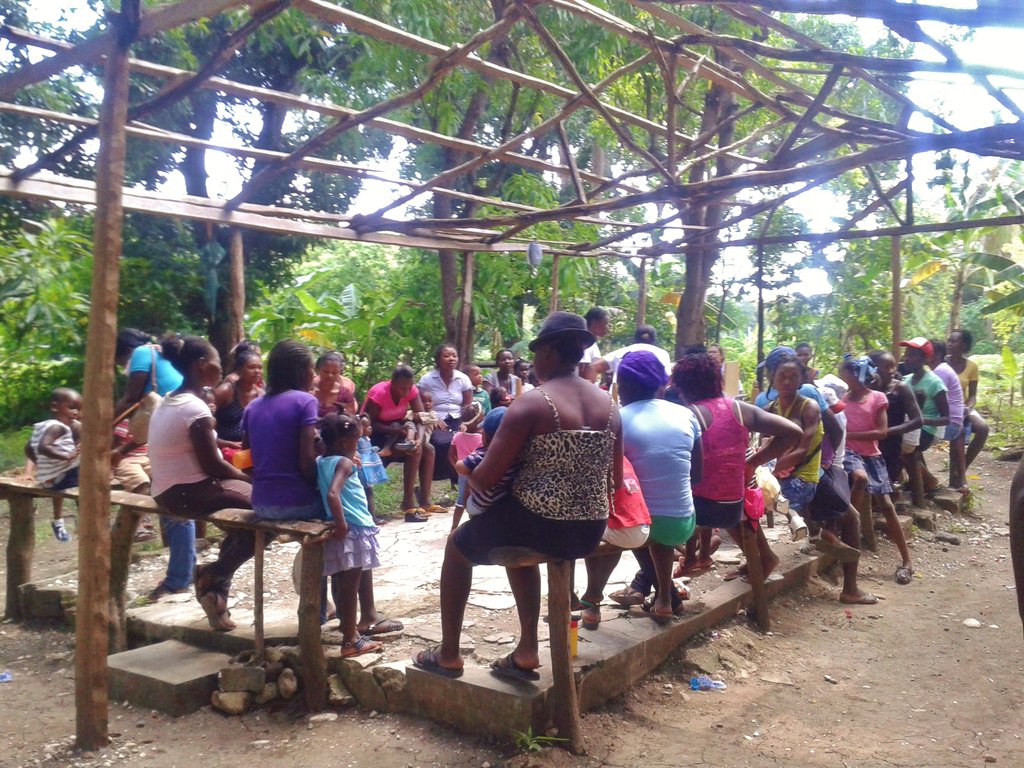
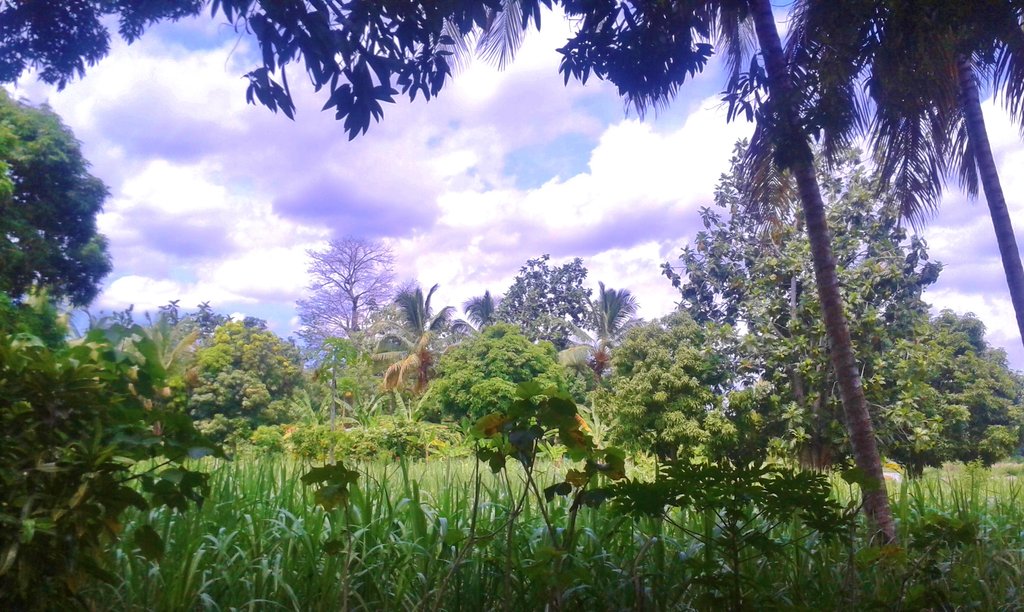
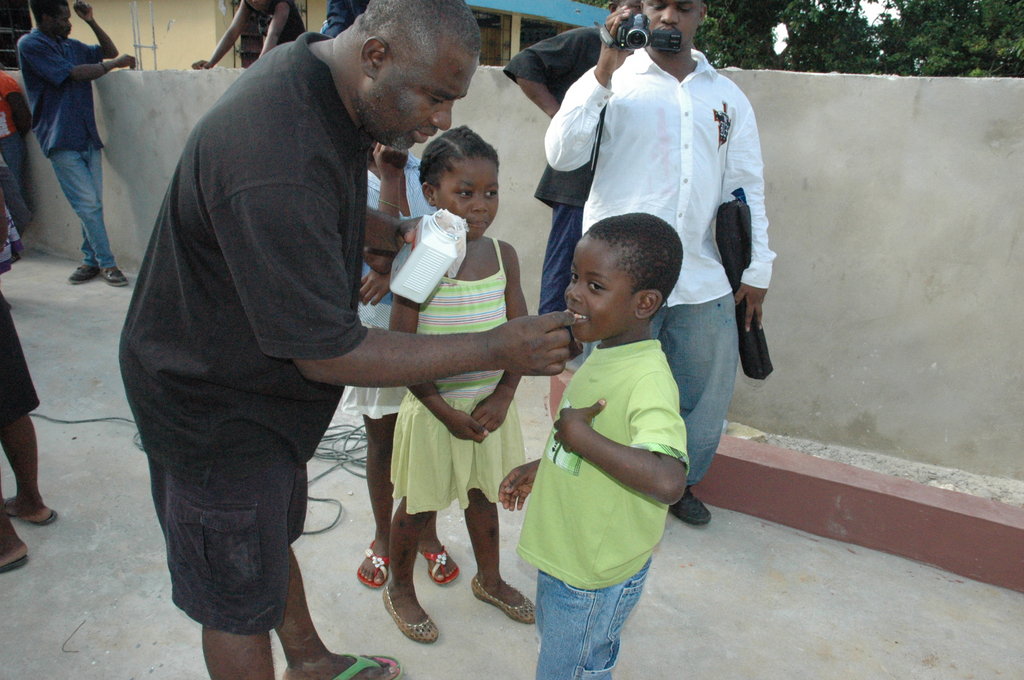
Next stop is an outreach clinic in the beautiful countryside outside Port-au Prince, Haiti's capital. Around 30 women have gathered at the community meeting place, after hearing adverts over a megaphone during the days before. They are here to learn about nutrition for their babies and children. This is Haitian-run clinic, by the people, for the people. The monitrice (local health worker) is already known and trusted by women in the village, and she helps weight and measure the height of the children. She assists two other health workers who specialise in community health, both Haitian. The only "foreigner" is Jess, a intern who has moved to Haiti with her husband to put her dvelopment degree into action. Once the children have been measured, and those with malnutrition are refered to the clinic for treatment, all children receive a de-worming tablet and a vitamin supplement, in the form of a liquid capsule. After my own experience of screaming children on the paediatric unit in the UK, I am astounded to witness children as young as two, willingly open their mouths to let Jess squeeze in the vitamin supplement liquid, as if they have done this a thousand times before. There is no screaming or crying, only moms happily chatting in the shade while their children play around them. After the distribution, the health workers take the opportunity to talk about family planning, and the women listen attentively because why not stay in the shade a little longer and hear what they have to say? "This is it", I think to myself, "this is public health at it's best" and I am so proud to be a part of it.
Project reports on GlobalGiving are posted directly to globalgiving.org by Project Leaders as they are completed, generally every 3-4 months. To protect the integrity of these documents, GlobalGiving does not alter them; therefore you may find some language or formatting issues.
If you donate to this project or have donated to this project, you can receive an email when this project posts a report. You can also subscribe for reports without donating.