By Diedre Paterno Pai | Executive Director
I just returned from nearly three weeks with our staff and in Kenya. If you havent been to Kenya, it is time to go (and we can work with you to make sure it's the experience of a lifetime!). I was able to meet students, teachers, principals, board presidents, mothers and aunties. I spent a sunset watcing a giraffe run across the plains, wishing I could see what chased it in the tall grass. I also some inhumane poverty and a childrens home full of children who are HIV positive. I saw strong, clever women building homes and programs that strengthen their comunities and reclaim them. I sat in the presence of young adults taking leadership trainings, learning who they are and how to succeed. I walked alongside of teenagers, making sure that younger children are cared for before putting their heads down to study for the evening. I walked away completely sure that Kenya is full of smart people, finding smart solutions to problems. It is an honor to be a part of their community.
More importantly, as our Technology Director, Andrew, tirelessly drove me all over the Meru region, I saw what makes Kenya ready to lead in technology and other STEAM fields- the culture is already a Maker culture.
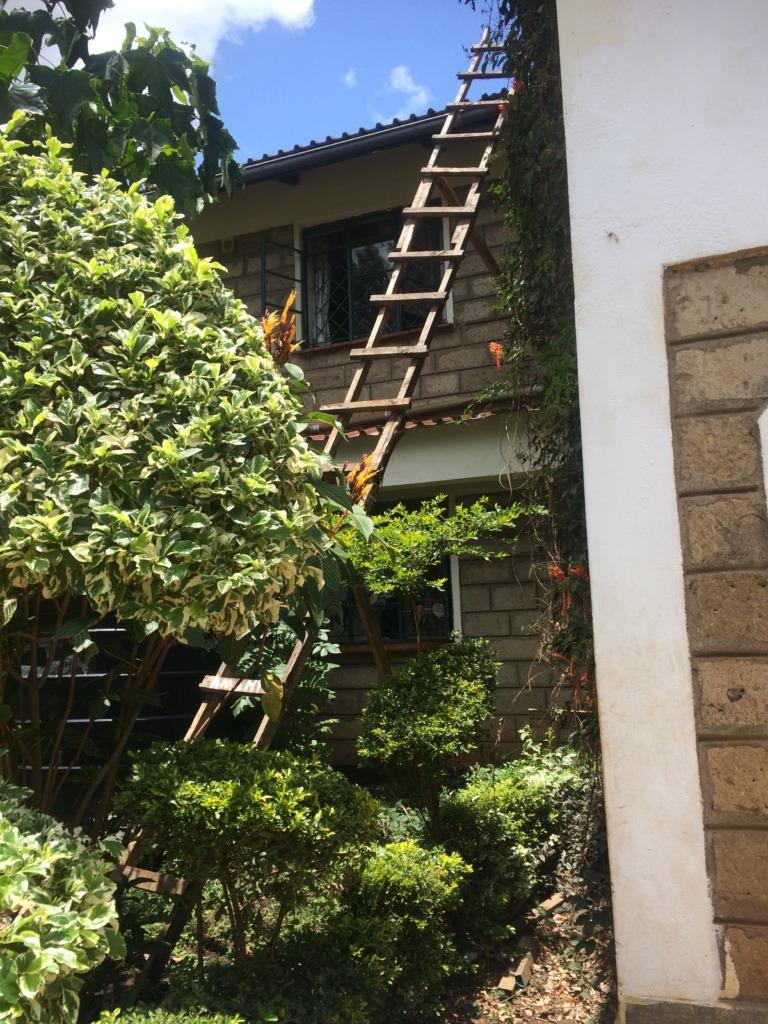
If you dont have the money for a ladder, you make one.
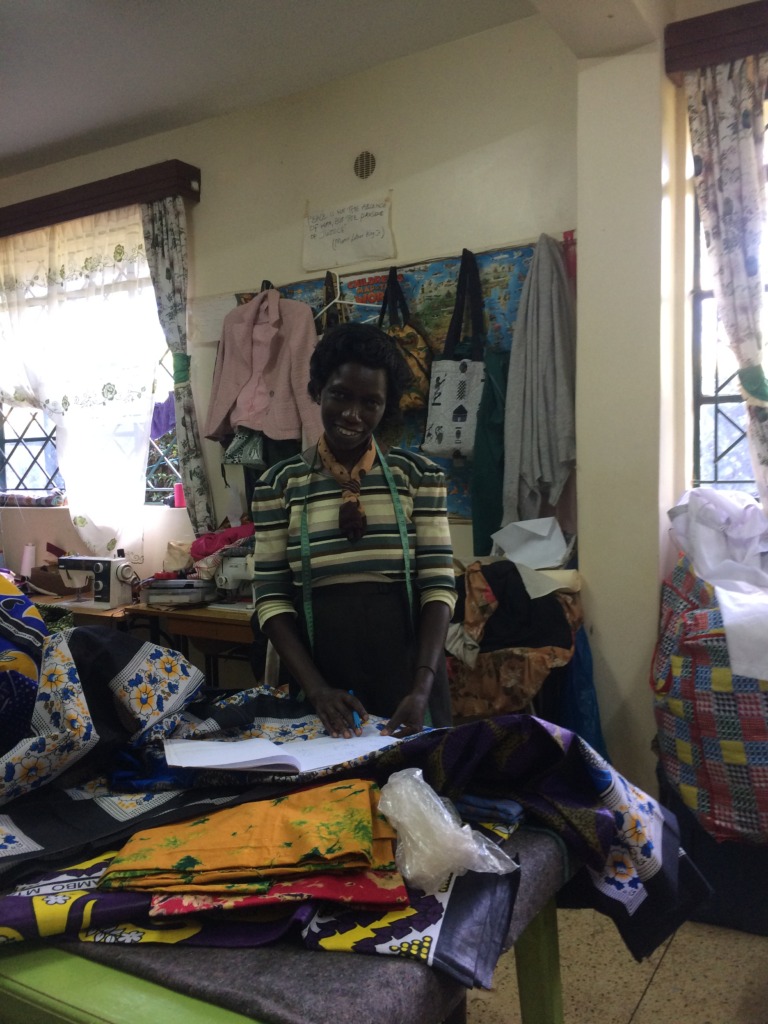
Need a dress? Make one.
Have a problem in your community? Create and implement a program to address it.
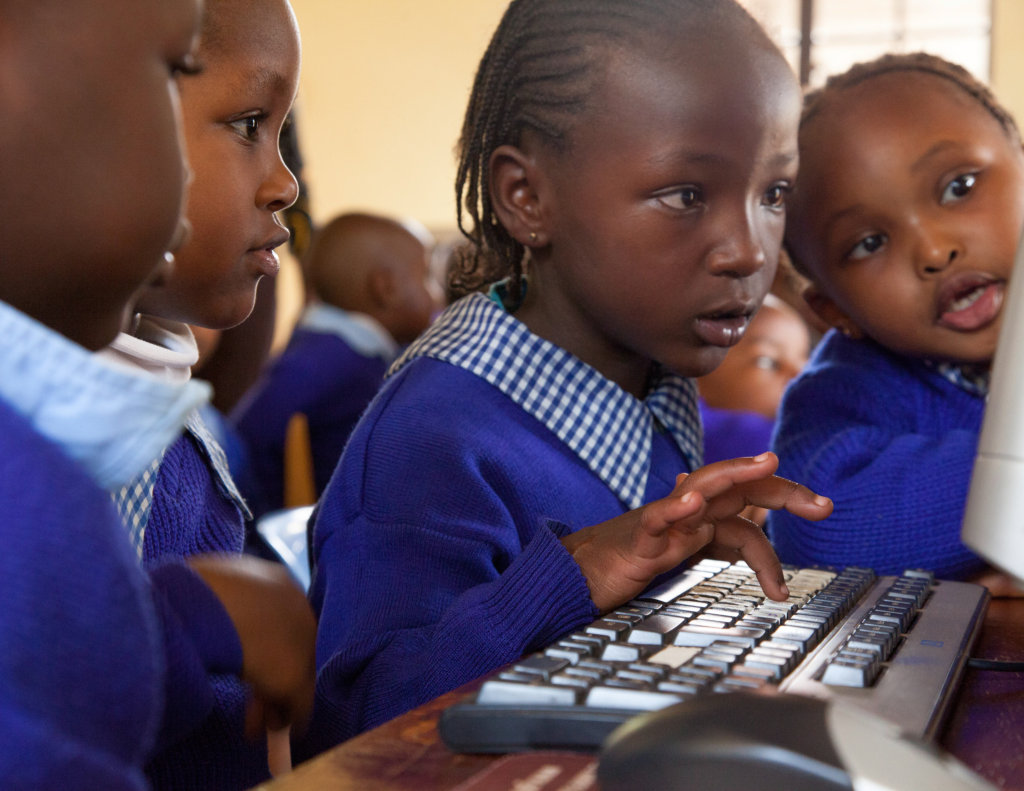
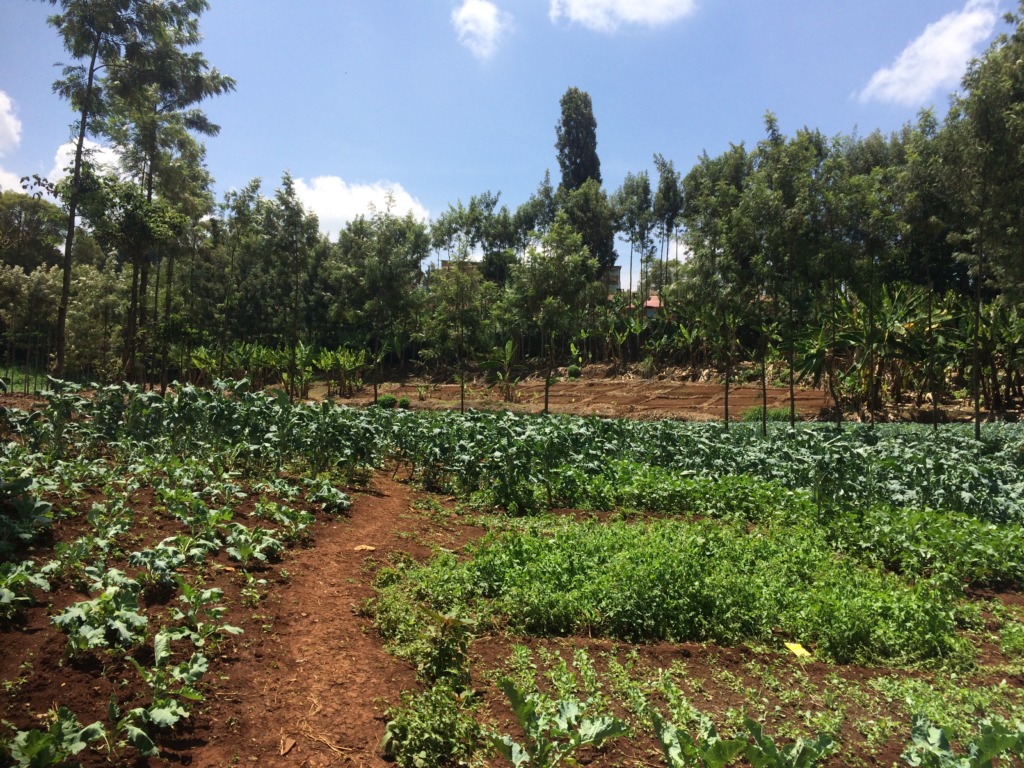
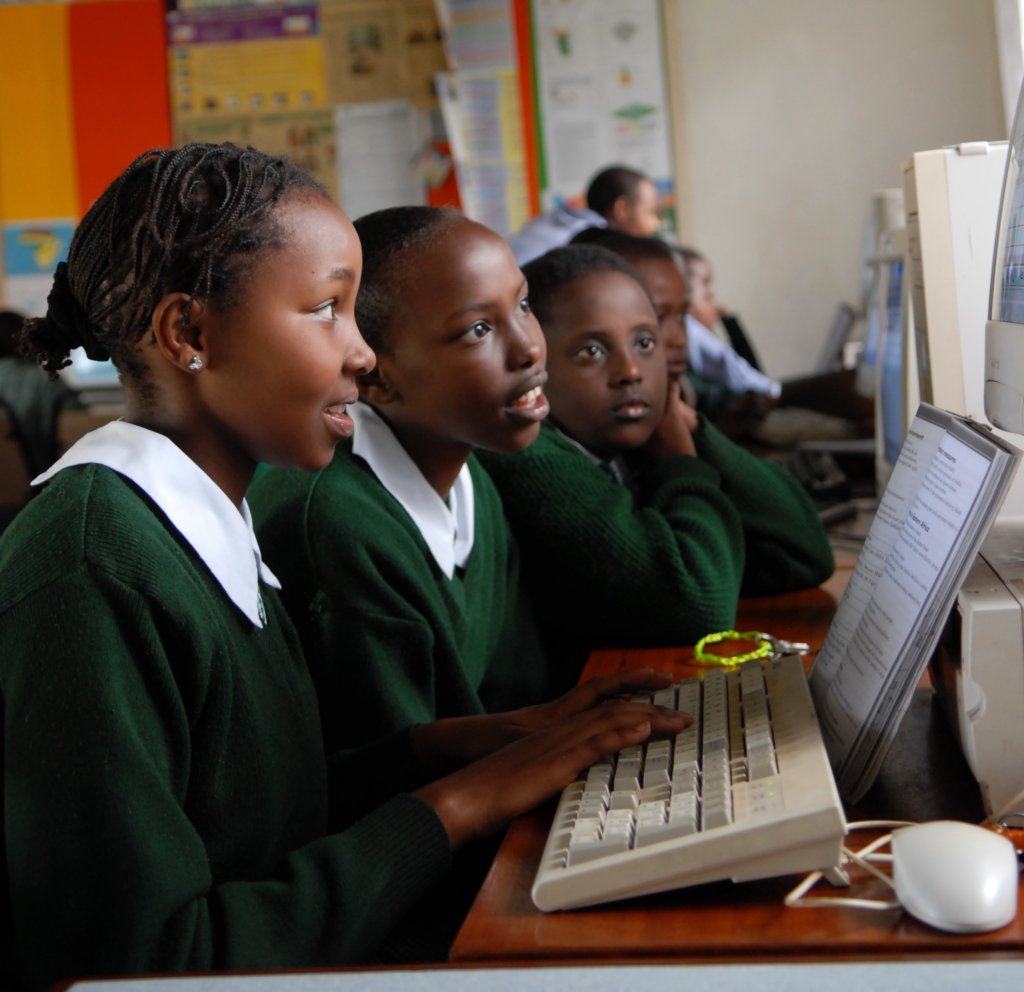
I met the principal at Consolata Girls Boarding school. When Lydia took over the school in November, there were huge hurdles. The school had been poorly run, with national test scores demonstrating that the students weren't being given the education they deserved. The girls mostly come from poor, nomadic tribes in the north and they must travel through very dangerous areas to get their boarding school. Malnourished, the girls struggled to meet the rigorous demands of the Kenyan academic system. It took Lydia about five months to turn the school around. She converted the bush around the school into a farm that feeds the girls. Livestock grazes behind the school and the sounds of cows being milked and chickens being chased off their eggs, met us as we got a tour of the thriving campus. Test scores and health are on the upswing and the computer lab is a popular destination on campus. Kenyans don't flinch at obstacles like Lydia faced, they solve their way out of them.
When we talk about 21st century skills, we talk about critical thinking, resilience and collaboration. In Kenya, you can't survive without these traits.
Kenyan students do not need our pity or our aid. They need our investment in their potential because as the economy modernizes, these children will lead a Kenya that is connected. You combine the life skills that are the foundation of Kenyan culture with a quality STEAM education and these children will soar.
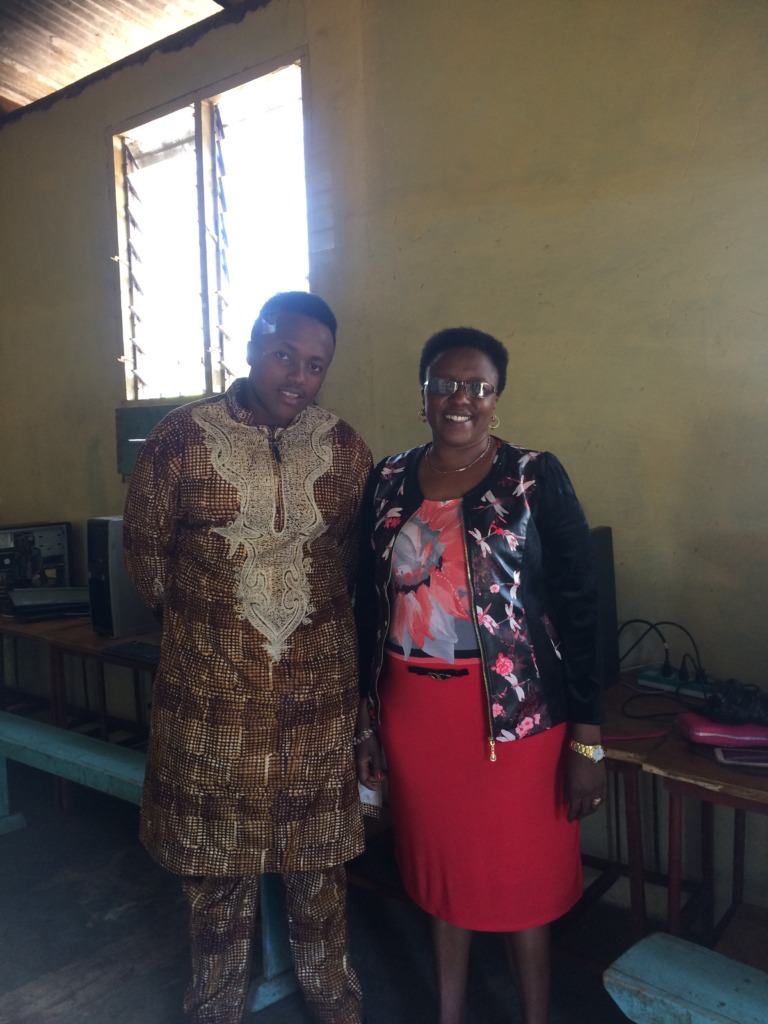
I had the pleasure of meeting Levy Muthomi and his mother who came to meet us at the school she leads, despite it being Easter break. Before Levy leaves to pursue his Computer Science degree at University, he wanted to meet me and tell me about how he fell in love with technology.
When he was a young primary student, Technology Partnership came to his school and worked with his community to build a computer lab, train his teachers and install quality machines. His future is bright becasue a decade ago, he was invested in, as all children should be. He worked hard, maintained his grades and resisted his friends pleas to skip school and go fishing. Why? Because he had found a course of study that thrilled him and offered him a route to a successful life, using his sharp mind. We are excited to see what comes next for this young man and his proud mother who is determiend to create the same opportunity for every student at Bishop Imathiu Primary.
We hope you'll stay on this path with us and consider supporting us on a deeper level. While I left Meru excited and honored to be a part of the community, I know that we need a lot more support to bring our computer labs back to the level of quality the students of Meru deserve.
Project reports on GlobalGiving are posted directly to globalgiving.org by Project Leaders as they are completed, generally every 3-4 months. To protect the integrity of these documents, GlobalGiving does not alter them; therefore you may find some language or formatting issues.
If you donate to this project or have donated to this project, you can receive an email when this project posts a report. You can also subscribe for reports without donating.