By Ogechi Anoka | Child Health and Nutrition Officer
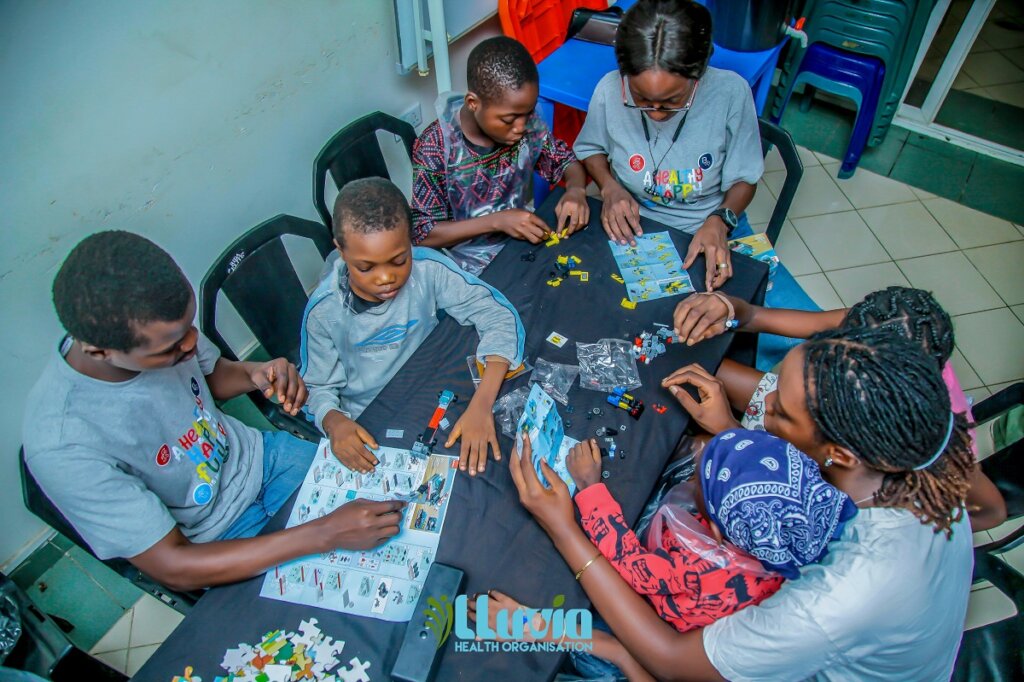
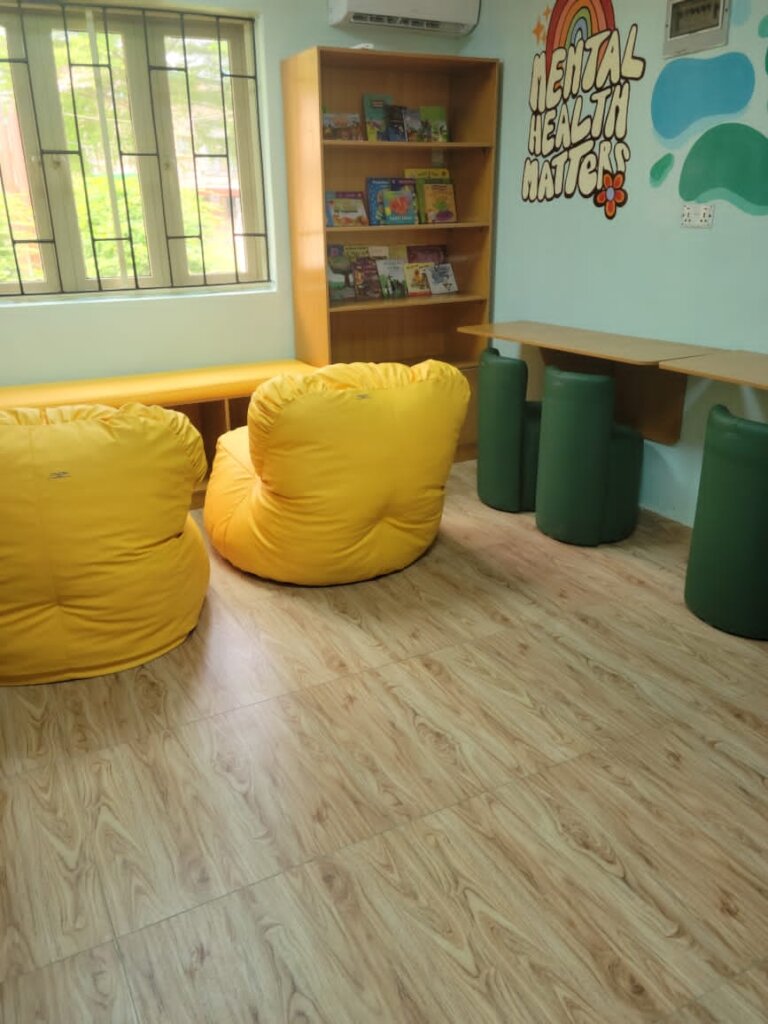
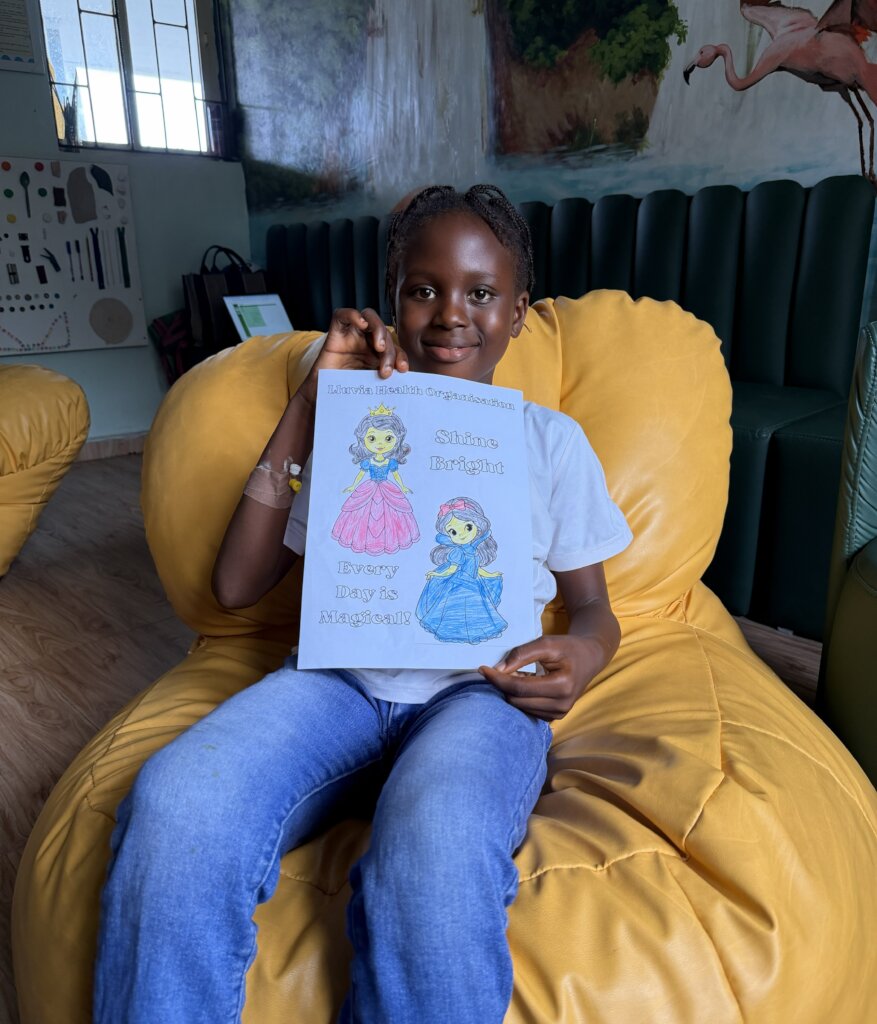
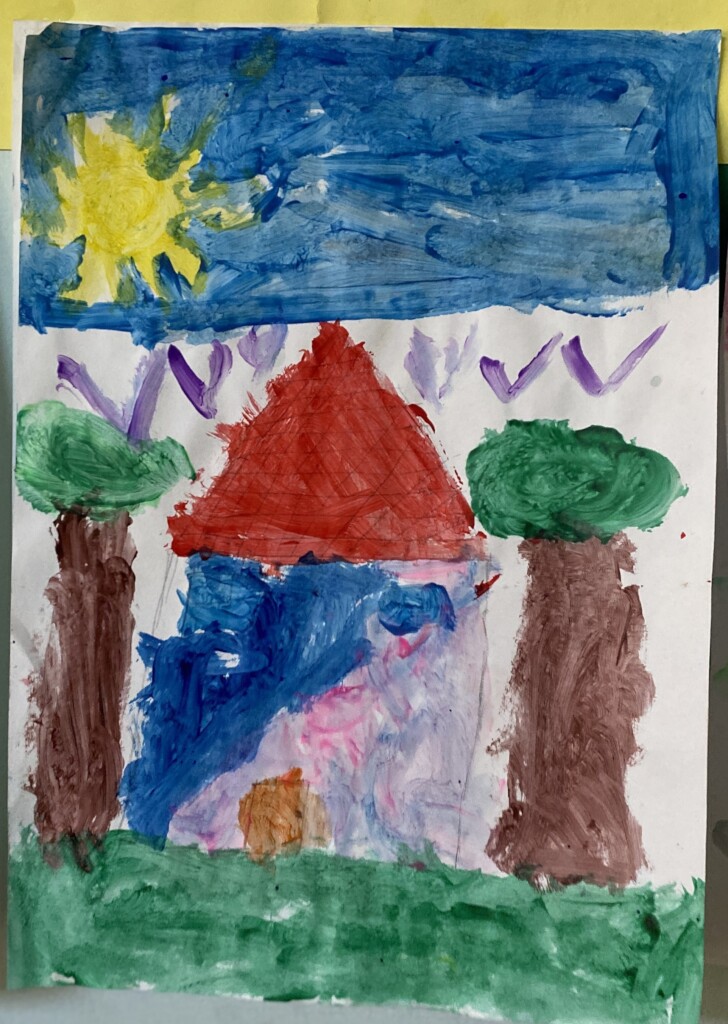
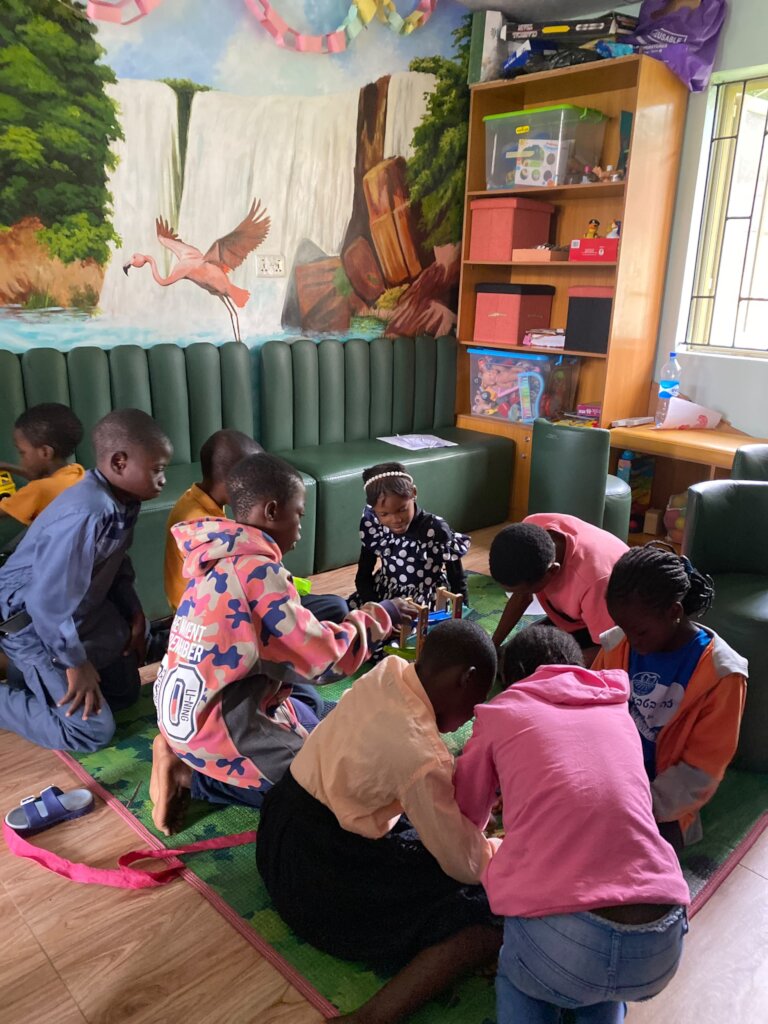
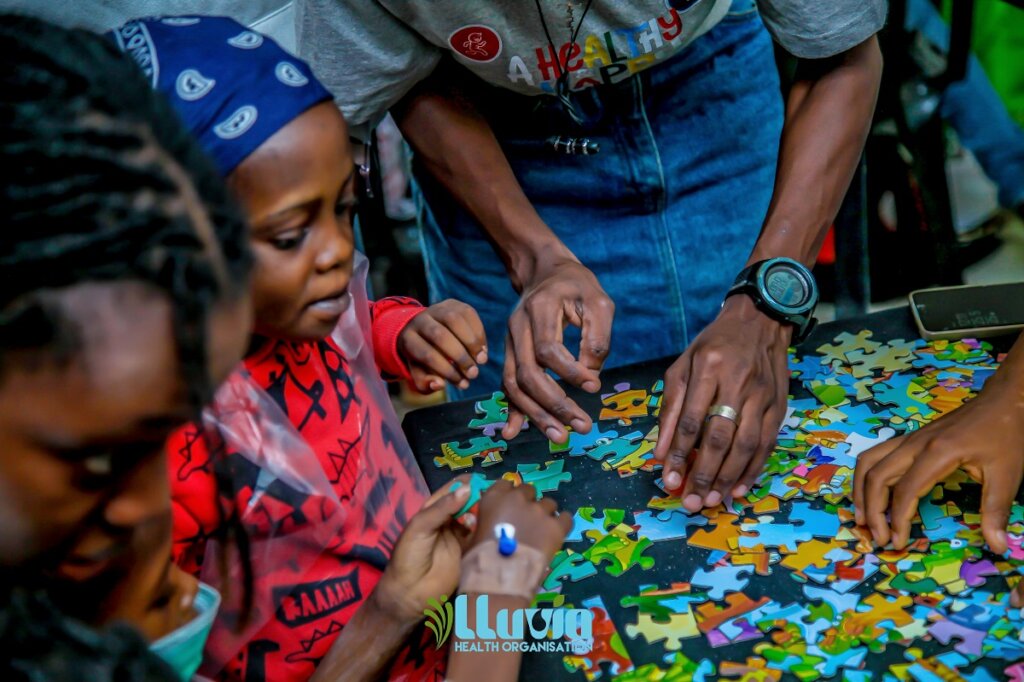
Since our last update, the Play & Psychosocial Hub at Gbagada General Hospital has continued to provide children with a safe and supportive space to play, express themselves, and experience moments of normalcy while receiving healthcare.
Between May and August 2026, the hub recorded 207 child interaction sessions and reached 160 unique children. Children visiting the hub included those receiving care for sickle cell disease, malaria, acute illnesses, routine immunisation, and general check-ups. Across these months, repeat visits continued to show that the playroom is becoming a trusted part of children's hospital experiences.
Children Are Telling Us That Play Makes a Difference!
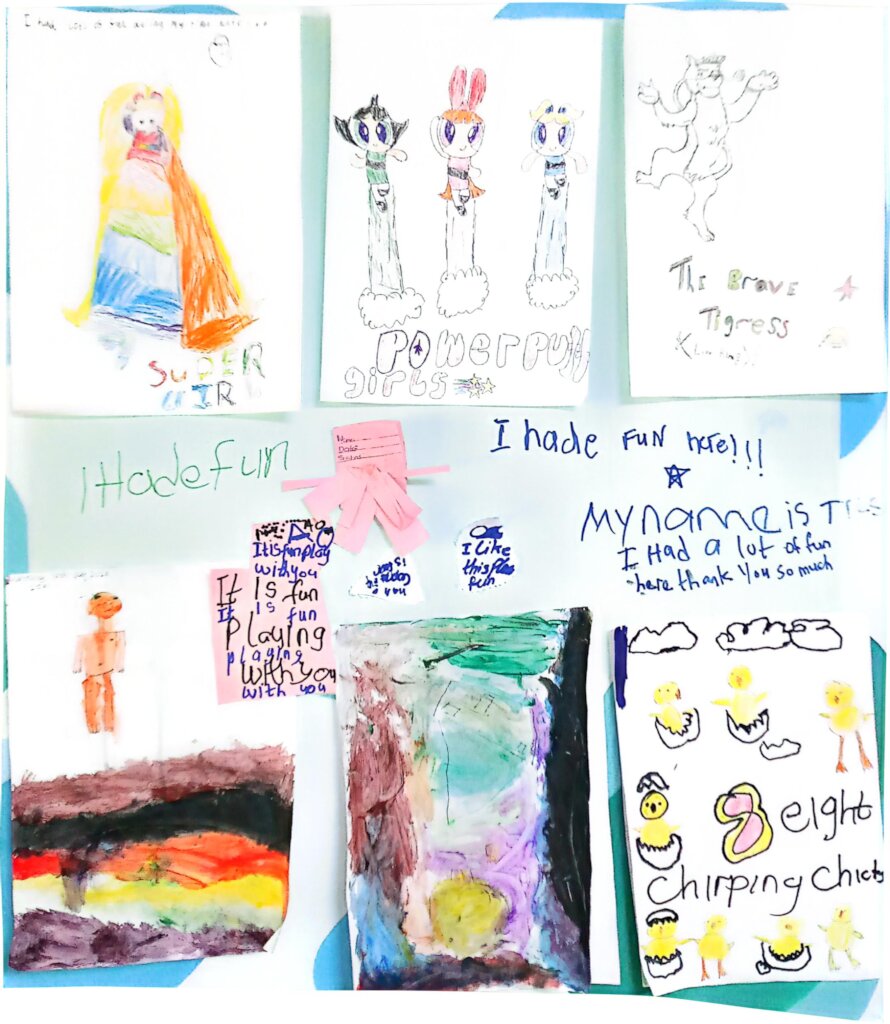
The feedback we've collected from children has shown the positive difference the playroom is making. In May, 91.7% of children reported feeling happy after their session, while 83.3% said the playroom made their hospital visit better. In June and July, both measures reached 100%, with every child surveyed reporting that they felt happy after their session and that the playroom made their hospital visit better.
In August, feedback was collected from 21 children. 100% reported feeling happy and cared for, while 95.2% said the playroom made their hospital visit better. Nine out of ten children said they would like to return during a future hospital visit.
Repeat visits are also becoming an important part of the experience. Between May and August, 35 documented repeat visits were recorded, including one child who visited five times during an extended inpatient admission and another child who returned five times in August.
Together, this feedback and repeated engagement suggest that children and families are increasingly seeing the hub as a welcoming and trusted part of their hospital experience.
Bringing Parents Into the Experience
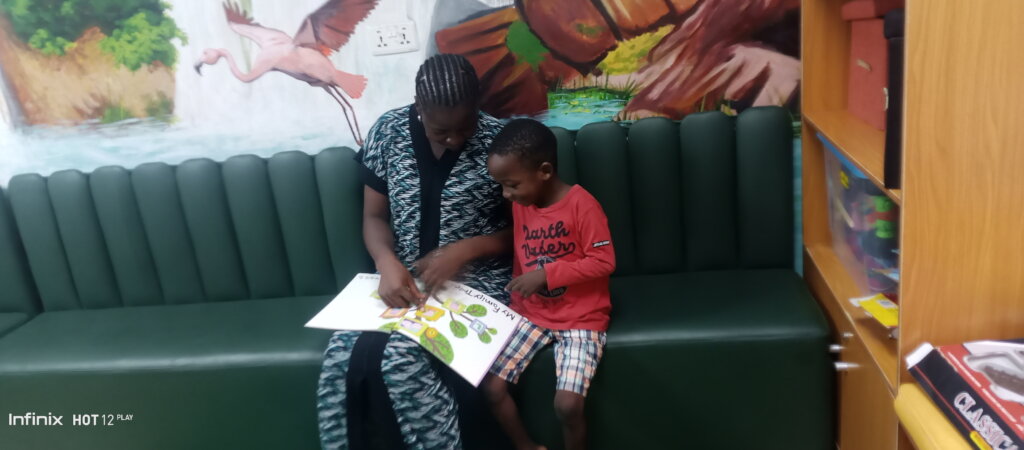
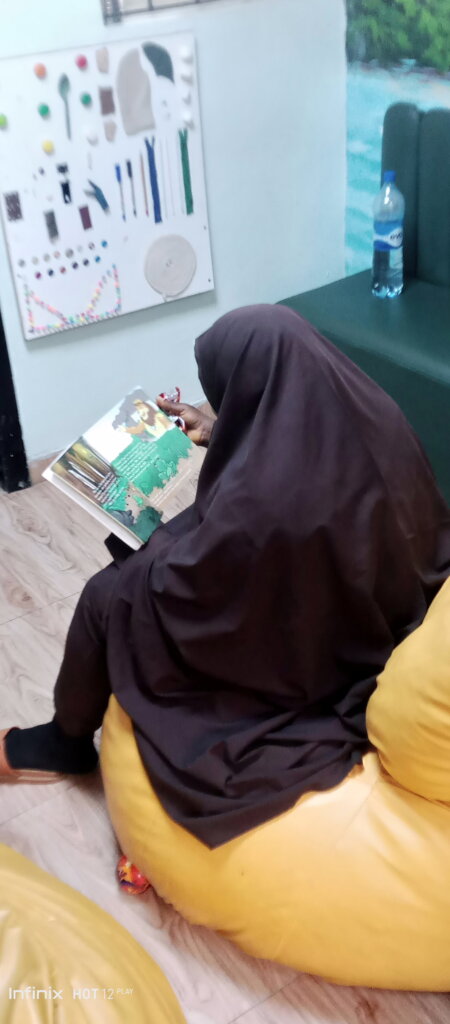
We recognise that supporting children means supporting the adults who care for them. During June and July, the hub introduced caregivers to Responsive Caregiving and the Care for Child Development approach, sharing simple, practical ways parents and guardians can communicate, play, and engage with children at home.
In July, 13 caregivers participated in a caregiver session focused on age-appropriate play and communication activities.
We have started to observe caregivers creating meaningful moments for themselves and their children. During a recent hospital stay, a mother of a child with sickle cell disease spontaneously organised a peer play session for other children and their caregivers in the ward. This was a positive example of how the hub can unite families and foster a sense of connection and support through shared experiences.
A New Chapter: Sickle Cell Support Group
August marked an important new chapter with the launch of the Sickle Cell Support Group, delivered in partnership with the Sickle Cell Foundation.
The six-month programme brings parent and child pairs together to build practical coping skills for navigating the everyday and emotional challenges of sickle cell disease. Through structured play and creative activities, our trained play interventionists support families to manage stress, strengthen connection, and build supportive relationships with others living with similar experiences.
The programme registered 20 caregivers and 21 children, with baseline surveys completed to help track progress over the six months.
Strengthening Care at the Hospital
Play & Thrive is also contributing to a more child-responsive hospital environment.
On 27 August, Lluvia Health Organisation formally handed over two vein finders and three stadiometers to Gbagada General Hospital for installation across the main ward, emergency ward, and outpatient area.
These donations will also support children living with sickle cell disease by making blood draws easier and supporting regular monitoring of their growth and development.
From children's smiles and feedback to returning visitors, caregiver participation, peer support, and the launch of the Sickle Cell Support Group, Play & Thrive continues to demonstrate that emotional wellbeing deserves a place alongside medical care.
Thank you to everyone who has helped us build and sustain this space. Your support is helping us create a different kind of hospital experience, where children are cared for not only for their medical needs, but also for their emotional wellbeing.
Links:
Project reports on GlobalGiving are posted directly to globalgiving.org by Project Leaders as they are completed, generally every 3-4 months. To protect the integrity of these documents, GlobalGiving does not alter them; therefore you may find some language or formatting issues.
If you donate to this project or have donated to this project, you can receive an email when this project posts a report. You can also subscribe for reports without donating.



Support this important cause by creating a personalized fundraising page.
Start a Fundraiser