By Hannah Bain | CFK Communications Manager
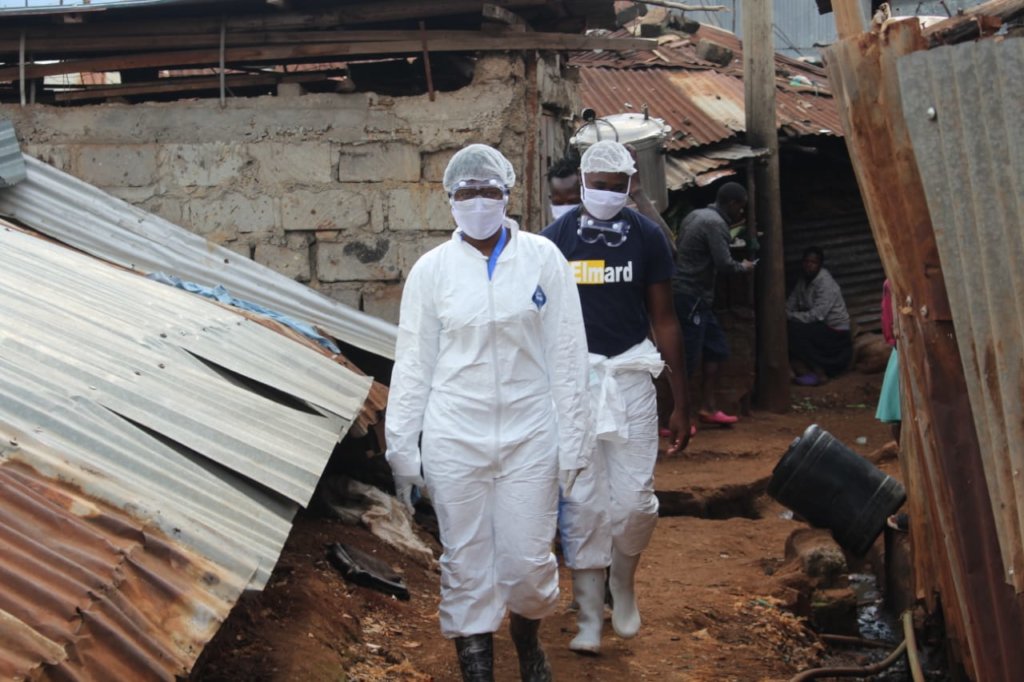
Though the COVID-19 pandemic has affected nearly every person in the world in some way, those living in informal settlements like Kibera continue to experience challenges disproportionately. Characterized by overcrowding, high unemployment rates, food insecurity, and a lack of access to basic services such as healthcare and clean water, Kibera is a vulnerable environment where residents are at a high-risk of infection. In these conditions, social distancing and self-isolation are virtually impossible.
Rooted in the Kibera community for nearly 20 years, CFK's participatory development approach has earned the organization and its staff the trust of residents and community leaders. During the COVID-19 pandemic, CFK has addressed the needs of Kibera residents in a timely and efficient manner, engaging directly with the community to understand the unique challenges facing informal settlements during this public health emergency. The coronavirus pandemic has highlighted the effectiveness of CFK's participatory development model and emphasized its strengths in facilitating multi-sectoral partnerships and providing comprehensive health services.
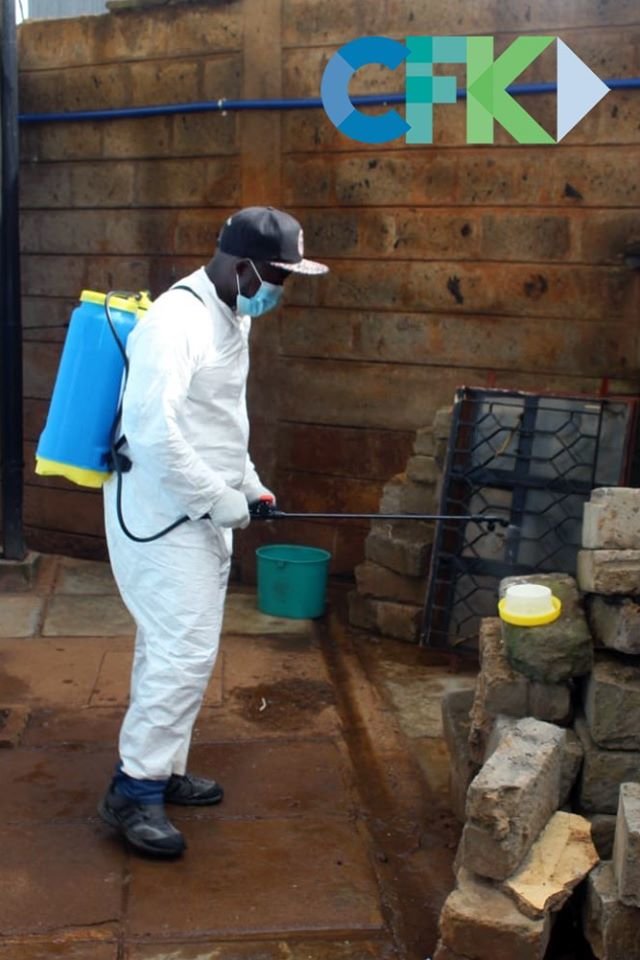
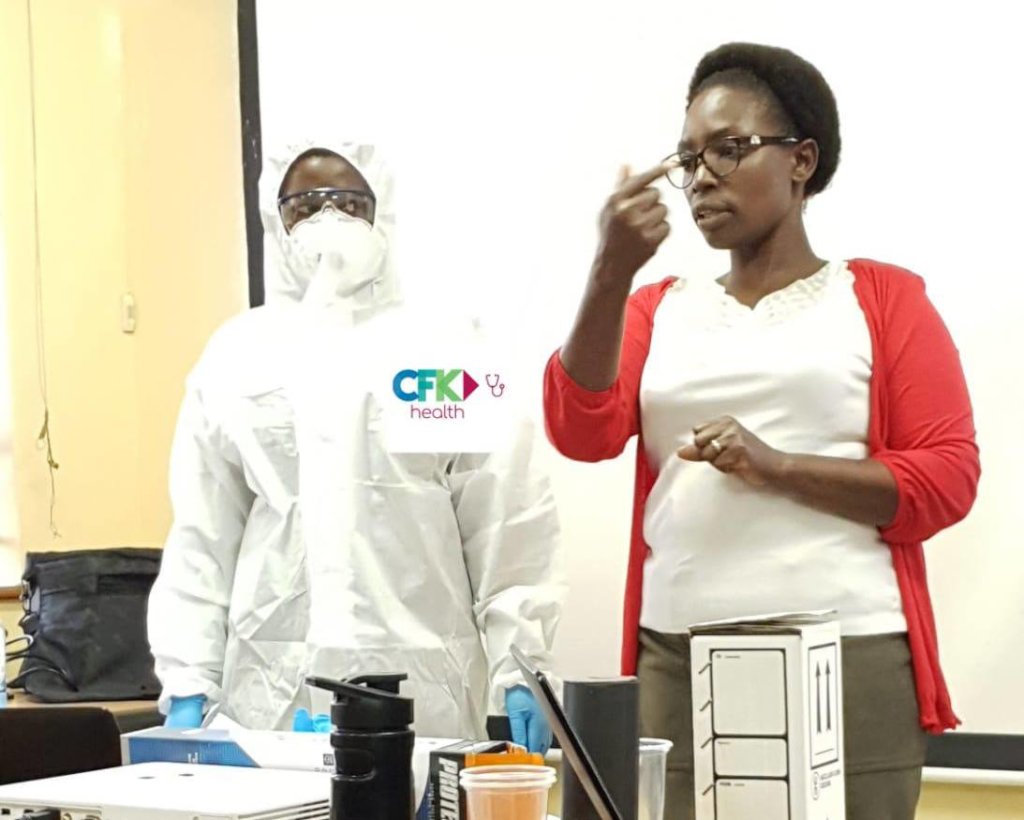
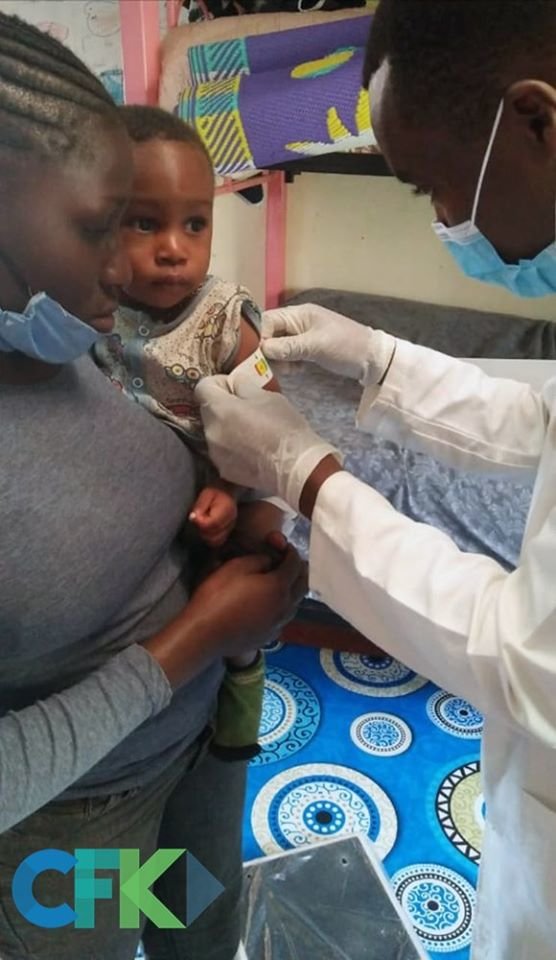
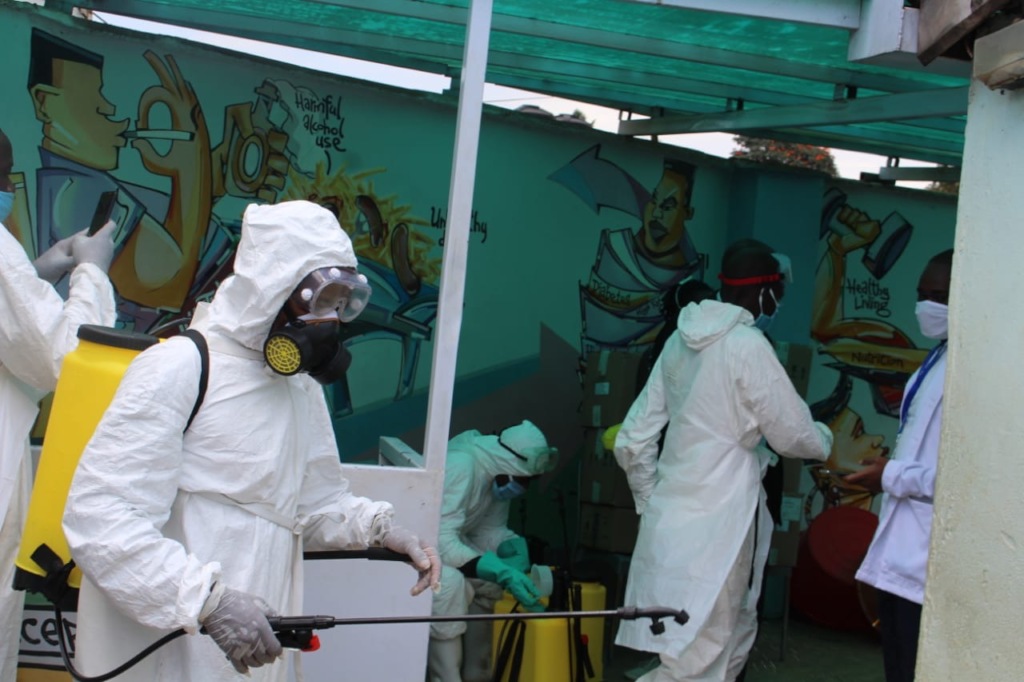
Through collaborations with the U.S. Centers for Disease Control and Prevention (CDC) and Kenya Medical Research Institute (KEMRI), we coordinated coronavirus sample collection and contact tracing efforts, trained community health volunteers (CHVs) on WASH activities and contact tracing protocols, and implemented health and safety measures for frontline healthcare staff. Tabitha Medical Clinic remains one of the few clinics in Kibera able to collect COVID-19 samples, and Tabitha Maternity Home has remained open 24/7. To date, CFK has collected more than 2,900 coronavirus samples.
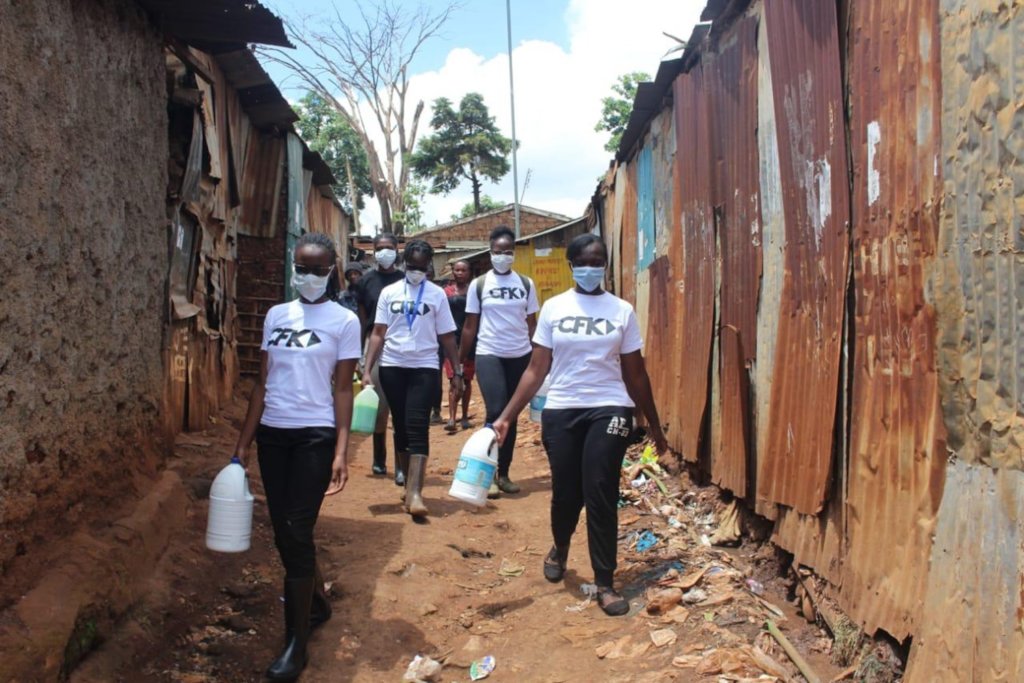
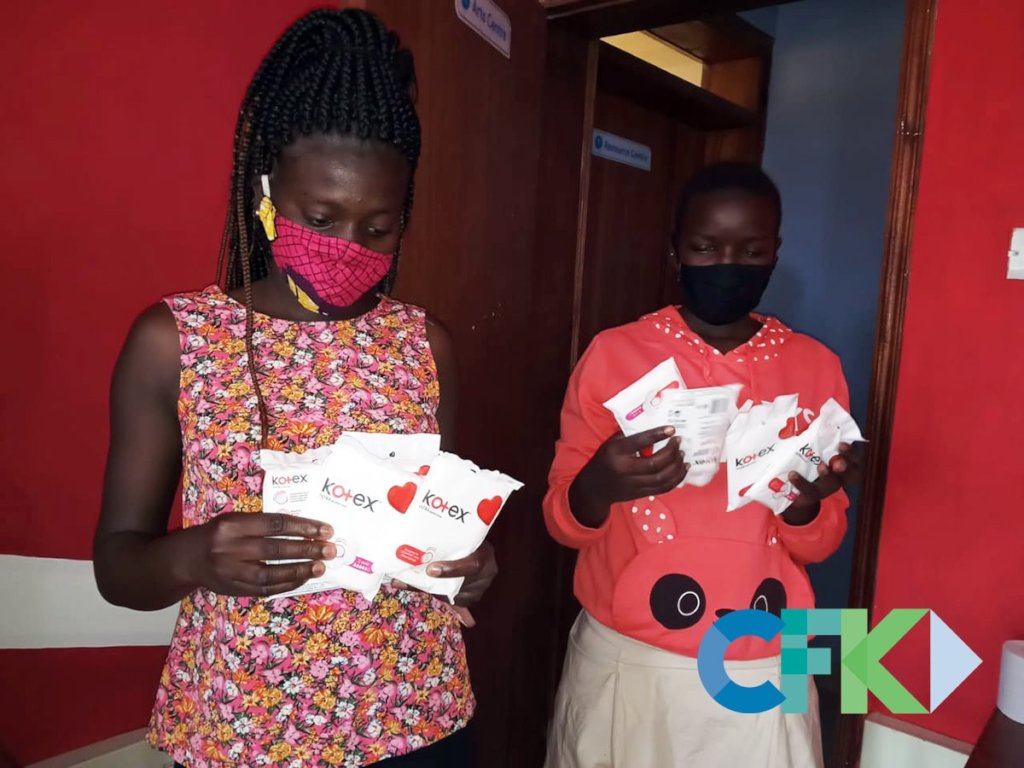
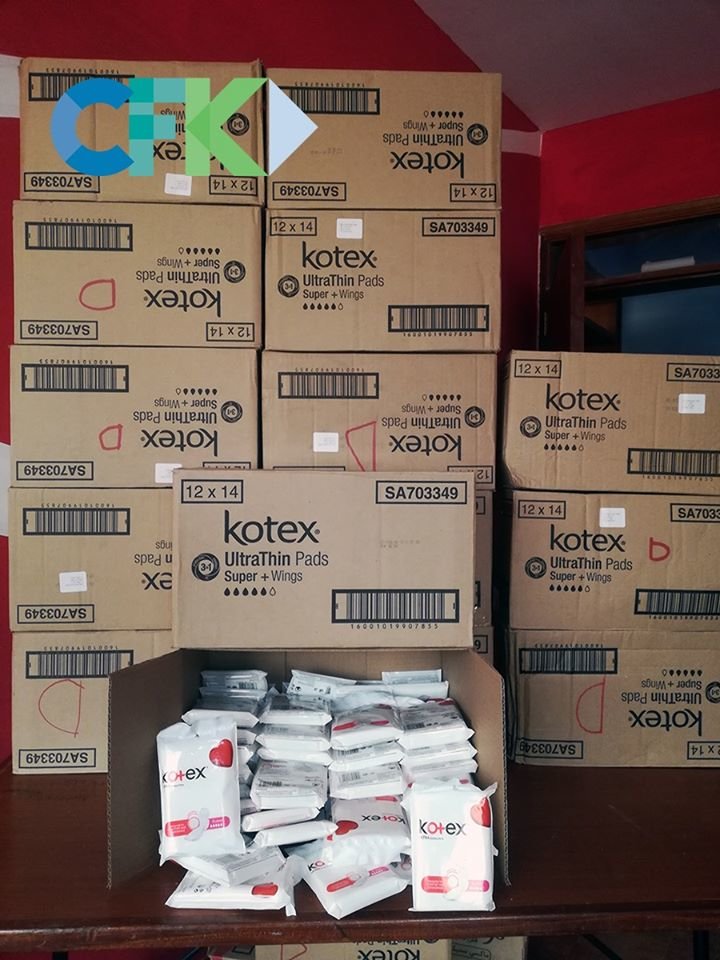
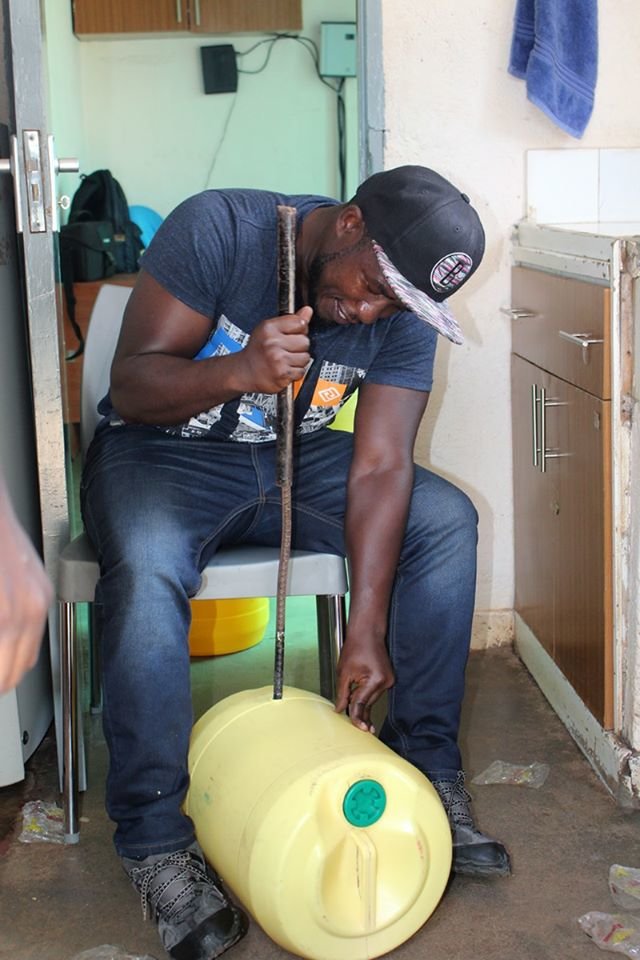
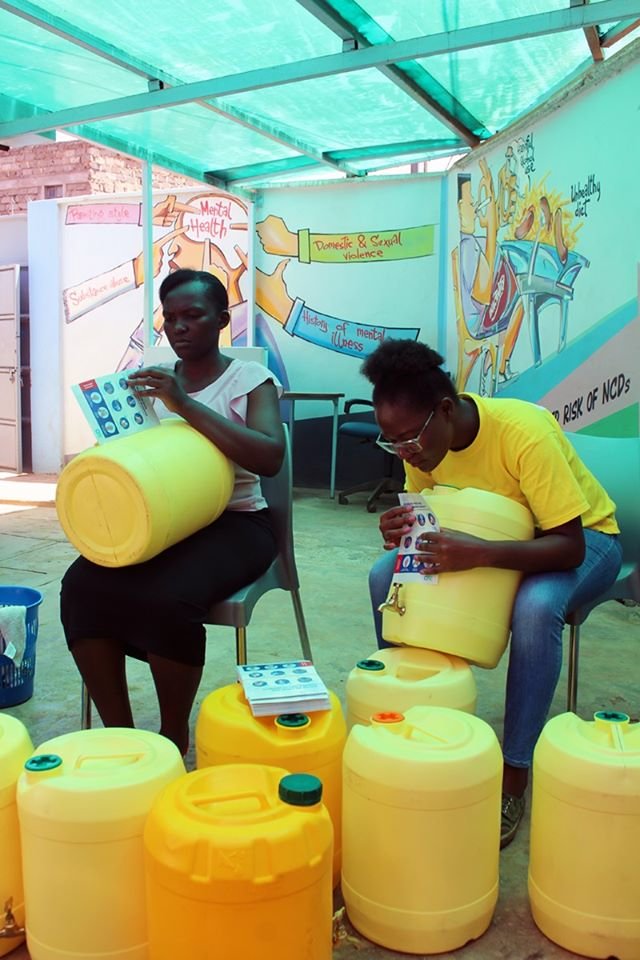
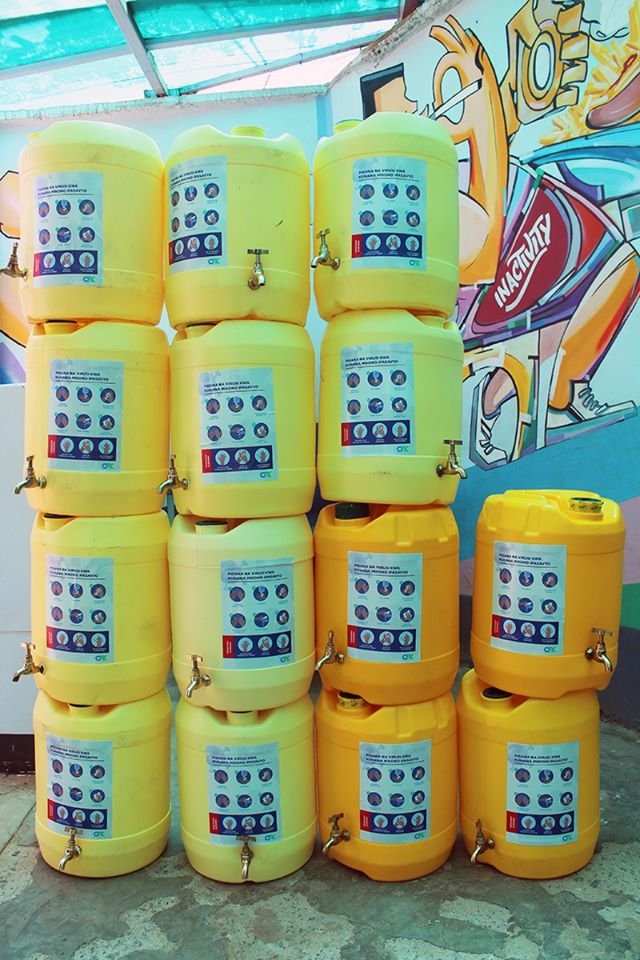
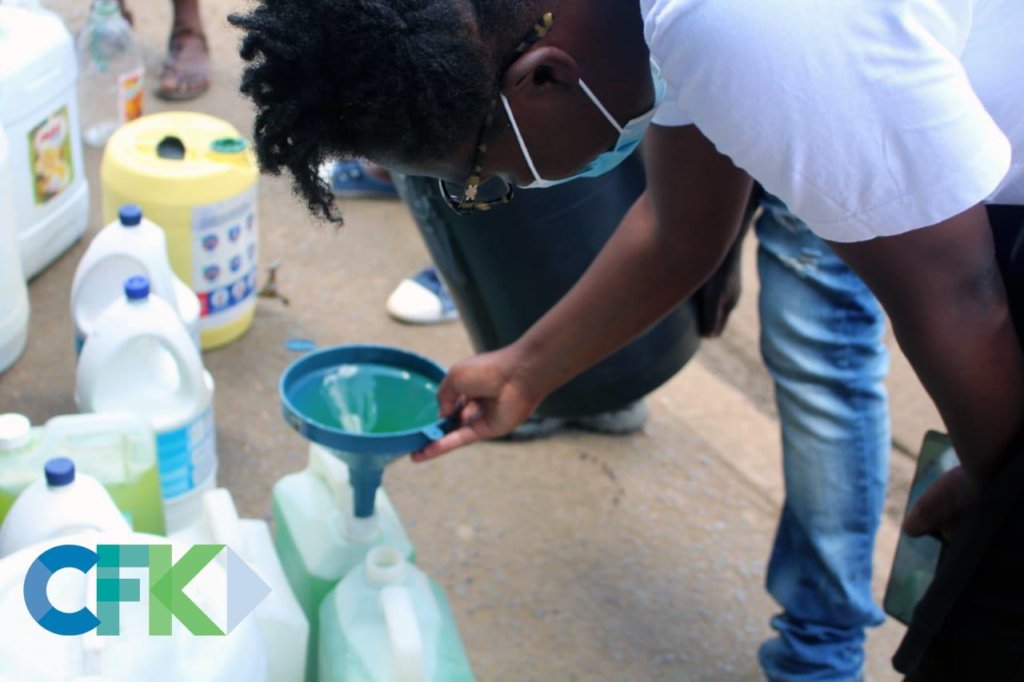
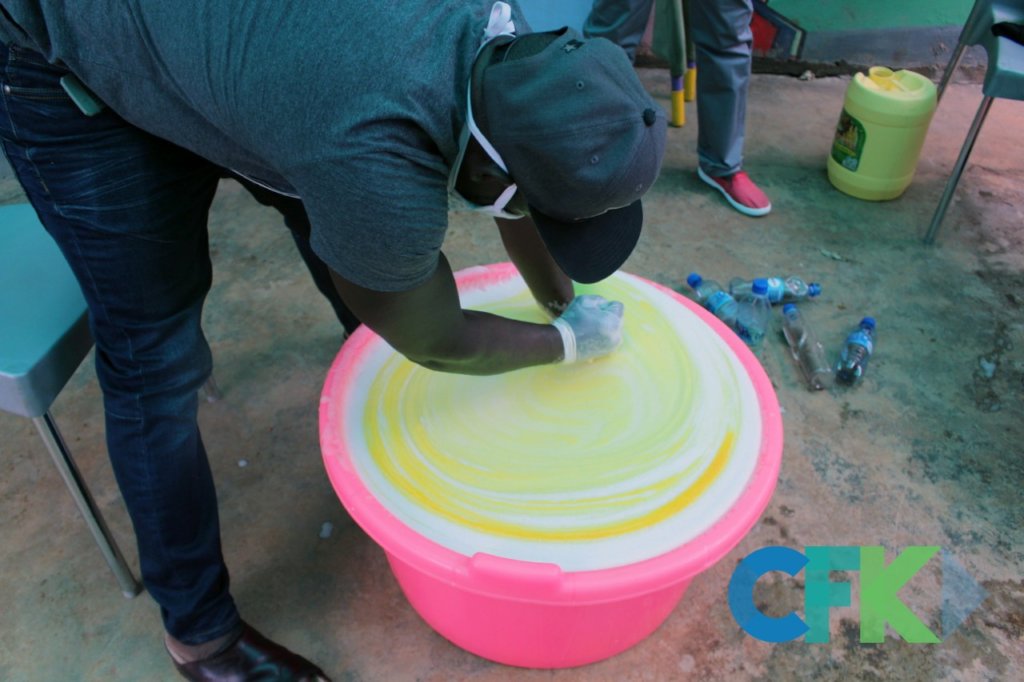
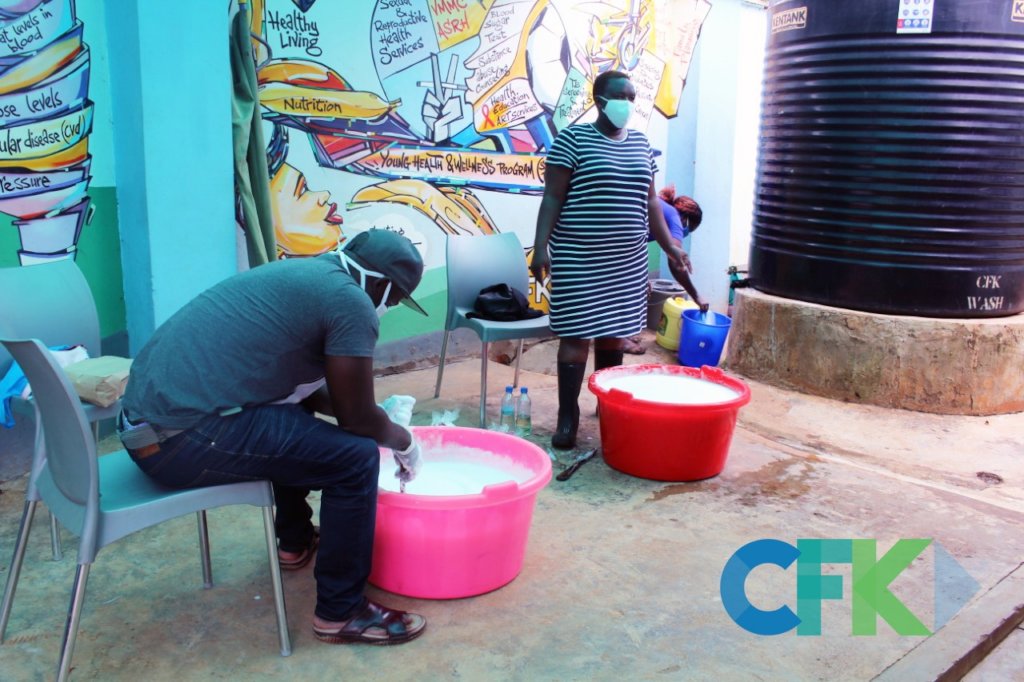
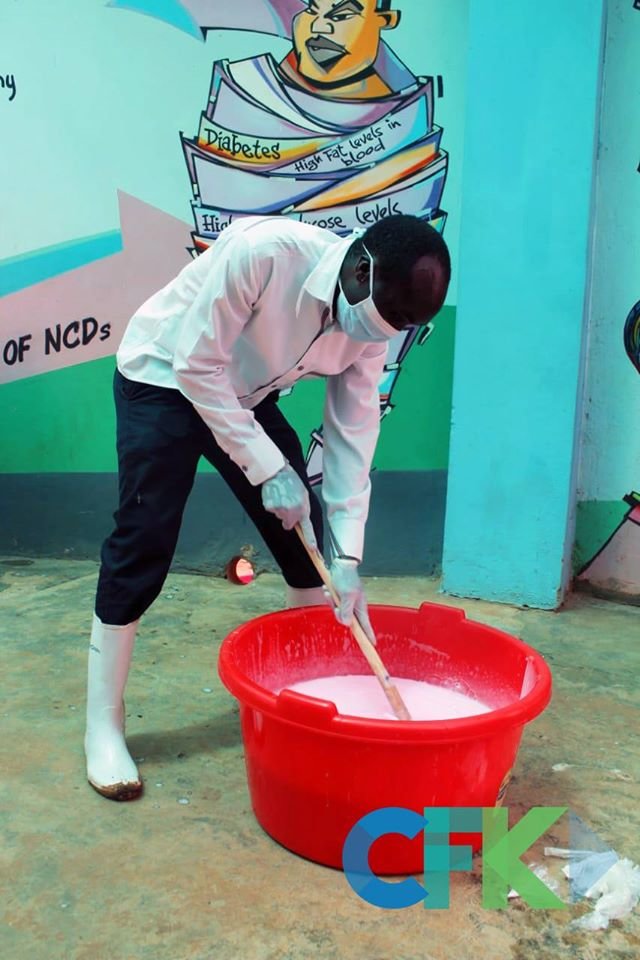
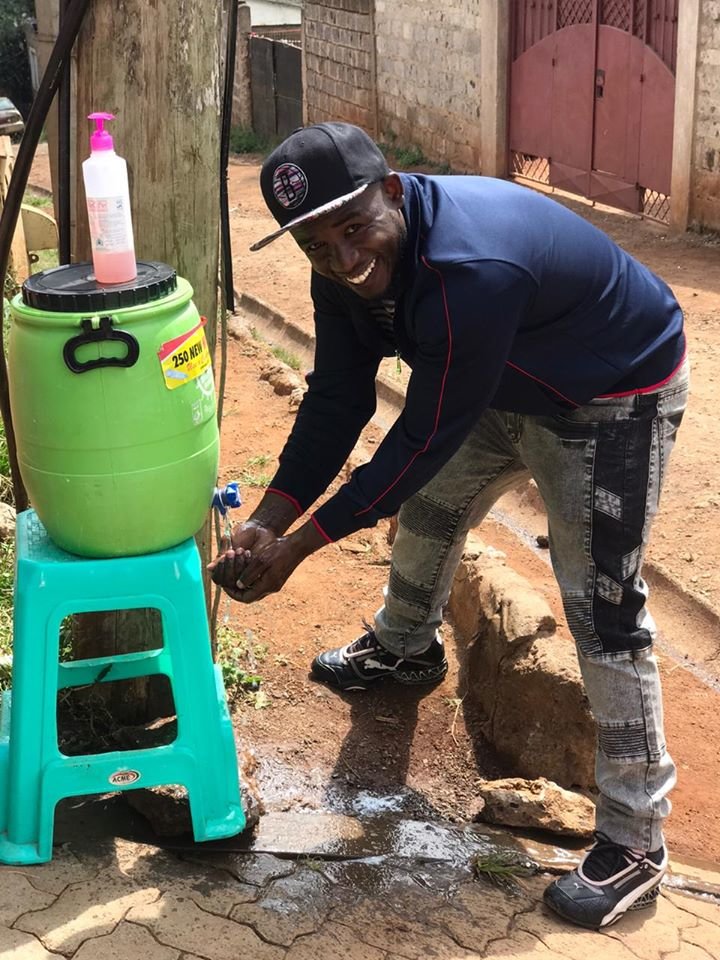
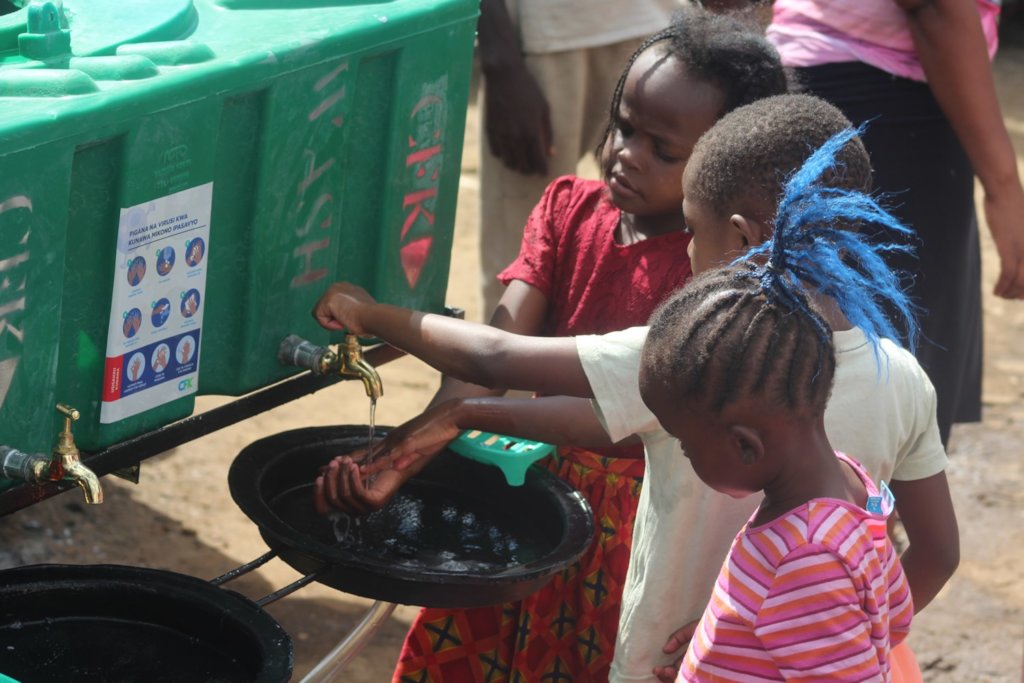
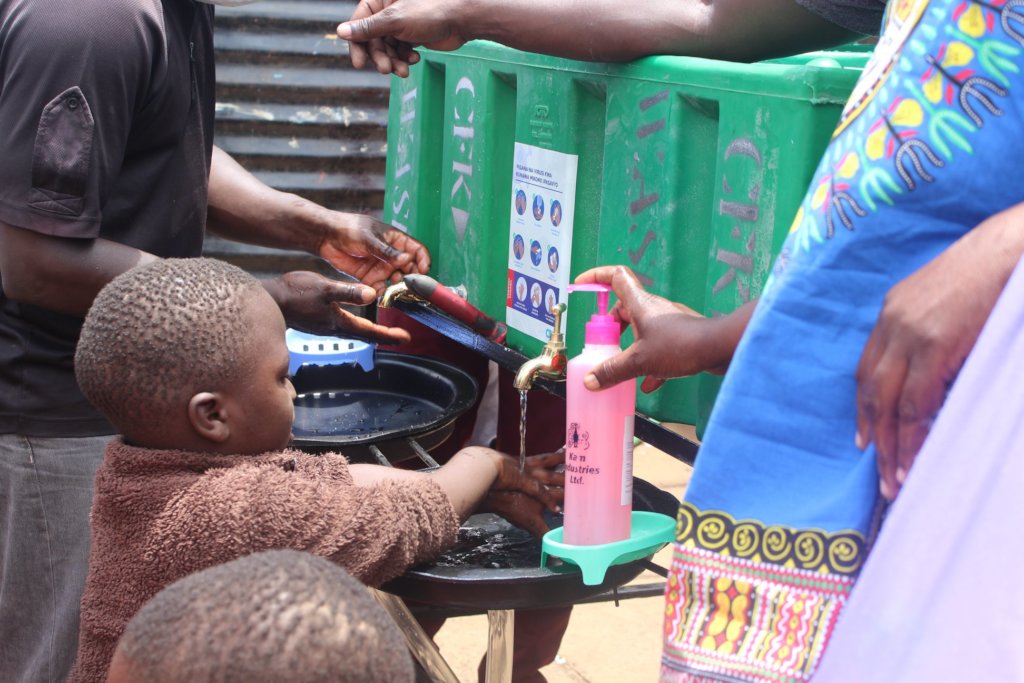
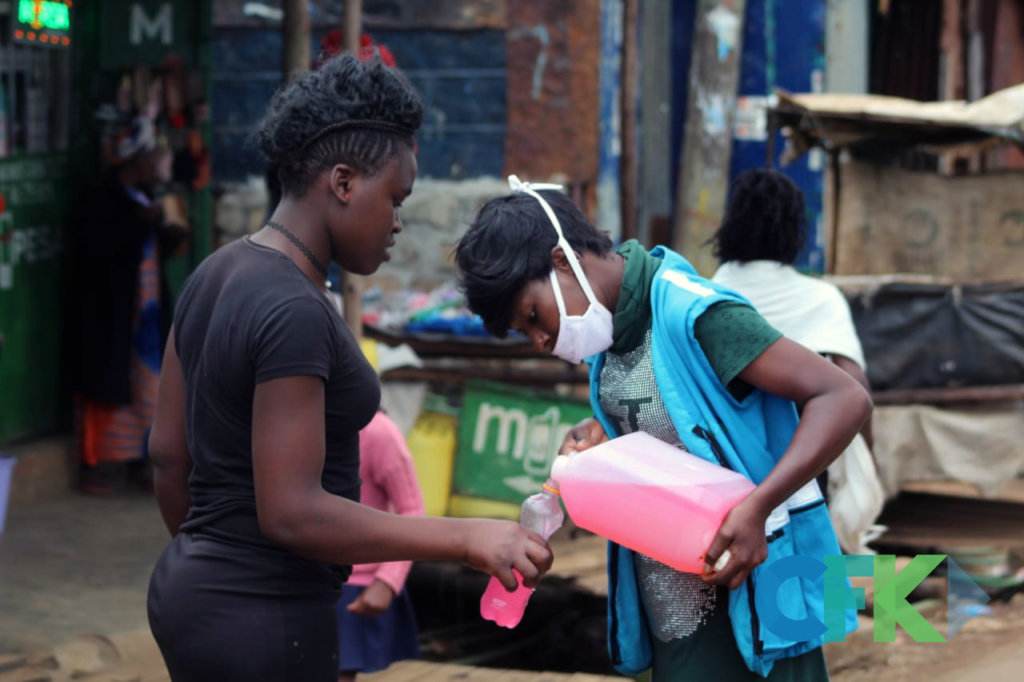
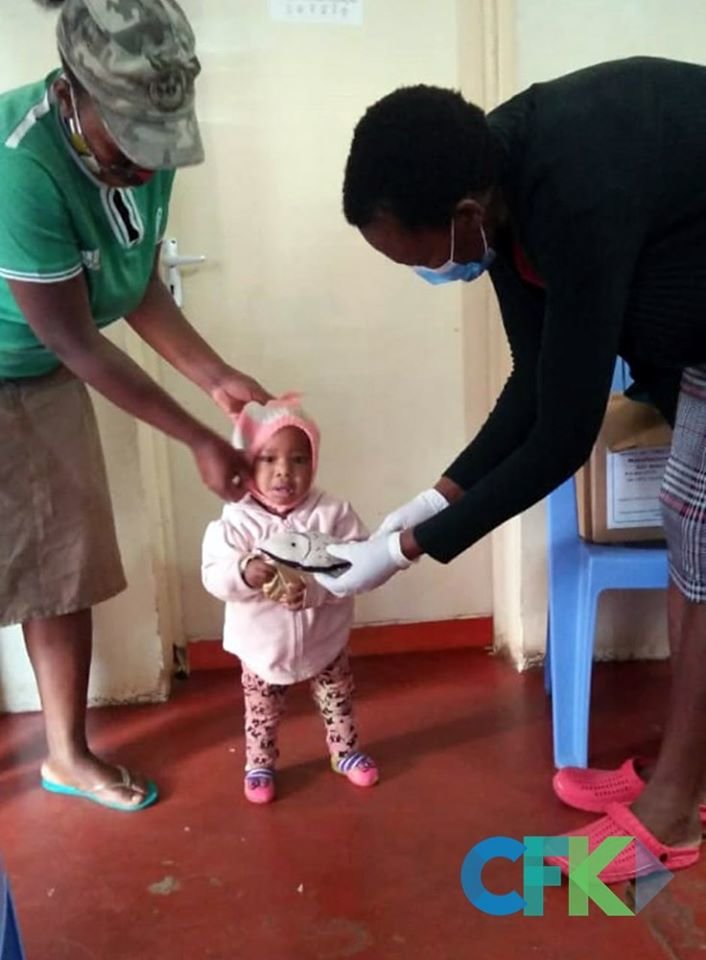
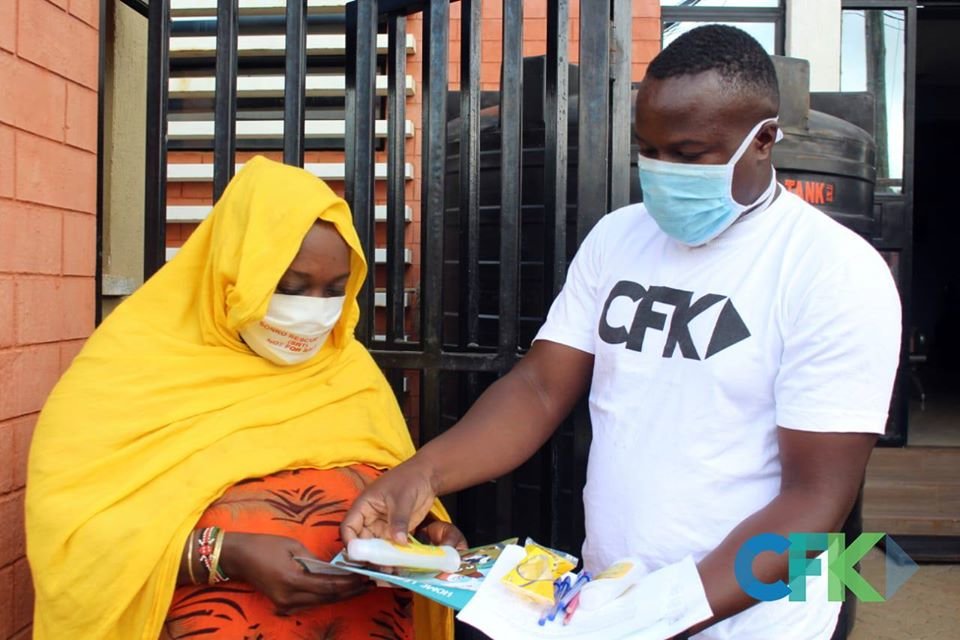
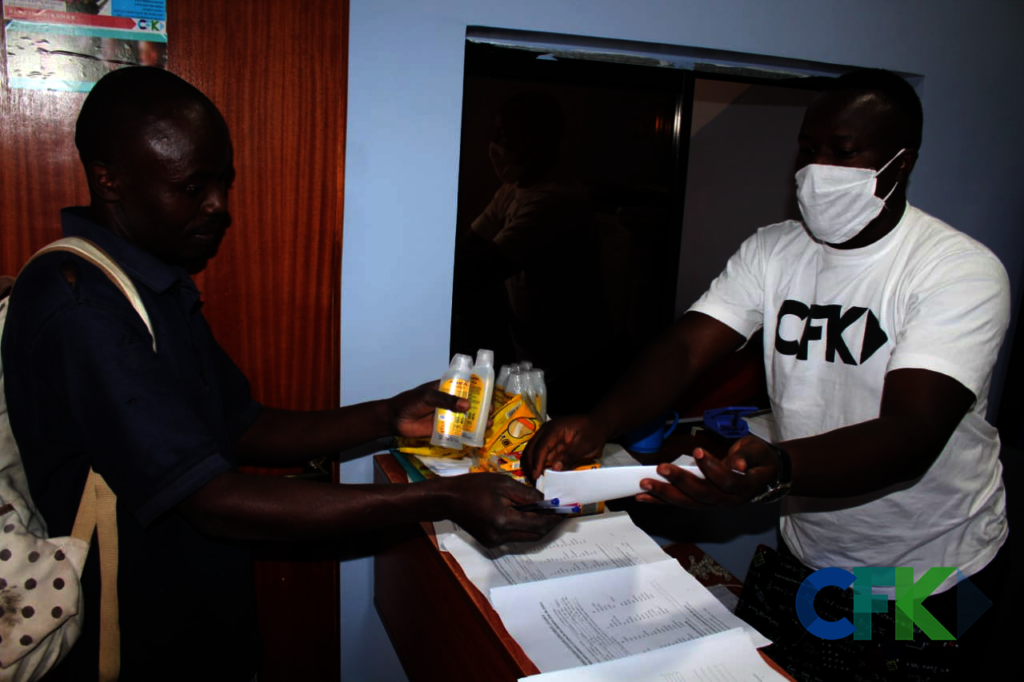
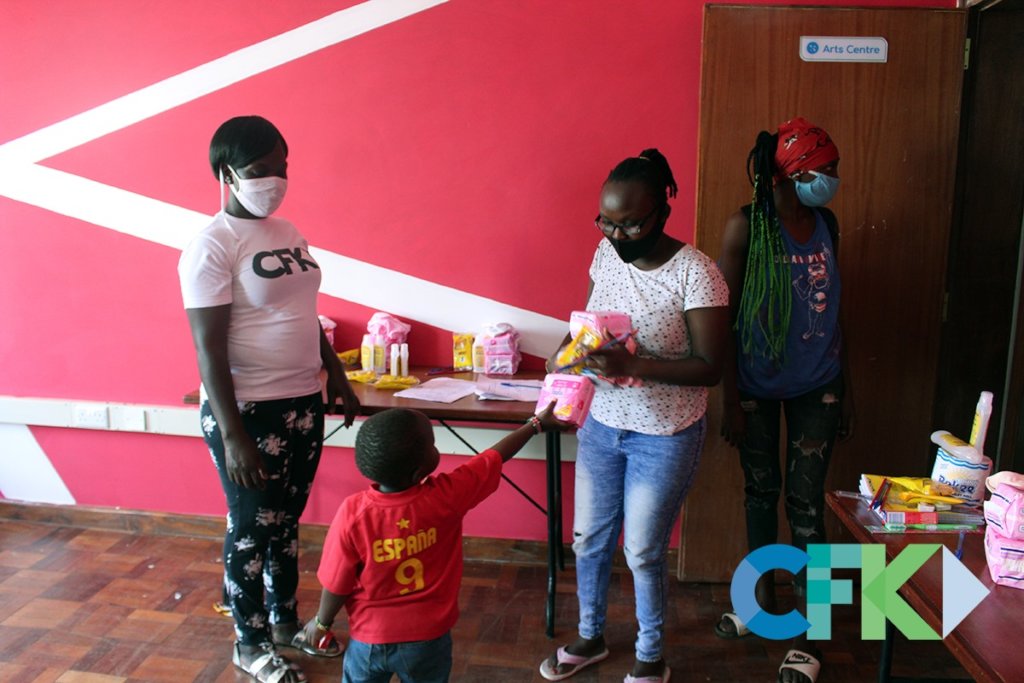
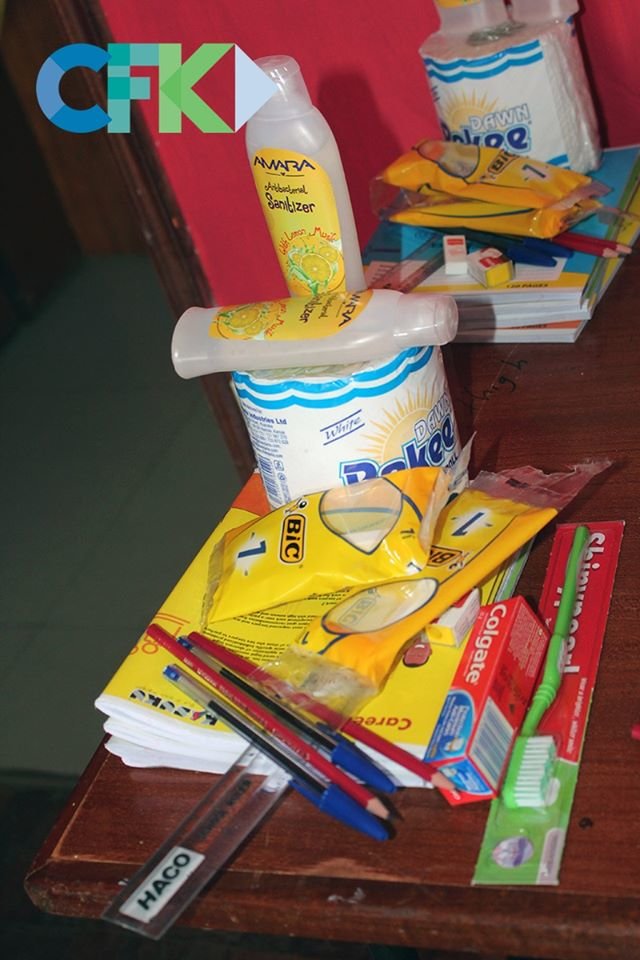
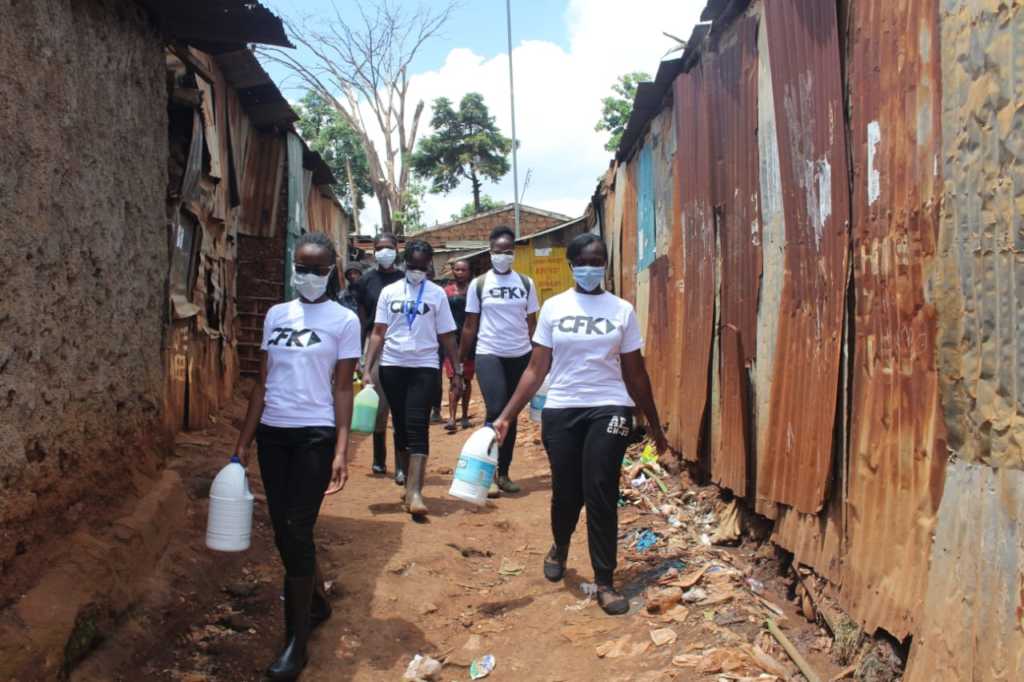
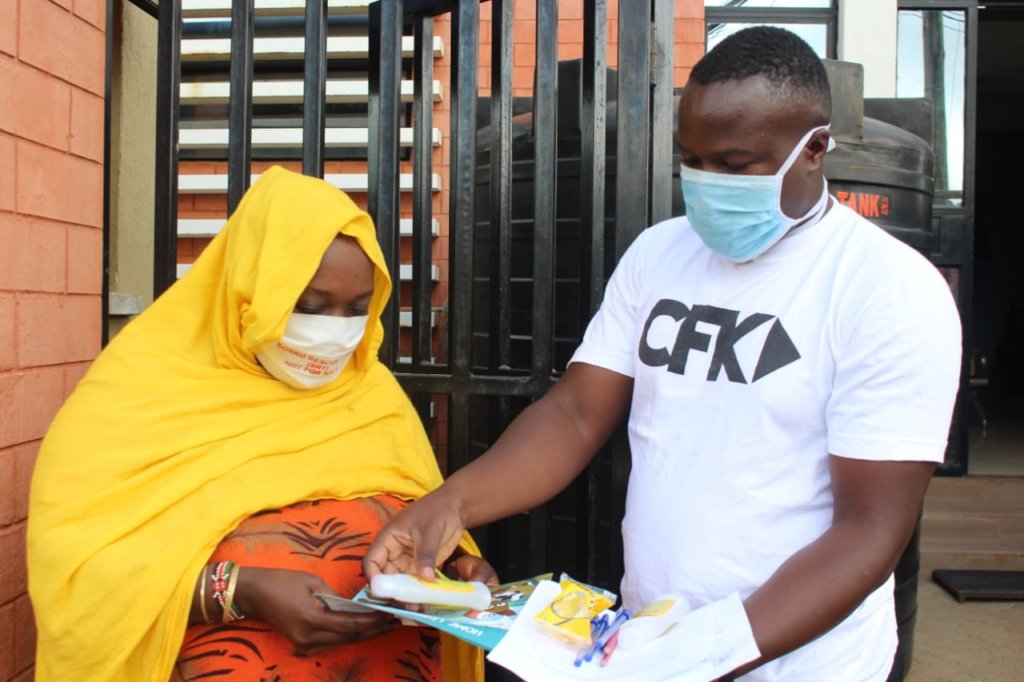
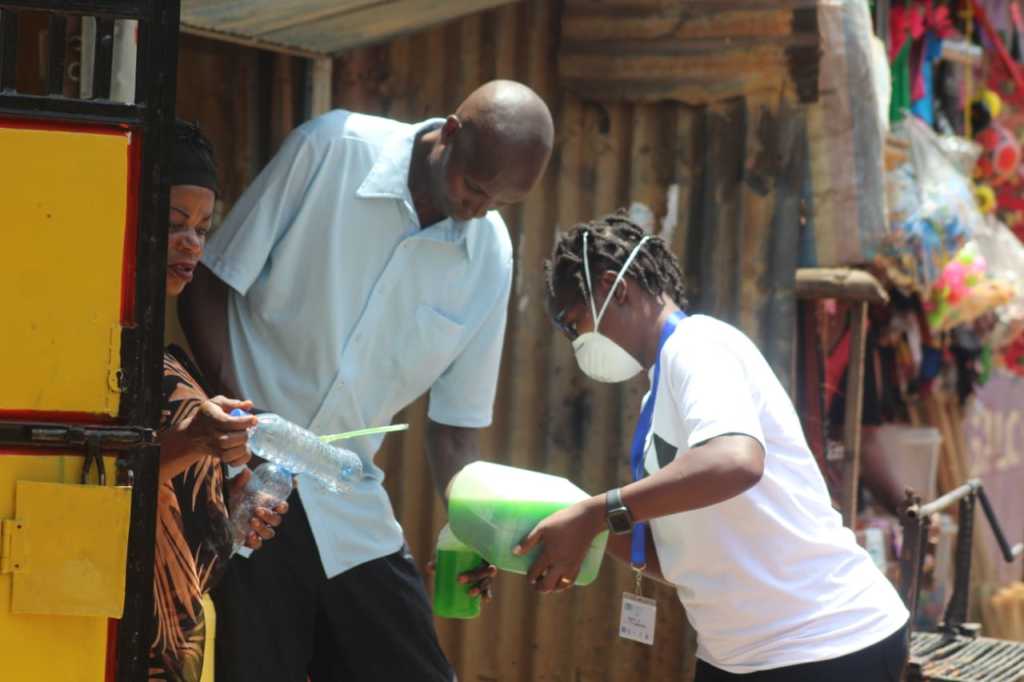
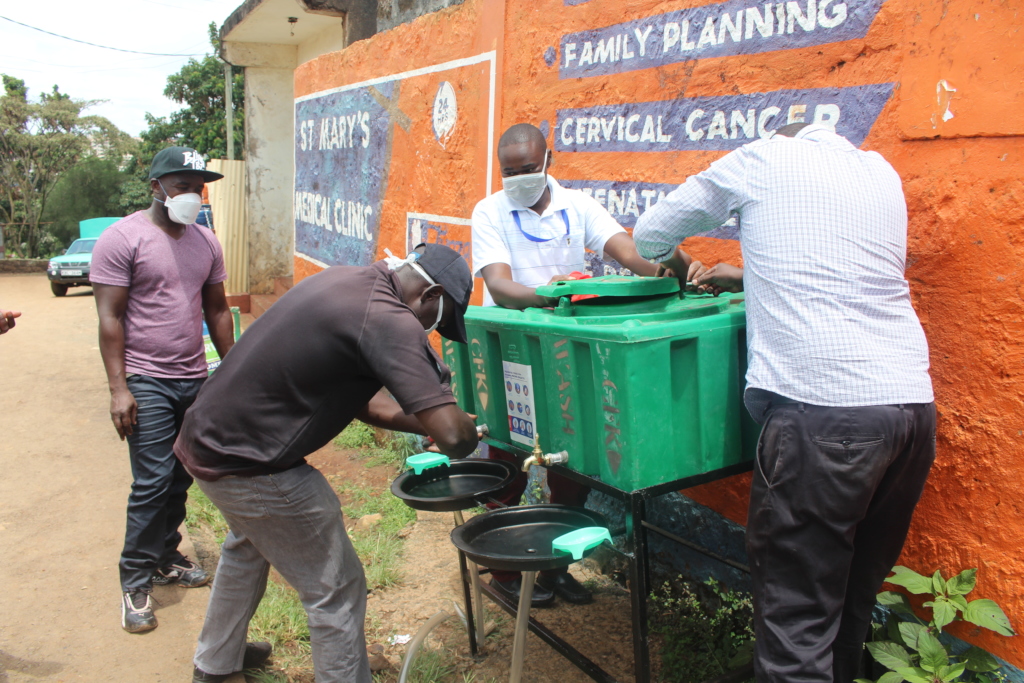
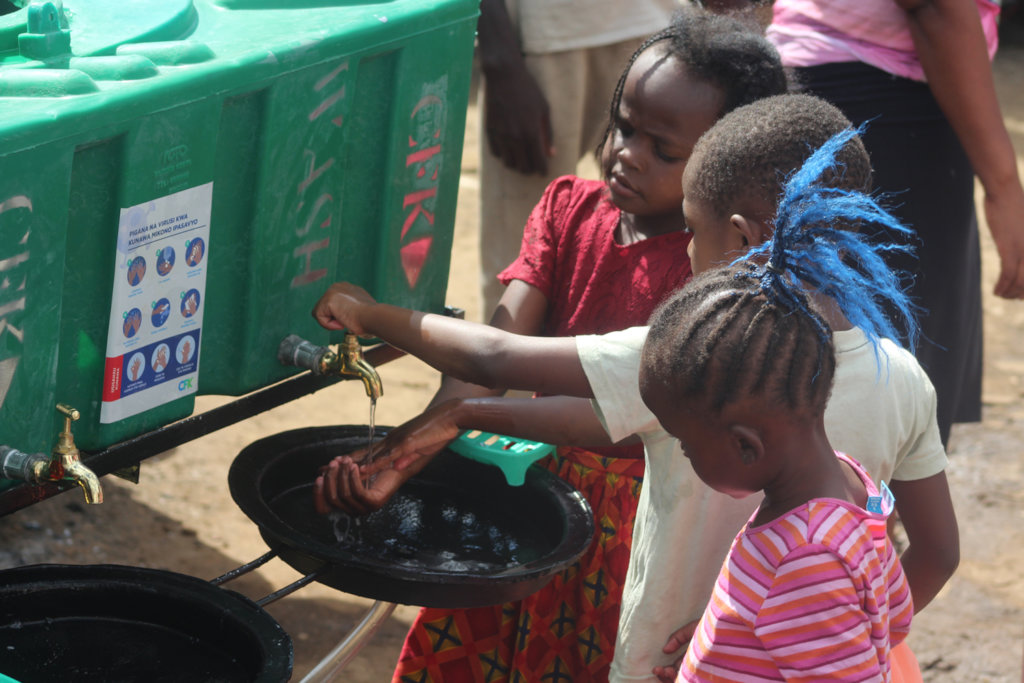
Our multi-sectoral response also included establishing a home-learning initiative, bringing more than 10,000 revision materials to more than 600 out-of-school students lacking access to online education resources. Alumni from CFK's Angaza scholarship project aided in this effort. CFK's CHVs have also been instrumental in installing 980 hand washing stations and distributing 3,500 liters of soap. CFK's Girls Empowerment Program (GEP) continued mentoring girls through phone calls and socially distanced home visits, and staff distributed feminine hygiene products to girls. This distribution saved girls an average of 389 KSH ($3.57 USD) each month, a significant amount for residents who frequently live on less than $2 USD per day.
Links:
Project reports on GlobalGiving are posted directly to globalgiving.org by Project Leaders as they are completed, generally every 3-4 months. To protect the integrity of these documents, GlobalGiving does not alter them; therefore you may find some language or formatting issues.
If you donate to this project or have donated to this project, you can receive an email when this project posts a report. You can also subscribe for reports without donating.



Support this important cause by creating a personalized fundraising page.
Start a Fundraiser