By Devon Graham | President, Project Amazonas
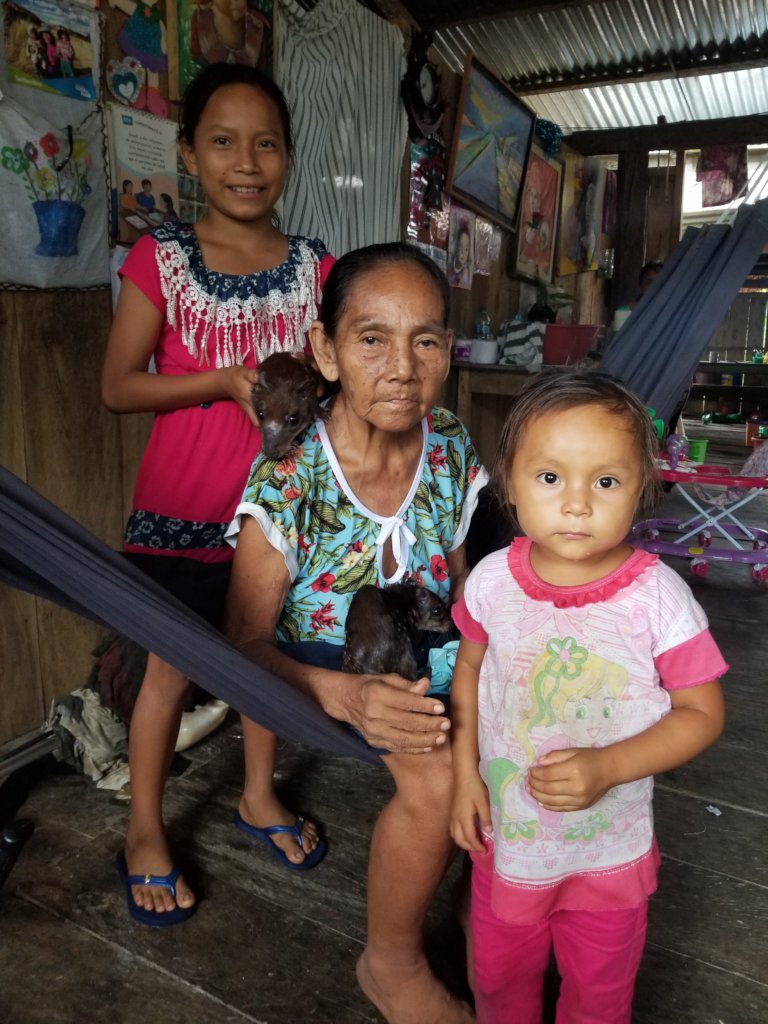
We've all heard about Long Covid - the long-term lingering impacts of a Covid-19 infection. Fatigue, shortness of breath, brainfog, difficulty sleeping, and more. Those symptoms are certainly present in many Amazon residents. There is, however, another kind of Long Covid at play in Amazonian communities, with symptoms that extend to all aspects of health and well-being. Simply put, the Covid-19 pandemic exhausted resources that could have, should have, and would have gone to health infrastructure and wellness programs and initiatives. This has resulted in an overall reducation of access to diagnosis, treatment, medical maintenance, and preventative measures across the board, but a problem that is particularly acute in rural areas.
As a concrete example, a new modern hospital in Iquitos was built to replace the 1945 hospital constructed during WWII by the Americans. It was supposed to open in 2020, but the pandemic put a halt to those plans. Most recently, it was promised that the hospital would open before the end of 2022. It simply isn't going to happen - the physical structure is there, yes, but it will take months or years before it is properly equiped, staff hired and trained, and all the bugs worked out. Meanwhile, the 77-year old original hospital has been largely demolished, increasing the patient pressure on other health facilities throughout the city. Longer wait times, fewer surgeries, and insufficient labwork and interventions are the direct result.
For rural people seeking medical care, it is even more difficult. Not only do they have to spend scarce resources on transportation to the city, on lodging, food, and transportation within the city itself, but they also have to navigate an unfamiliar and unfriendly health system. They may wait long hours in line only to be told that they need this or that piece of paperwork, or a reference from the health post closest to their home community before they can be seen. That means an expensive round-trip, and even then there is no guarantee that they will receive the care that they need. It is little wonder that a majority of rural residents choose NOT to go to the city for treatment, but instead rely on traditional remedies, and simply hope that they will get better on their own.
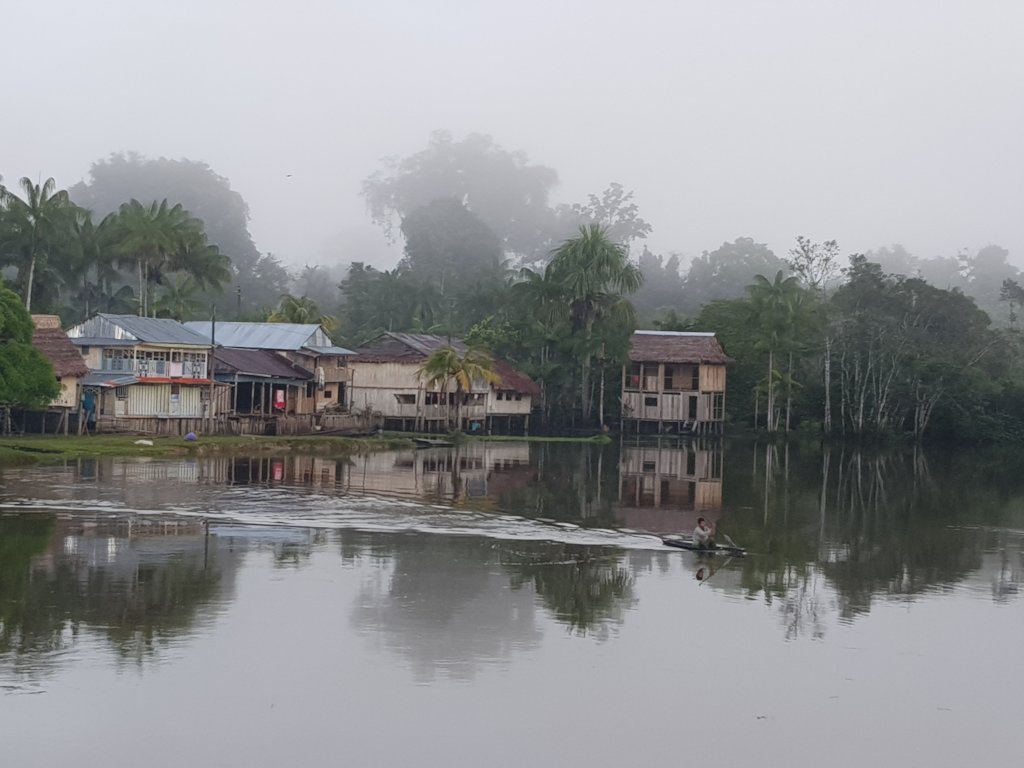
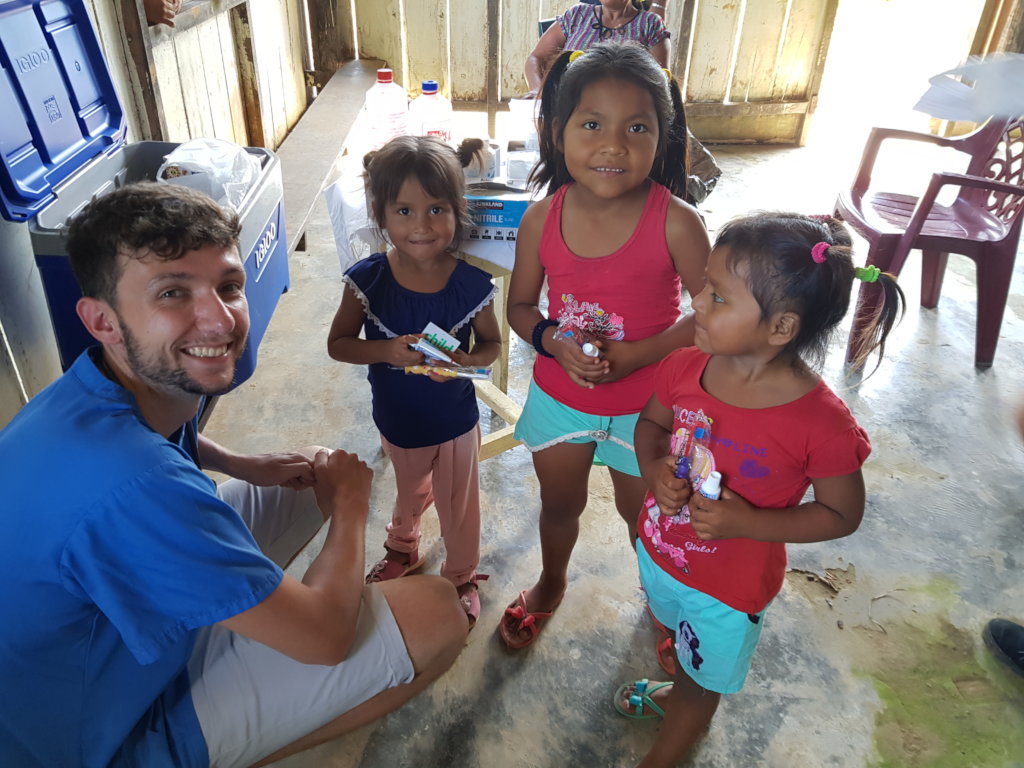
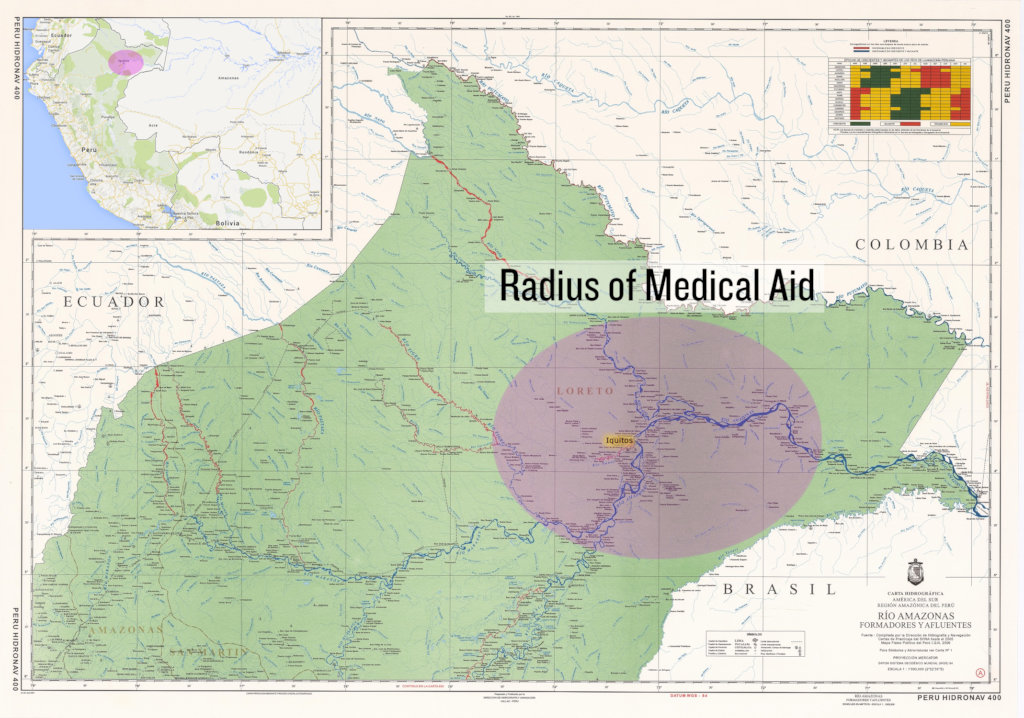
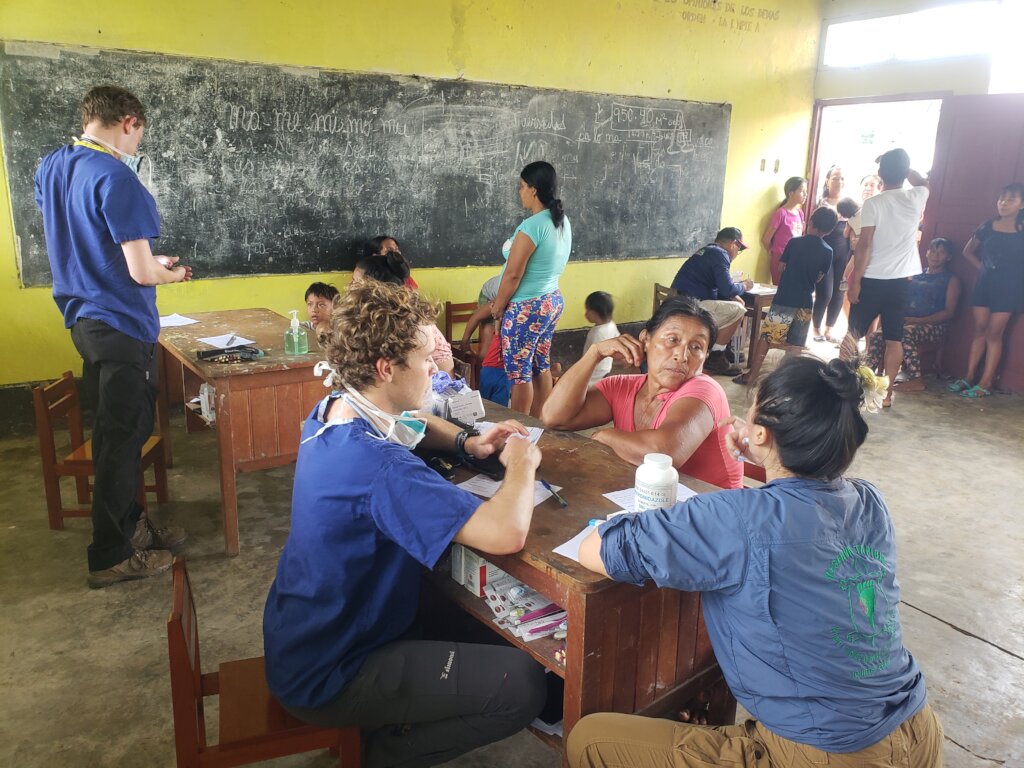
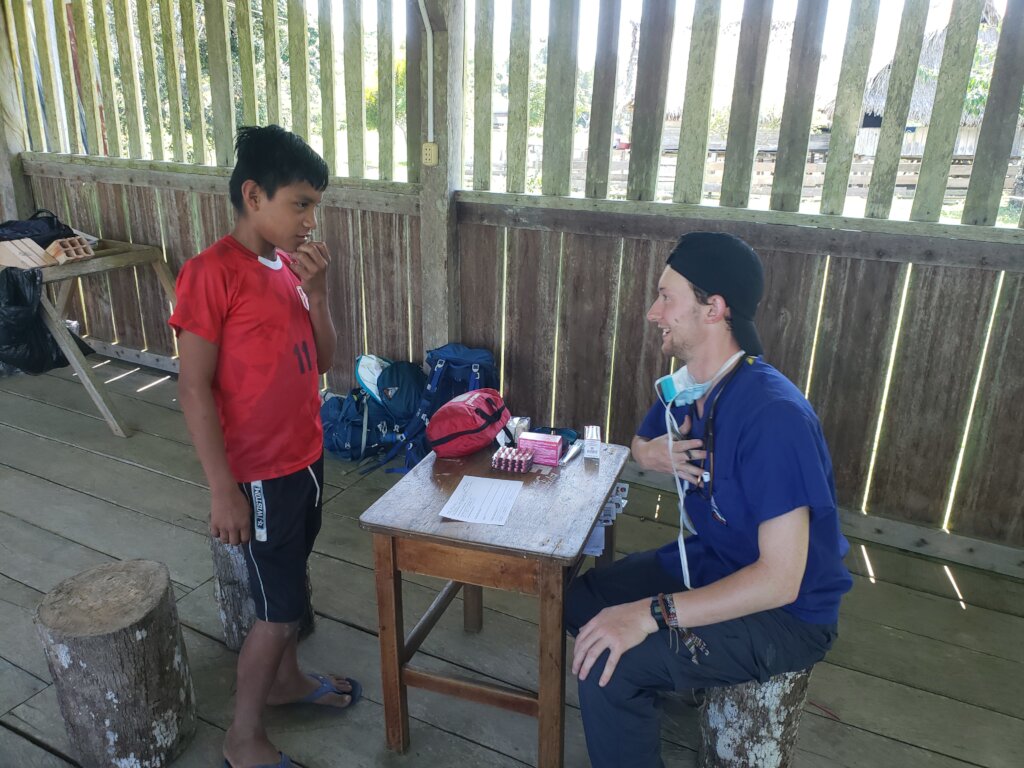
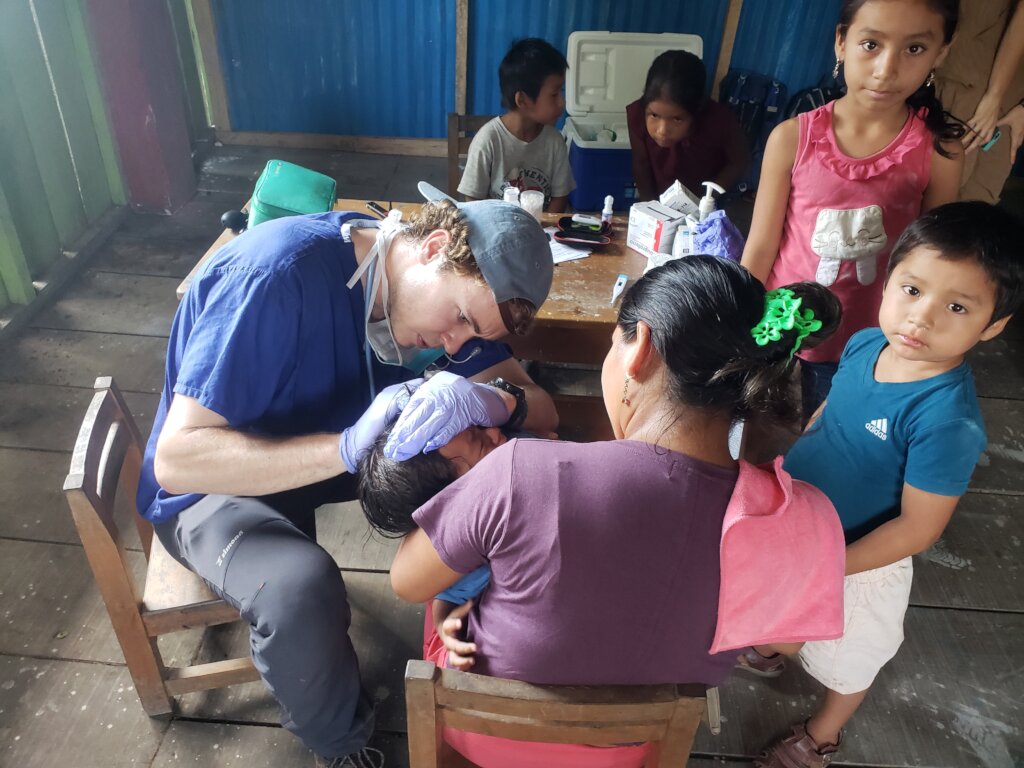
We conducted several medical clinics in very remote communities in early November 2022. In one village, a woman brought her three-year old son for examination. He had an inguinal hernia, with a high risk that the intestine could become twisted and obstructed - a severe and potentially life-threatening event. We explained in detail that a very simple surgery with fast recovery time would solve the problem. We also outlined the steps that she would need to get the correct paperwork from her local government clinic (a mere eight-hours distant by pequepeque motorboat), so that she could take her son on to Iquitos (another 18-24 hours travel by public boat) where the surgery would be free. She was skeptical - after all, who would take care of her other children, and where would she get the money for food and lodging? The surgery itself might be free, but there are always other expenses. When one of the attending doctors told her that he had had an inguinal hernia and surgery at the age of 17, the mom brighted up. "I'll take my son for the surgery when he is 17", she declared. It took addiional explanation to clarify that the doctor had had the hernia when he was the age of 17 not when he was 3, and had the surgery almost immediately afterward.
Will this mother take her son to Iquitos for treatment? Maybe, but probably not. For her it is a very complicated and daunting proposition. We hope to get back to that community early in 2023, and will check on the family. If need be, we'll hope to persuade the mom to take advantage of our transport and lodging options in Iquitos so that her son can receive the necessary surgery.
On 12 October 2022, Peru declared the Covid pandemic to be officially over in Peru. Masks are no longer required on flights, in public transport, banks, offices and stores. All covid-related restrictions have been cancelled. But the impact of Covid continues and will be felt for years, and our medical service to remote river communities is more important than ever.
This Giving Tuesday (29 November), you can make your contribution to Covid-19 relief go even further by donating @GlobalGiving so that we can receive a portion of $1.2 million in Incentive Funds that GlobalGiving has committed. If you elect to set up a monthly donation on the 29th of each month (28th of Feb...), GlobalGiving will match your donation on the 4th cycle. If you give $10 per month, your generosity total at the end of month #4 will thus be $50. If you give $100 per month, the total will be $500.
I encourage you to be generous on the 29th of November, and to share this with family, friends and colleagues. You can make a big difference in the lives of the guardians of the rainforest by ensuring that we can continue to serve their medical needs in the remote places where they live.
Links:
Project reports on GlobalGiving are posted directly to globalgiving.org by Project Leaders as they are completed, generally every 3-4 months. To protect the integrity of these documents, GlobalGiving does not alter them; therefore you may find some language or formatting issues.
If you donate to this project or have donated to this project, you can receive an email when this project posts a report. You can also subscribe for reports without donating.