By Devon Graham | President / Scientific Director
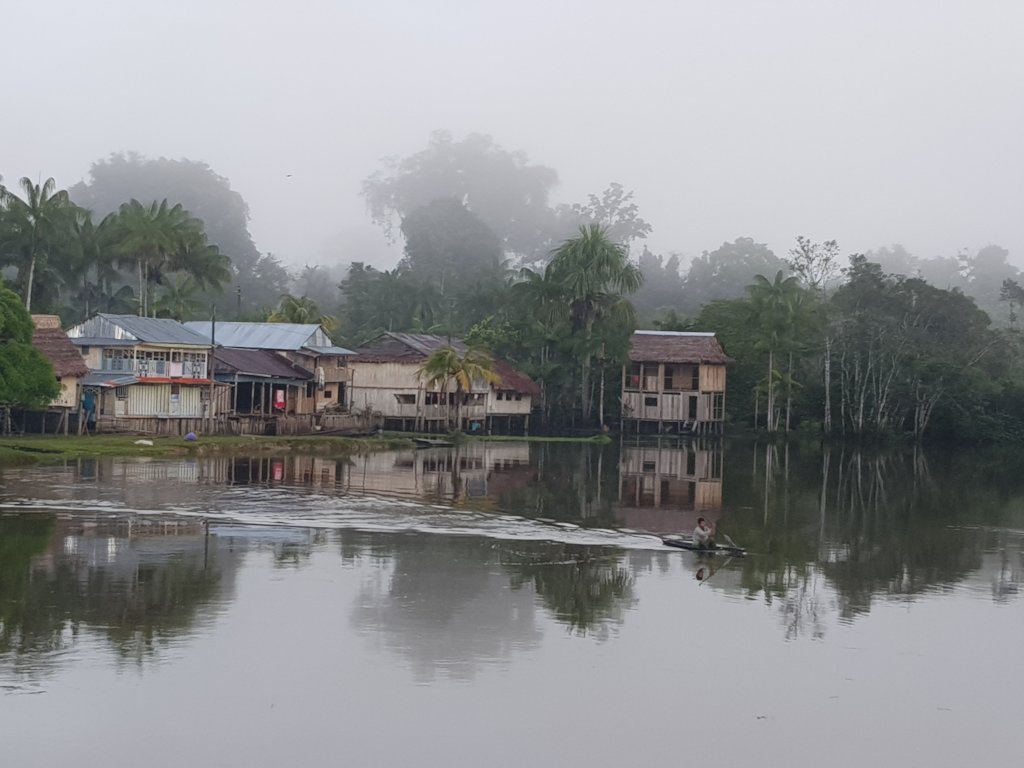
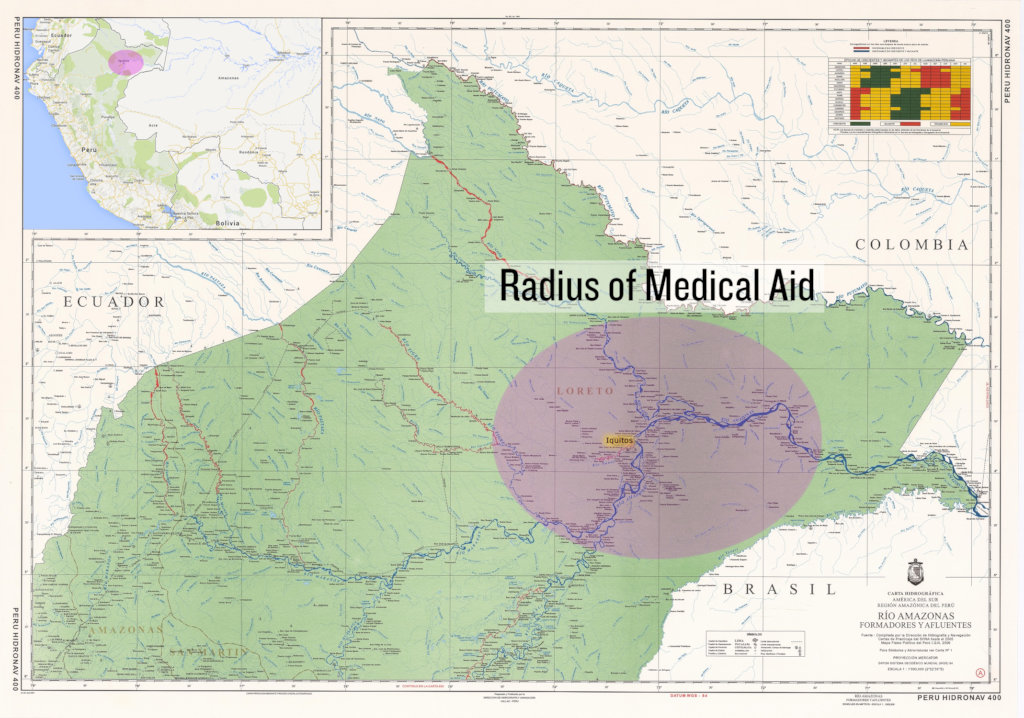
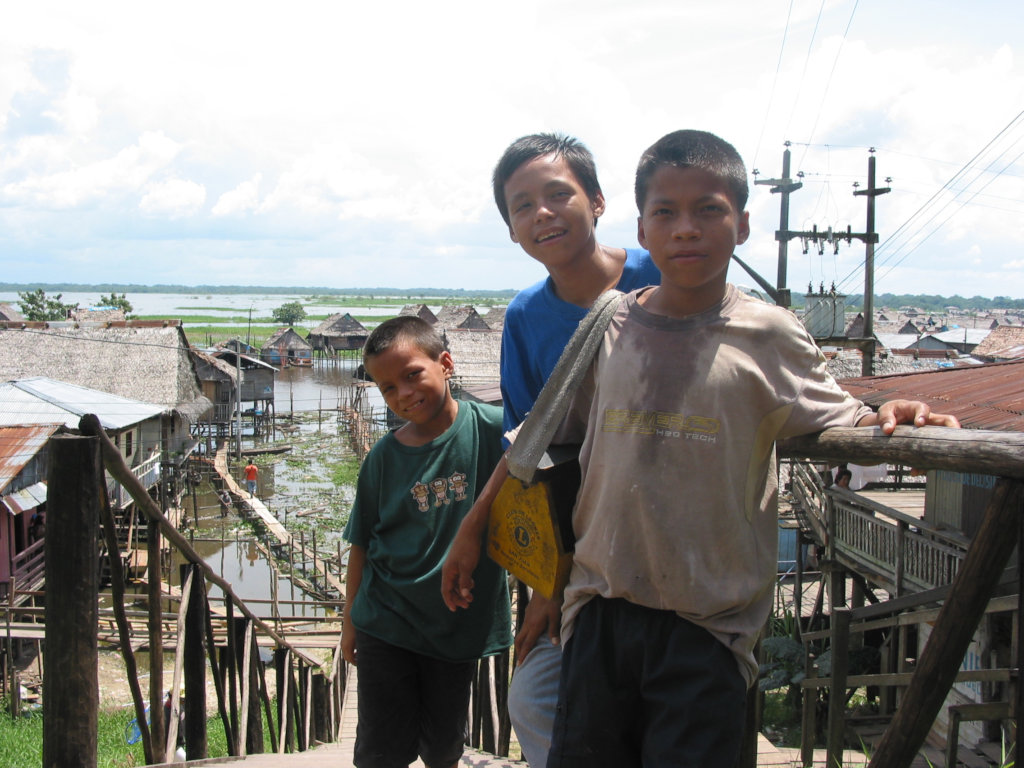
Over the past couple of years, we have focused on providing Covid-19 (and other) medical relief to isolated comunities in the Peruvian Amazon. Most of the communities that we serve are small, with populations between 60 and 400 individuals, and most are also inacessible at certain times of the year due to low water levels. Ongoing climate change is affecting the Amazon as well, and even 10 to 15 years ago, elders in the communities would comment that it was difficult to predict river levels - something that is of critical importance when some of your most important crops grow on the river floodplain at low water.
In the good news, some 90% of the Peruvian population has now been fully vaccinated for covid, and about 25% has been boosted. These numbers are well above global averages, but considering the terrible impact that Covid-19 had in Peru during the early stages of the pandemic, it is no surprise that Peruvians have, for the most part, embraced vaccination. Older people in rural areas also remember when half of children died before the age of 5 years old due to vaccine-preventable illnesses - this has been another factor in public acceptance of vaccination campaigns.
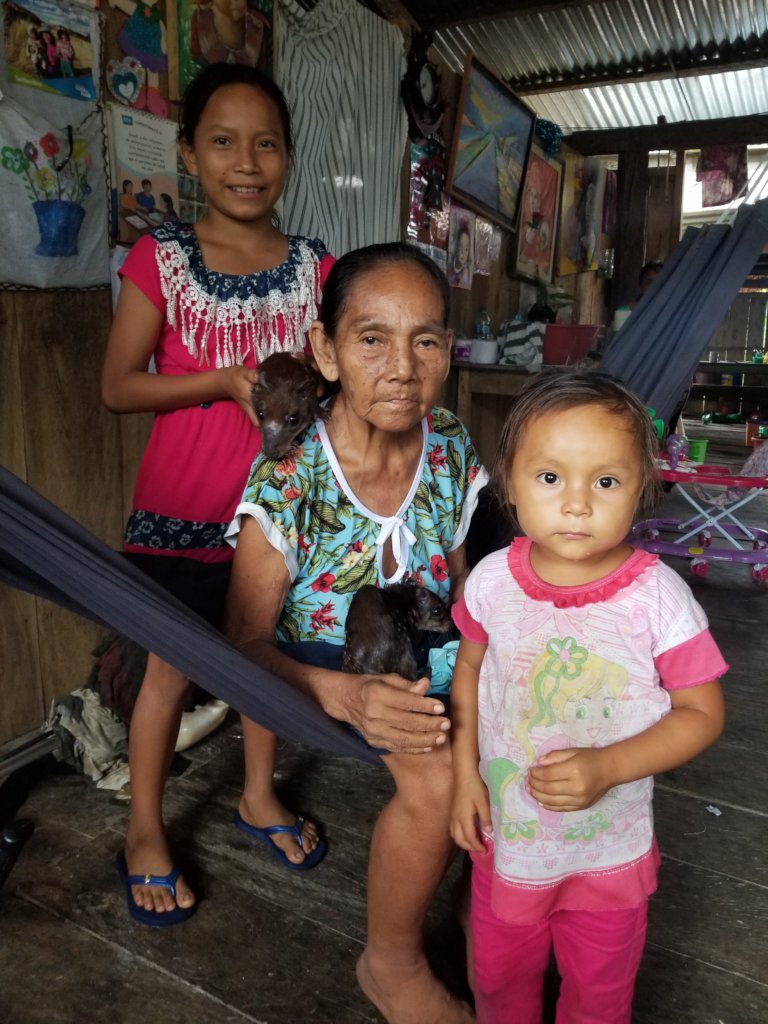
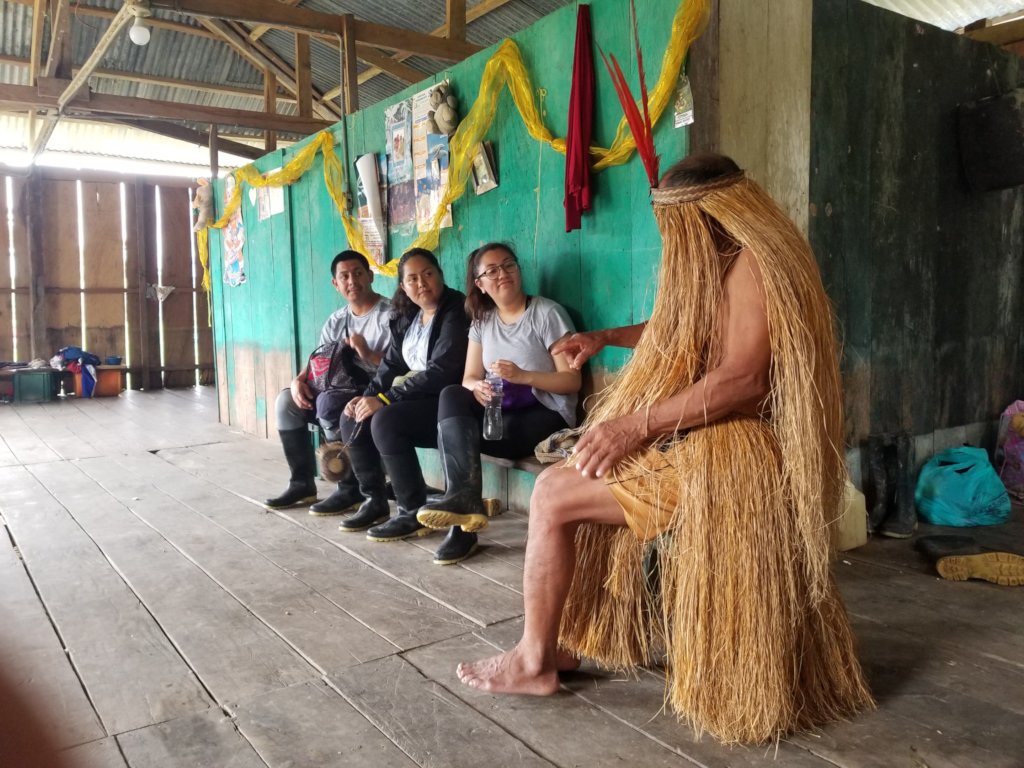
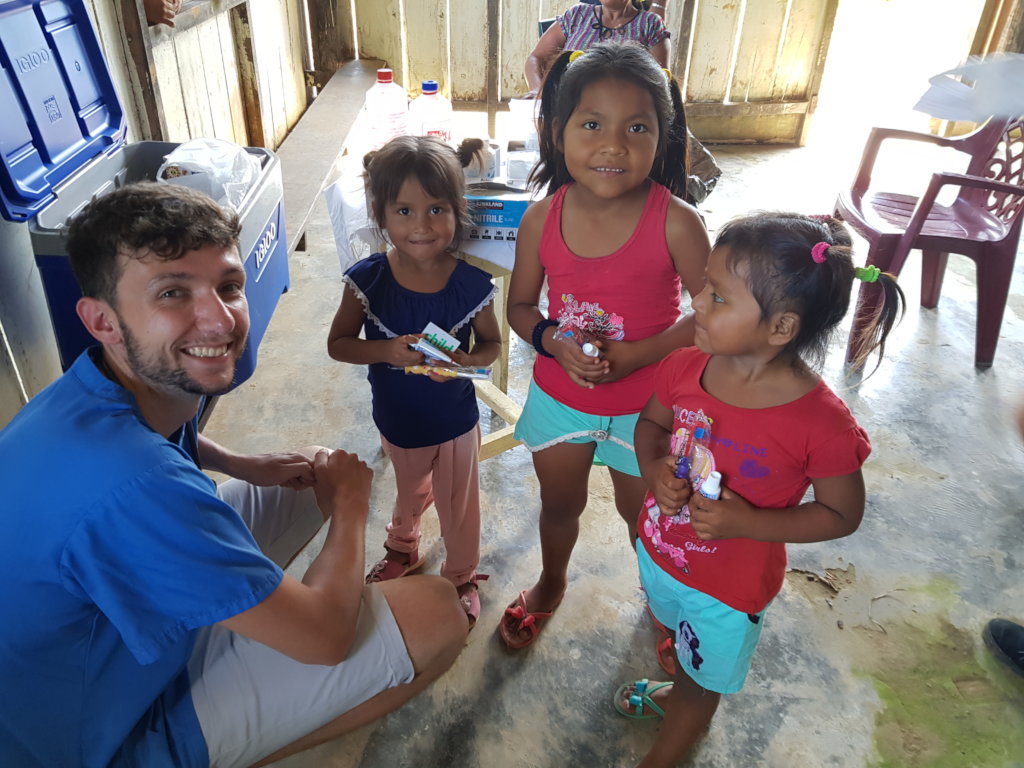
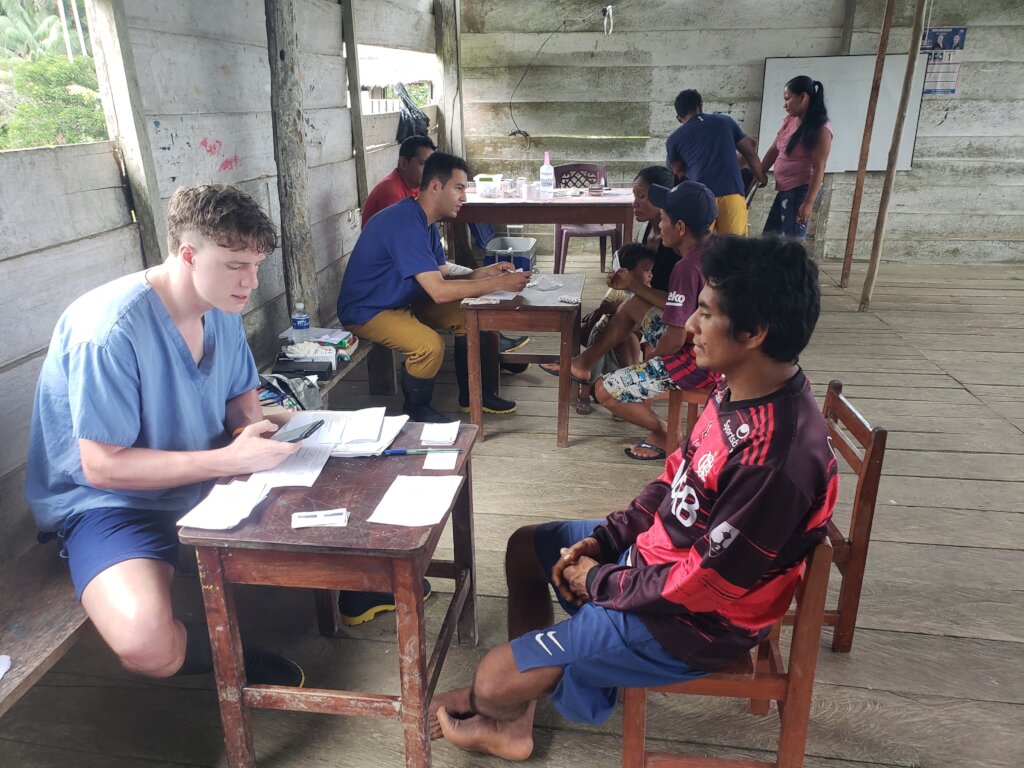
We were able to carry out our first full medical service campaign post-pandemic shut-down in April 2022, visiting communities on the Ampiyacu and Yaguasyacu Rivers. Residents were very happy to see us again, and clinic sessions were busy. In community after community, however, residents asserted that none of their population had died of Covid during the pandemic. Many stated that everyone in their community DID get Covid, but that they treated it with traditional herbal remedies, sometimes mixed with western medicine when the latter was available. Having visited these communities regularly over the past years, we recognize most of the older people, and they were still all there, giving credence to the claims of zero Covid deaths.
Residents in these communities do live quite differently from the people in large urban conglomerations where Peruvians experienced a high death toll from Covid. Houses are spread apart and somewhat isolated from each other, people farm and fish for their food - activities that keep them outside and not queued in long lines for government assistance. There is also almost zero obesity and little diabetes, both of which are high risk factors for Covid.
Currently most people in the Peruvian Amazon are acting like Covid is now 100% over. There is still required mask-wearing in banks and public buildings, on airplanes, and a few other locations, but the average person on the street or on the river isn't wearing a mask or taking other precautions. So, is the danger from covid in the Amazon over? We know that new variants are continually emerging and will continue to do so. With a virus so widespread across the globe, it is inevitable that we'll have to learn to live with it. Yes, vaccination does provide a considerable degree of protection from serious illness or death from Covid-19, but the danger is not over, and we are still grappling with what "long-covid" might mean in terms of overall public health and stress on public health systems.
In rural Amazonia, people might not be dying from Covid, but they are still being seriously impacted. The costs of ordinary, over-the-counter medications skyrocketed during the pandemic shut down. Something as simple as paracetamol (=tylenol), a basic fever reducer, jumped 10 times in price during that time period and was frequently unavailable, and while prices on that and other maintenance medications (blood pressure, diabetes, cholesterol, Parkinsons, and a host of others) have since come down somewhat, they are still considerably more expensive than they were previously. Supply chain disruptions also raised the costs of many basics - salt, tools, rice, matches and school supplies, while family income remained stagnant or shrank. All of these Covid-19 related factors have reduced quality of life, reduced access to needed medications and medical treatment, and have put rural residents (in particular) at higher risk to other serious medical conditions (dengue, chronic conditions, heart disease, etc.) as well as to whatever effects future variants of Covid-19 might afflict us with.
Covid is here to stay. Help us make sure that the childen, women and men who live in small communities throughout the Amazon rainforest, and who are the forests ultimate protectors, also have what they need to maintain their health and livelihoods. In a world of enormous inequity, your support for the medical needs of Amazon residents makes a great difference. Thank you.
For a more detailed report of our April medical trip, as well as other recent news from Project Amazonas, please visit us at www.projectamazonas.org
Links:
Project reports on GlobalGiving are posted directly to globalgiving.org by Project Leaders as they are completed, generally every 3-4 months. To protect the integrity of these documents, GlobalGiving does not alter them; therefore you may find some language or formatting issues.
If you donate to this project or have donated to this project, you can receive an email when this project posts a report. You can also subscribe for reports without donating.