By Indigenous Health Solutions | Co-Founders
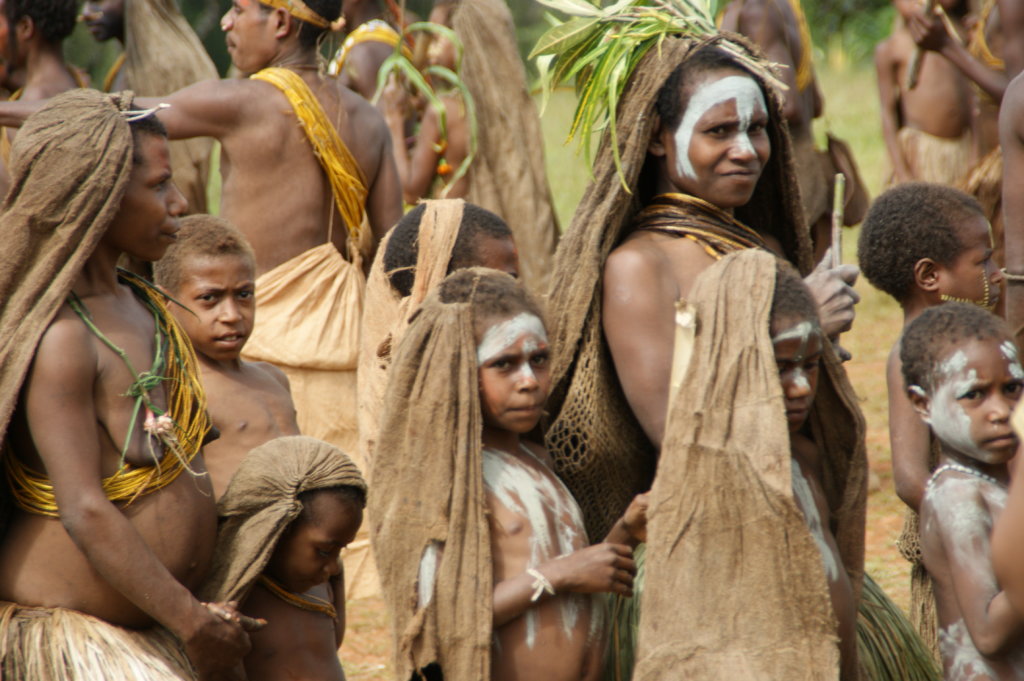
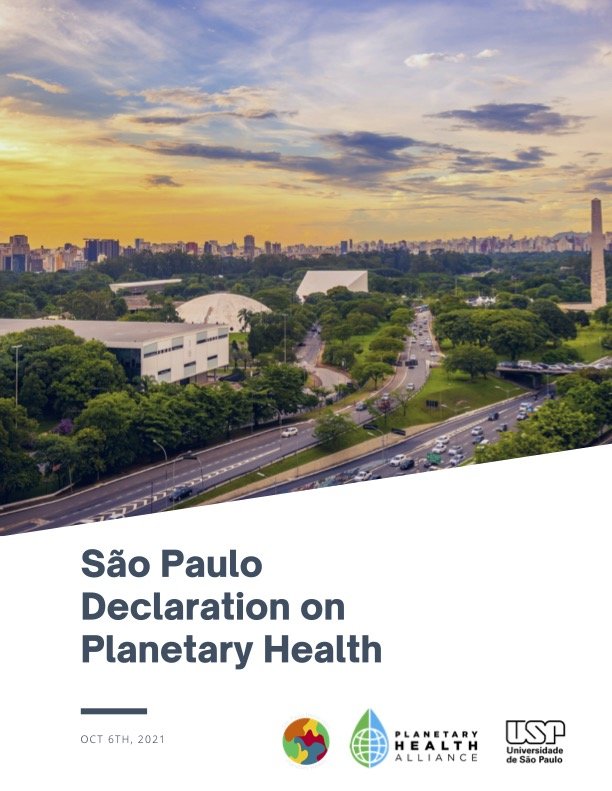
Recently, we were taken by a short piece by authors Erika Arteaga-Cruz and Juan Cuvi, who wrote in The Lancet about health systems that are based in other world views. Their thoughts sounded so familiar to us, so similar to the mission of Indigenous Health Solutions. Coming from their point of view in Ecuador, where there are multiple, rich indigenous cultures, we felt they echoed the essence of Indigenous Health Solutions when they referred to "health as a collective right and as a responsibility to the Earth." Shortly after that, we were privileged to become a signatory to the São Paulo Declaration on Planetary Health, led by the Planetary Health Alliance, UNDP, and the University of São Paulo. It was launched on October 6th, with the endorsement of over 260 organizations from 47 countries, representing 19 sectors of society.
A pioneering document of the global planetary health movement, the declaration describes the actions needed to achieve "the great transition: a just transformation to a world that optimizes the health and all people and the planet's well-being." From our inception, we have championed this inclusive approach and the conception that human health is inextricably intertwined with the health of our planet. As such, this global consolidation of support for these ideas and specific approach has inspired us to do more to verify that our work benefits this expansive concept of health.
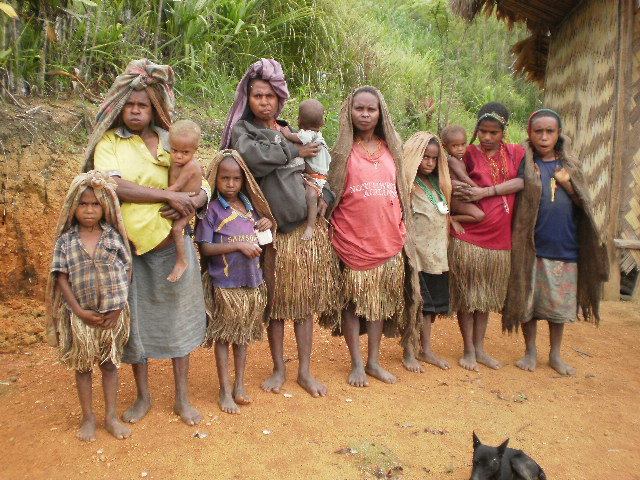
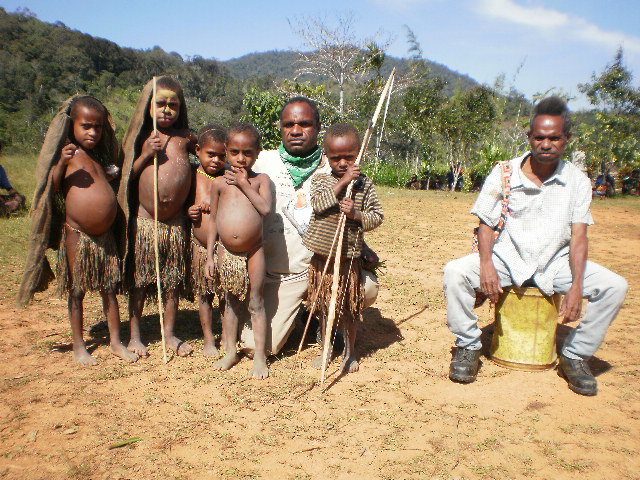
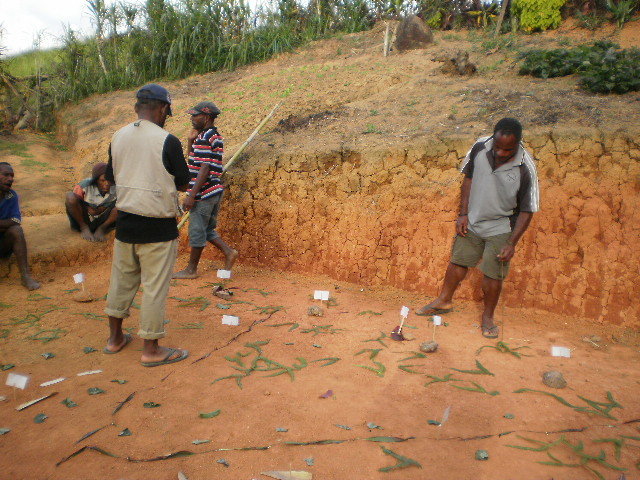
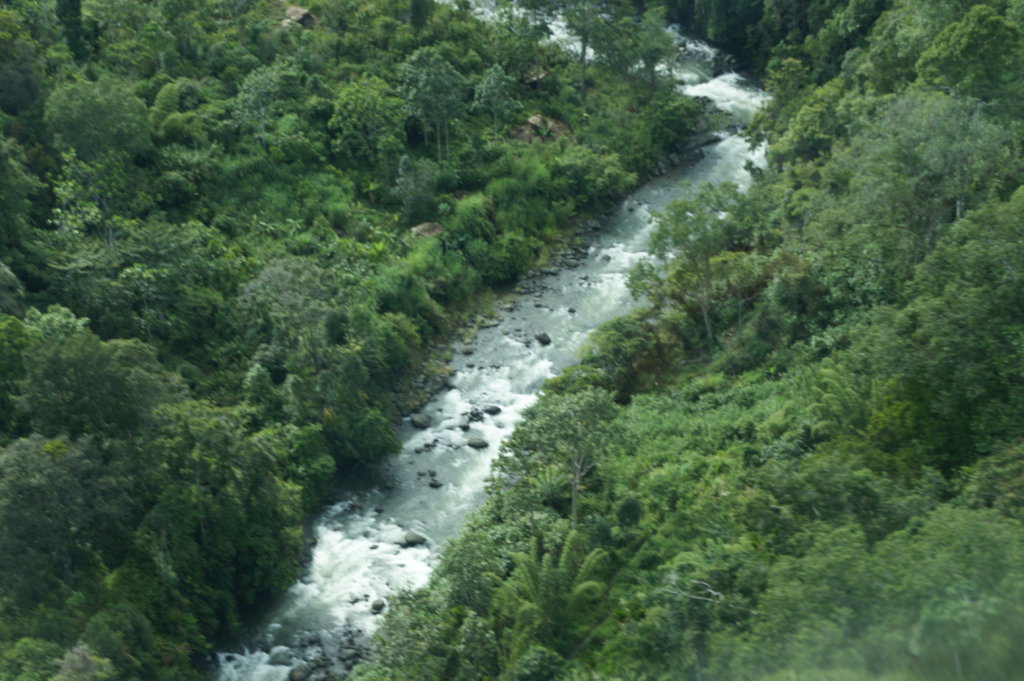
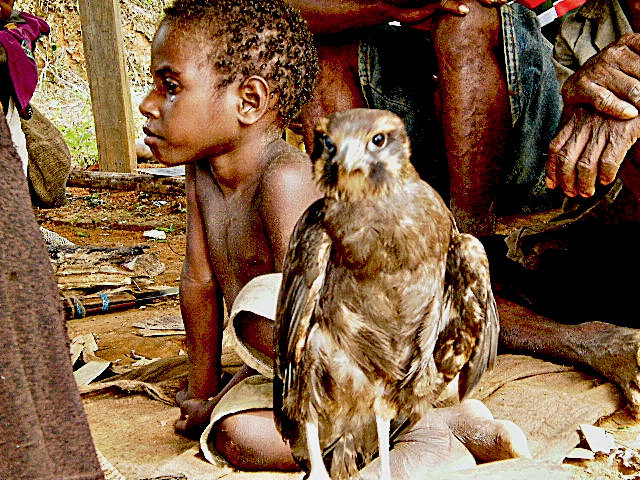
Suowi Valley, the setting of our current work, is a place of pristine tropical rain forests and untold biodiversity. The catalytic events that led to the foundation of Indigenous Health Solutions were in fact sparked by reports from conservation biologists tracking rare cassowaries there, who came across the people starving and ill from malnutrition during a crop-killing, El Niño-driven drought. Given the climate crisis, the noted changes in rainfall, temperature, and wildlife, we want to take stock of the biodiversity in Suowi Valley and monitor it over time. This kind of survey has always been desirable, but completely out of reach due to the length of time needed and expense of traditional forest and wildlife surveys. In recent years, however, evidence has been building for a new way of thinking about this type of biodiversity survey exercise, ecoacoustics; some learnings have even come from projects in Papua New Guinea. By taking high-quality recordings of ambient sound in different places around Suowi Valley, the soundscape can be analyzed and changes in the forest over time can be identified by comparing soundscapes from different years.
We plan to undertake the Suowi Valley baseline soundscape project in 2022, and repeat it every three to five years in order to monitor the impact of climate change and human influence on the tropical forest. Together with our clean cooking, health clinic, village midwifery, and education initiatives, this soundscape, together with strong community leadership, will help steer our current and future programming to further support planetary health. Thank you, as always, for supporting the protection and preservation of indigenous peoples, their cultures, and the environment that sustains them. This act acknowledges that we are all interconnected and that surviving and thriving is collective.
Links:
Project reports on GlobalGiving are posted directly to globalgiving.org by Project Leaders as they are completed, generally every 3-4 months. To protect the integrity of these documents, GlobalGiving does not alter them; therefore you may find some language or formatting issues.
If you donate to this project or have donated to this project, you can receive an email when this project posts a report. You can also subscribe for reports without donating.