By Camilla Capel | Development Executive
When a child learns to care, conservation lasts longer
Across DSWF-supported projects, conservation education is not an add on. It is one of the most powerful long term tools we have. Rangers protect wildlife today; education helps ensure communities choose to protect wildlife tomorrow.
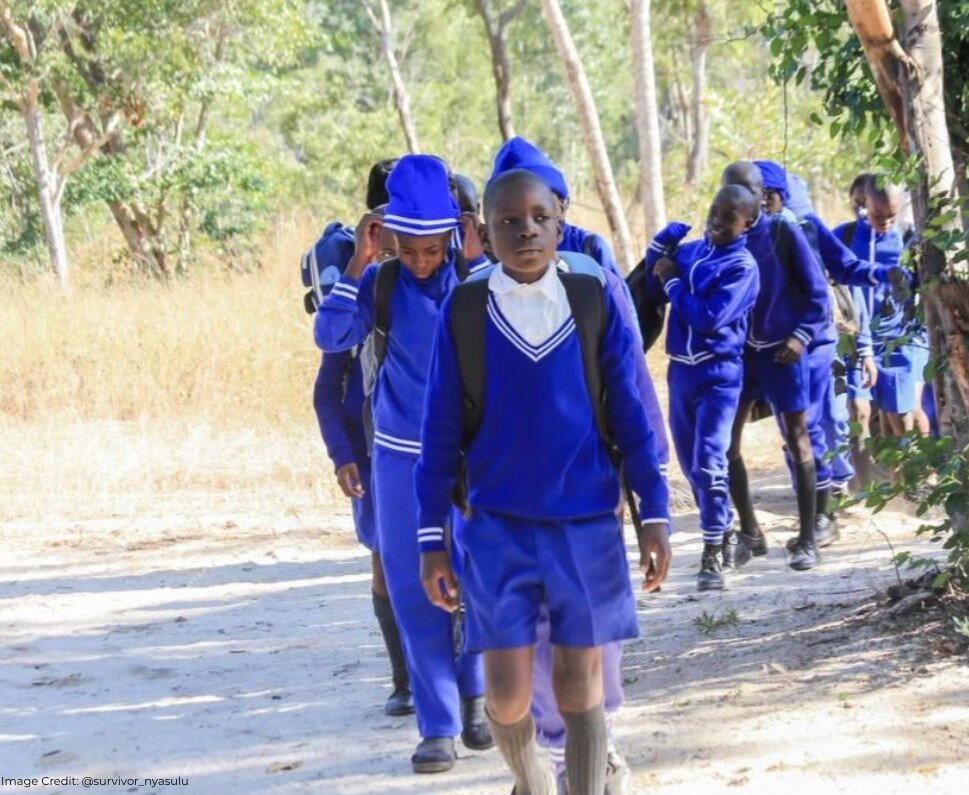
This year, support from donors helped reach 12,838 children through education programmes across Africa and Asia, not including UK activity. These children learned about rhinos, tigers, chimpanzees, elephants, snow leopards, painted dogs and the ecosystems they share with people.
India: rhinos and tigers in the classroom
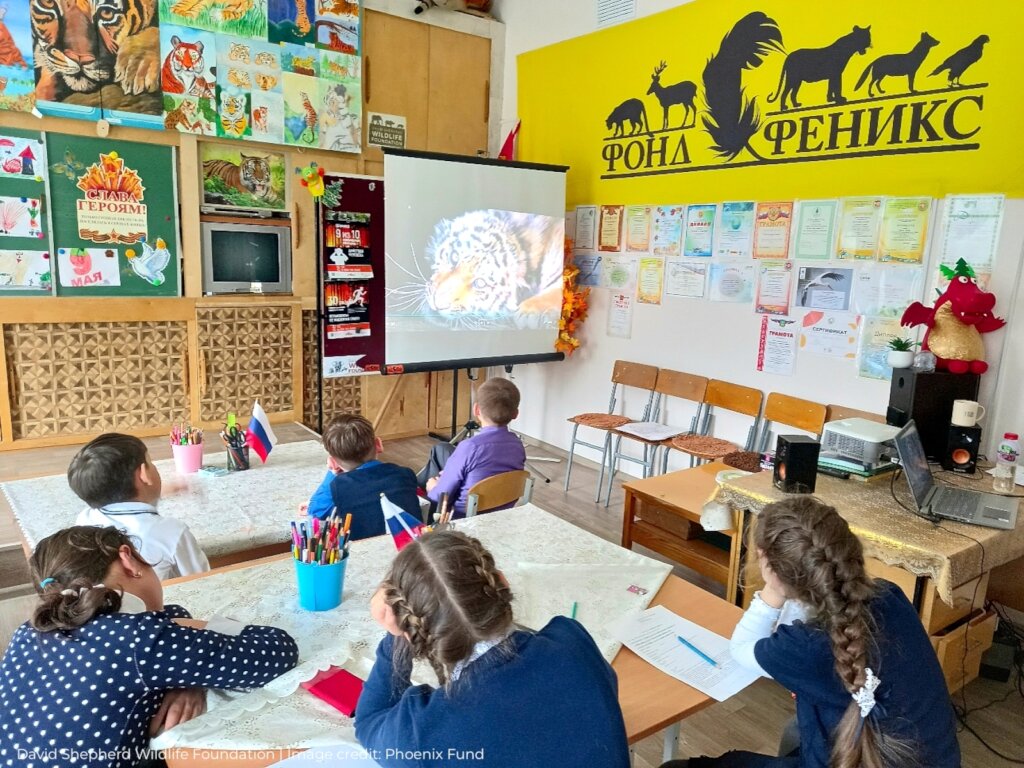
In Assam, our conservation partners delivered 40 “Rhino and Tiger Goes to School” programmes, inspiring 6,650 students across 53 schools and 65 villages to learn more about the wildlife living alongside them. Lessons explored conservation, coexistence and local biodiversity, while eco-clubs, gardening, tree planting and community action projects gave students practical ways to put that knowledge into action.
Learning continued beyond the classroom too. Through Orang Nature Camp and the Nature Orientation Initiative, 130 students enjoyed immersive experiences in nature, while a further 100 young people took part in the Summer Nature Camp, building a deeper connection with the wildlife and habitats around them.
Guinea: education inside and outside school
In Guinea, our conservation partners directly engaged 837 schoolchildren and distributed 1,283 conservation booklets, helping to bring environmental education to life. Forest excursions gave 260 children the chance to experience nature first-hand and deepen their understanding of the forests they depend on.
Nature Clubs expanded to nine villages, reaching more than 500 children, including many who are not enrolled in school. The impact was clear, with monitoring showing a fourfold increase in environmental knowledge among participating students.
Zambia: discovery and coexistence
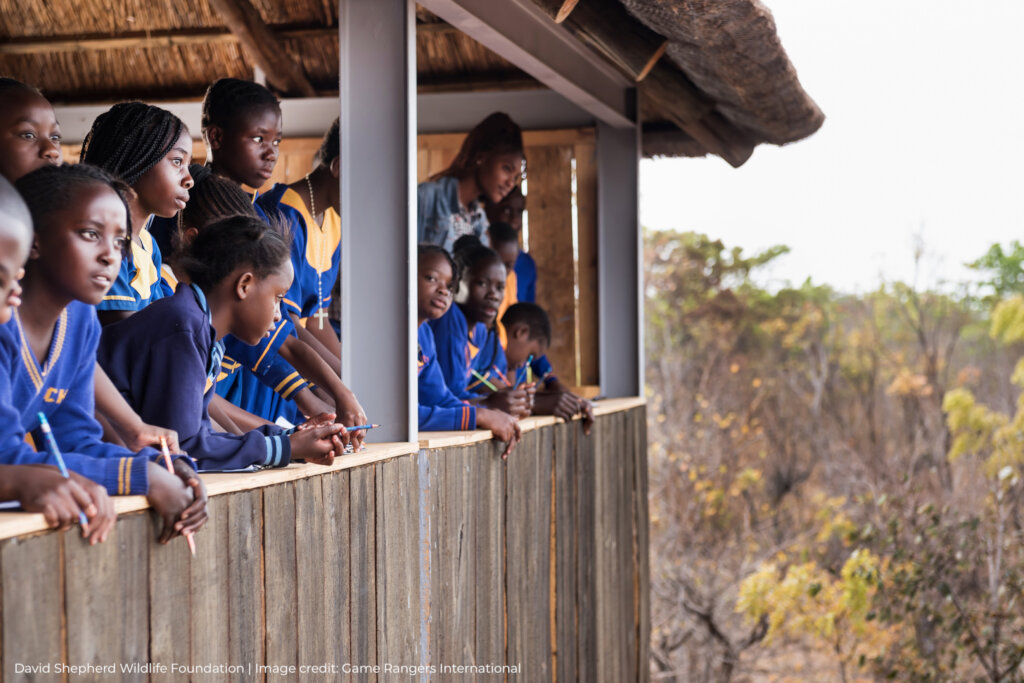
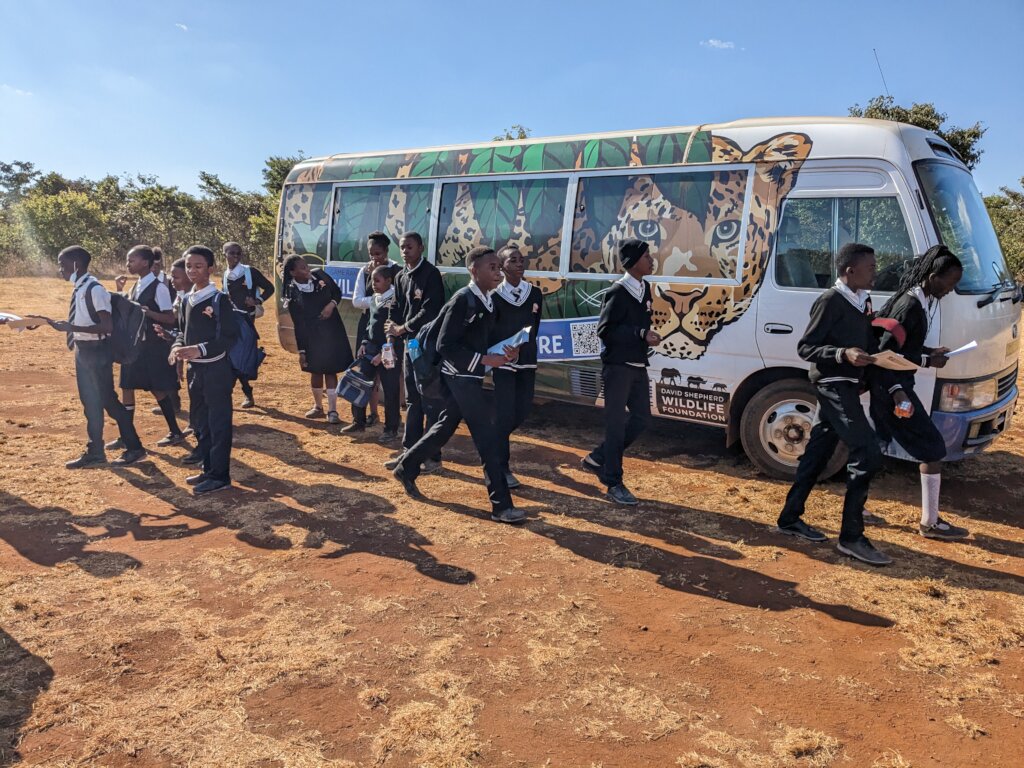
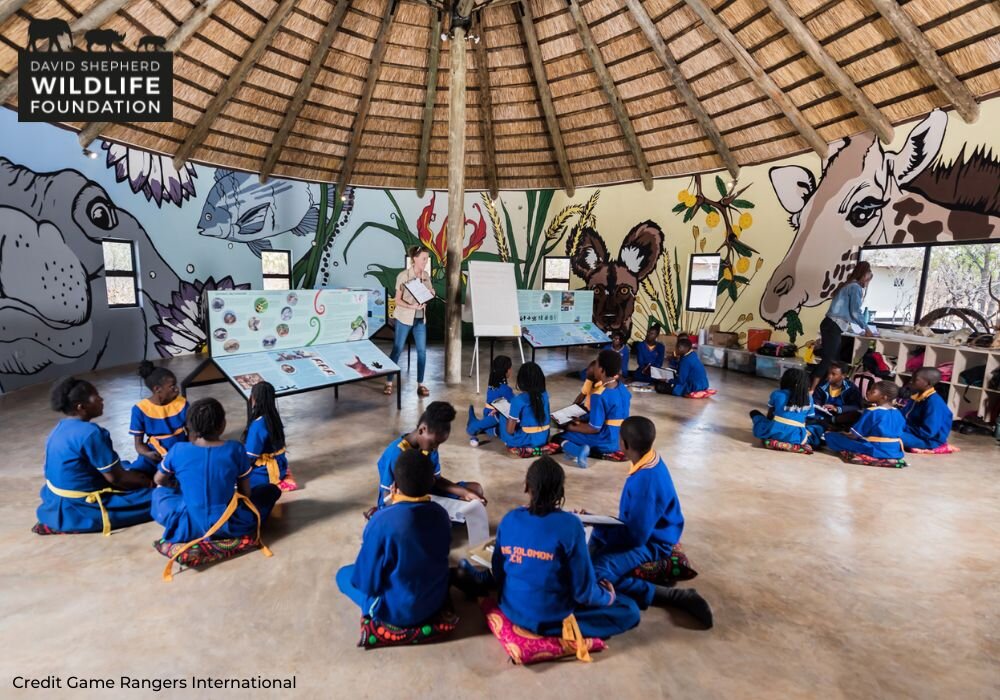
In Zambia’s Greater Kafue Landscape, our conservation partners continued to connect young people with nature alongside their anti-poaching and human-wildlife coexistence work. One thousand children took part in weekly Conservation Clubs across 25 schools in the Nkala landscape, while 1,429 learners attended Discovery Days at the Wildlife Discovery Centre.
These experiences help young people develop a greater understanding of the wildlife around them and the challenges of sharing landscapes with species such as elephants. By building knowledge and awareness early, they are helping to foster a future where people and wildlife can thrive together
Zimbabwe: painted dogs inspire young conservationists
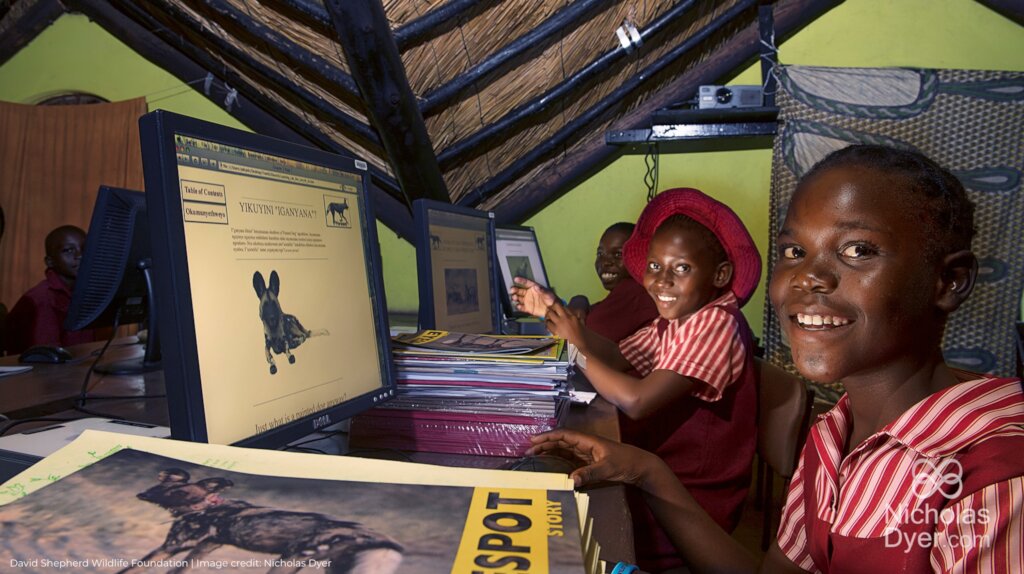
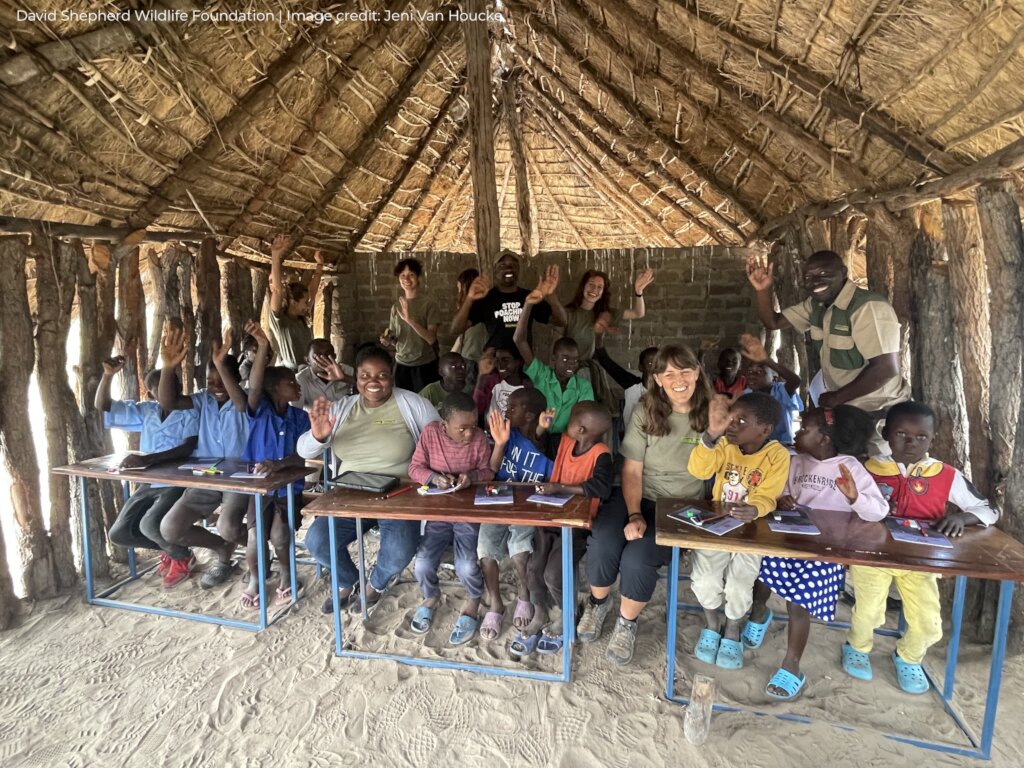
In Zimbabwe, our conservation partners' Bush Camp gave 810 young people the chance to learn about wildlife and conservation in an immersive outdoor setting. The experience had a measurable impact, with participants showing a 21% improvement in conservation knowledge after attending. Conservation Clubs reached a further 990 children, helping to nurture curiosity about wildlife and reinforce learning long after the camp experience had ended.
Mongolia and Kyrgyzstan: snow leopard learning
In Mongolia, our conservation partners launched the Nomadic Trunk programme, equipping 30 community rangers with educational materials and games to share lessons on local ecology with around 150 households across two provinces. An eco-camp also brought 130 children closer to nature, creating opportunities to learn about the wildlife and landscapes that surround them.
In neighbouring Kyrgyzstan, snow leopard conservation was woven into learning at multiple levels. A snow leopard-themed English lesson plan was distributed to more than 1,000 teachers, while new Grade 5 and Grade 7 textbooks, expected to reach around 300,000 students, now include content on snow leopard ecology and habitat conservation.
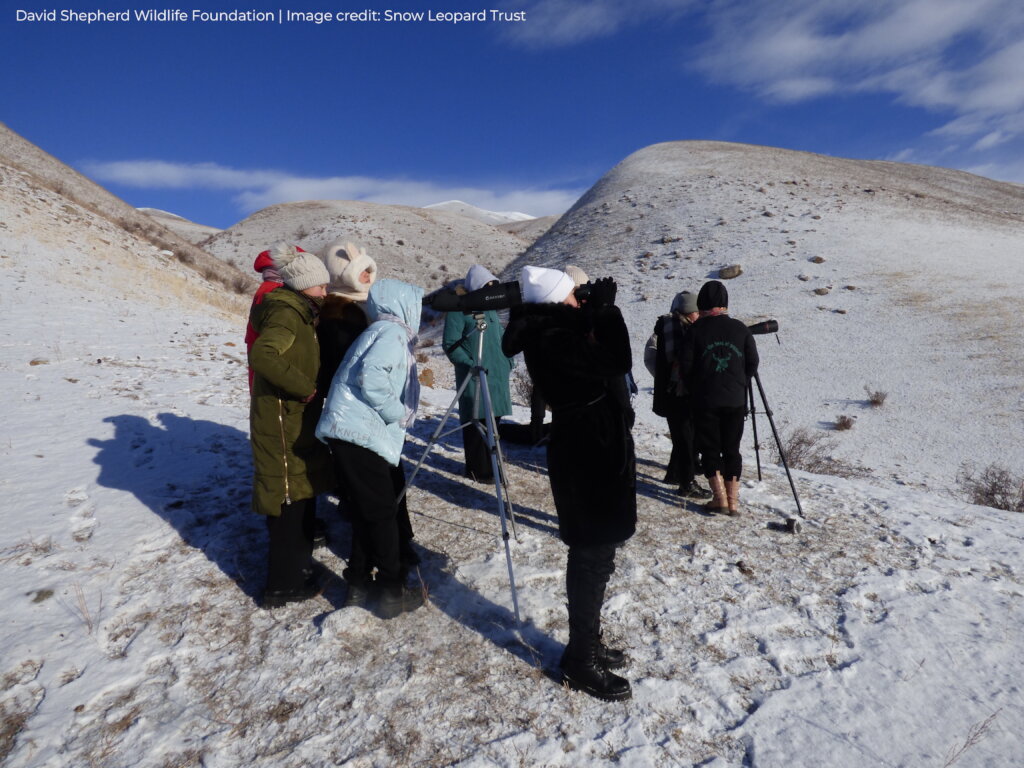
Beyond the classroom, 432 students from 22 rural schools took part in WhatsApp-based environmental education, while lectures, presentations, nature excursions and summer eco-camps engaged hundreds more young people. For one particularly fortunate group, the experience included a sighting of a wild snow leopard, an unforgettable encounter that brought conservation to life in a truly remarkable way.
United Kingdom: inspiring future conservationists at home
Conservation education also plays an important role here in the UK, helping young people connect with global wildlife issues and understand the difference they can make for the natural world.
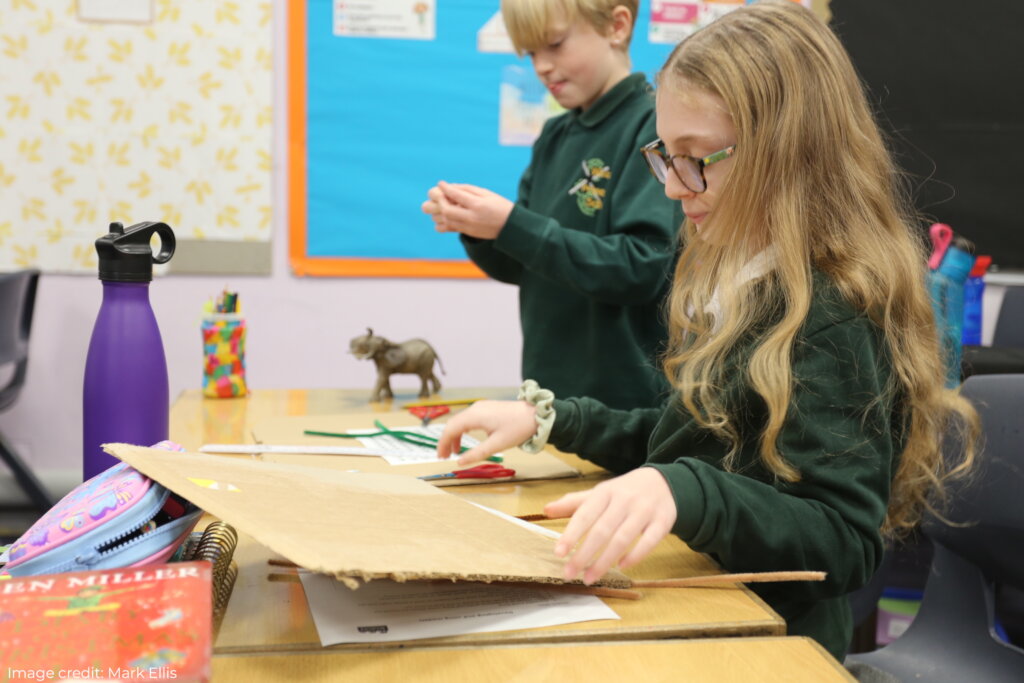
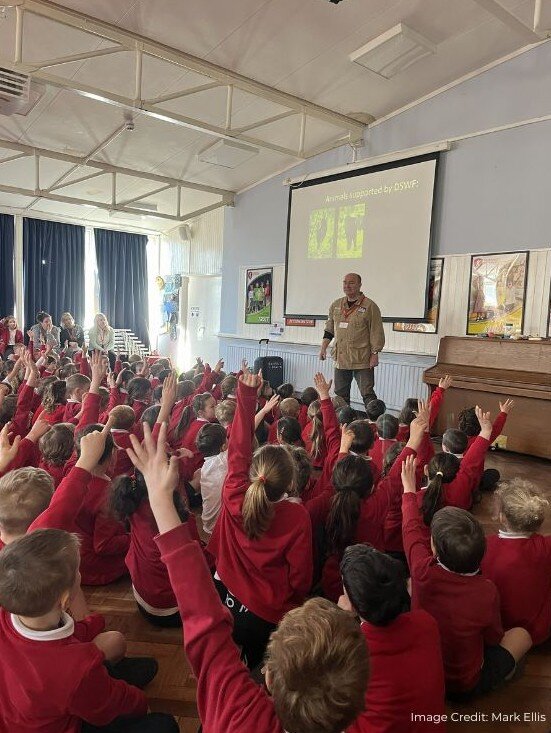
During 2026, DSWF's school, library and community workshops reached 2,116 children through programmes delivered across schools, libraries and holiday clubs. Demand remained exceptionally strong, with school workshops fully booked through July, alongside summer sessions in libraries and holiday clubs, including a pilot programme designed to support children with additional needs.
Our education team has also been developing new workshop content focused on endangered species, using artwork from Global Canvas, the DSWF International Children's Art Competition, to help younger children explore what extinction risk means and why conservation matters. New online conservation resources are now available for schools, with additional curriculum-linked content currently in development.
For older students, DSWF continued to support opportunities that build practical conservation skills. Through the Institute of Research in Schools' Elephants on the Move project, 380 students from 28 schools completed original research projects using real elephant tracking data. By analysing movement patterns from collared elephants, students gained hands on experience in data analysis, coding and scientific research, while contributing to a greater understanding of conservation science.
Thanks to your support, DSWF also continued its ambassador programmes for 16 to 19-year olds, giving students the opportunity to produce wildlife films with Wildscreen and, following specialist training, deliver conservation workshops to younger pupils. These experiences helped deepen their understanding of endangered species, build confidence and leadership skills, and inspire many to consider a future career in conservation.
Looking ahead
Thanks to your support, children across the world are learning that wildlife is not something distant or abstract. It is part of their communities, their future and something worth protecting. From classrooms in Assam and villages in Guinea to snow leopard landscapes in Central Asia and schools across the UK, conservation education is helping to inspire and equip the next generation of wildlife champions.
Project reports on GlobalGiving are posted directly to globalgiving.org by Project Leaders as they are completed, generally every 3-4 months. To protect the integrity of these documents, GlobalGiving does not alter them; therefore you may find some language or formatting issues.
If you donate to this project or have donated to this project, you can receive an email when this project posts a report. You can also subscribe for reports without donating.



Support this important cause by creating a personalized fundraising page.
Start a Fundraiser