By Peter Kuria | Monitoring,Evaluation, Research & Learning Officer
GOOD PROGRESS & ACTIVITIES
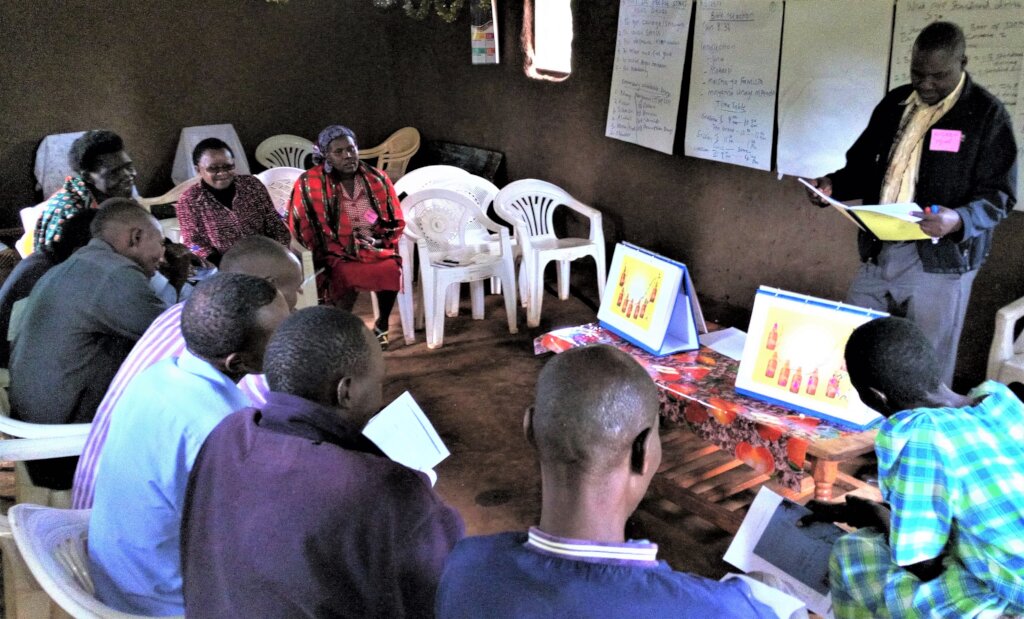
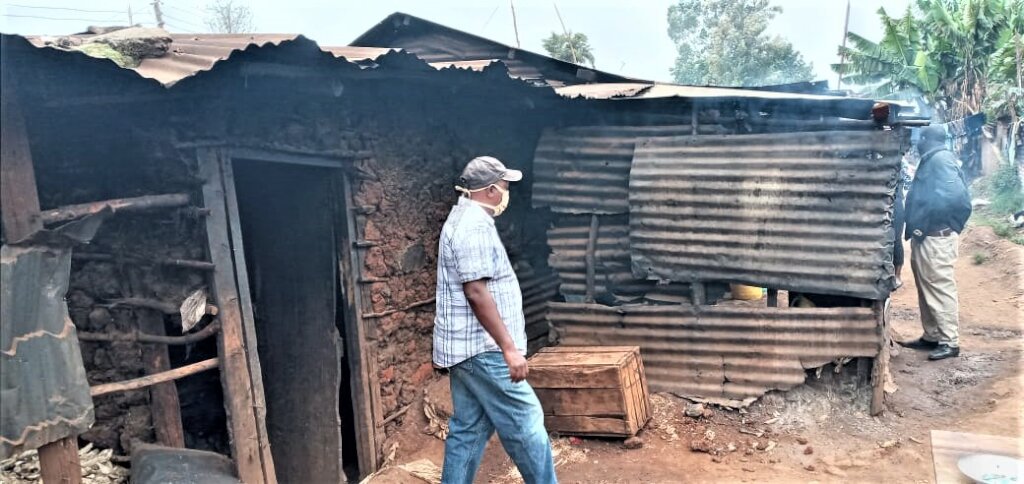
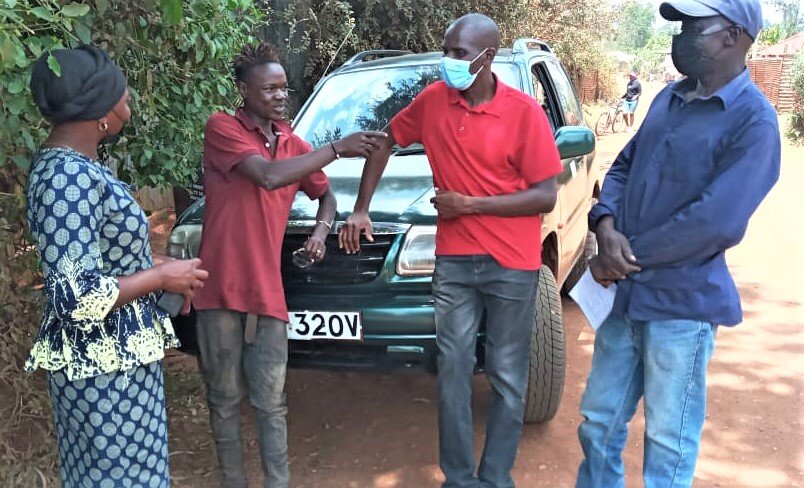
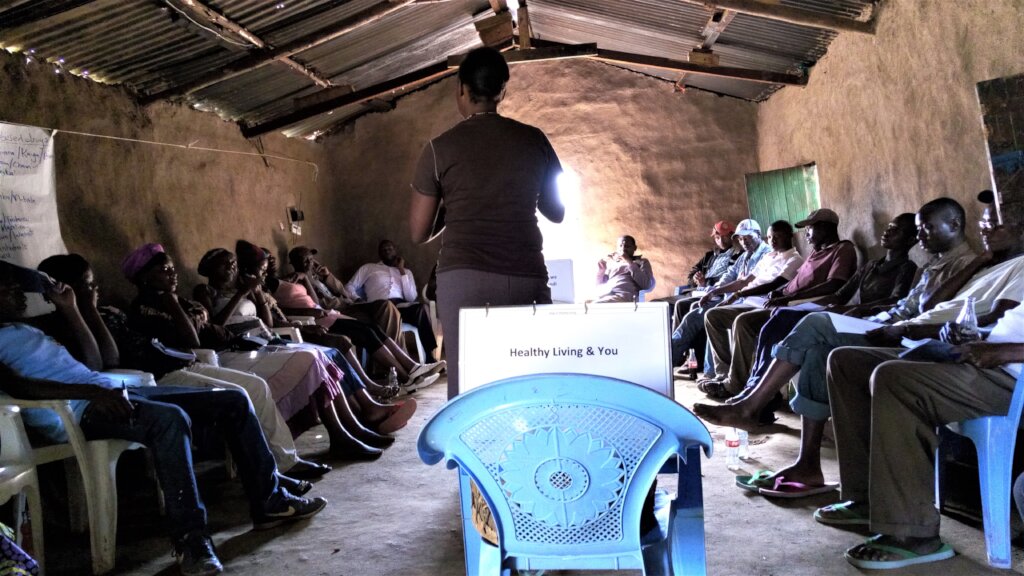
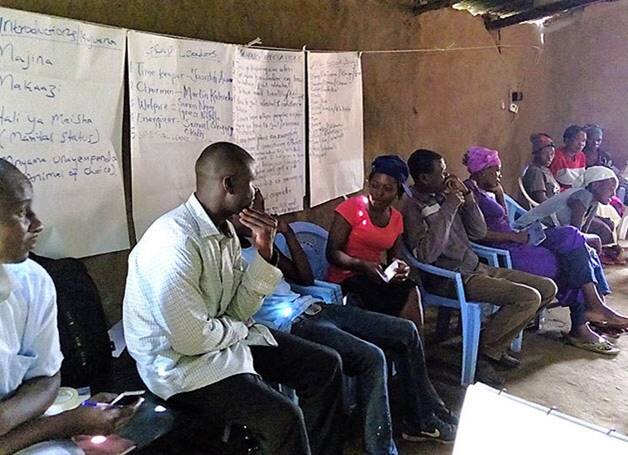
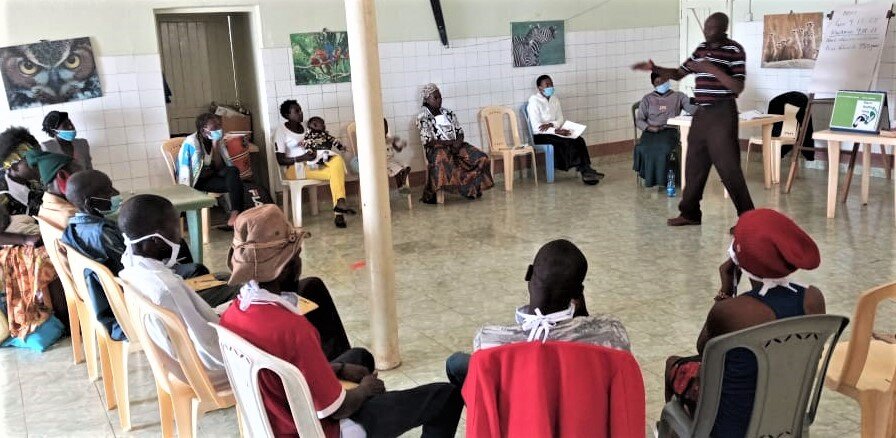
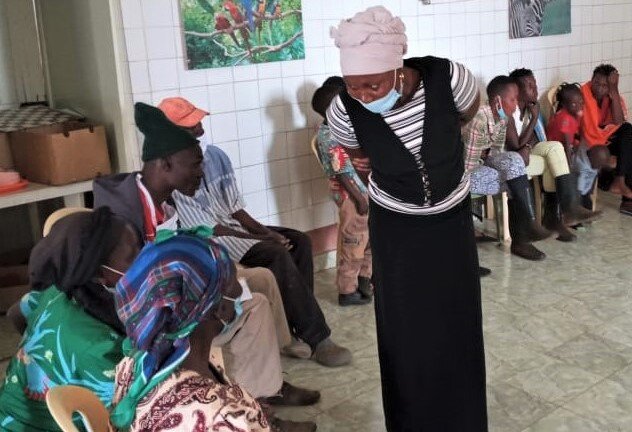
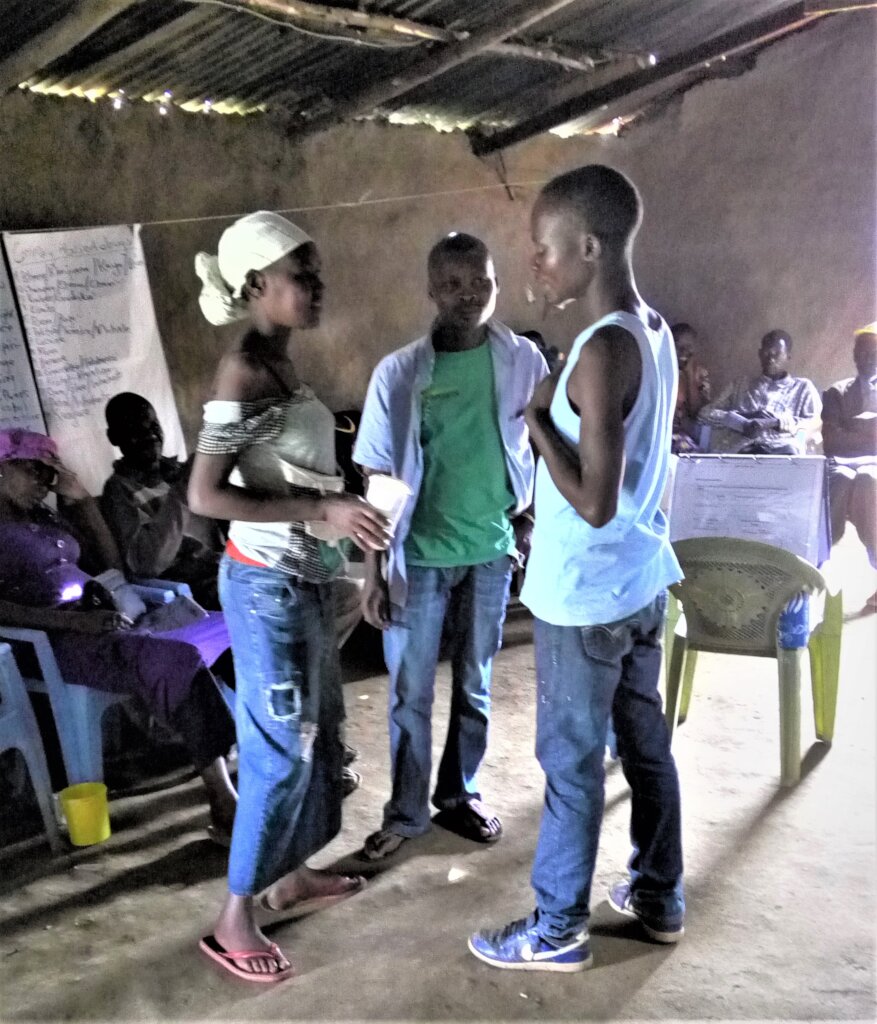
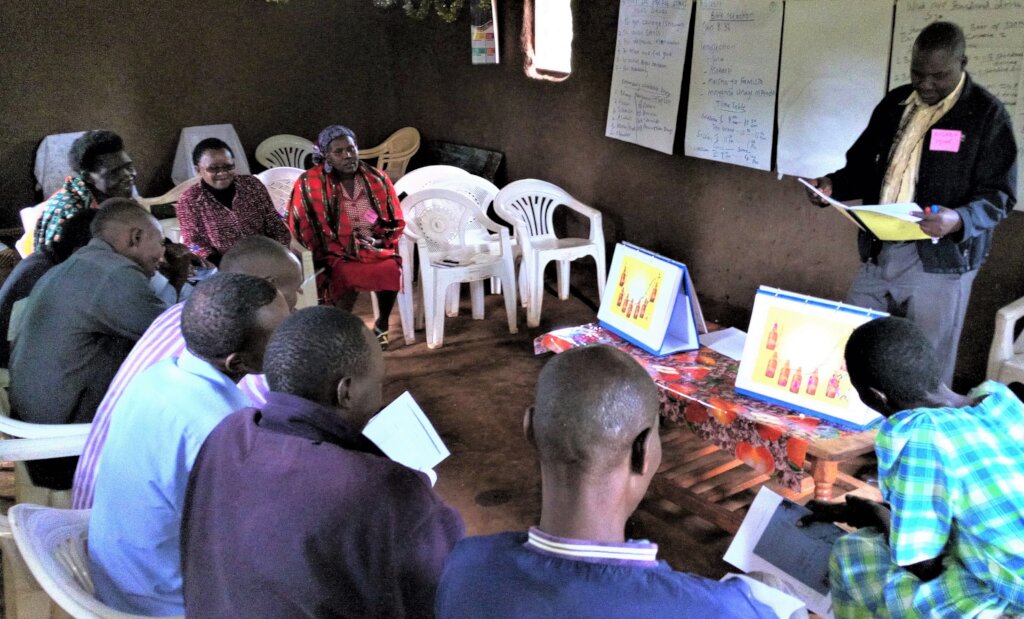
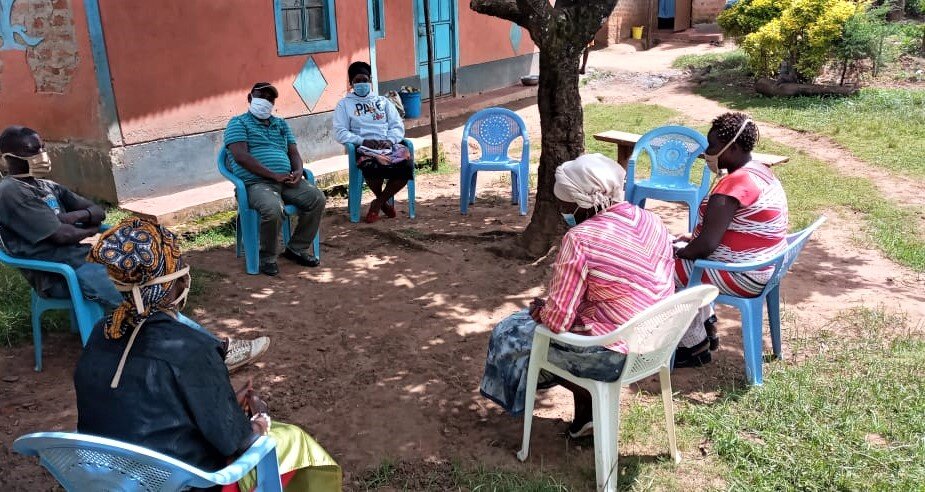
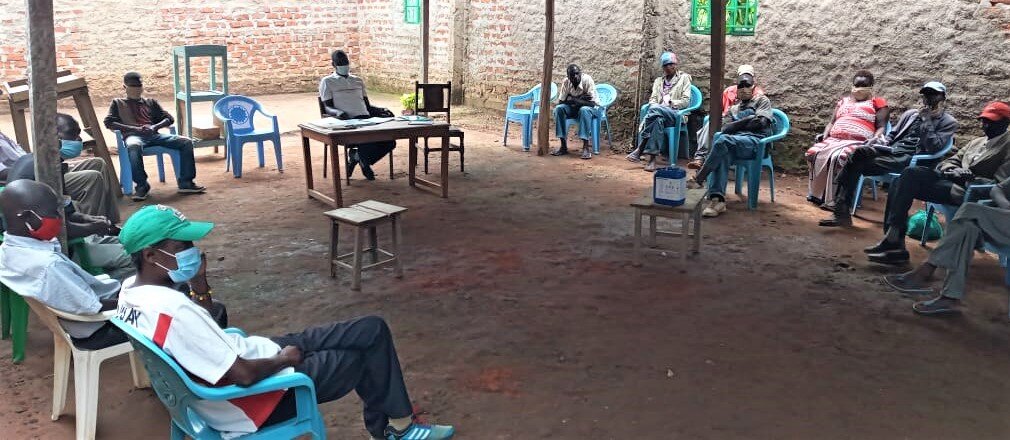
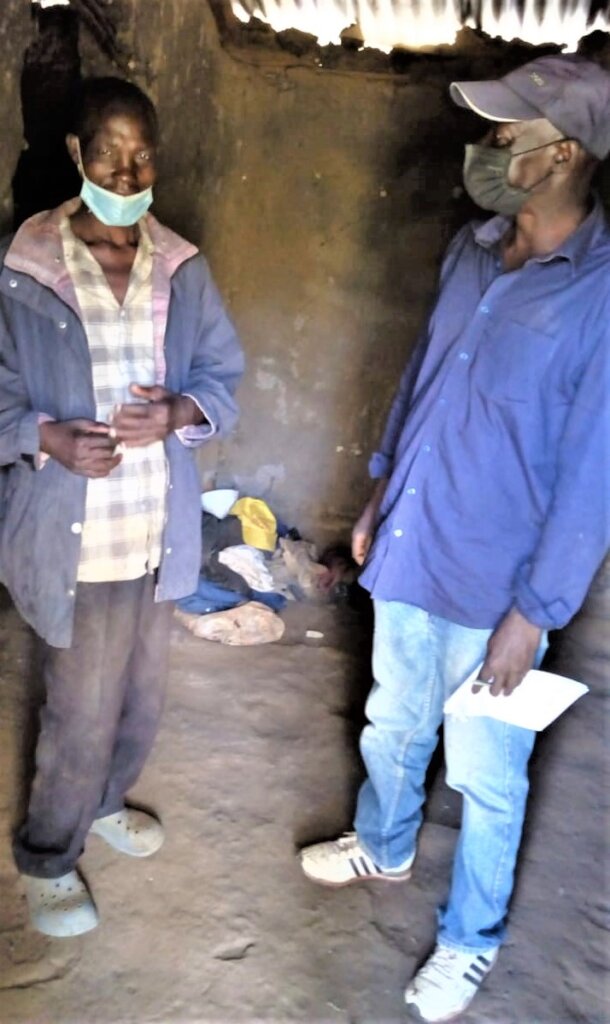
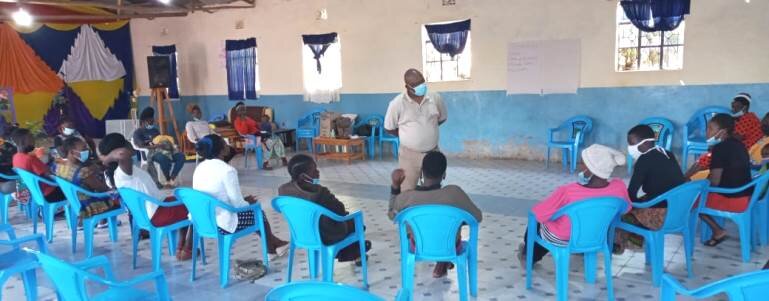
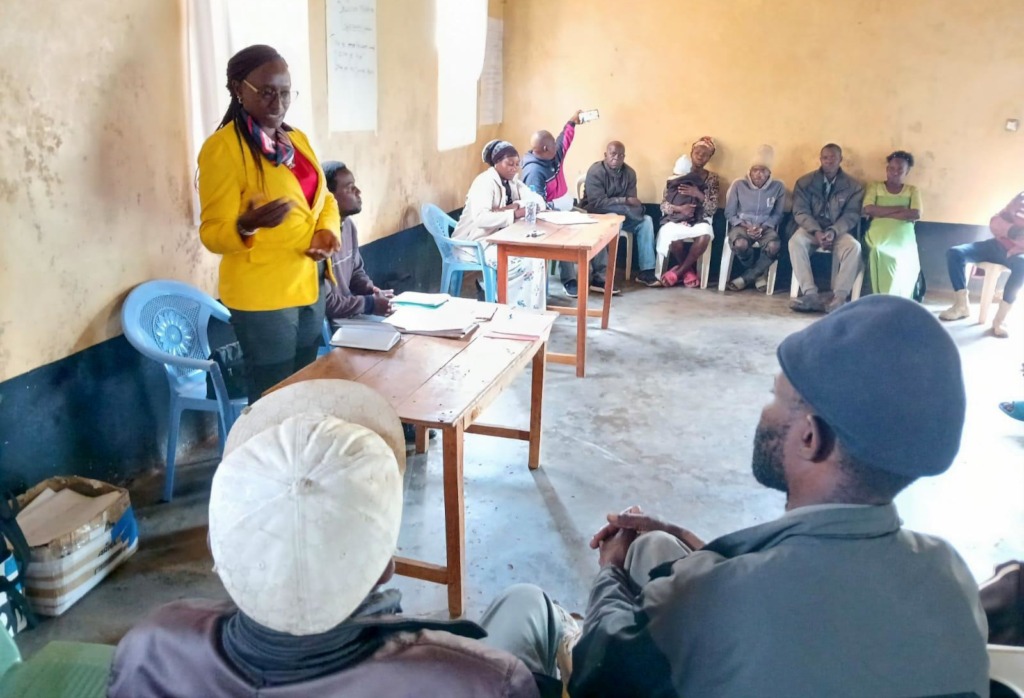
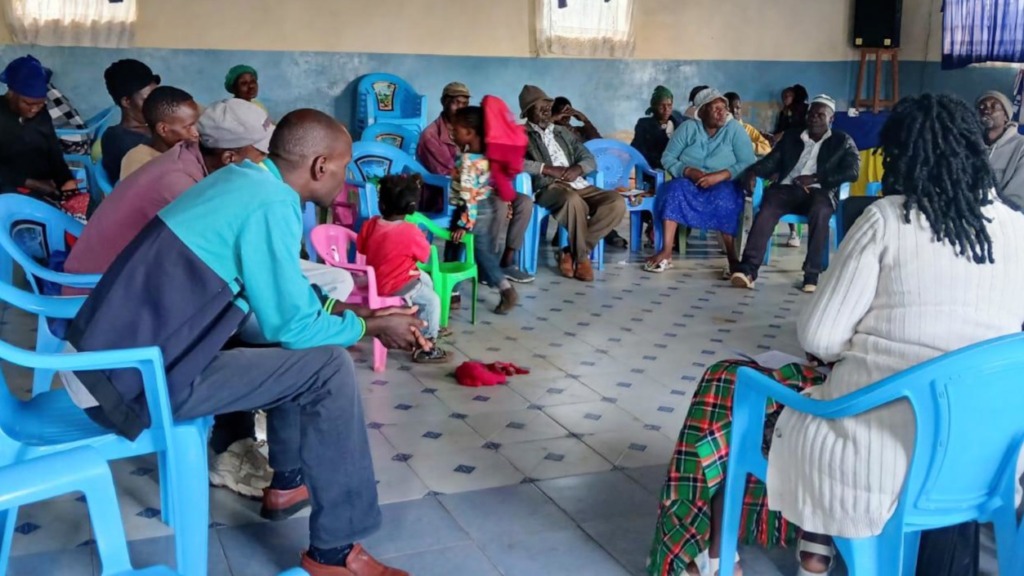
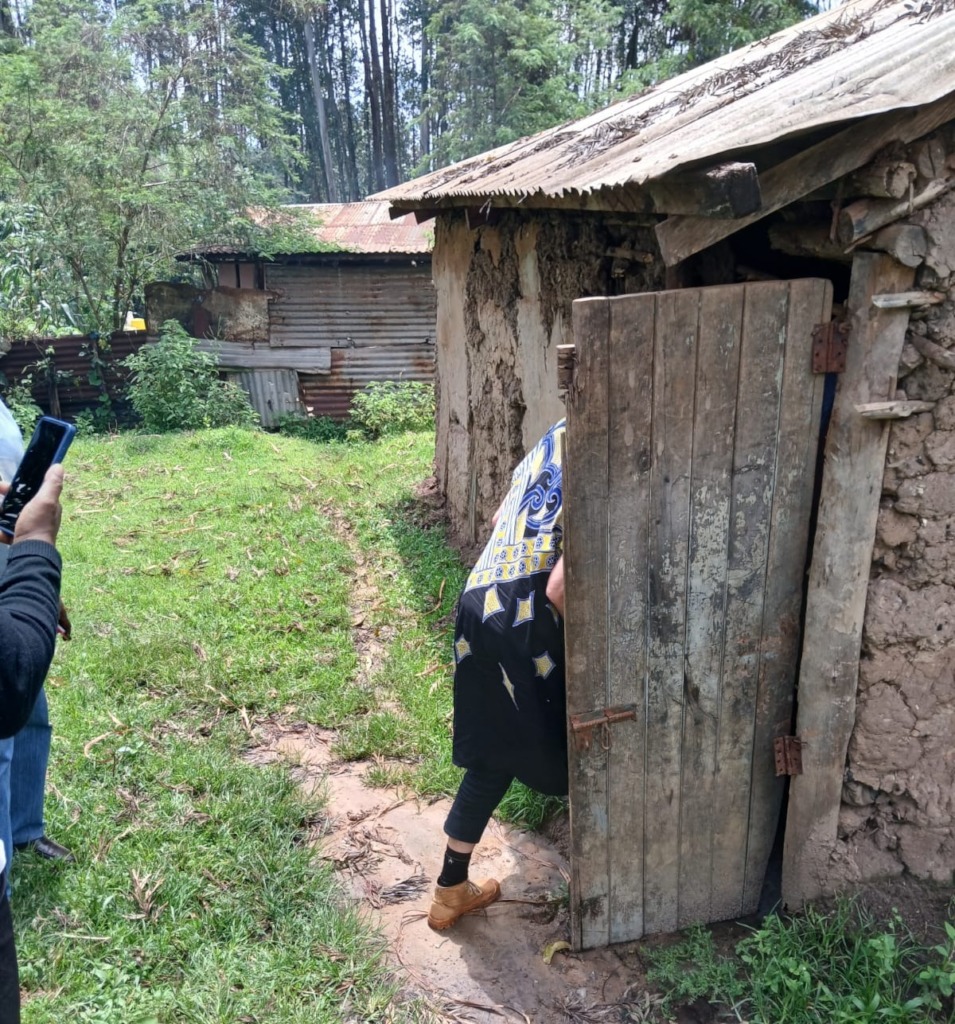
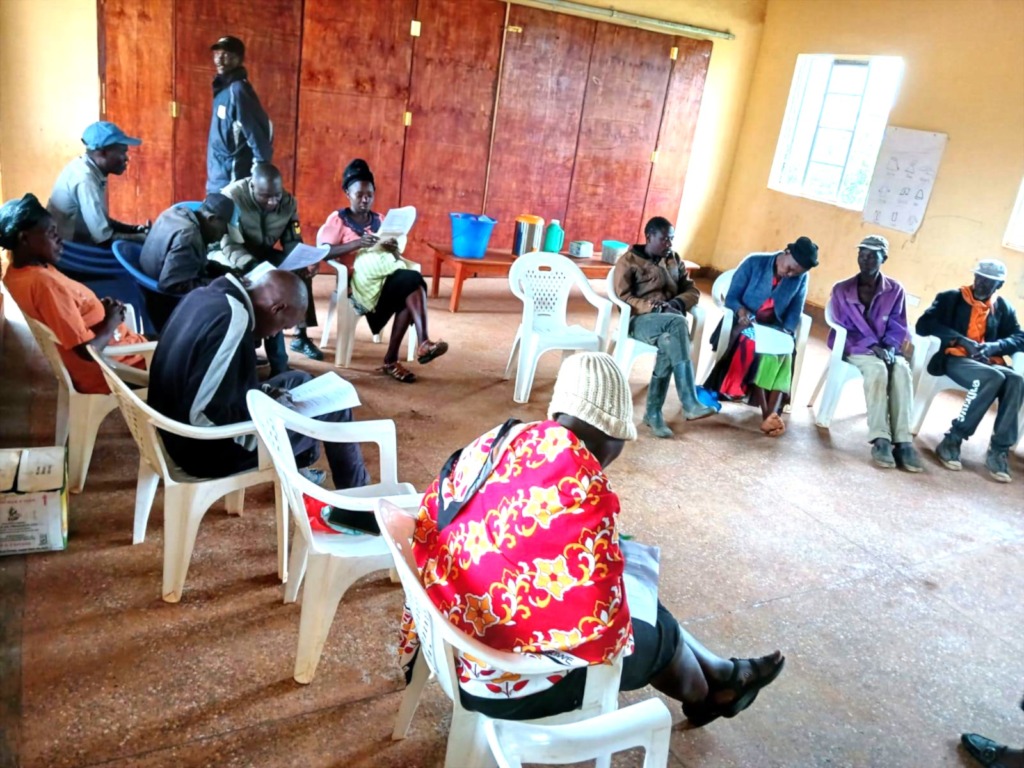
Building on the strong progress made in previous years, KAP continued to strengthen its Addiction Recovery programme through regular community-based follow-up and family involvement. During this reporting period, KAP conducted 12 home visits, 6 Recovery support sessions, 5 refresher workshops, and 1 family day, ensuring that clients received ongoing support in their rehabilitation journey.
Through regular counselling, peer support, psychoeducation and life-skills training, many clients have maintained sobriety, rebuilt relationships with their families, resumed productive livelihoods and regained hope for the future. Several recovering clients are now serving as peer mentors, using their own Recovery journeys to encourage and support others.
IMPORTANT OBSERVATIONS, STRENGTHS & CHALLENGES
Recovery Coaches noted that home and workplace visits have become one of the programme's greatest strengths. These visits help clients stay focused on their Recovery while providing a safe space to openly discuss personal challenges. Recovery support meetings have also created opportunities for participants to learn from one another, celebrate milestones and encourage those facing setbacks. Community sensitization activities and family engagement have further reduced stigma, strengthened family or community support and encouraged more people to seek help early.
While significant progress has been made, Recovery Coaches noted that many clients continue to face challenges that can undermine their Recovery. Unmet social needs, particularly access to food, medication and other basic necessities, remain a major concern. Some clients also continue to experience discrimination and stigma from community members who have not participated in the programme or who have limited understanding of Addiction and Recovery.
In addition, beneficiaries sometimes expect KAP to provide financial assistance or meet broader social and economic needs that fall outside the programme's mandate. These realities emphasize the importance of continued referrals, stronger partnerships with service providers and ongoing community sensitization to complement KAP's Recovery interventions.
GOING FORWARD WITH CONFIDENCE
Overall, the programme has built on earlier successes by strengthening community ownership of the Recovery process and creating lasting benefits for individuals, families and communities. The continued demand for KAP's services, both within communities and learning institutions, reflects the trust the programme has earned and the positive difference it continues to make. This is a clear sign of the programme's impact.
With continued support, KAP can reach more individuals and families affected by substance use disorders, helping them achieve lasting Recovery and build healthier, more hopeful futures.
STORY OF CHANGE I
From Addiction to Hope: Magdalene’s Journey of Recovery and Renewal
For years, Magdalene (not her real name), a 52-year-old mother from Matisi Rural in Trans Nzoia County, Kenya, lived under the painful weight of alcohol and tobacco dependence. Addiction slowly took away her health, confidence, family connections and hope for the future. Her loved ones watched helplessly as the woman they knew became trapped in a struggle she could not overcome alone.
When KAP brought community-based Recovery services closer to families affected by substance use disorders, Magdalene found a lifeline. Through Recovery training, counselling, home visits, peer support and family engagement, she began the difficult but life-changing journey toward healing.
Recovery was not easy. Magdalene faced setbacks, health challenges and moments of doubt, but with continued encouragement from KAP’s Recovery Coaches and her family, she kept moving forward. Today, after more than three years of sobriety, she has rebuilt her relationships, restored her dignity and rediscovered her purpose.
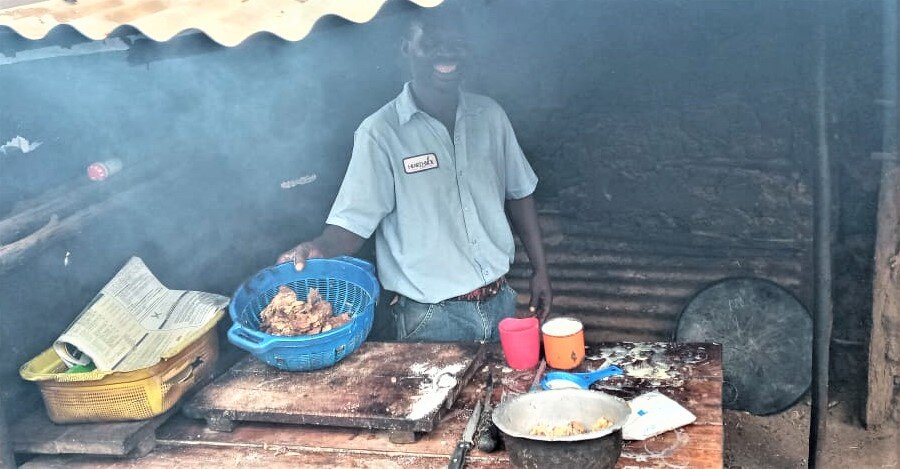
With support from KAP’s financial literacy (SILC) and entrepreneurship initiatives, Magdalene gained skills to start a small grocery and charcoal business, helping her provide for her family and regain independence. She is now a source of hope for others in her community, sharing her story and encouraging people struggling with Addiction to seek help.
Magdalene’s transformation shows what is possible when people affected by Addiction are met with compassion, understanding and ongoing support. This support helps KAP reach more individuals and families like hers turning despair into hope, restoring relationships and creating opportunities for healthier, more hopeful futures.
Source:
Kitale Community Advancement Programme
Addiction RecoveryTeam
STORY OF CHANGE: II
Reclaiming Hope Through Recovery
When Alika first joined our Recovery program in Umoja, Kitale, her life was defined by hardship, isolation, and Addiction.
A mother of five, Alika had separated from her husband after years of domestic violence fueled by alcohol abuse. Left to raise her children alone, she struggled to cope with the trauma. Over time, she turned to alcohol and tobacco, eventually becoming what her community refers to as a “daily drinking officer (DDO)”- a term commonly used in informal settlements to describe individuals deeply affected by substance use.
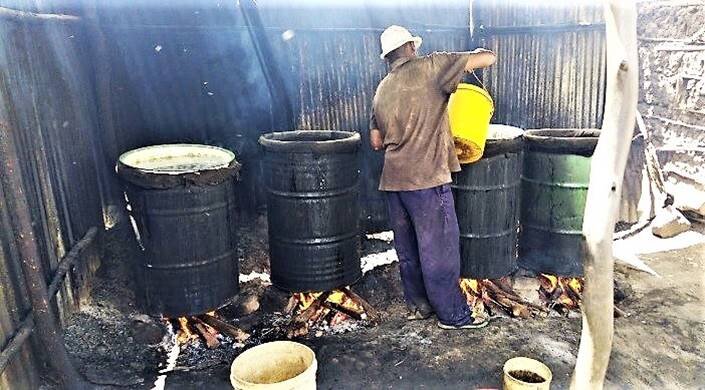
Her days revolved around local drinking dens where inexpensive illicit alcohol such as ‘chang’aa’ is readily available. The environment in Umoja-where many households depend on brewing and selling alcohol for survival, exposed her to constant triggers, reinforcing cycles of Addiction, conflict, and poverty. Alika frequently found herself in fights, using abusive language, and spending all her earnings from casual labor on alcohol.
Recognizing the urgent need for intervention, Kitale Community Advancement Program (KAP) conducted a needs assessment in Umoja, which led to the launch of a Substance Use Disorder (SUD) Recovery program specifically for women. Alika was identified and enrolled through KAP’s outreach efforts.
From the outset, she demonstrated determination to change. She consistently attended Recovery sessions, which included education on Addiction, group therapy, family counseling, individual therapy, and home visits. She actively participated - taking notes, engaging with Recovery Coaches, and consistently applying what she learned in her daily life.
Gradual, meaningful changes began to emerge.>Alika reduced her alcohol consumption, improved her personal hygiene, and developed healthier ways of managing conflict. She built new, supportive relationships and began to regain a sense of self-worth. Despite ongoing challenges, particularly the pressures of her environment, she remained committed to her Recovery journey.
Today, Alika’s transformation is visible and inspiring. She has reconnected positively with her children, two of whom are currently supported in a children’s home due to her previous inability to provide adequate care. Her improved stability has allowed her to visit them regularly and rebuild trust. Within the community, many express disbeliefs at the progress she has made.
While Recovery is not without setbacks, Alika is now better equipped to recognize her triggers and seek support. She openly acknowledges moments of stress that sometimes lead to minor relapses but continues to work closely with KAP staff and Recovery Coaches to strengthen her coping mechanisms.
Importantly, as a single mother, Alika now caters for all her household needs. She is able to secure casual work more consistently, manage her finances better, and support her family independently. She is rebuilding her dignity, independence, and role as a mother.
Alika’s journey reflects the power of consistent support, community-based interventions, and the resilience of individuals determined to change their lives.
She remains deeply grateful to KAP for walking alongside her through one of the most difficult chapters of her life.
(Name changed to protect identity).
Source:
Kitale Community Advancement Programme
Addiction Recovery Team
Project reports on GlobalGiving are posted directly to globalgiving.org by Project Leaders as they are completed, generally every 3-4 months. To protect the integrity of these documents, GlobalGiving does not alter them; therefore you may find some language or formatting issues.
If you donate to this project or have donated to this project, you can receive an email when this project posts a report. You can also subscribe for reports without donating.



Support this important cause by creating a personalized fundraising page.
Start a Fundraiser