By Dr. Thomas G. Hedberg | Executive Director
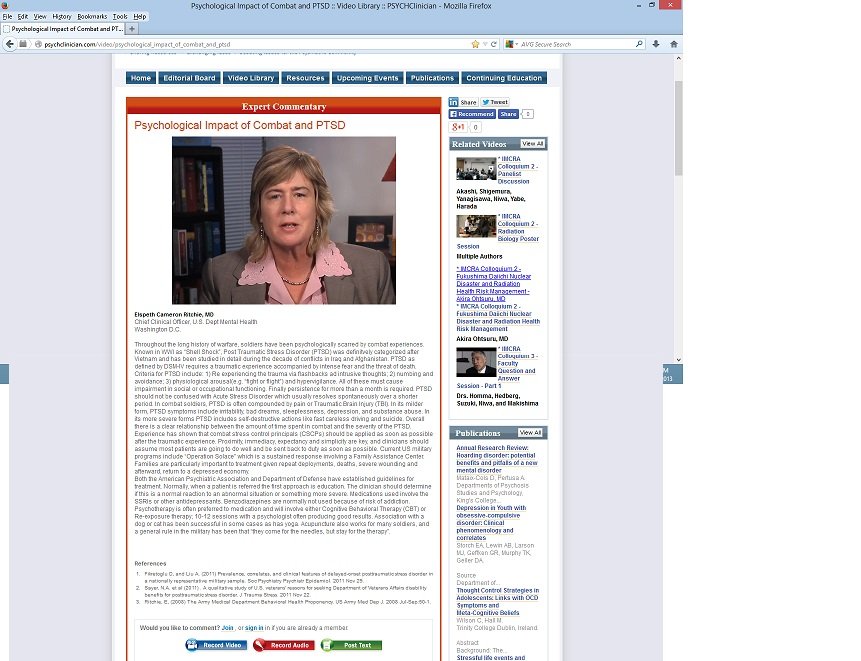
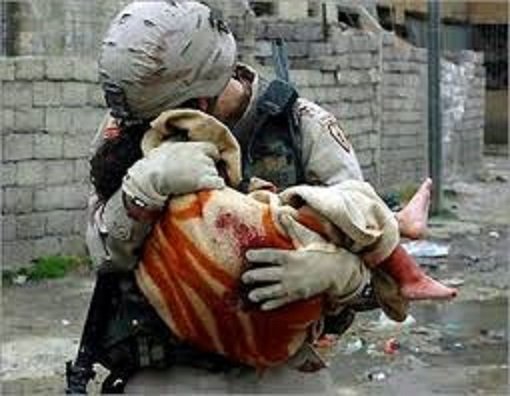
As of November 12th 2015 IMCRA launched two new initatives in our Domestic PTSD remediation program in coordination with US federal agencies. In the wake of our partner FEHSF's activities, it was surprising learning how many selfless people in US Agencies such as the Department of Justice, Homeland Security, and Alchohol Tobacco and Firearms, among others, have apparently slipped through the cracks in terms of anonymous access to expert long-term professional resources when faced with post-traumatic mental disorders. Please join us if you have an interest in this largely unremediated problem area.
IMCRA is now engaged in discussions with key representives of these three agencies on development and implementation of the following 5 point program:
1. Training of first-line care providers - When problems emerge, we've found that individuals and families tend to go first to older family members, occasionally clergymen,and especially to primary care physicians. The IMCRA program provides expert training via online and onsite programs that enable trusted primary care providers to emplace effective psychological or medical interventions before, (and occasionally to the exclusion of) referral to an unknown specialist.
2. Complete anonymity when/if desired - The IMCRA system allows those seeking professional help to anonymously access and interact with an expert all-MD faculty who are internationally recognized leaders in the field of trauma-related disorders. There is no requirement for any system user to reveal their identity unless registering for additional benefits.
3. Online interactivity - IMCRA's three service targets, individuals, families, primary care providers have 24-7 access via smartphone and internet to IMCRA faculty. When the system user is unable/unwilling to travel, counseling and intervention via IMCRA can be conducted via smartphone, pad or online device.
4. All-MD, all-expert, international faculty - IMCRA faculty have been chosen to represent the very best practitioners of post-traumatic psychology. Our faculty have donated their time and expertise understanding that while it is difficult for users to always find the best treatment options, 21st Century technology enables them to render services and virtual presence both nationally and internationally. This can be especially important for agents serving abroad; and those who may be more comfortable in languages other than English (Spanish, Chinese, others).
5. Outreach through service organizations - IMCRA currently partners with a number of organizations (e.g. PBA, VFW) to provide easy access to potential users who may be hesitant to actively seek help.
As plans develop we will report regularly on their implementation in the new year.
Links:
Project reports on GlobalGiving are posted directly to globalgiving.org by Project Leaders as they are completed, generally every 3-4 months. To protect the integrity of these documents, GlobalGiving does not alter them; therefore you may find some language or formatting issues.
If you donate to this project or have donated to this project, you can receive an email when this project posts a report. You can also subscribe for reports without donating.