By Dr. Thomas G. Hedberg | Executive director, IMCRA
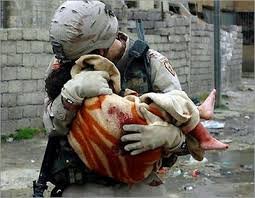
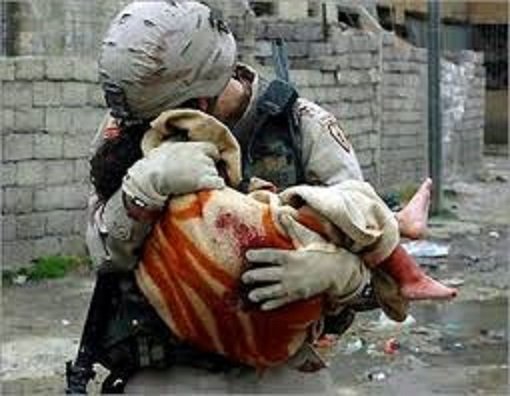
Say you are a U.S. serviceman or servicewoman, returning from the horrors in the Mideast. Maybe not even so far away. Perhaps you were a federal or local law enforcement official called to the Sandy Hook massacre or the Boston Marathon bombing. Or for that matter, any of the myriad consequences of the nightmarish human behaviors, increasingly the province of otherwise normal-seeming people.
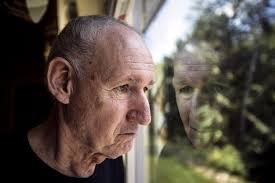
You find it hard to sleep, you keep having nightmares; flashbacks of obscene horrors intrude on your waking consciousness. You begin weeping in mid-day for no apparent reason. Quick to anger, you snap at loved ones, and someday, perhaps, you have to do something to stop the constant mental pain and anguish.
In too many cases, that something is either suicide or some form of violence against family or other innocents. PTSD and the sequelae of traumatic brain injury are well-understood concommitants of exposure to the worst the 21st Century has to offer. Unfortunately, there continue to be too few places to turn - and too long to wait - when the problem is finally acknowledged by the victim, or their family, or a medical professional.
For 6 months now IMCRA has been establishing and solidifying working relationships with experts in the area of Mental Health issues plaguing those who have been there when needed. Early on, we began a partnership with Congressman Jim Himes, which has now extended to a joint collaboration with Senator Richard Blumenthal of Connecticut. Last week we began talks with Richard Kendall of the Federal Homeland Security Foundation. All these efforts are focused on establishing a confidential network of qualified experts who can recognize the ravages of PTSD and utilize the IMCRA program bring aid both to families and the first point-of-contact medical providers Those professionals are an especially important target because so often, that is where the path to health stops - because of unfamiliarity with the problem leading to referrals to an overburdened and massively delayed VA healthcare system.
How to we get this network off the ground? Your help and partnership as much as is possible. IMCRA now needs a part-time staffer who can concentrate specifically on this complex issue and working all of the network connections that will make it successful. Please help us help those who gave so much and now are in crisis.
Links:
Project reports on GlobalGiving are posted directly to globalgiving.org by Project Leaders as they are completed, generally every 3-4 months. To protect the integrity of these documents, GlobalGiving does not alter them; therefore you may find some language or formatting issues.
If you donate to this project or have donated to this project, you can receive an email when this project posts a report. You can also subscribe for reports without donating.