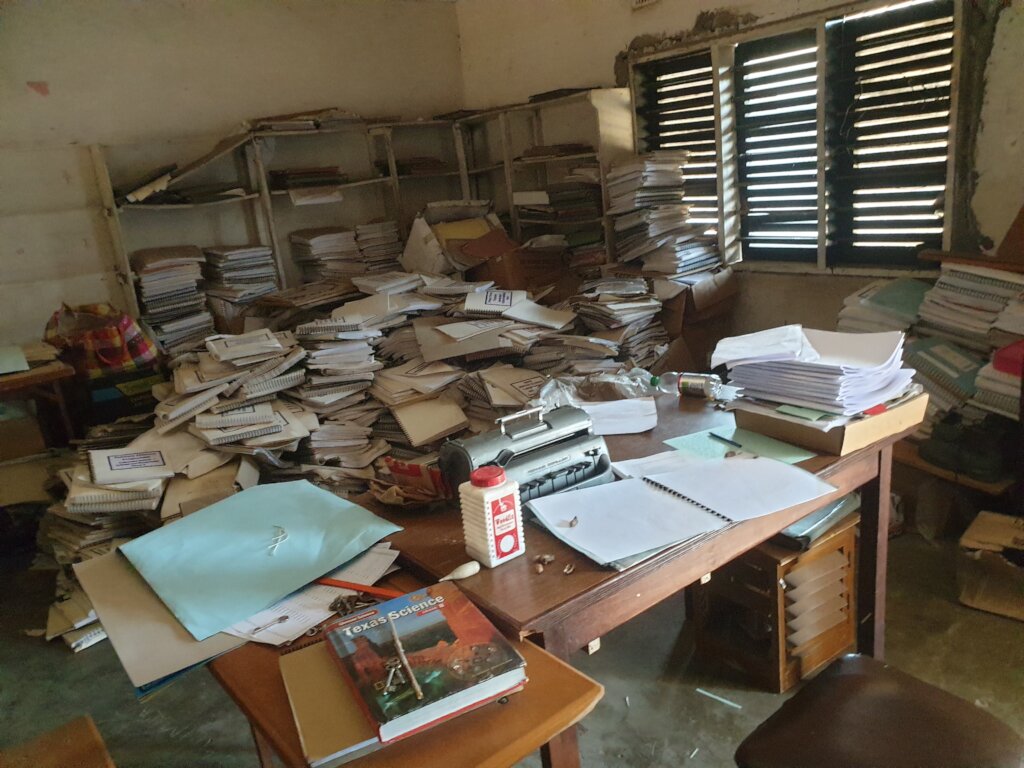
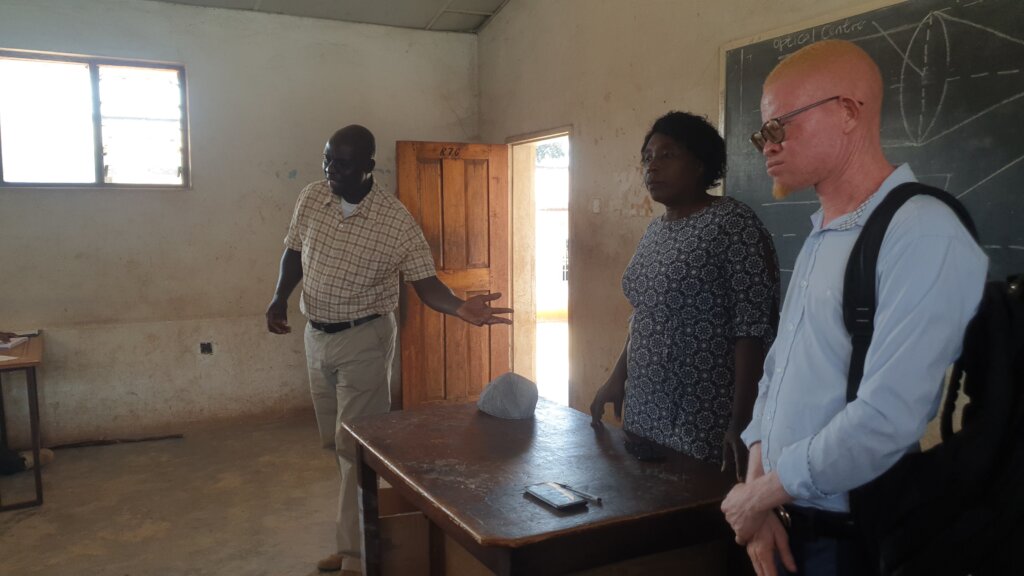
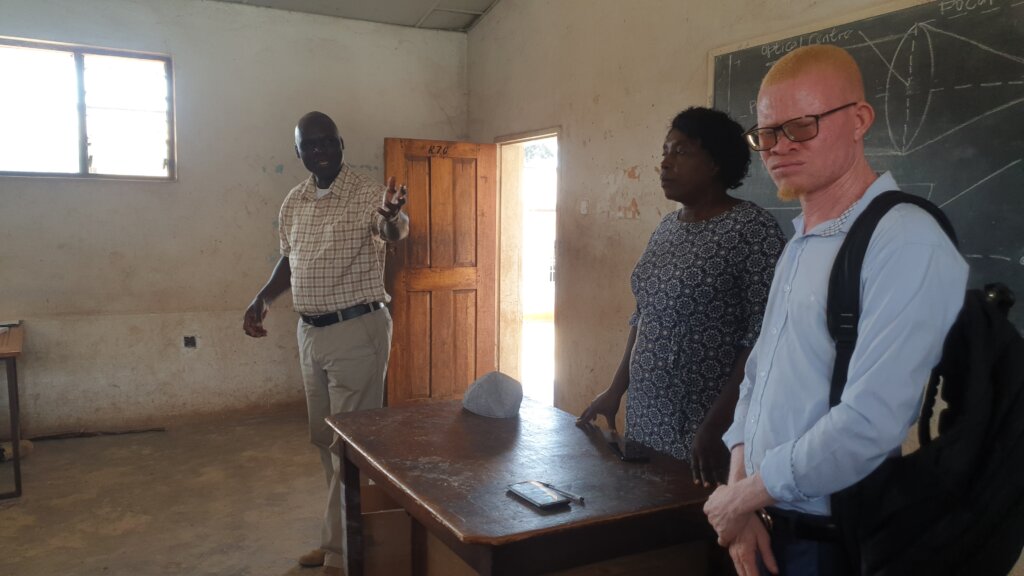
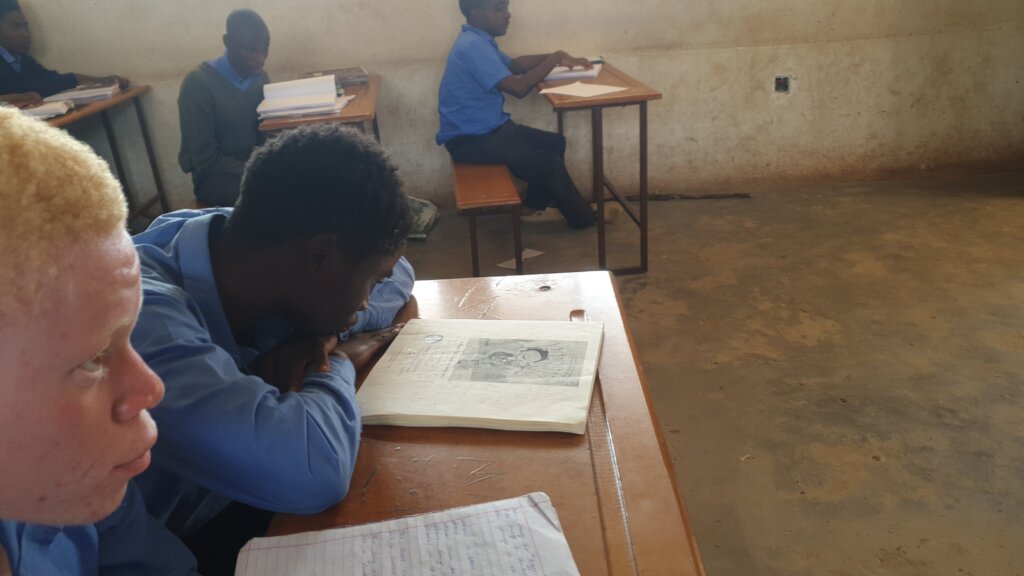
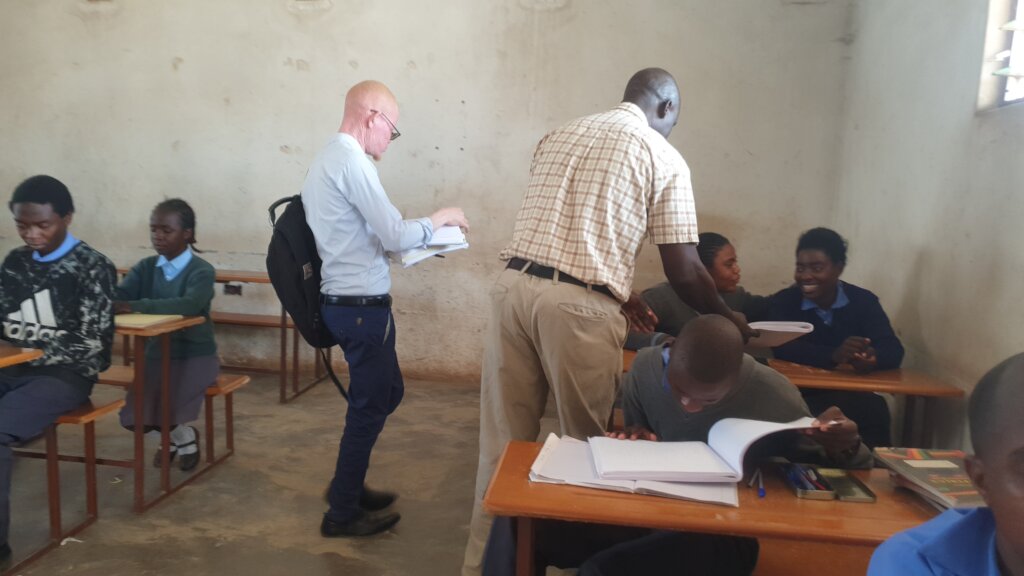
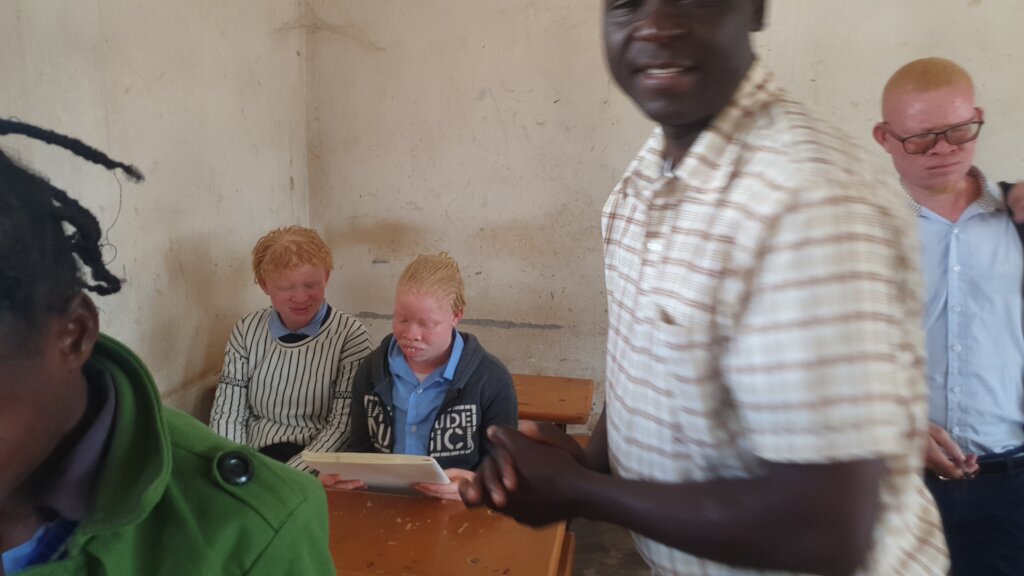
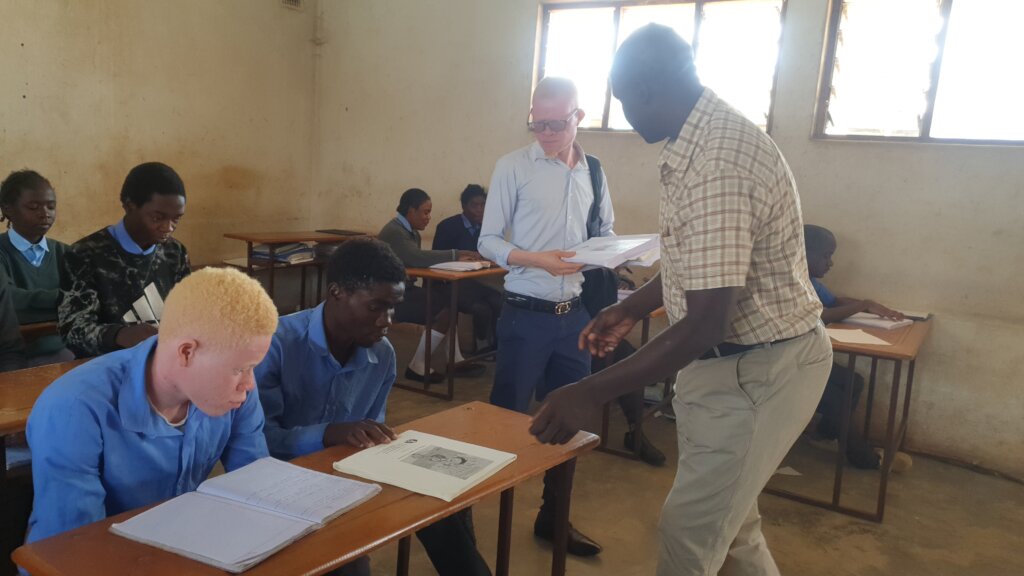
Over the past reporting period, the Closing Accessibility Gaps for Blind (67735) project has made measurable progress toward improving independence, learning access, and community inclusion for individuals with visual impairments. Since our last update, we have distributed assistive learning materials, conducted mobility orientation sessions, and supported inclusive classroom integration for beneficiaries in underserved communities. A total of 68 individuals (including 41 students and 27 adults) directly benefited from braille materials, white canes, and basic assistive technology training. In addition, teachers from two local schools received guidance on adapting classroom methods to ensure visually impaired learners can participate fully and confidently.
One participant, John (name changed for privacy), a secondary school student who previously relied entirely on classmates for notes, is now independently completing assignments using braille resources and screen-reader-supported devices introduced through this project. His improved confidence has already reflected in classroom participation and attendance. Stories like his remind us that accessibility is not simply about tools—it is about restoring dignity, autonomy, and equal opportunity.
Beyond individual support, this period focused on strengthening long-term sustainability. We engaged caregivers and community leaders in awareness sessions to reduce stigma and promote inclusion. Monitoring efforts show increased school retention among supported students and improved mobility confidence among adult participants. While infrastructure and resource gaps remain significant, this project continues to narrow the divide by combining practical support with empowerment, ensuring that blindness does not determine opportunity.