By Monica Kinyua | Project coordinator in Kenya
This report is being sent to 113 friends who have donated $10,880.80 through GlobalGiving to our organization, Children Peace Initiative Kenya (CPIK) since 2022. With your support, we are helping pastoralists in Northwest Kenya collaborate against the common threat from climate.
It seems to be working - and we are very grateful to you all!
*
I want in this report to share two important developments since we were last in touch earlier this year.
First, a growing number of pastoralists from three major tribes – the Samburu, Pokot and Ilchamus - are now aware of the threat from climate change. Also, they are taking action together and changing their behaviour. The results are encouraging.
Second, climate is now fully integrated into our peace-building at CPI Kenya.
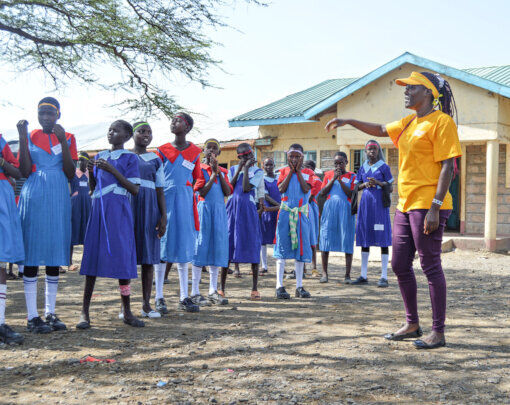
Our traditional approach brings children together from warring tribes and - through them - builds trust between frontline villages that have suffered from years of conflict and cattle-raiding. Our work on climate seeks the same outcome – peace – but uses a different approach.
With support from our donors, these two tracks have now converged into one integrated program. This will broaden our reach among the tribes and improve the prospects for sustained peace across the Northwest of Kenya.
*
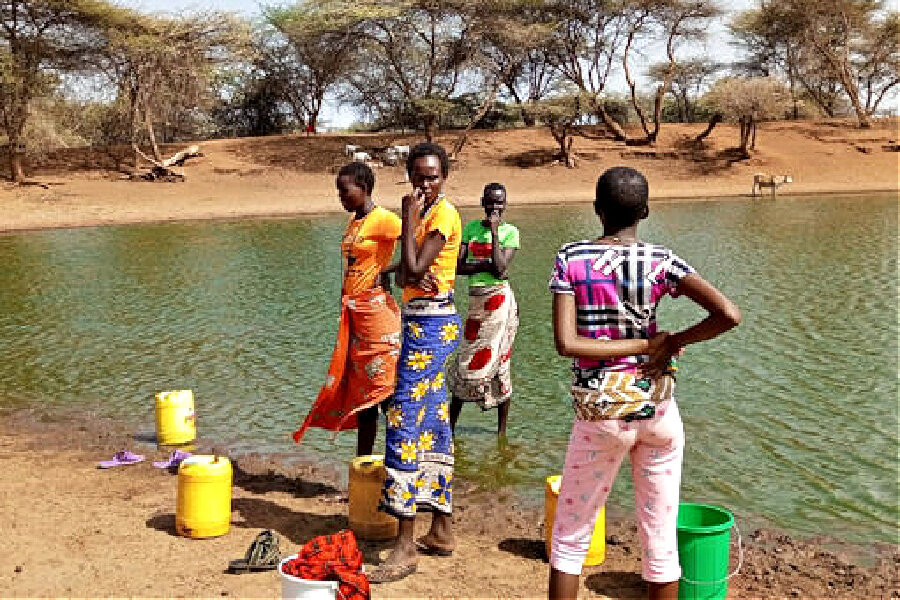
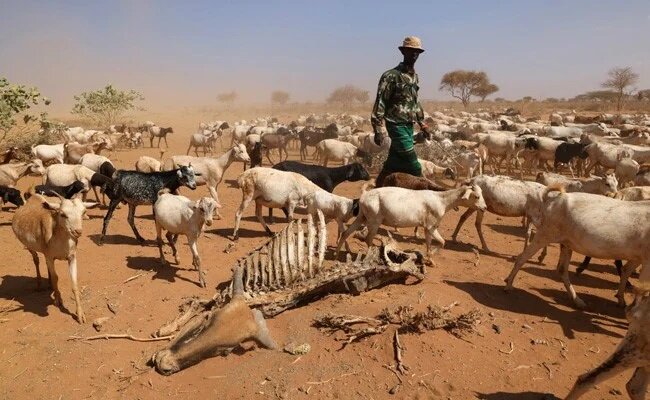
CPI’s mission is to end conflict between pastoralists in Northwest Kenya. Climate is a major cause of conflict because drought dries up water sources and destroys pasture, forcing herders to take their livestock into land used by other tribes. This triggers fighting and cattle rustling.
In 2022 we decided to explore this link and launched an appeal on GlobalGiving which raised $7,755.80 from 63 friends (thank you all!). Helped by Julia, a Peace Fellow from The Advocacy Project (AP), we organized two “cow camps” for 300 herders from the Samburu and Pokot tribes in an area where we had held many peace camps for their children.
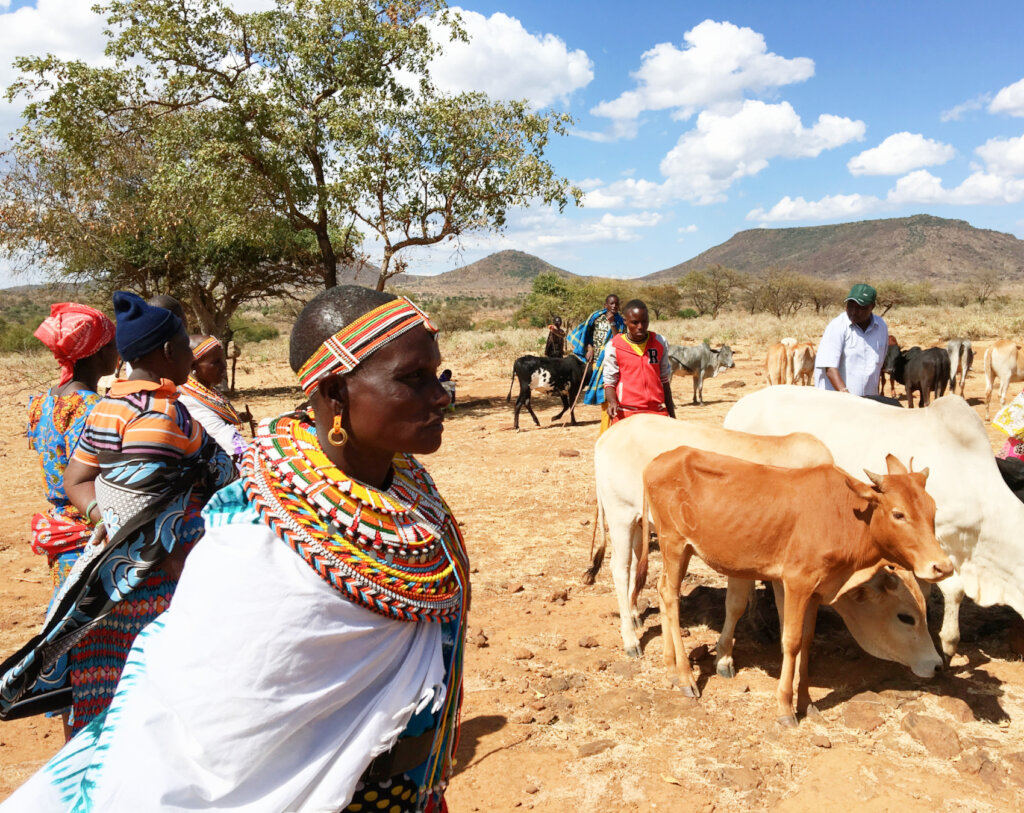
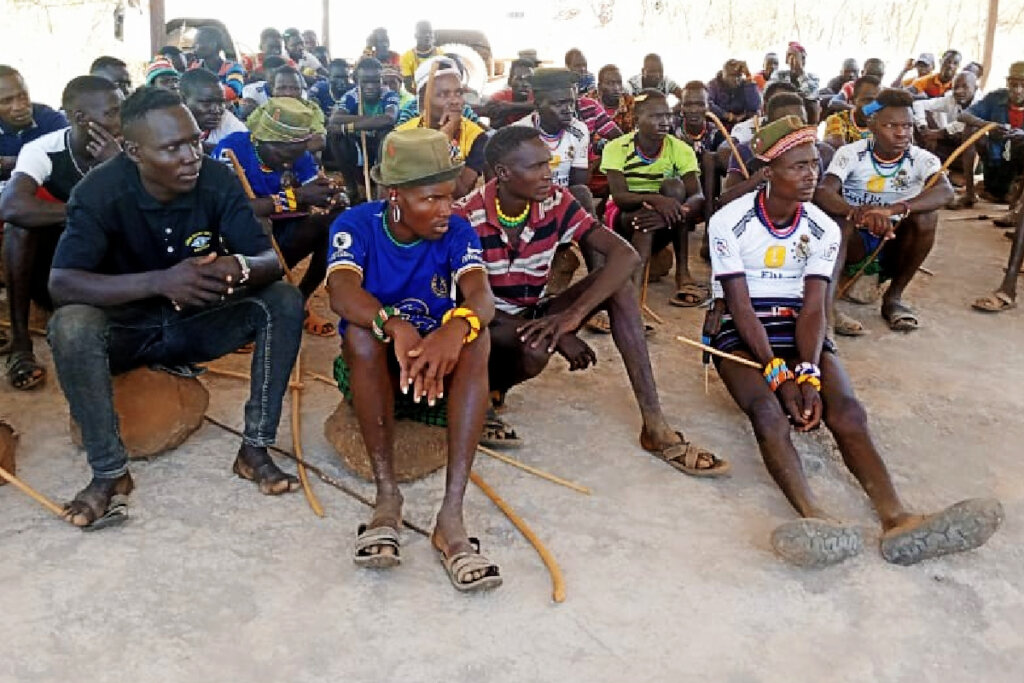
Over 300 warriors attended the camps, which were held on both sides of the frontier, and spent three days discussing the common threat from drought. They also agreed to share a strip of rich pasture that lay between the two tribes and was considered too dangerous to cultivate.
Unfortunately, serious fighting broke out in 2023 between the Samburu and Pokot across the region. This made it impossible to continue working there, even though the villages where CPIK had worked were thankfully less affected by the violence. We then moved our program to another area inhabited by the Pokot and Ilchamus, which had always been in our expansion plan. Our major donor WFD was supportive and has generously funded a series of peace camps for Pokot and Ilchamus children since 2023.
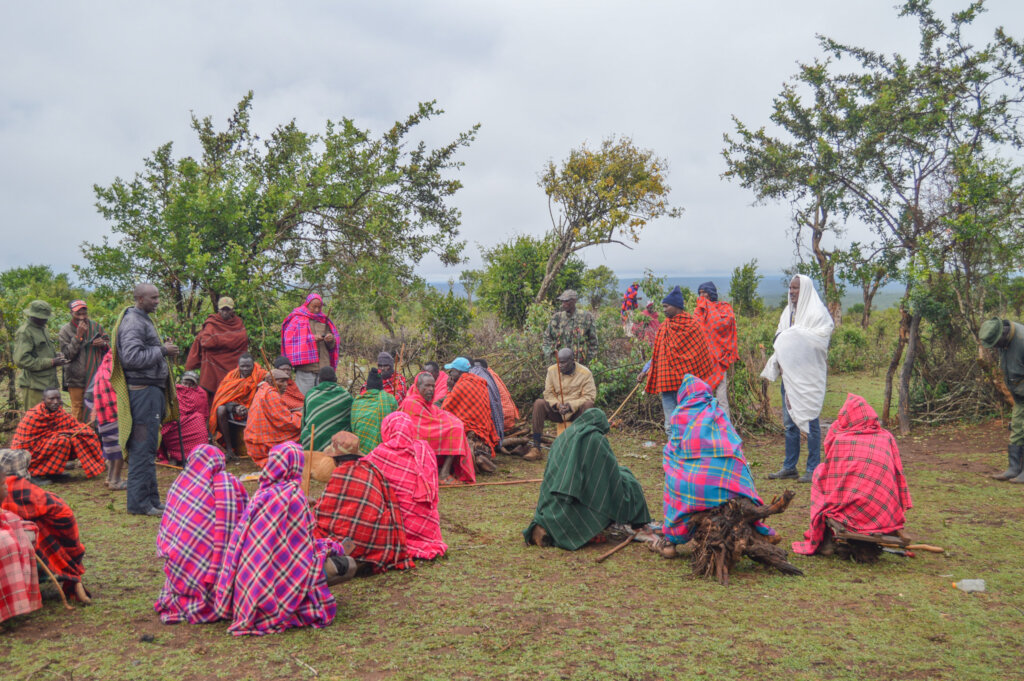
We also resumed work on climate in the Pokot-Ilchamus region. AP helped us to launch a second appeal on GlobalGiving and last year we organized the first of four “peace outreach fora” for herder-warriors and elders on both sides of the Pokot-Ilchamus divide.
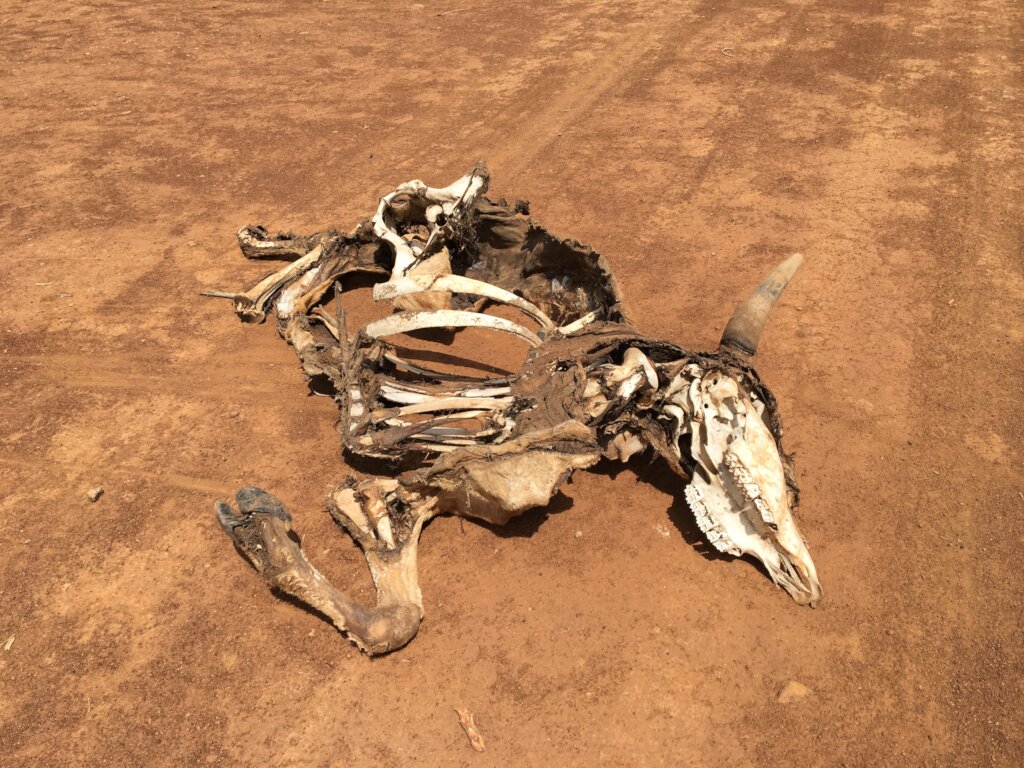
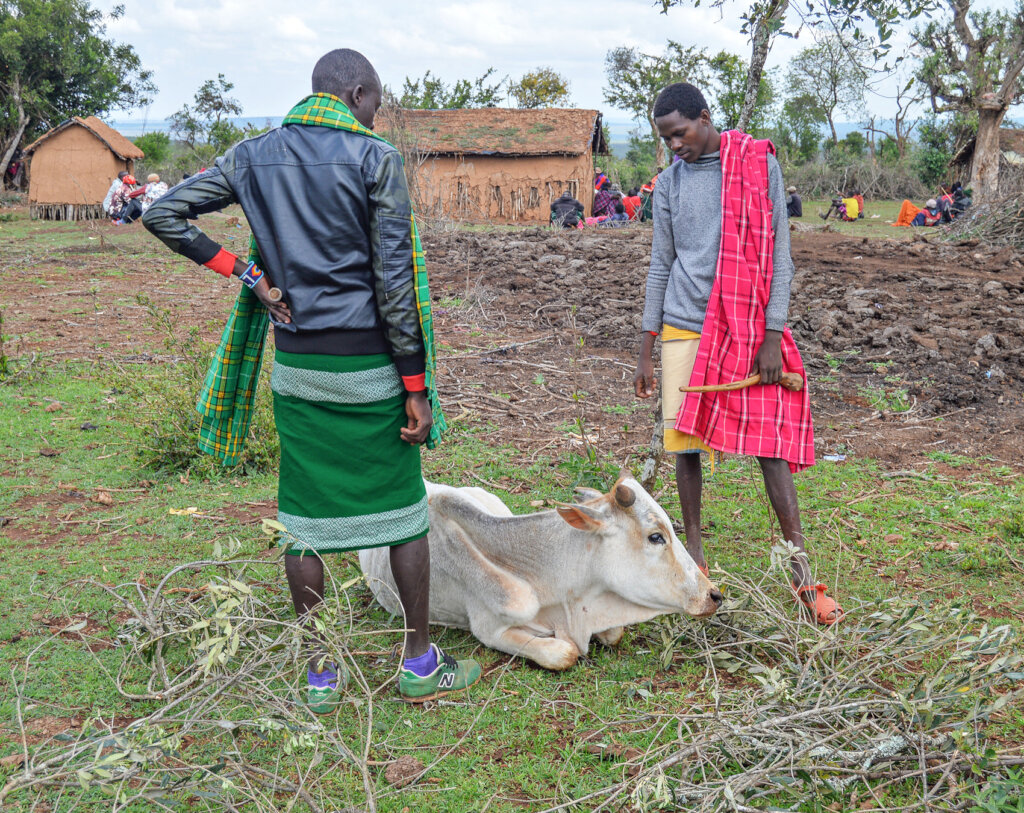
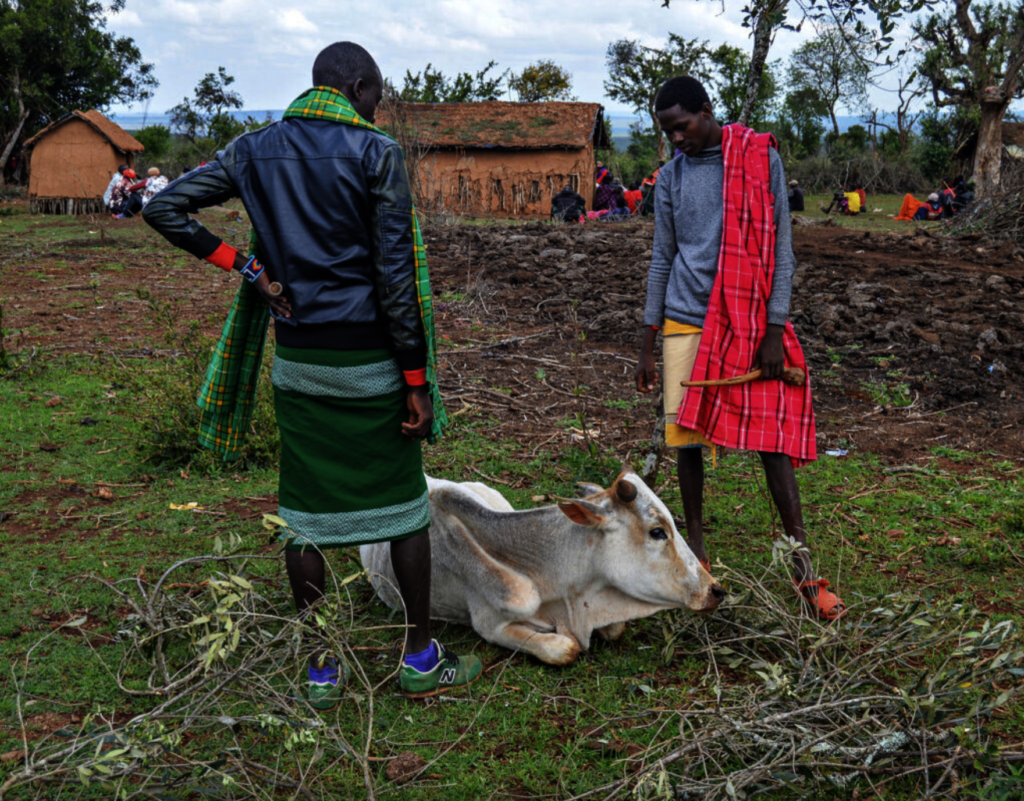
The message to emerge from the fora was alarming. Participants reported that their cows were getting sick and dying younger, threatening the supply of milk. Water wells and kitchen gardens were drying up, even though (ironically) Lake Baringo was swollen by flooding – forcing thousands of Ilchamus from their homes. Flora was disappearing, threatening food supplies and even the material for roofing on traditional pastoralist houses.
In short, pastoralist culture was under siege from drought and climate – in addition to the added risk of conflict.
*
Our first goal for the outreach fora is to help herder-warriors and leaders define the threat. Once that is achieved, they can move to solutions.
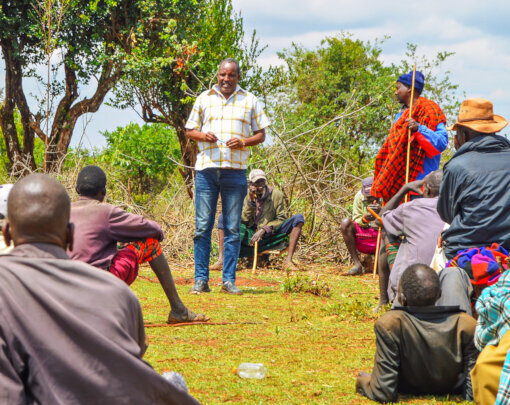
Thanks to AP and WFD (which agreed to fund the fora this year) we have met with 784 herders and warriors in the past two years in four frontline villages that have suffered from fighting and cattle raids. (The villages are Chepkalacha, Komolion, Sirata and Kiserian). One of the fora took place at the tribal boundary near the Ruko conservancy, where the Pokot herders were grazing their cows.
Each meeting follows the same course. Using story-telling and drawing on experience, we explore how changes in weather conditions are threatening natural resources, particularly water and pasture. We also urge herders to consider reduce their reliance on livestock because large herds damage pastureland and worsen the impact of drought – a vicious cycle.
After presentations, elders are invited to come up with an action plan to prevent cattle raids. This is particularly important for the Ilchamus, who are mostly on the receiving end of cattle raids by the warriors from Pokot. (Pokot are widely viewed as being aggressive and warlike by other tribes, so their active participation in this project is doubly important.)
A clear model is now emerging from the outreach fora. Chiefs from frontline villages have shared phone numbers and agreed to contact each other when herders from the other side need to graze on their land (for example because rainfall is scarce in their area).
Both sides have also agreed that herders coming from the interior will be asked to produce letters from their chiefs stating the village they come from, their family, the number of cows in their herd, and the number of their herders. This will make it possible to monitor the movement of the herds and trace the culprits in the event of any unlawful activity.
*
This is the model of conflict prevention that is emerging, based on early warning. How successful has it been? We think - very successful indeed! Consider the following:
If these encouraging developments are a win for peace, they are also a win for our new integrated approach. It is no coincidence that the villages talking climate have also sent children to CPIK peace camps.
Of course there is a long way to go. It will take a huge effort to persuade herders to scale back the size of their herds, which contribute directly to the destruction of their pasture-land. We will make the case that while they will own fewer cows, their cows will live longer and fetch a higher price. But it will mean changing the habits of a lifetime.
We also need to see if our approach will work in villages far from the frontlines that have not partnered with CPIK up to this point. We need to strengthen our partnership with the government and international organizations like The World Bank, which have not joined the ranks of climate skeptics and can give us specialist advice.
All this lies ahead. But for now we are pleased with what we have achieved with your support. We hope you are too!
In gratitude
Monica and the CPIK team.
Project reports on GlobalGiving are posted directly to globalgiving.org by Project Leaders as they are completed, generally every 3-4 months. To protect the integrity of these documents, GlobalGiving does not alter them; therefore you may find some language or formatting issues.
If you donate to this project or have donated to this project, you can receive an email when this project posts a report. You can also subscribe for reports without donating.



Support this important cause by creating a personalized fundraising page.
Start a Fundraiser