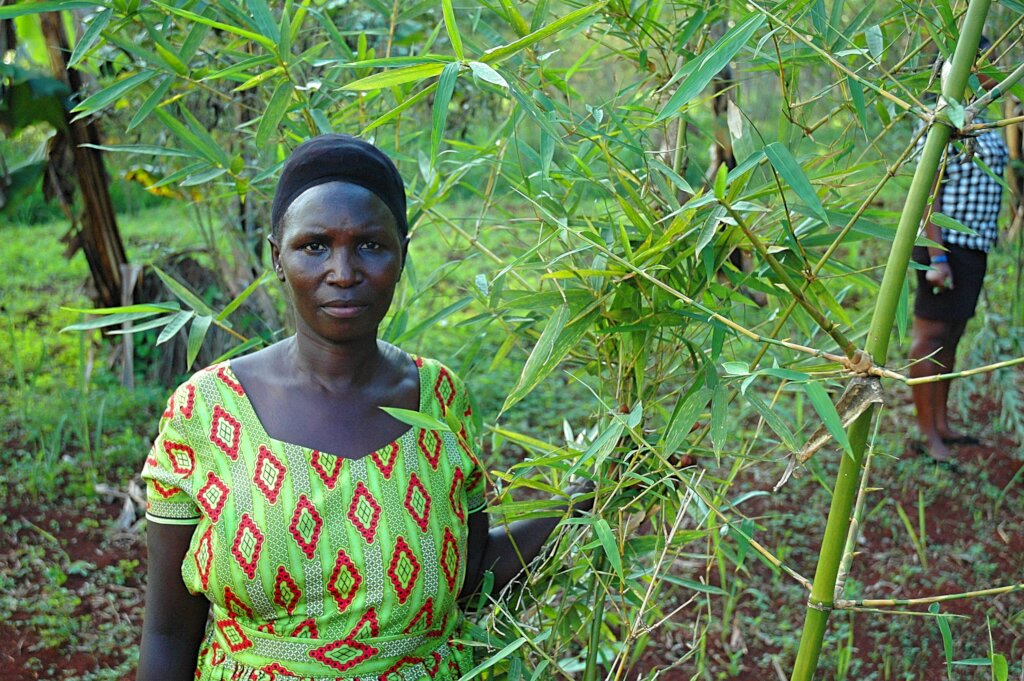
Climate change adoption for 100 farmers in Uganda

by Soil Health & Climate Action Network (SHCAN)
Climate change adoption for 100 farmers in Uganda

Project Report | Apr 18, 2022
Bamboo, biochar and cookstoves for climate change adoptation in rural Hoima, Uganda

By Nolbert Muhumuza | Founder & CEO

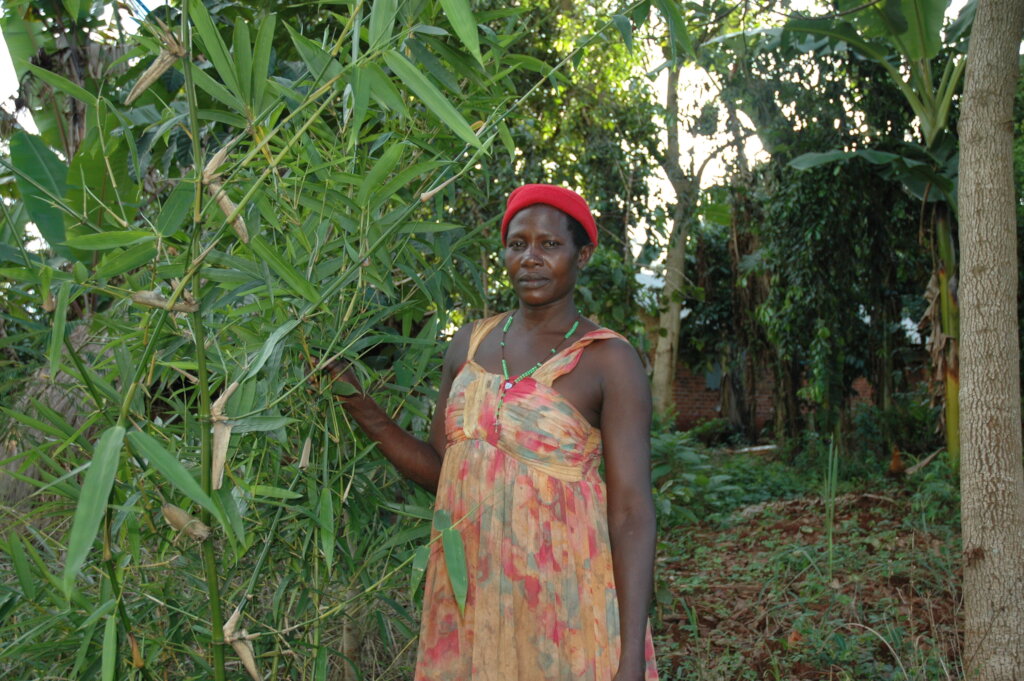
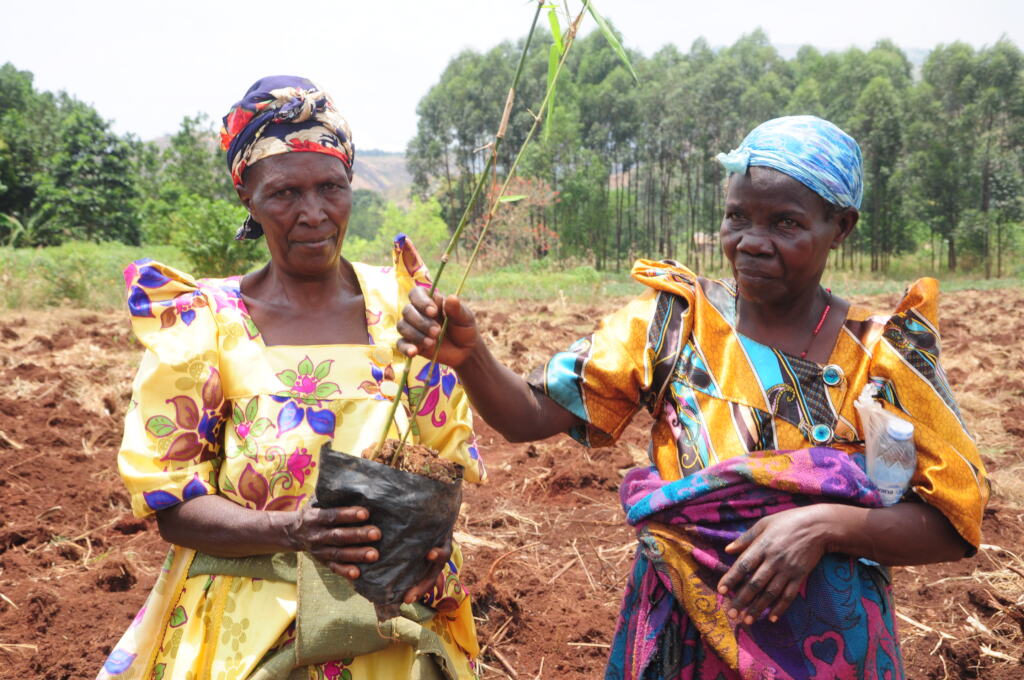
Farmers hold a bamboo seedling before planting it

In the first report, Giving Hope Foundation indicated that the project of Climate change adoption for 100 farmers was first being implemented in phases in Kitoba sub-county, in Hoima district (northwestern Uganda).

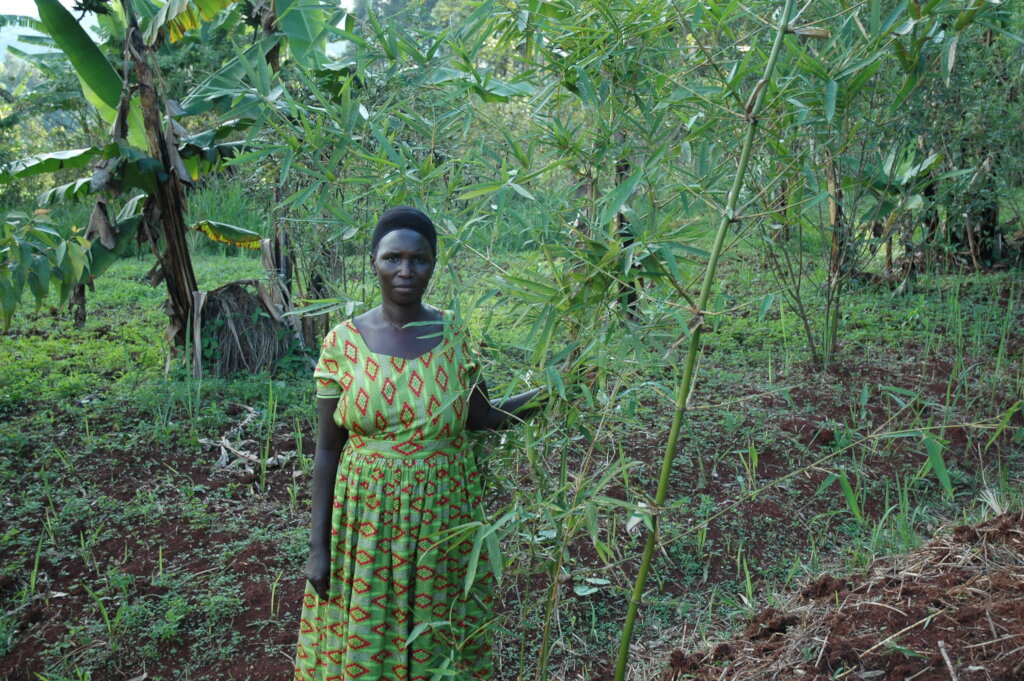
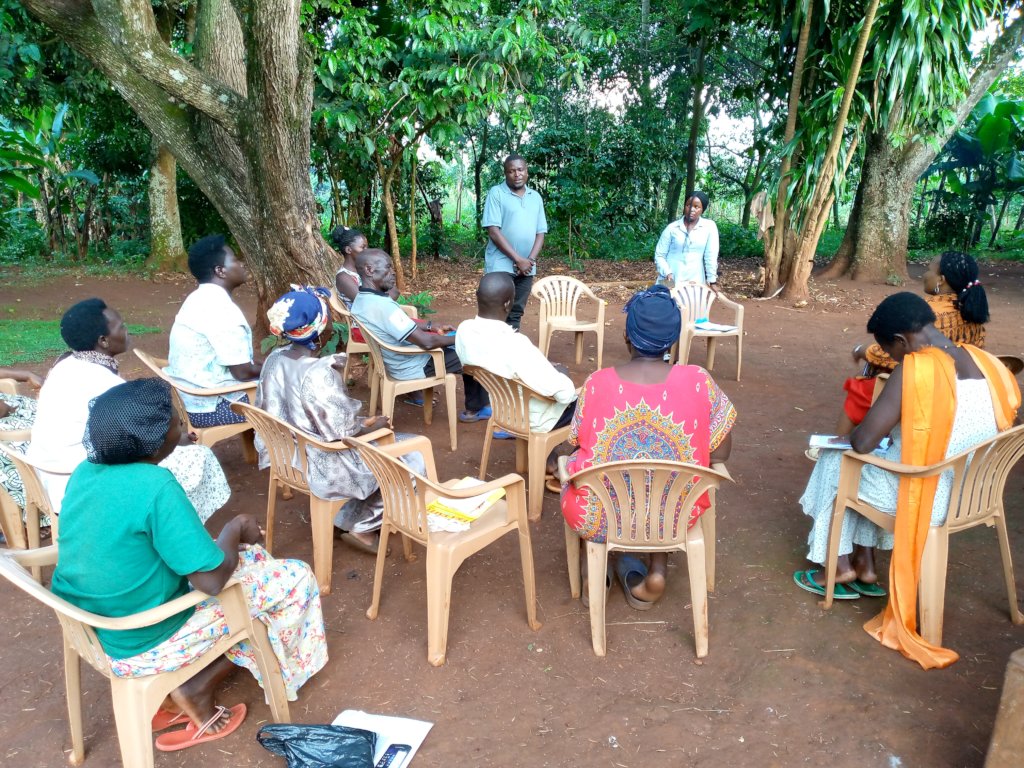
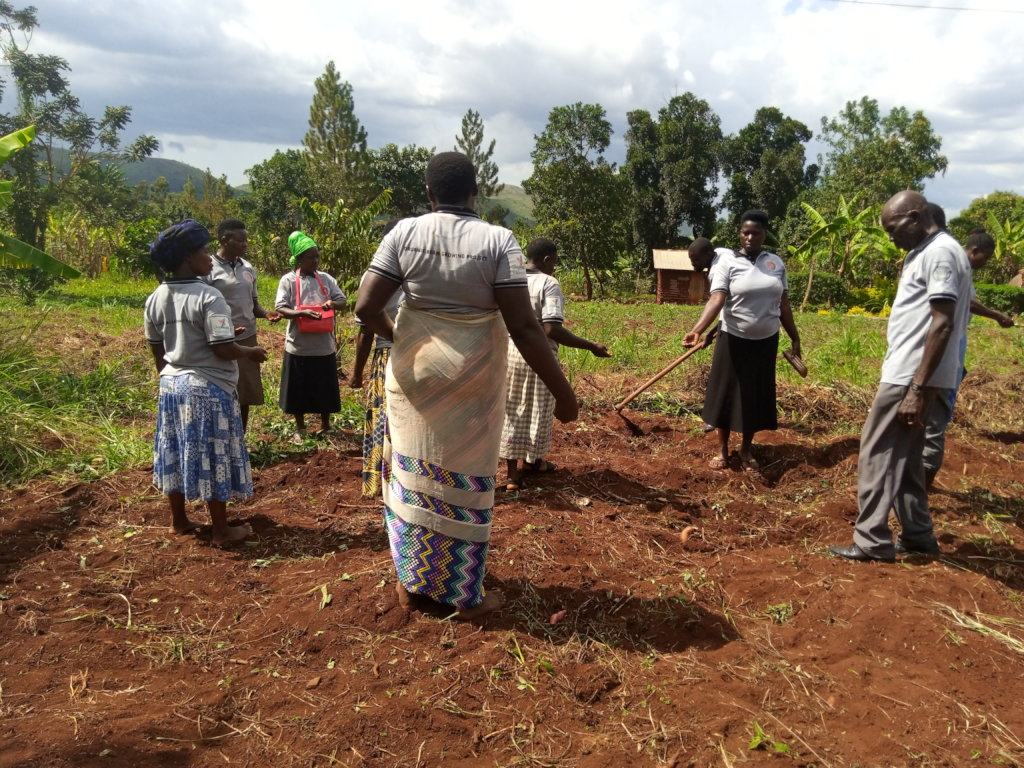
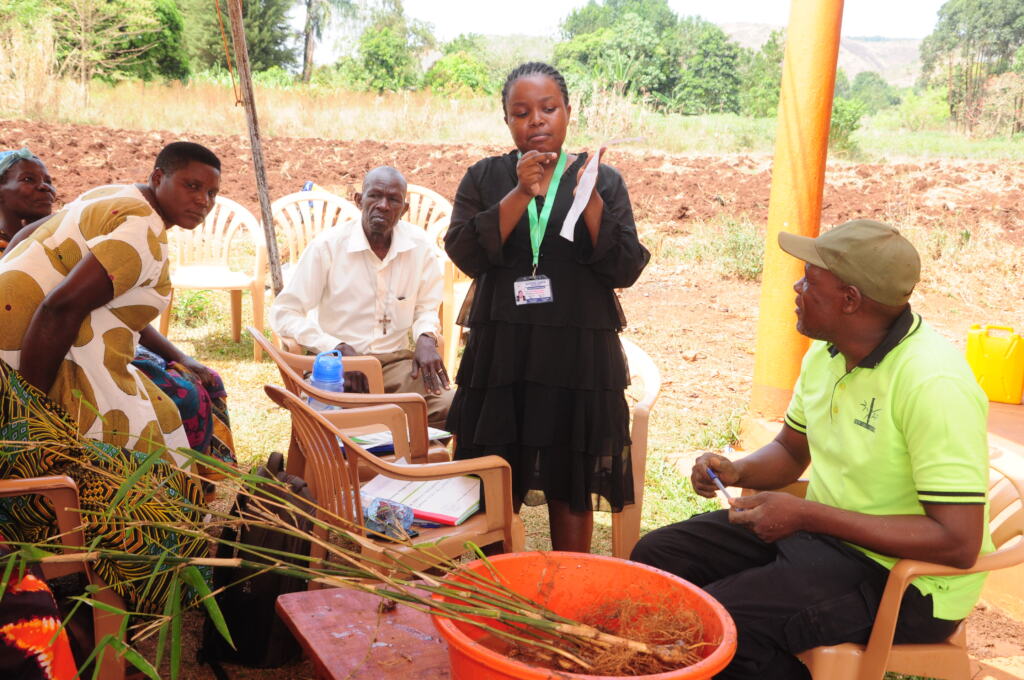
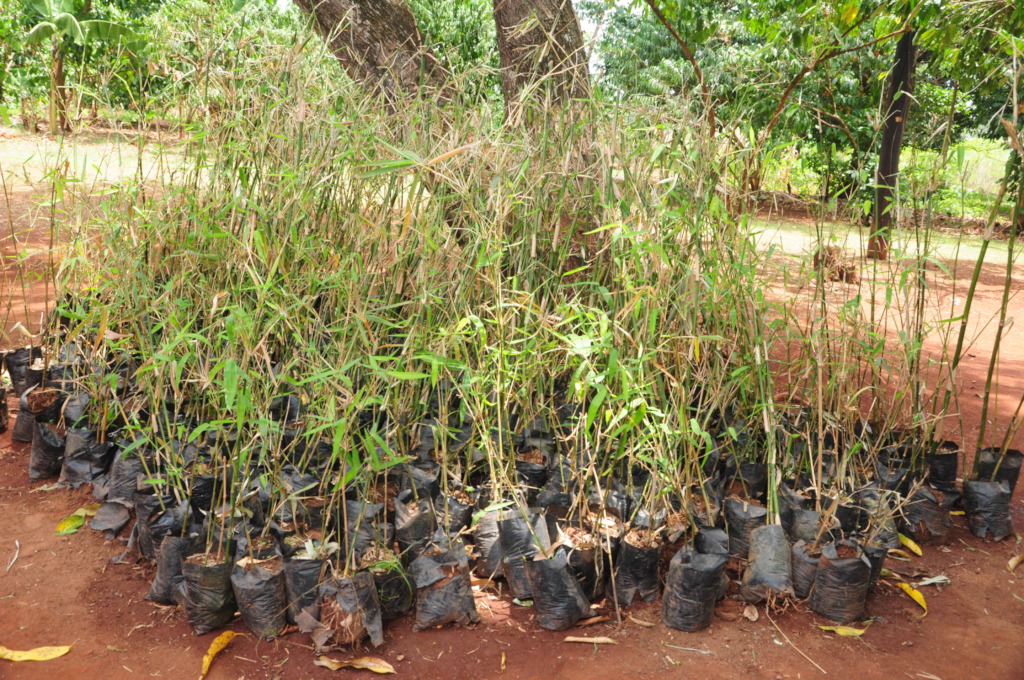
Following a field visit by two board members, on March 10, 2022, Giving Hope Foundation hired one of Uganda’s leading experts in Bamboo cultivation called Andrew Kalema who is the CEO of Talent Agroforestry Farm and has over 12 years of experience in bamboo growing. The farmers learnt that there are more than 1,640 bamboo species in the world, Uganda has two indigenous species - the highland bamboo mostly found around Mt. Elgon and the lowland bamboo that is usually found in areas like Kitgum and Gulu districts. The farmers learnt about opportunities in bamboo growing including direct market demands, for example, bamboo leaves can be fed to animals like rabbits, goats and cows, and can be used as firewood, used in construction among others. He also explained to the farmers the different profitable avenues for bamboo value addition like making crafts, furniture, use in organic fertilisers and decorations. The farmers were practically trained on how to propagate, plant, grow and harvest bamboo. In total, 865 bamboo seedlings were distributed to the farmers, though our target is 1,200. 

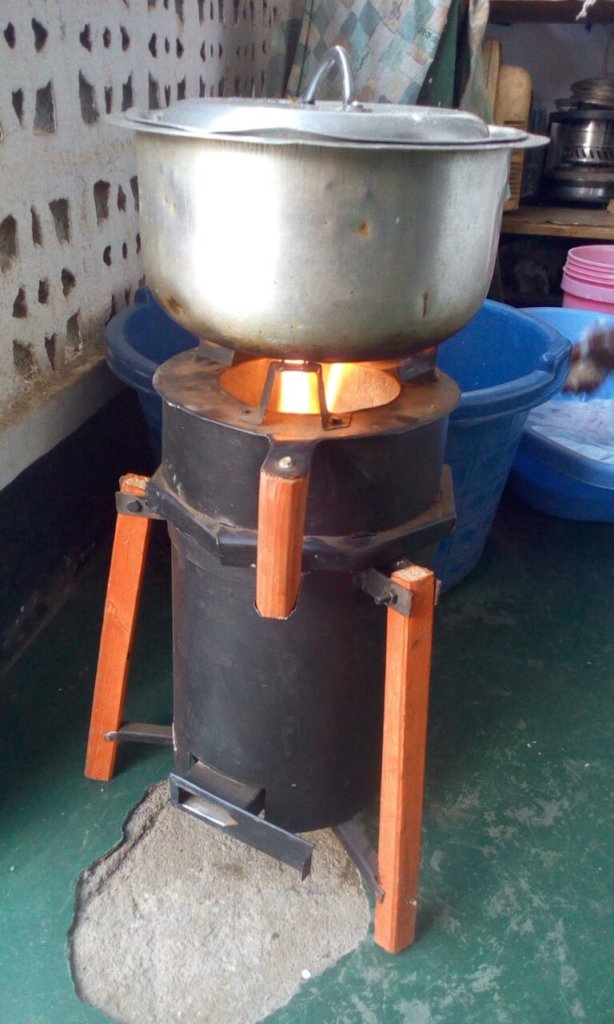
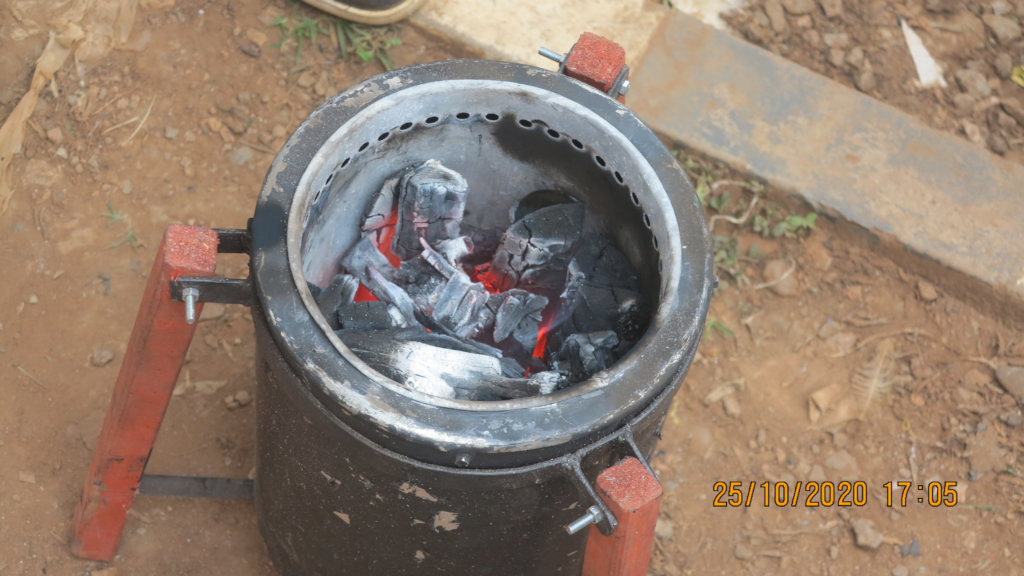
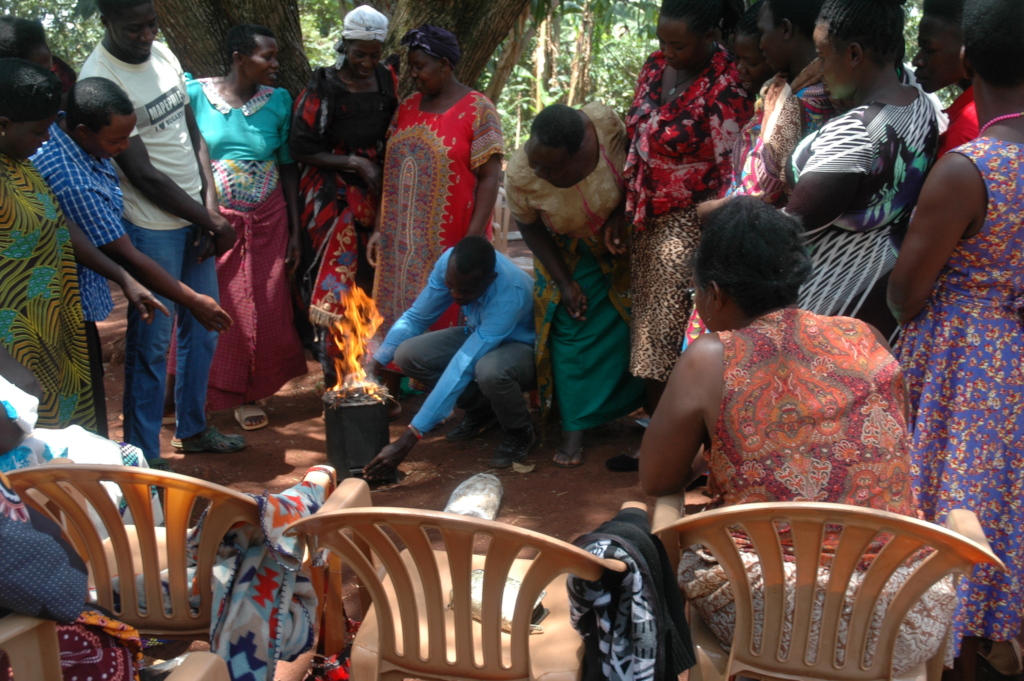
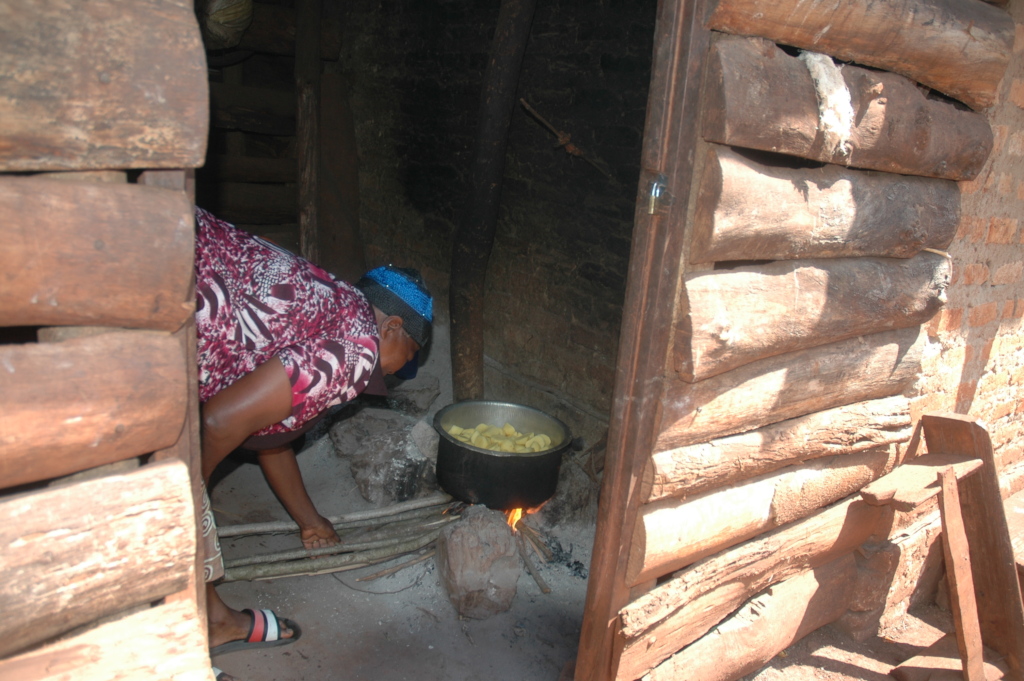
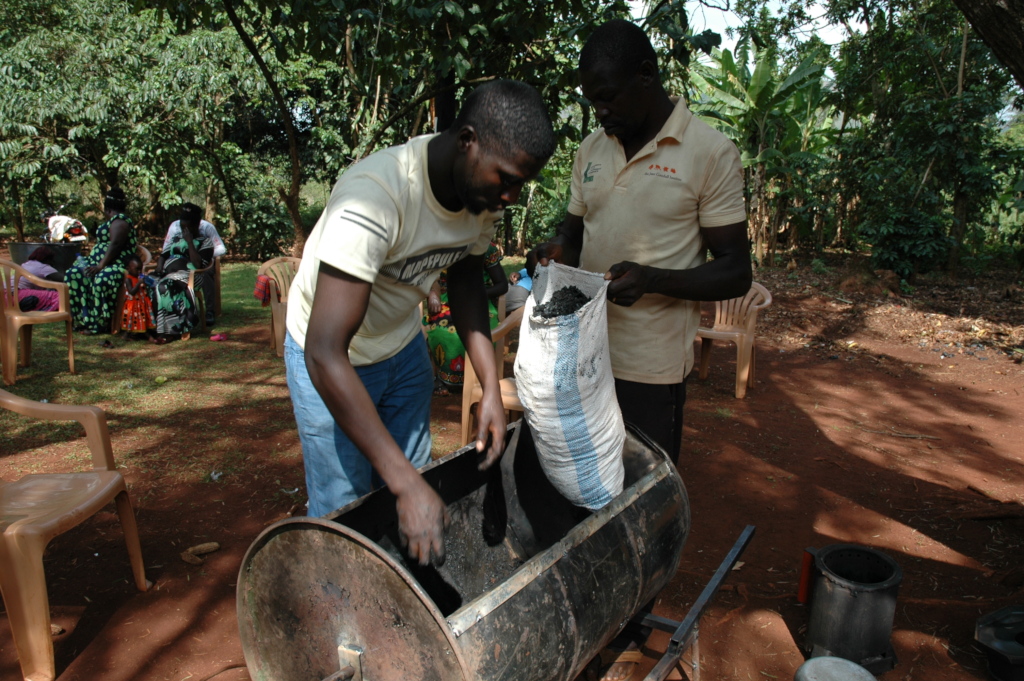
On April 4, 2022: 20 gasifier stoves have now been deployed within the community. Mr Sembatya Muhammed aka Saddam demonstrated and trained the smallholder farmers on how to use the stoves including the advantages of using these stoves and showed the benefits of the stoves that indeed they cook faster, they emit little smoke that can endanger their lives and how to harvest charcoal from the firewood used in them. He informed the farmers that the charcoal could be used for further cooking in normal charcoal stoves. Alternatively, biochar i.e. could be crushed and buried in the ground to help the soils retain moisture and minerals for long and protect the living organisms in the soil which improves soil fertility as the soils are depleted as a result of poor maintenance. We still need to supply another 30 stoves for this pilot project.

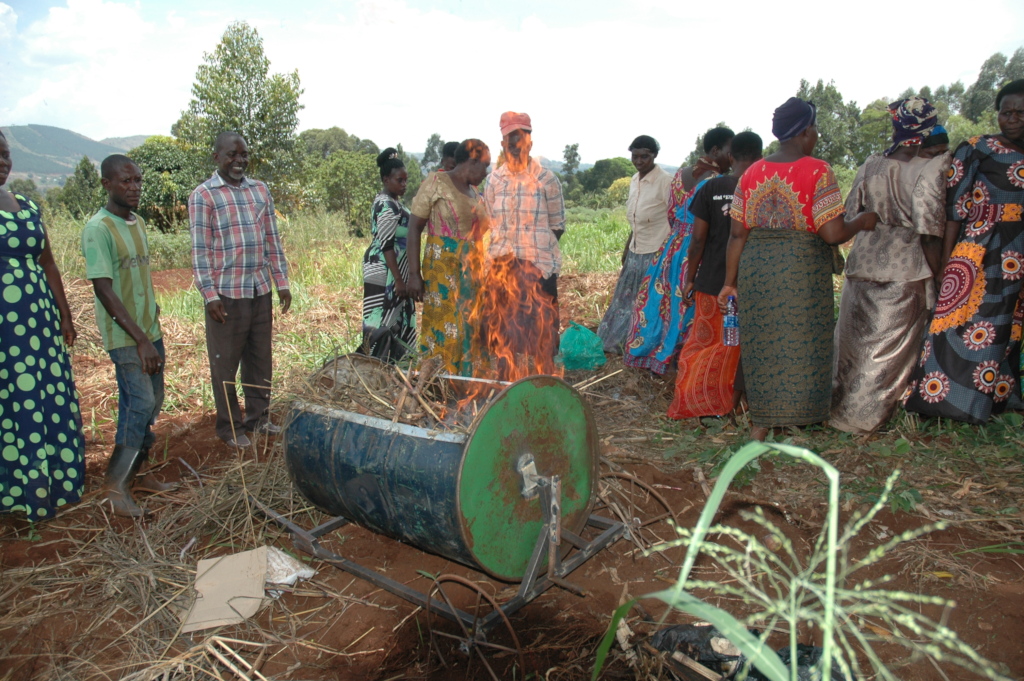
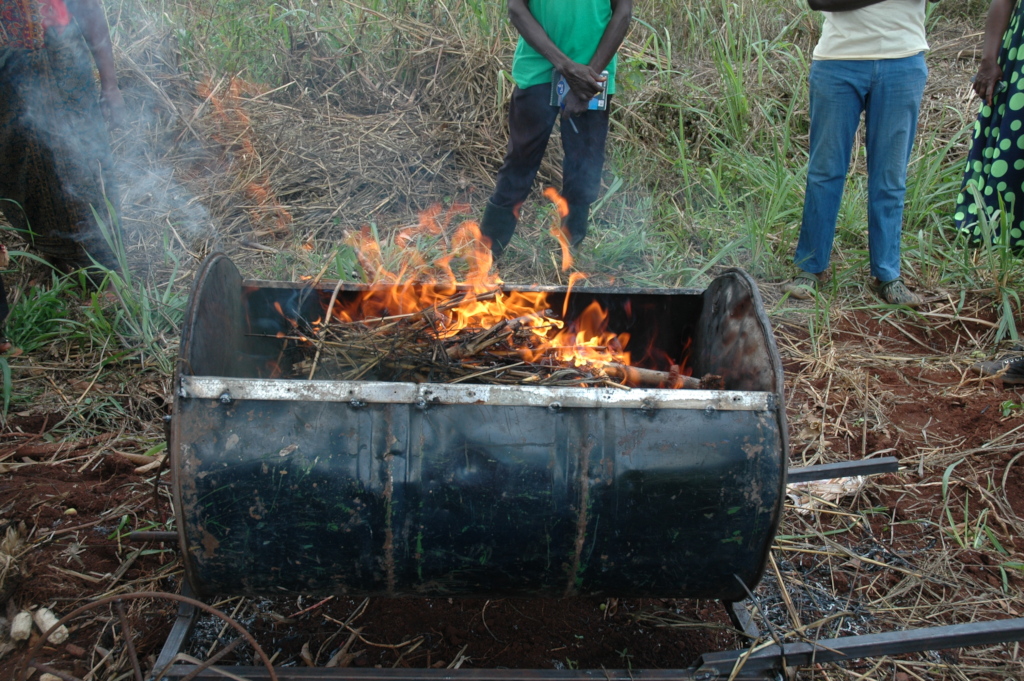
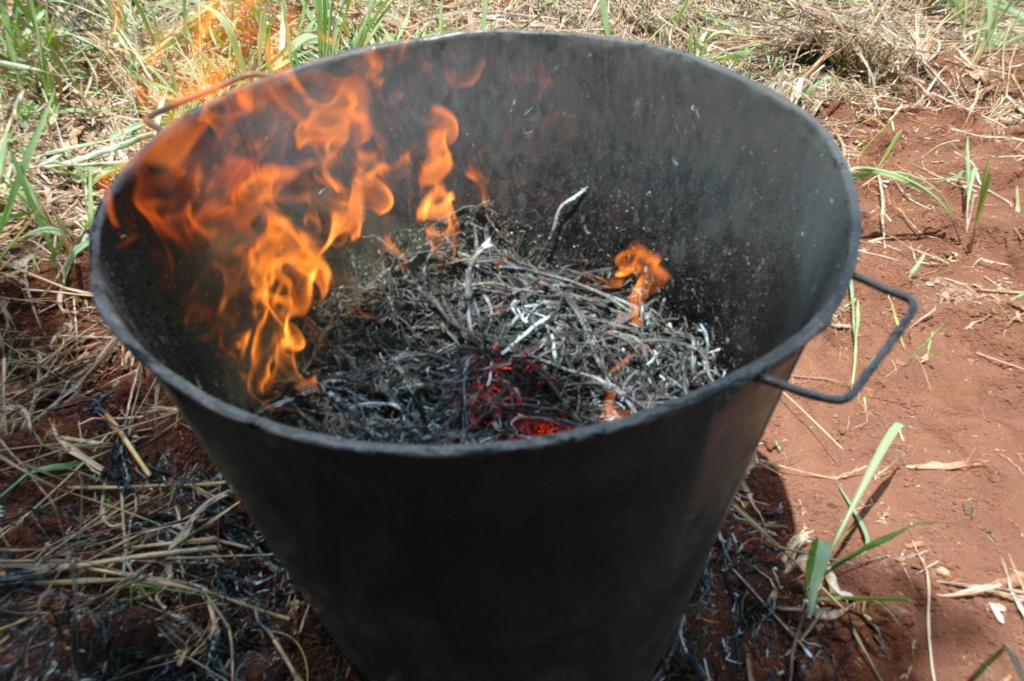
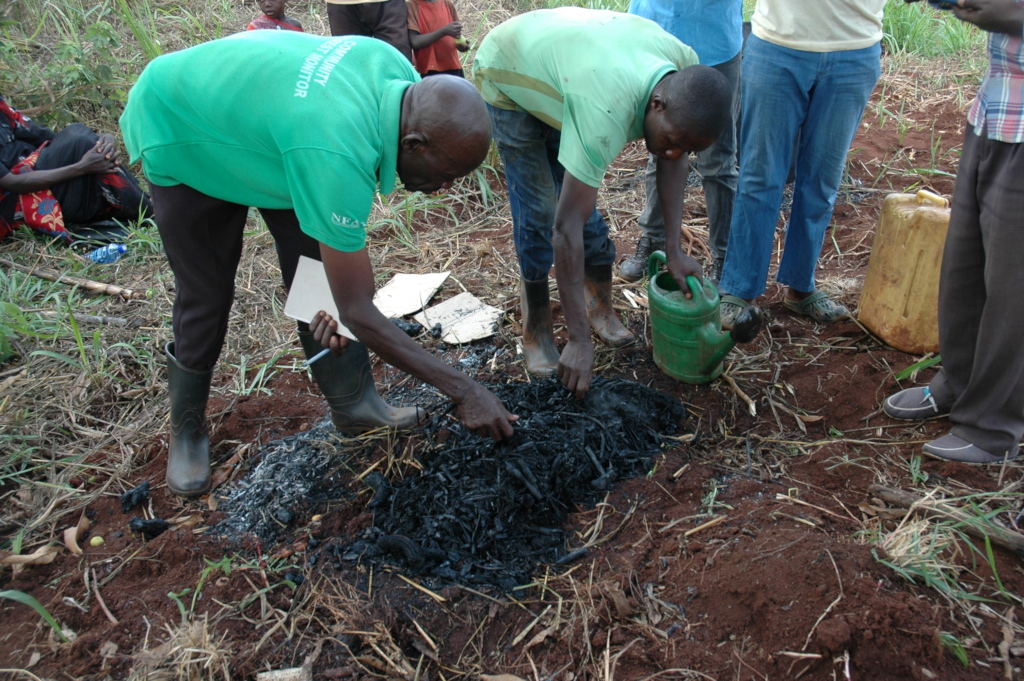
On April 6, 2022: the farmers were trained in making biochar. Two biochar technologies were demonstrated: the RoCC and the Kon Tiki biochar kilns. The activity was carried out in a garden of one of the farmers. First, Saddam defined biochar with local examples, how it's made and its importance. Then he clearly illustrated how biochar is made, utilising woody materials that were available after last year’s harvest.

It is our hope that these interventions will help farmers save on the amount of fuel used for cooking, and reduce the frequency of collecting firewood, and the biochar will eventually lead to improved harvests and incomes for rural smallholder farmers for their local community development.

Note: Initial targets for the project have not yet been achieved because we raised half of the budget for the pilot project. Please share the news with your friends, family and networks who might wish to support 100 smallholder farmers in rural Uganda to adapt to climate change.
Please see the options at the bottom.

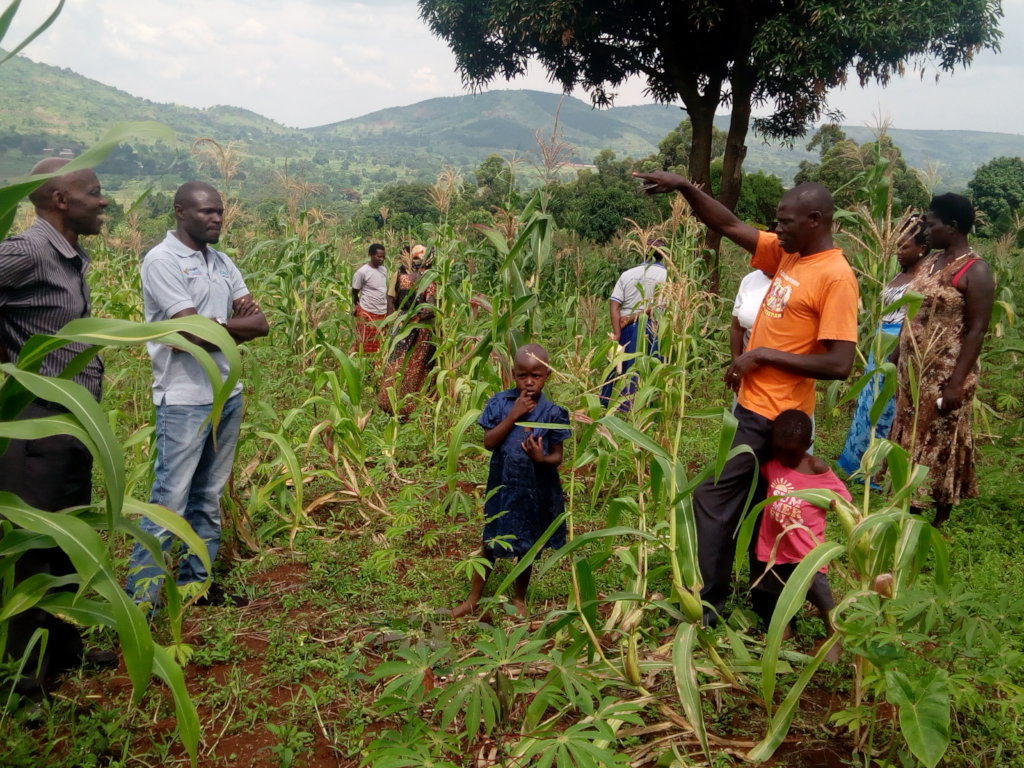
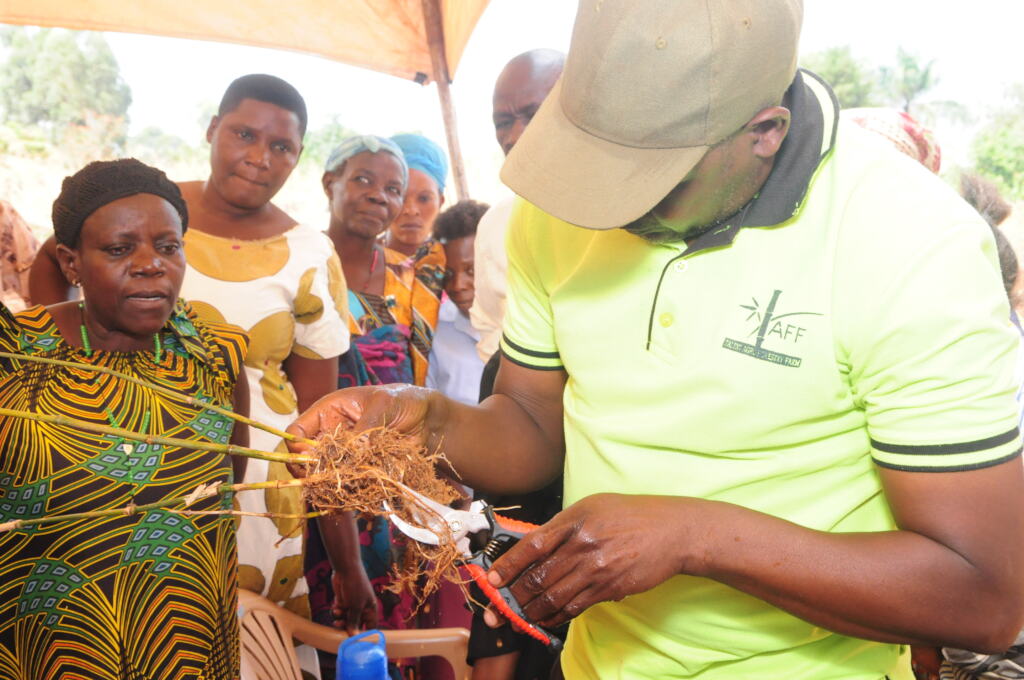
Explaining bamboo values during the training
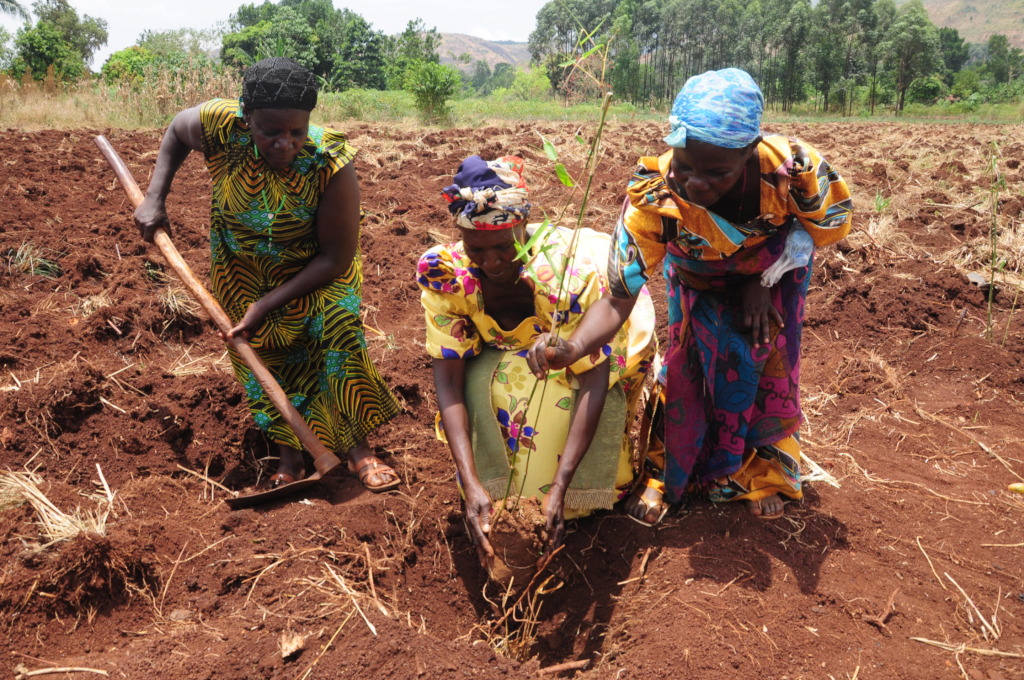
Female farmers carefully plant the bamboo seedling
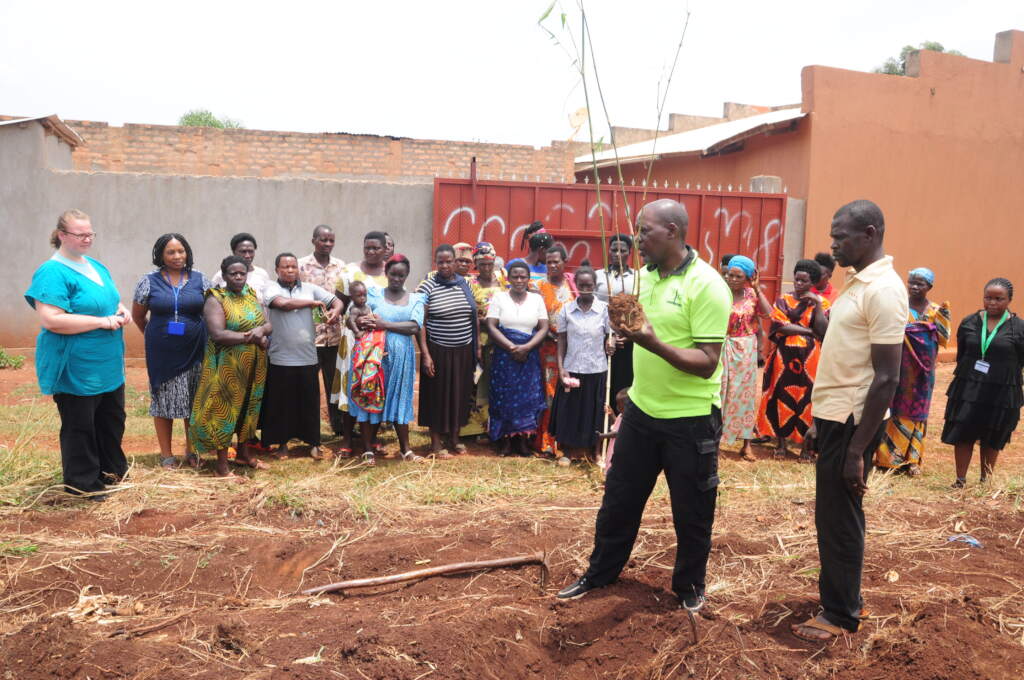
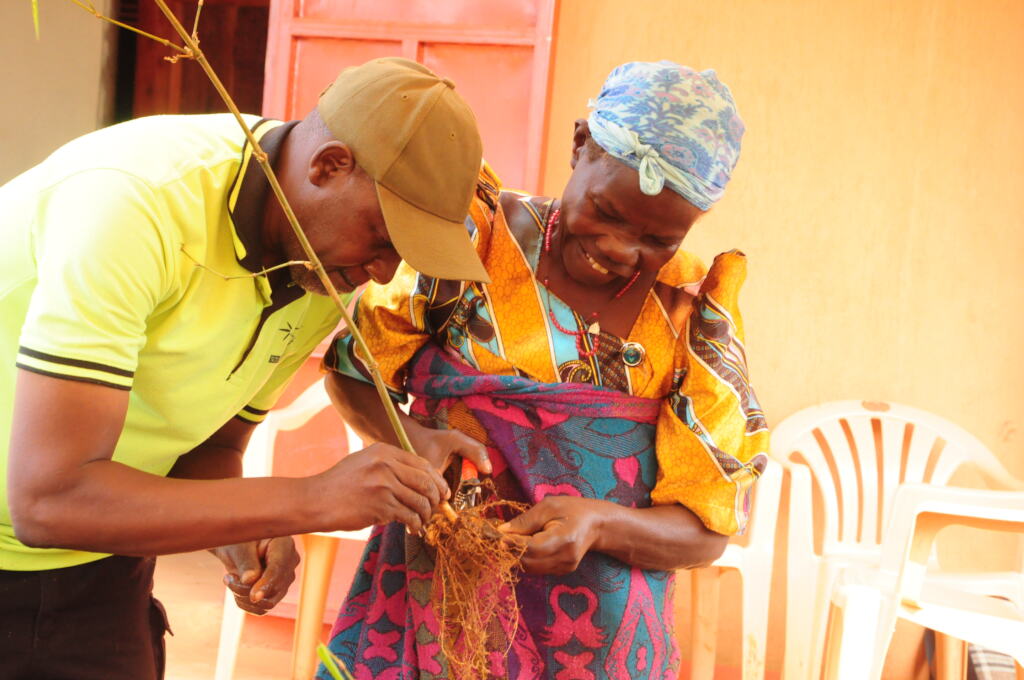
Explaining how to carefully plant bamboo seedlings
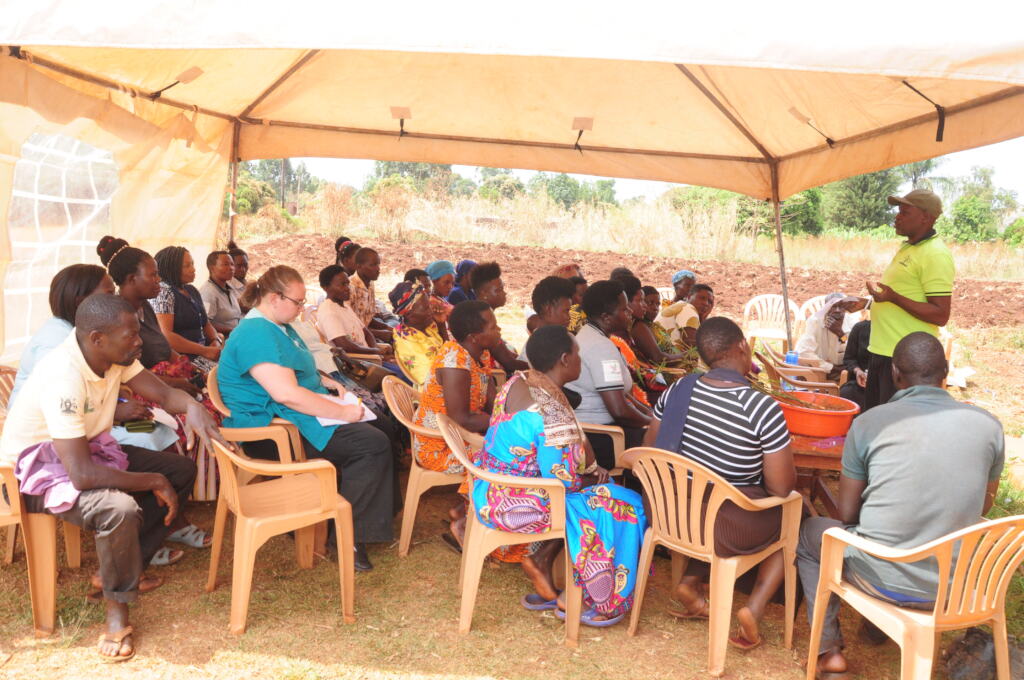
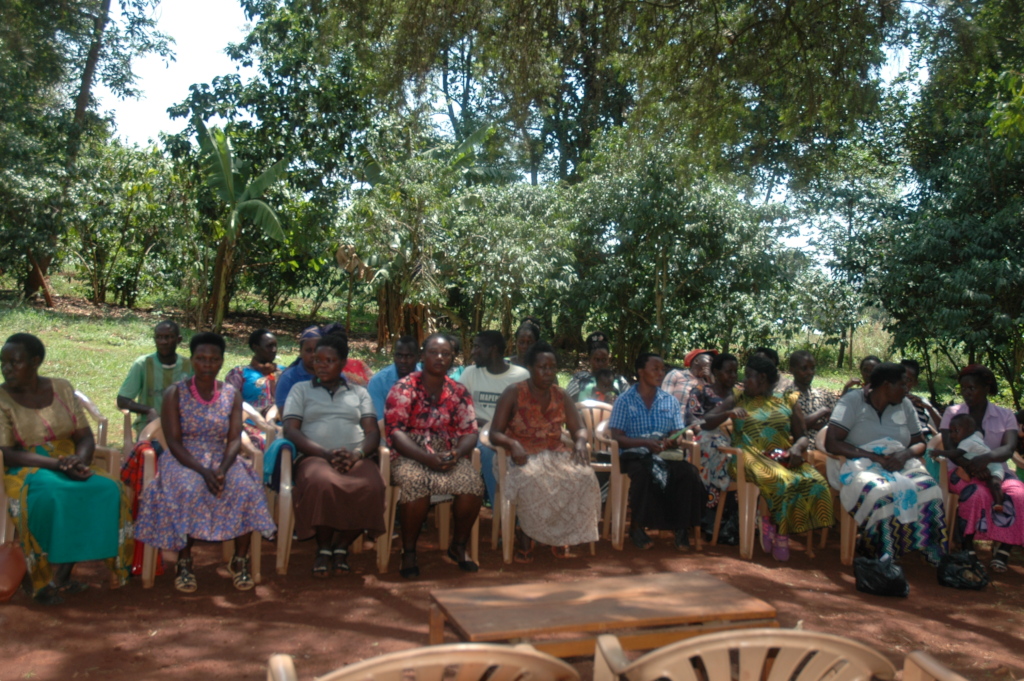
The farmers listening attentively to the trainer
Practical demonstration on how to propagate bamboo
Bamboo seedlings that were distributed to farmers
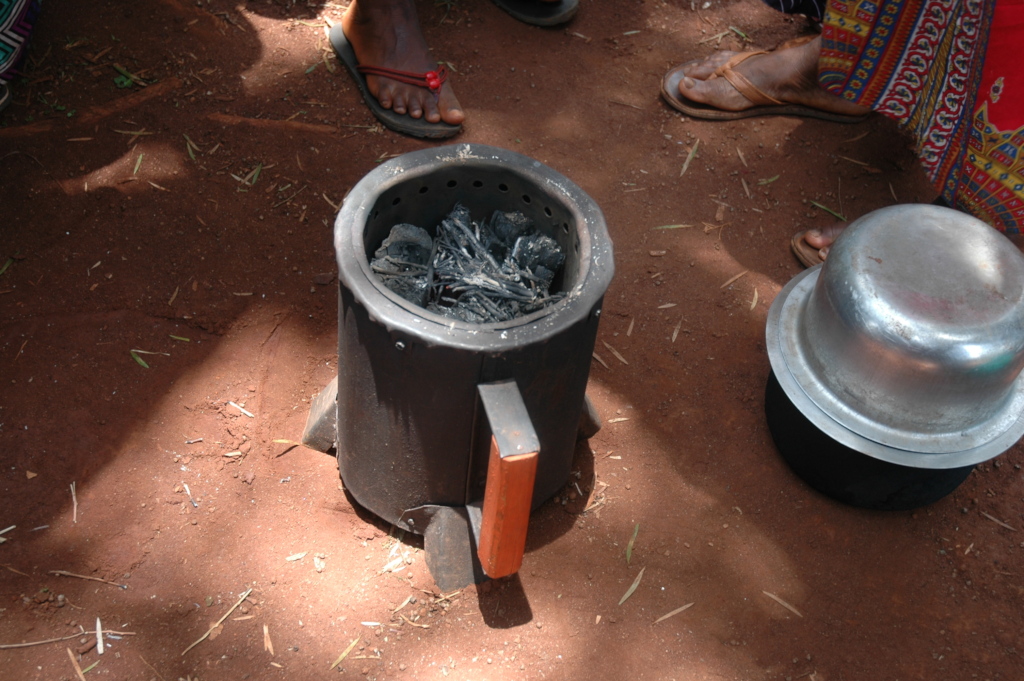
Charcoal made by the gasifier stove after the demo
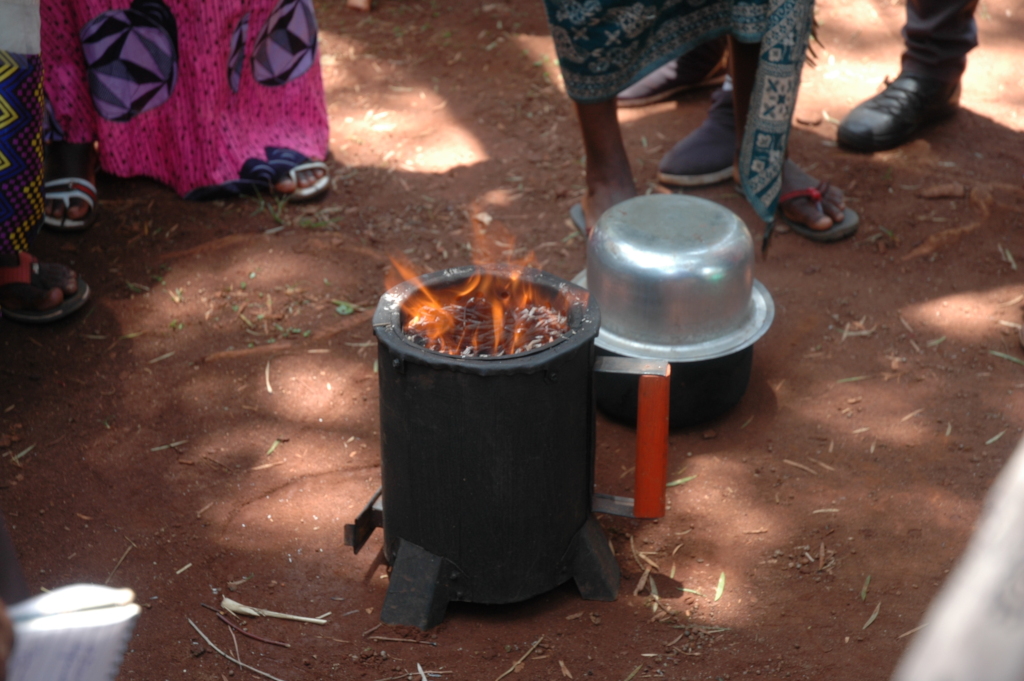
Lighting the gasifier stove
Farmers attending the stoves and biochar training
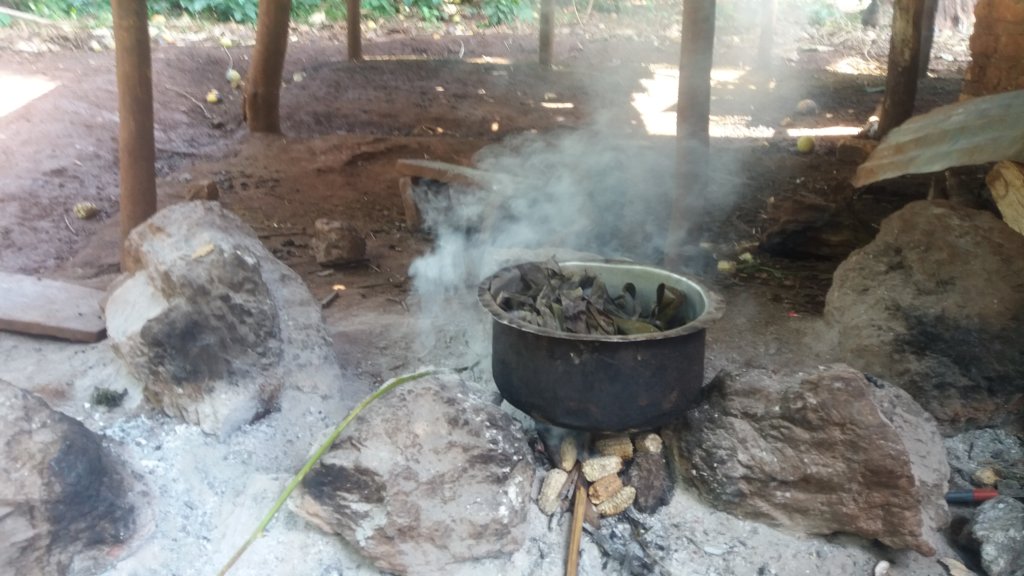
The 3-stone stove that emits toxic emissions
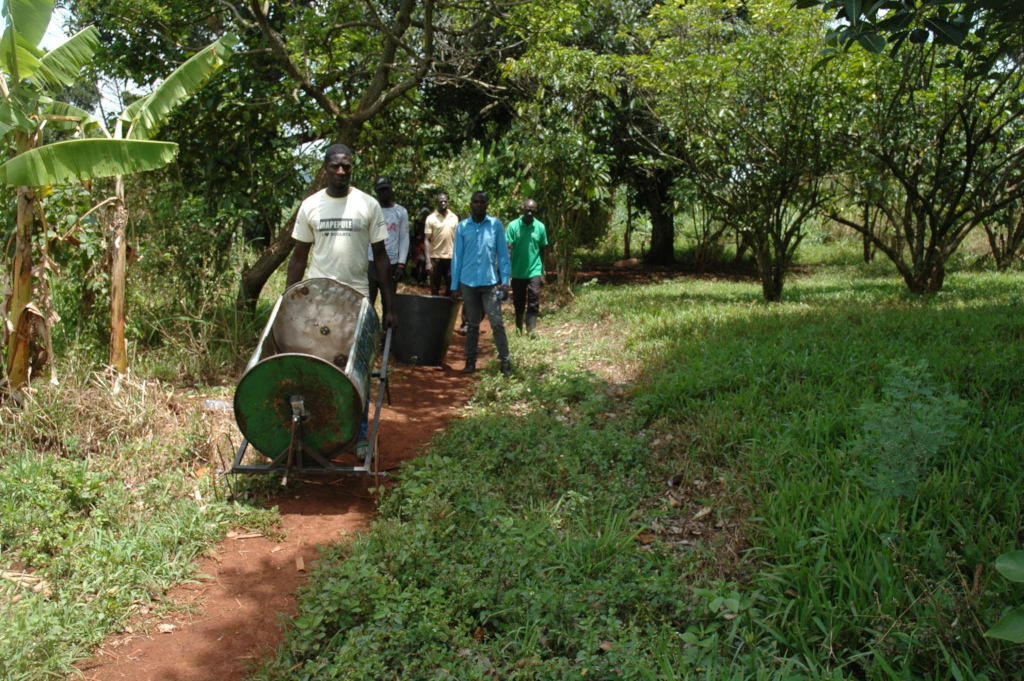
Farmers moving with the RoCC and Kon Tiki kilns
Firing the RoCC biochar kiln lit in the field
A nicely fired RoCC kiln during the field training
Firing of the Kon Tiki biochar kiln at the trainig
Harvesting biochar from the Kon Tiki kiln
A 10 kg bag was filled with biochar after training

Links:

Share on Twitter Share on Facebook

About Project Reports

Project reports on GlobalGiving are posted directly to globalgiving.org by Project Leaders as they are completed, generally every 3-4 months. To protect the integrity of these documents, GlobalGiving does not alter them; therefore you may find some language or formatting issues.

If you donate to this project or have donated to this project, you can receive an email when this project posts a report. You can also subscribe for reports without donating.

Sign up for updates

Organization Information

Soil Health & Climate Action Network (SHCAN)

Location: Hoima, WE - Uganda
Website:
Facebook: Facebook Page
Project Leader:
Nolbert Muhumuza
Hoima , WE Uganda

Funded Project!

Combined with other sources of funding, this project raised enough money to fund the outlined activities and is no longer accepting donations.

   

Still want to help?

Support another project run by Soil Health & Climate Action Network (SHCAN) that needs your help, such as:

Find a Project

Learn more about GlobalGiving

Teenage Science Students
Vetting +
Due Diligence

Snorkeler
Our
Impact

Woman Holding a Gift Card
Give
Gift Cards

Young Girl with a Bicycle
GlobalGiving
Guarantee

Get incredible stories, promotions, and matching offers in your inbox

WARNING: Javascript is currently disabled or is not available in your browser. GlobalGiving makes extensive use of Javascript and will not function properly with Javascript disabled. Please enable Javascript and refresh this page.