By Jeremy Mak | Program Coordinator
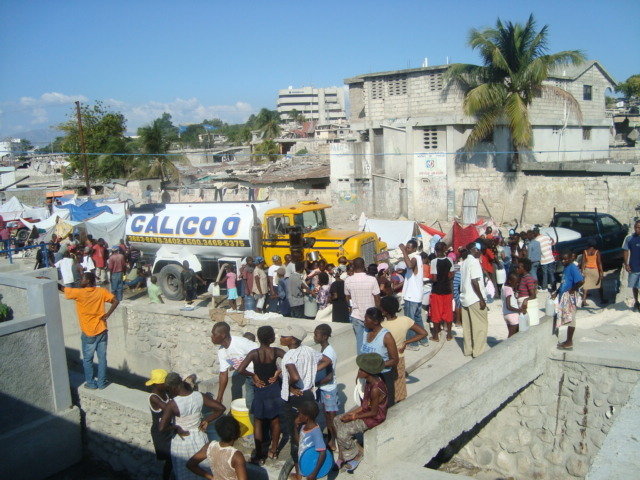
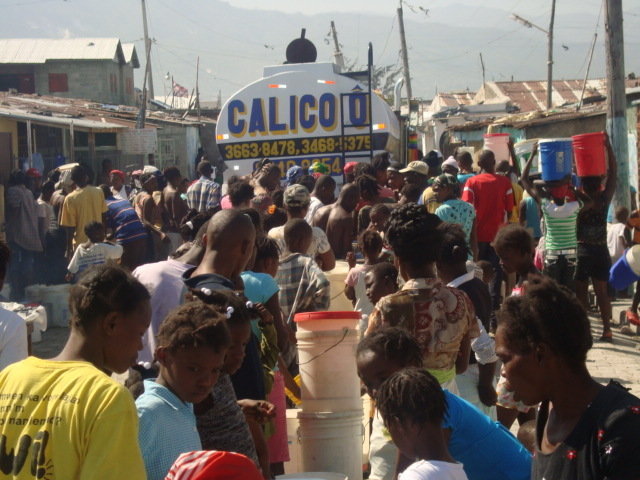
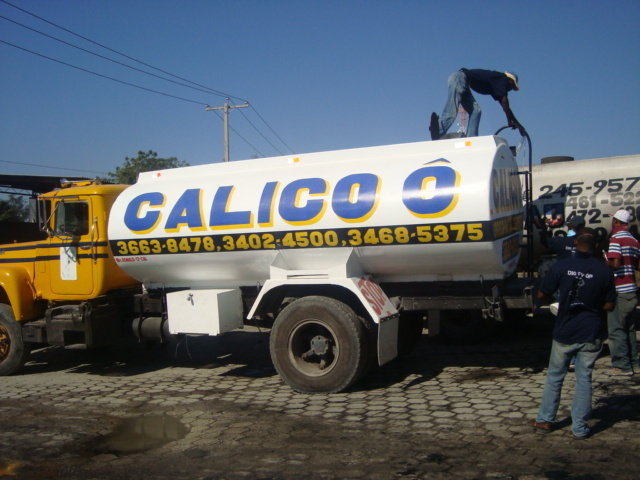
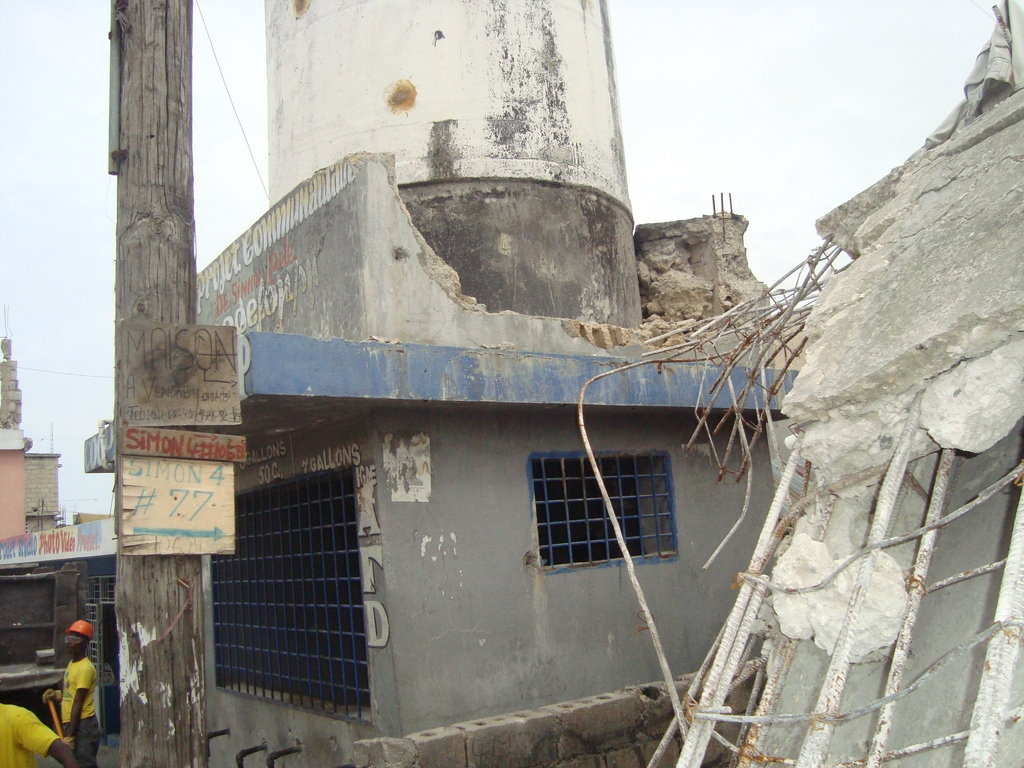
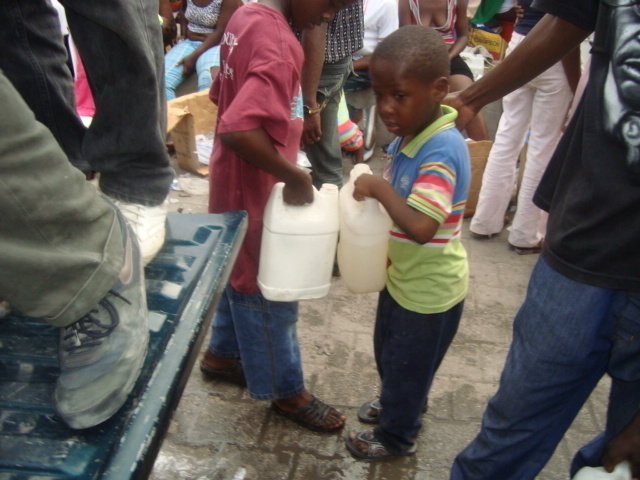
Last week, I returned from conducting a 6-month post-quake assessment of our clean water program in Haiti. What I saw was truly heart-wrenching. Vast stretches of displaced persons camps and countless makeshift shelters on the street. People collecting filthy grey-water from trash-strewn drainage ditches. Open sewers.
Typhoid has recently broken out in many areas of Port-au-Prince, and the UN Water, Sanitation, and Hygiene (WASH) Cluster Coordinator has warned of the likelihood of the biggest diarrhea outbreak the world has seen in the past 20 years.
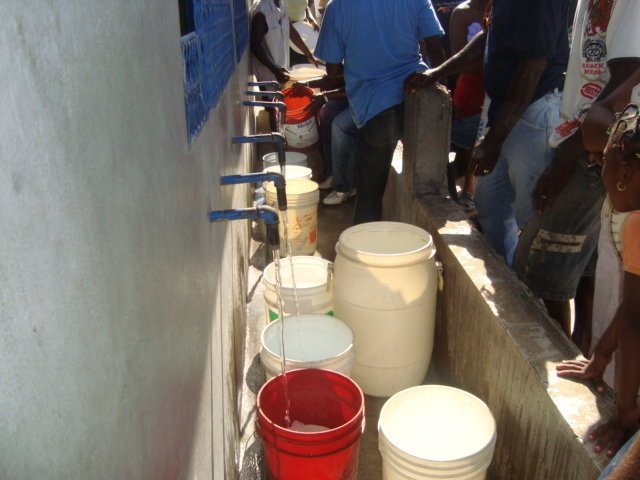
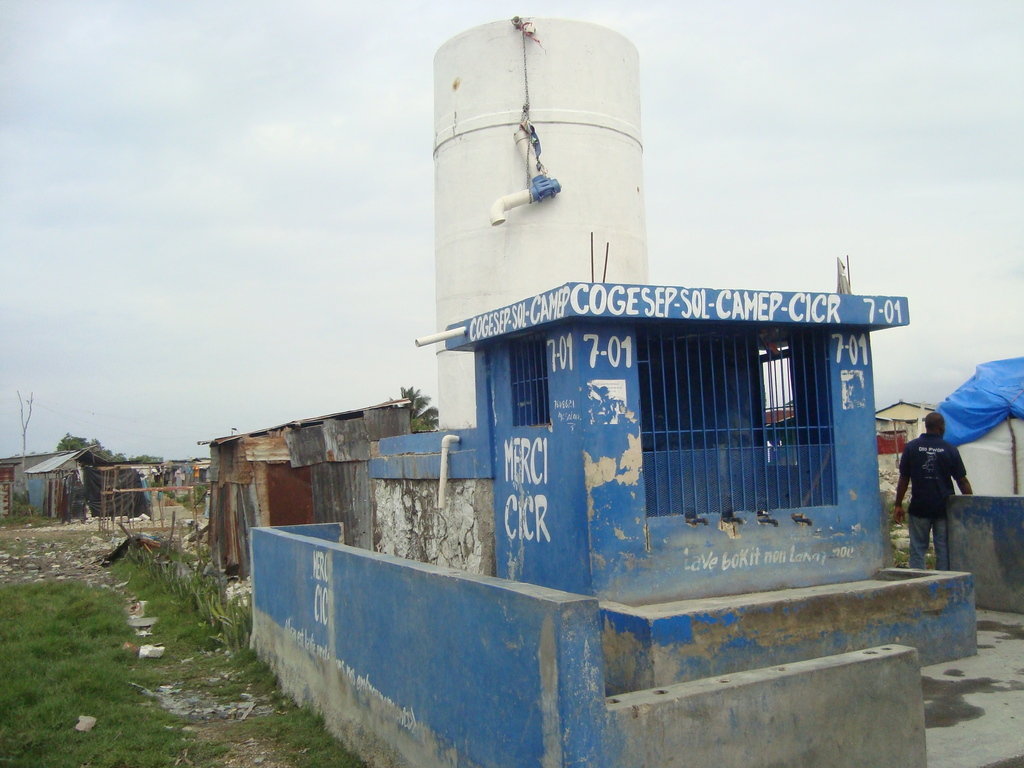
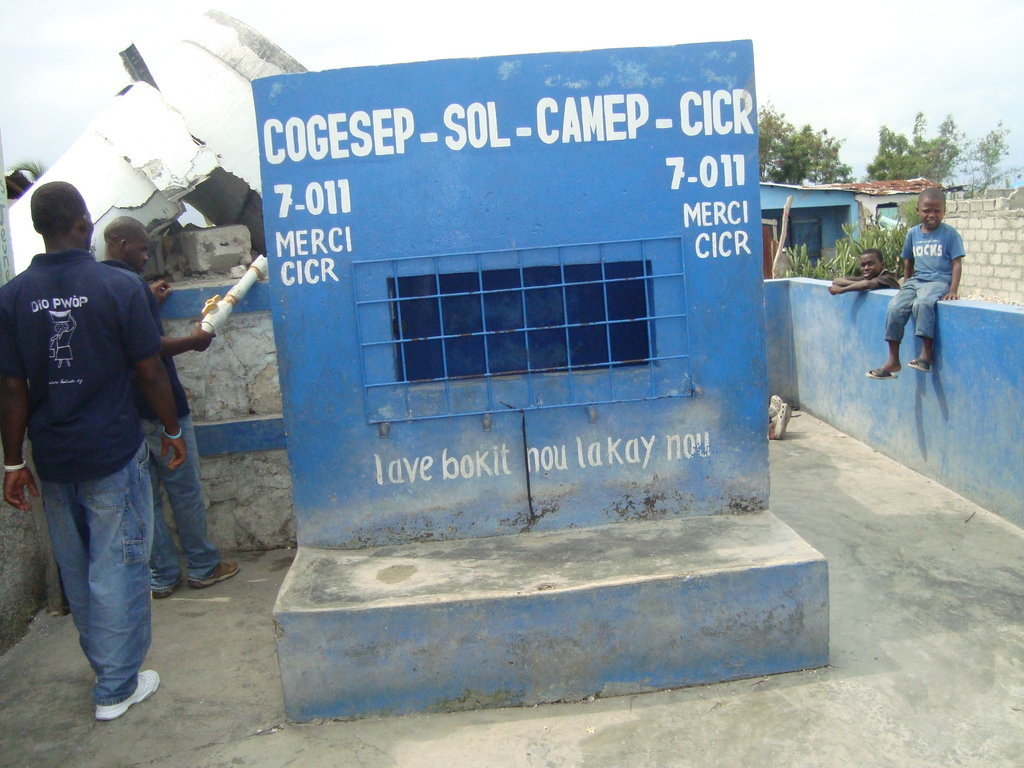
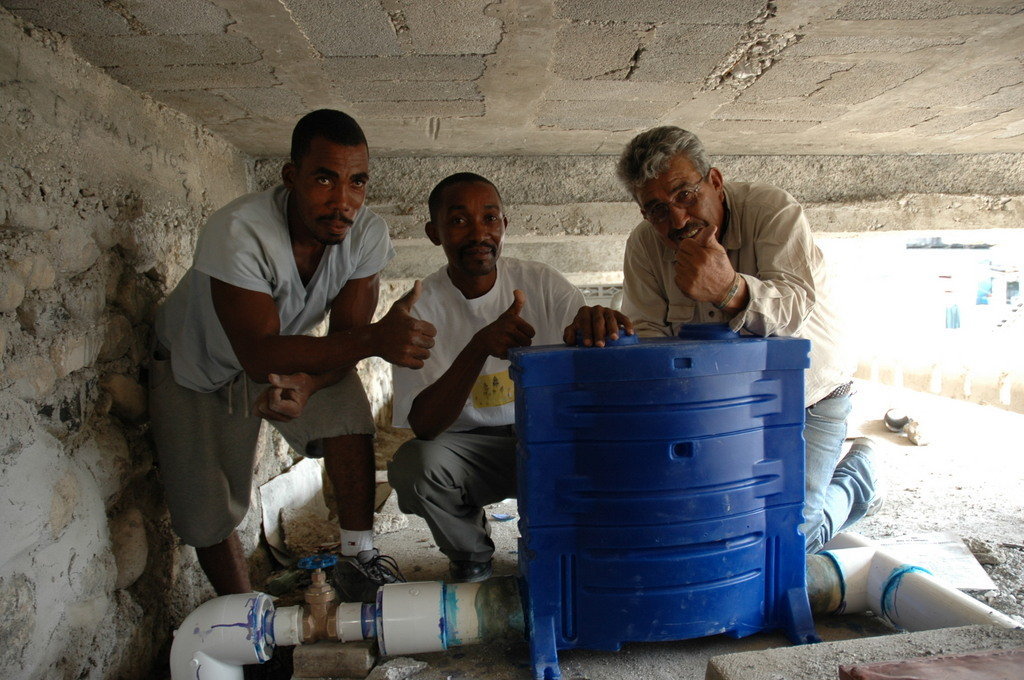
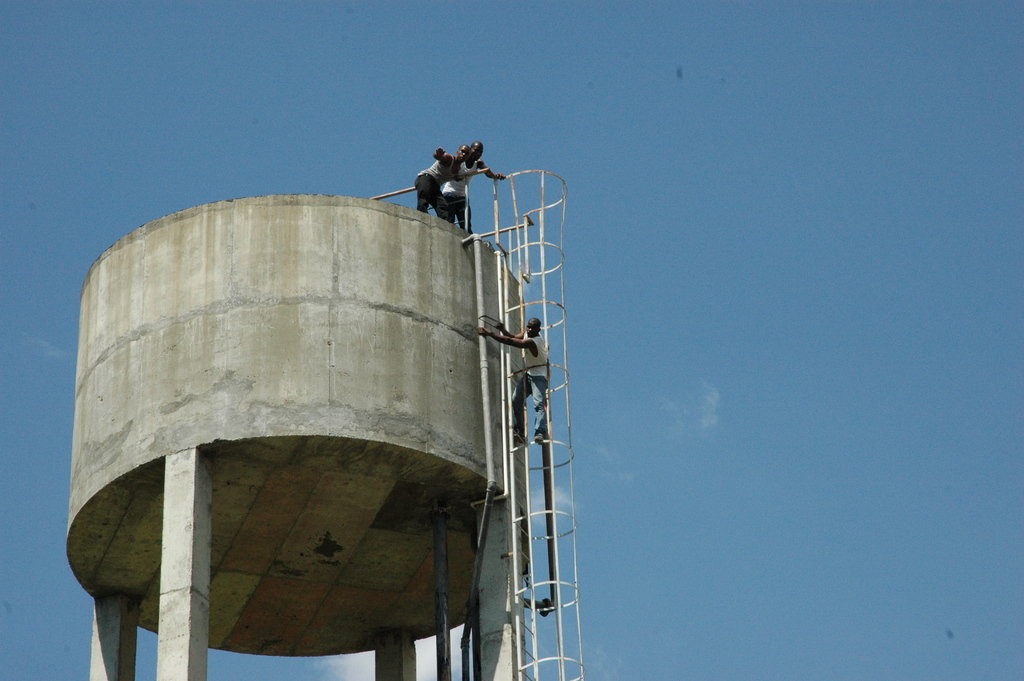
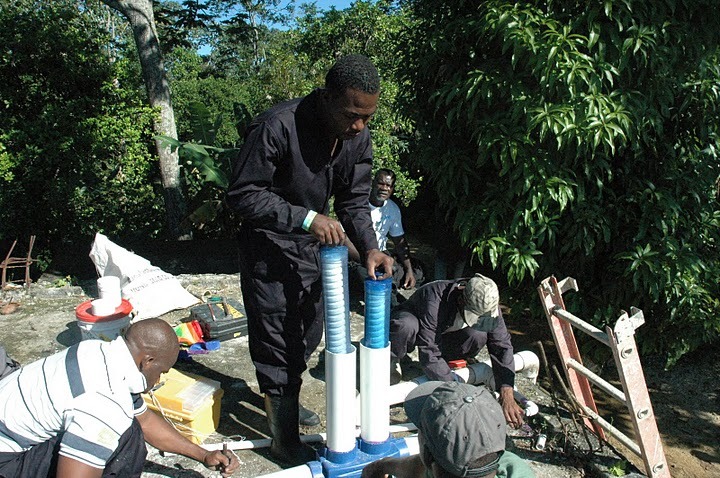
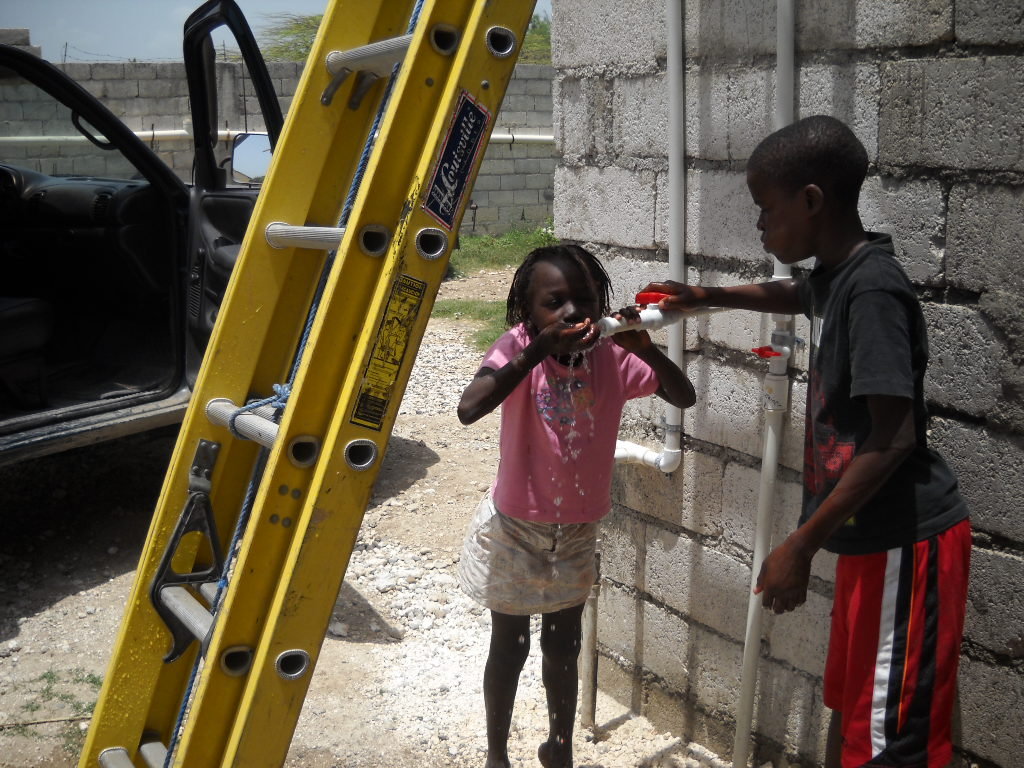
This will not happen on our watch. In the past 2 weeks, we have installed 2 chlorinators in Thiotte, Sudest Department, providing clean water for 20 public water stations serving up to 19,000 people. We also put in 2 more chlorinators for LOCC Mission, an orphanage in the Croix des Bouquets area of Port-au-Prince.
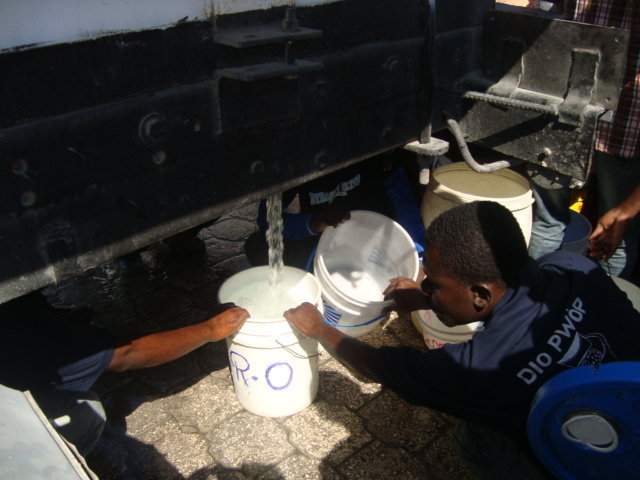
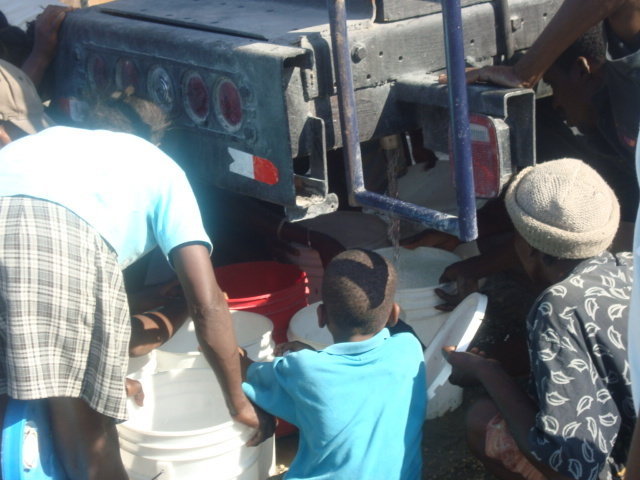
At the last UN "Beyond Water Trucking" meeting, our Haiti Director Dalebrun Esther begin_of_the_skype_highlighting end_of_the_skype_highlighting spoke, and consensus passed that for long-term sustainability, clean water provision must shift from focusing on camps to a neighborhood strategy and that the public water system must be rebuilt.
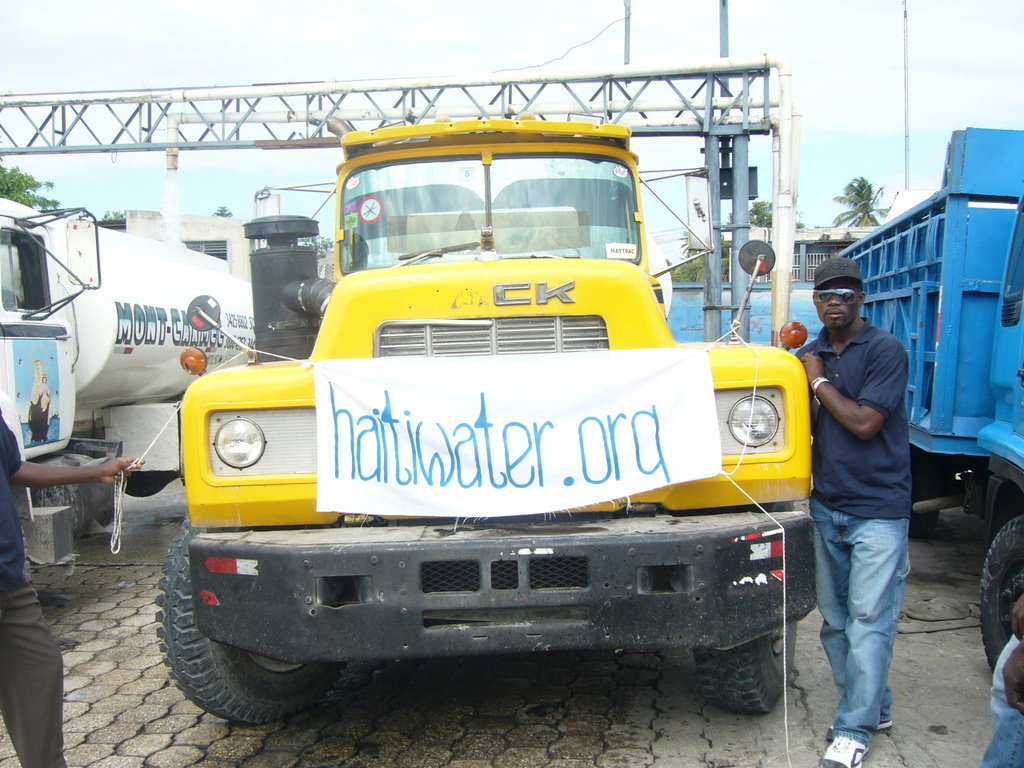
With your support, we have been the only group focused on disinfecting water at public water stations and providing clean water to neighborhoods from the very beginning, both before and after the quake.
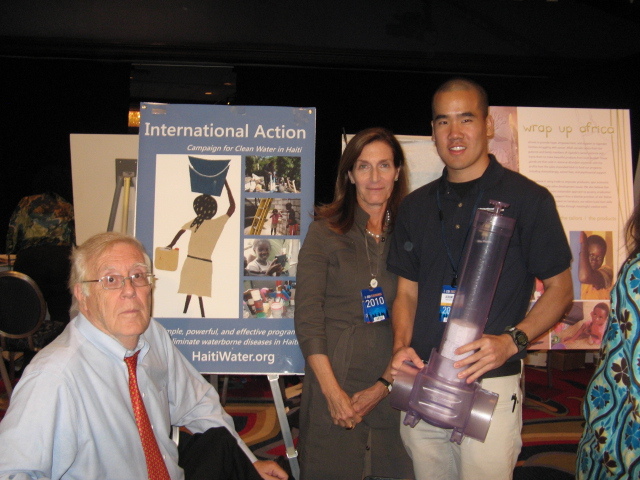
Furthermore, French NGO GRET and the Haitian water agency DINEPA have recommended International Action's chlorinators as the model technology for providing clean water to all of Haiti. We are pursuing partnerships with UNICEF, UNDP, and DINEPA and continue to offer chlorinators and chlorine tablets free of charge to the UN WASH and UN Education Cluster groups, Clinton Global Initiative partners, and any organization in need of them.
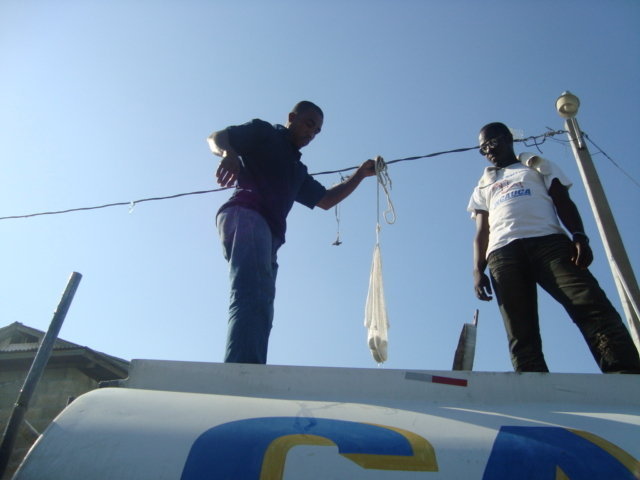
Moreover, we've been conducting household chlorine residual testing to ensure that water retrieved from our chlorinators is not contaminated between the points of distribution and consumption. All drinking water containers tested so far have registered with ample levels of chlorine residual. Also, with the help of Water Missions International, we have begun comprehensive microbial testing of treated water from surviving water tanks.
What we're doing works—All samples submitted so far for microbial testing (our Duvivier and Mont Jolly #1 and #2 sites) have tested free of bacteria, confirming that our water is high-quality and safe for drinking.
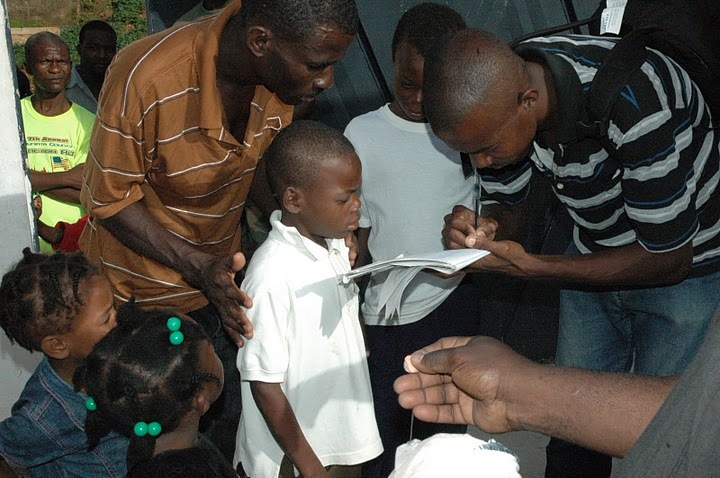
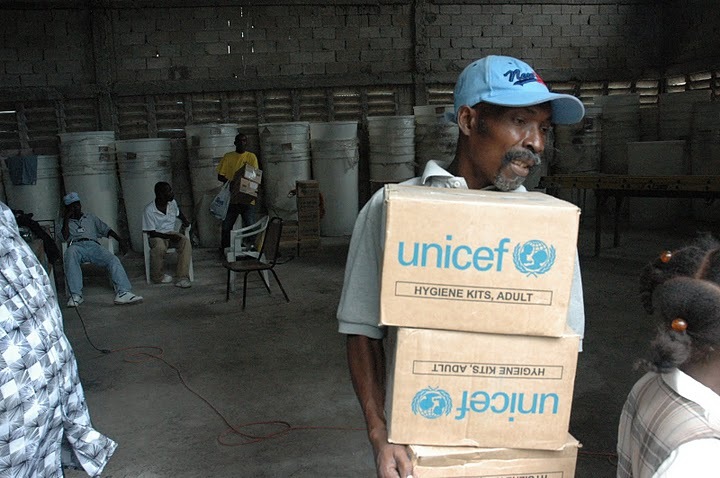
In addition to installing new chlorinators, we're continuing to distribute albendazole tablets and relief supplies. We will distribute another 25,000 deworming pills through Project Concern International's four clinics in Croix Deprez, Nazon, Fort National, and Asile Comunnale beginning this week. We've also passed out deworming tablets, UNICEF hygiene kits and water containers, and mosquito nets to communities in the Léogâne area.
Dalebrun just met with leaders and teachers from 40 schools in Cité Soleil to assess where we can install more water tanks and chlorinators. We're continuing to look for new sites to install chlorinators. If you know of any neighborhood, school, orphanage, church, hospital, or organization in need of chlorinators, chlorine tablets, storage tanks, or deworming pills, please let us know. Help us spread the word.
The need is profound. The time to act is now. Join us in this campaign, and help us quench Haiti's thirst.
Many thanks,
Sincerely,
Jeremy Mak
Program Coordinator, International Action
Links:
Project reports on GlobalGiving are posted directly to globalgiving.org by Project Leaders as they are completed, generally every 3-4 months. To protect the integrity of these documents, GlobalGiving does not alter them; therefore you may find some language or formatting issues.
If you donate to this project or have donated to this project, you can receive an email when this project posts a report. You can also subscribe for reports without donating.