By Gillian Wilson | Communications Director
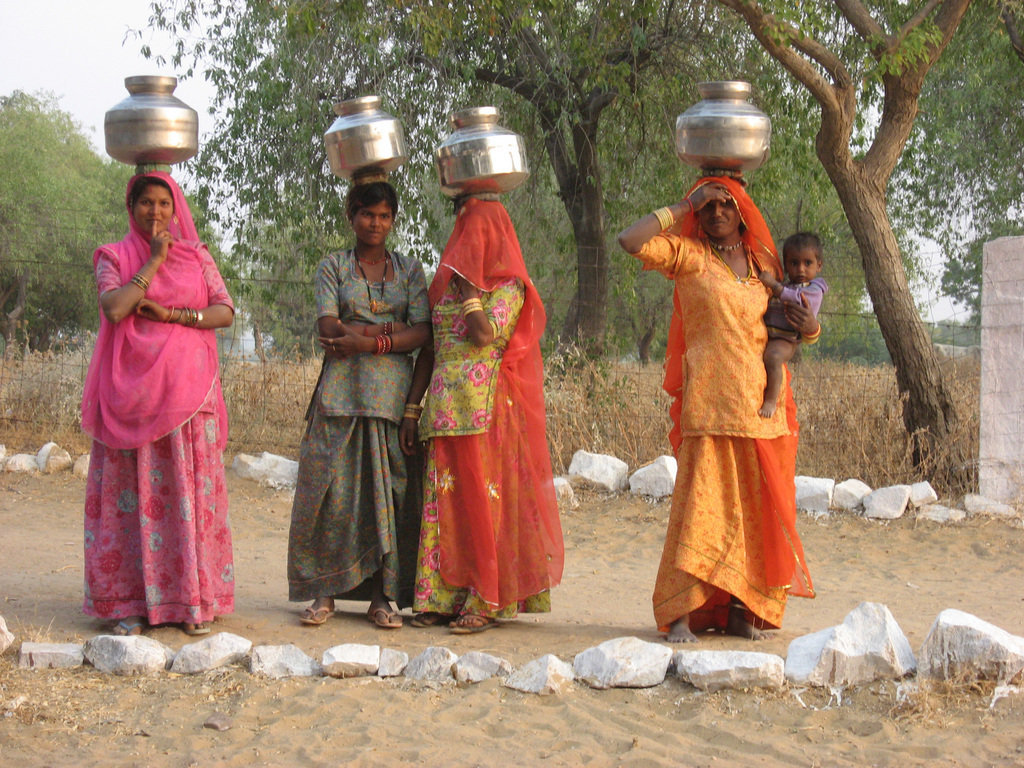
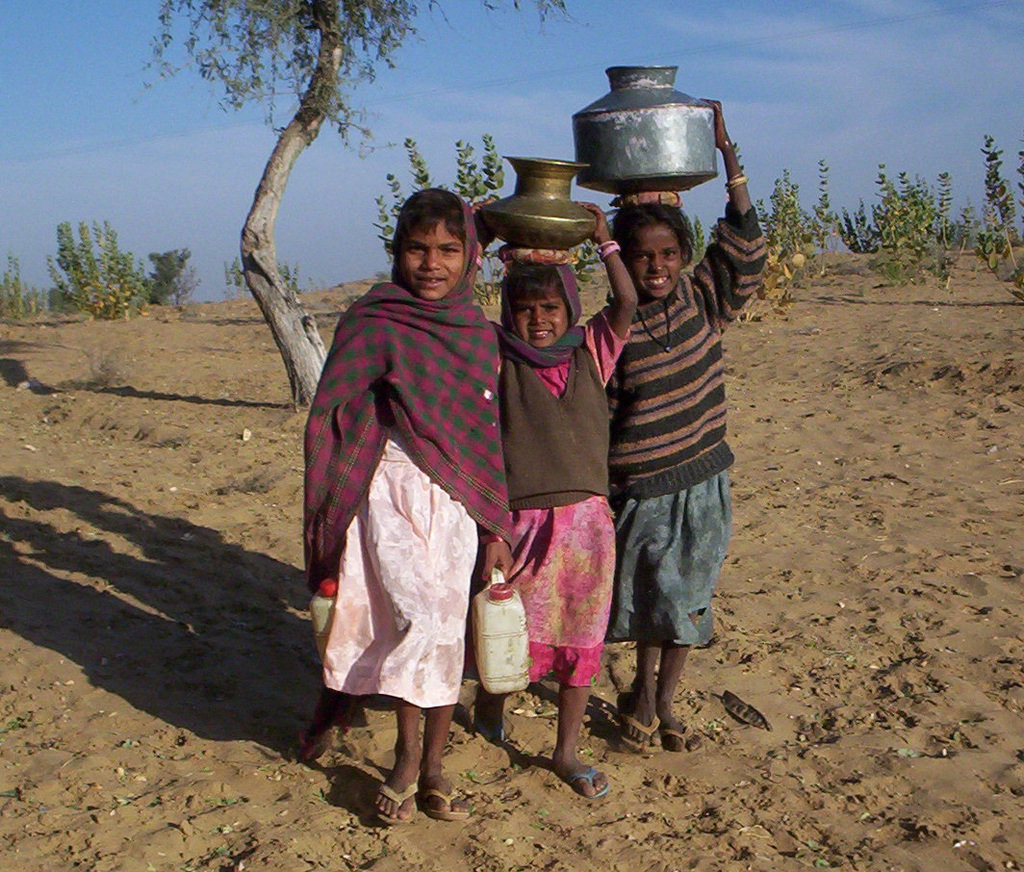
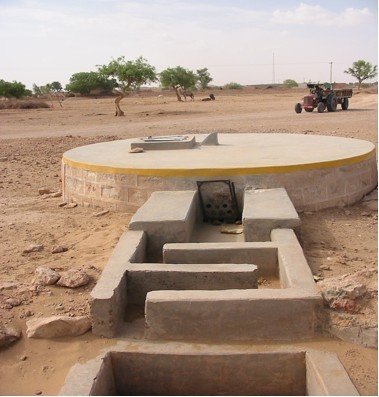
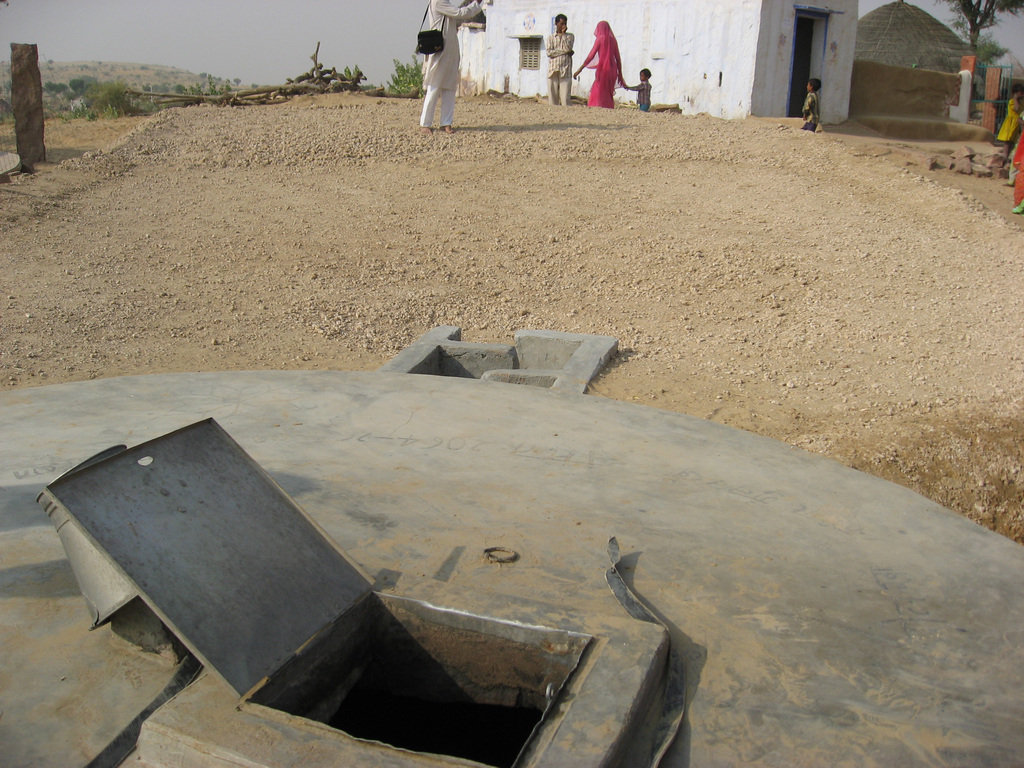
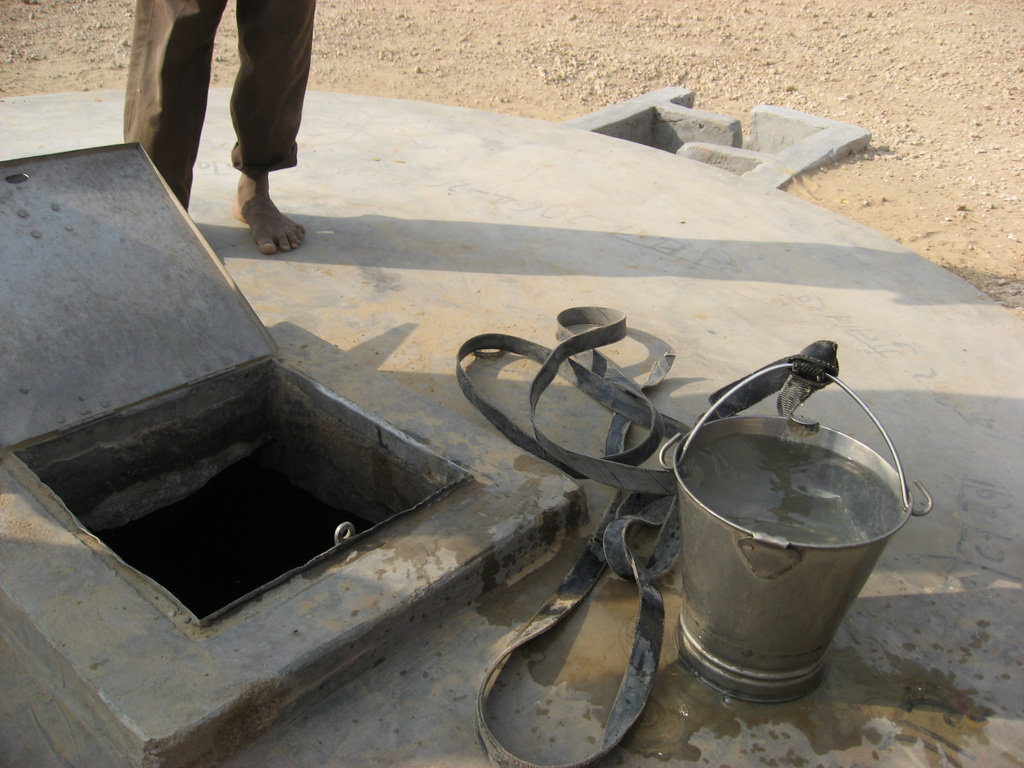
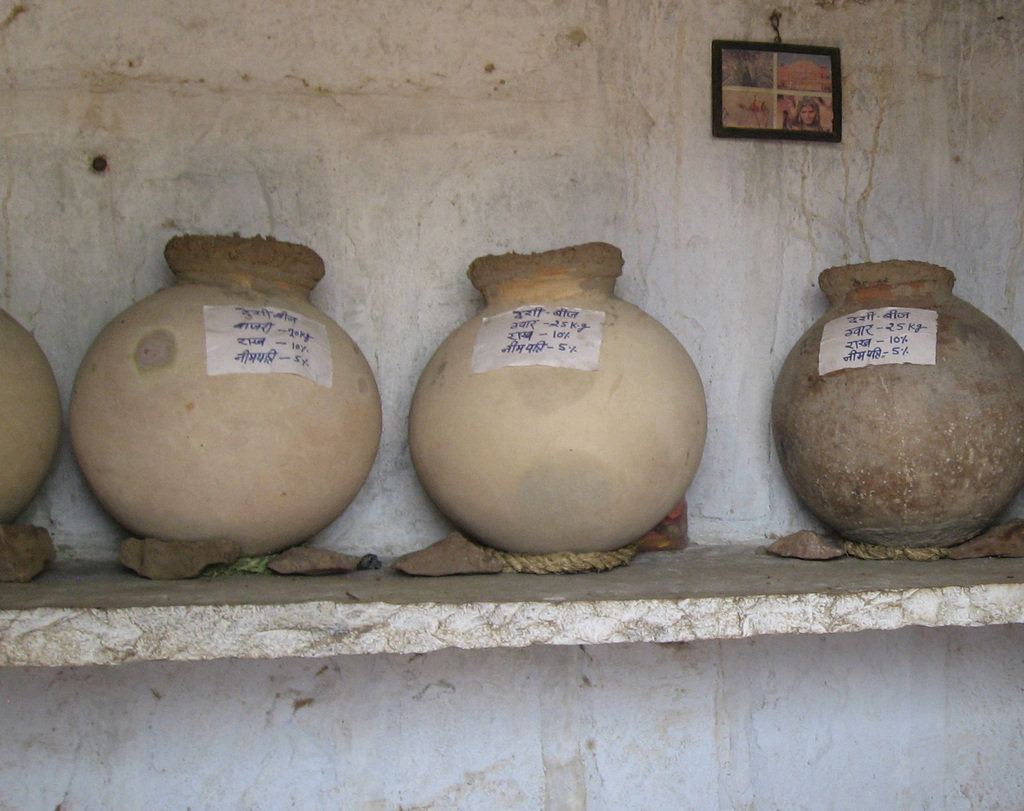
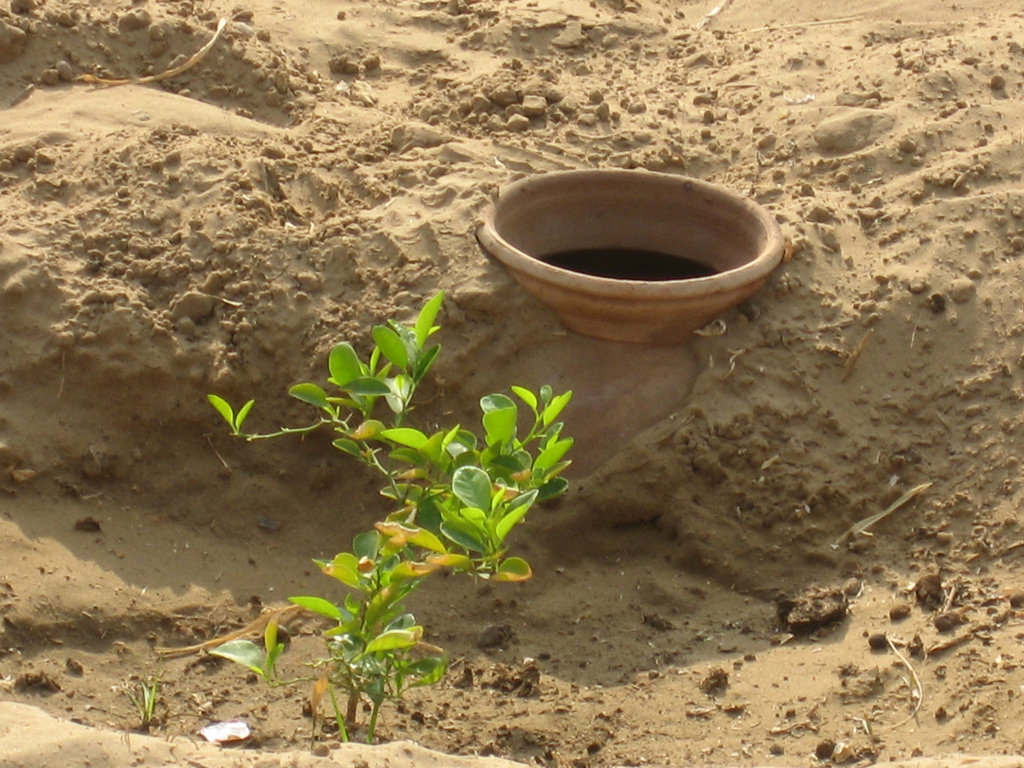
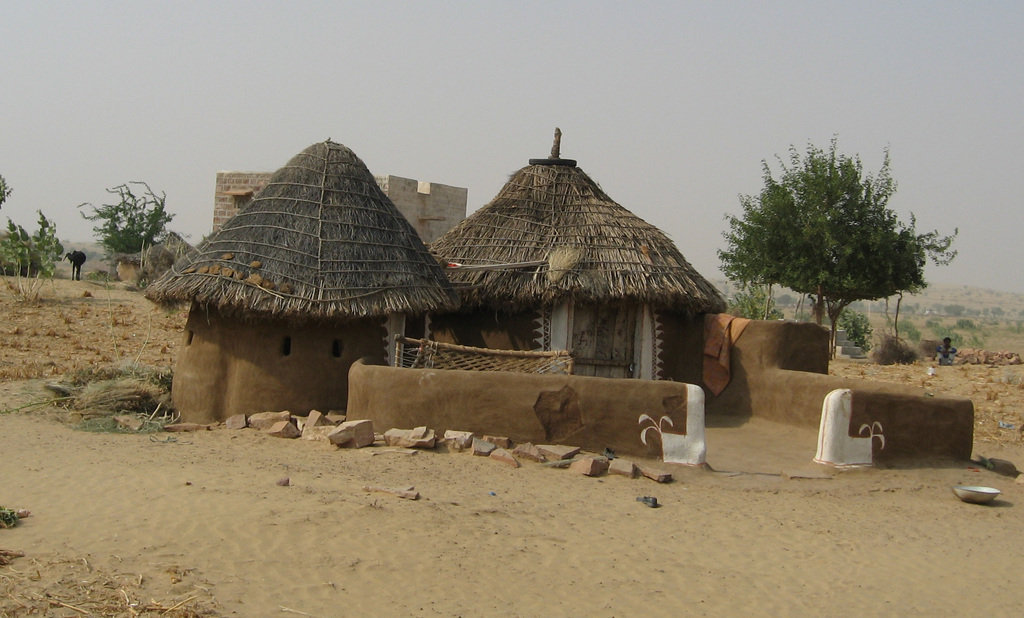
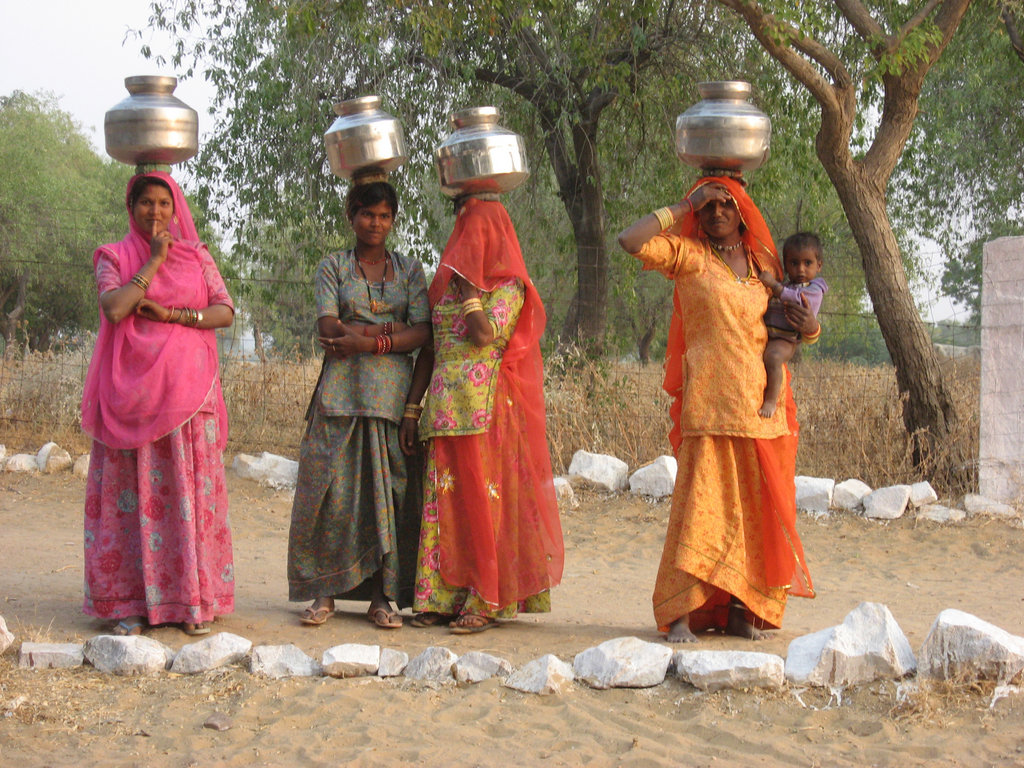
On Tuesday, March 16, all donations up to $1,000 per donor, per project will be matched. Donate on Tuesday, March 16, 2010, and maximize your gift. Low rainfall in India in 2009 has lead to the government officially declaring it a drought year. This drought is impacts Rajasthan badly. Water, which was already scarce to begin with, has led to a loss of crop and animals, vital resources and has led many to migrate to cities. Despite these challenges, GRAVIS has been working with rural farmers and villagers to help them better manage their water supplies. From their latest report: Horticultural Training: • Horticultural training has provided the necessary skills to save approximately 75% of plants that are typically unable to survive drought conditions • At least 150 farmers have adopted bio-fertilizers • Many farmers agreed to take on the seeds used in demonstrations on an experimental basis after they received training at the Central Arid Zone Research Institute last year. These are seeds that are drought tolerant. Additional Training: • 50 farmers and 120 villagers attended trainings on agricultural practices, livestock rearing, composting and seed selection and storage. • 15 members of local grassroots organizations participated in trainings on drought preparedness advocacy to share with their communities. • 60 women have improved their vocational skills that allow them to generate household income. Taankas have also been shown to be key in providing water security. 41 taankas were constructed by November. Fully-filled taankas can save families 300-400 rupees (about $7-$9) per month for approximately 4-6 months. Despite the drought in 2009, all taankas constructed by August were able capture up to 4-5 feet of water. This is an amount will meet a family’s typical requirements for 2-3 months, saving them a significant amount of money. As a result, at least 20 taanka beneficiaries are planning to send their girl children to school. It is estimated 700 families (4,200 people) have benefited from taankas and agriculture and horticultural training. Collectively these methods serve to reduce the impact of a drought year, but more work can still be done to improve water access.
Project reports on GlobalGiving are posted directly to globalgiving.org by Project Leaders as they are completed, generally every 3-4 months. To protect the integrity of these documents, GlobalGiving does not alter them; therefore you may find some language or formatting issues.
If you donate to this project or have donated to this project, you can receive an email when this project posts a report. You can also subscribe for reports without donating.