By Samuel Gamusa | Communications, World Vision Kenya
Water For Carolyne and McKeenziea
As far one can see, the hues of yellow and brown color the landscape, creating a sense of emptiness. It’s midday and the heat from the sun is intense. Today seems hotter than yesterday, the temperatures are 104 degrees Fahrenheit and soaring. It finally dawns on me that we have entered Turkana County, the driest and most water-scarce region of Kenya.
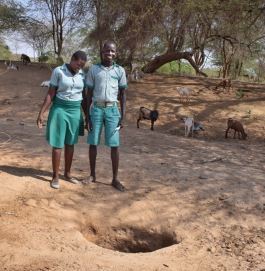
Our journey to Kalapata Mixed Boarding Primary School seemed endless but we were determined to reach Carolyne, 16, and McKeenziea, 15. Both have similar experiences, growing up in Loperot and in the same Grade 8 class. Carolyne shares, “Two years ago we used to draw water from the dry riverbed (referring to River Kalapata, 1.8 miles from the school) for drinking and cleaning purposes. The water was dirty and salty and because the shallow wells were left open, we used to share the water with both domestic and wild animals.”
McKeenziea says, “We used to dig the swallow wells on the sandy dry riverbed and sometimes they would collapse, making it dangerous to go in to draw water. Drawing water was time wasting and we could stay on until night. I remember boys provided security for the girls.” He adds, “At school, it is not like at home, where culturally girls fetch water alone, but boys too needed water for drinking and washing, so it was collective responsibility.”
Both fell sick from typhoid and intestinal infections due to the water they consumed and visited the Health Center. For Carolyne it was worse as she was transferred to Lokichar District Hospital, almost 61 miles from the school.
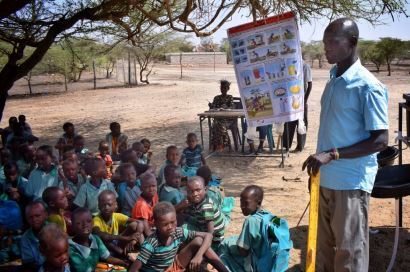
Edward, head teacher of the school, confirmed the illness. He says, “We had many health complications among the children. The water they consumed had no purification and consisted of all manner of things like animal droppings. No proper hygiene and sanitation was in place at this school.” Edward adds, “We were forced to break class sessions to allow both girls and boys to fetch water and this affected the general performance of the pupils.”
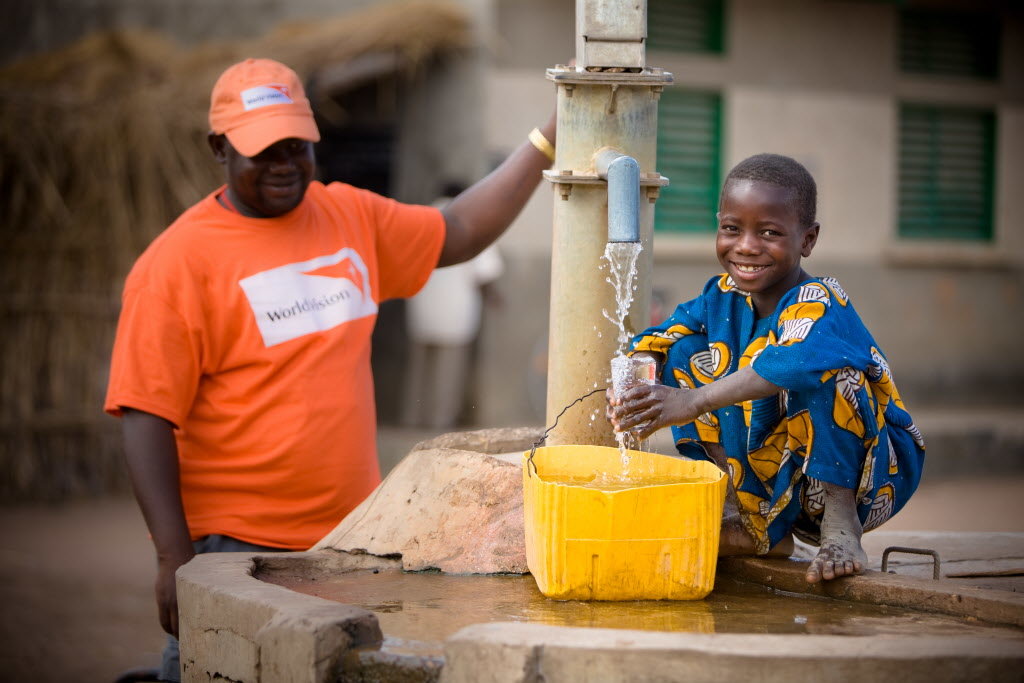
World Vision developed the Loperot Water Project which targets education institutions around the community. Moses, World Vision Area Manager, shares that pipeline extensions and repairs on the project were done to make water more accessible to the community.
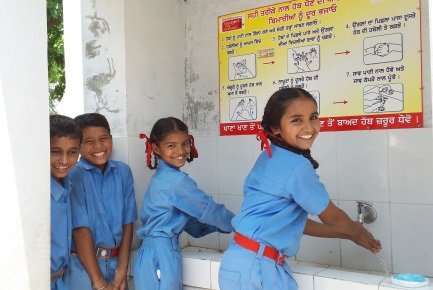
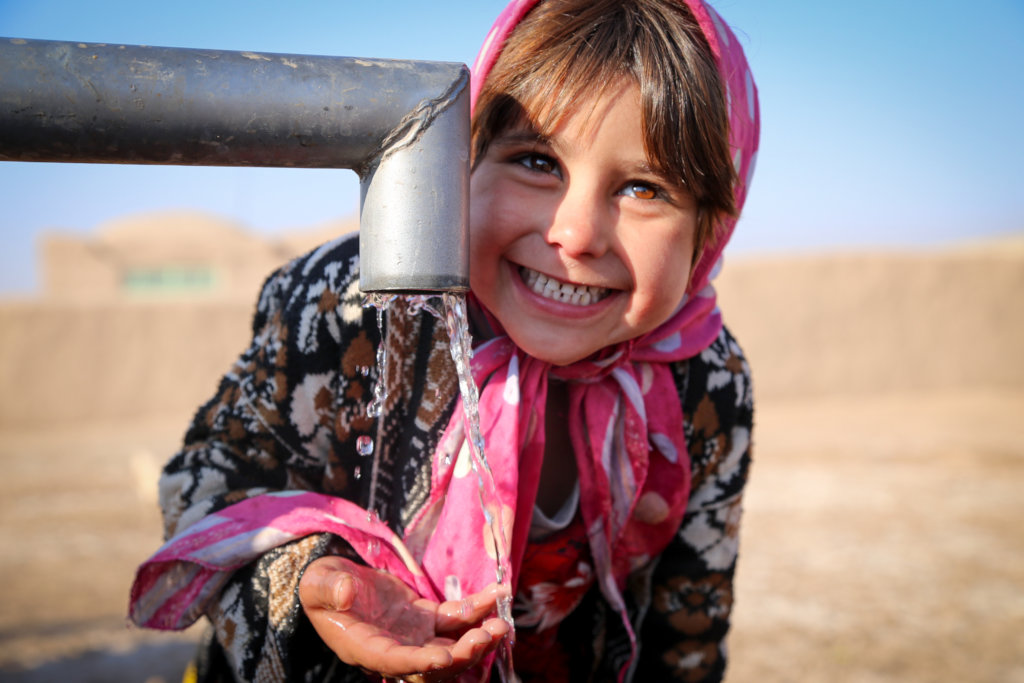
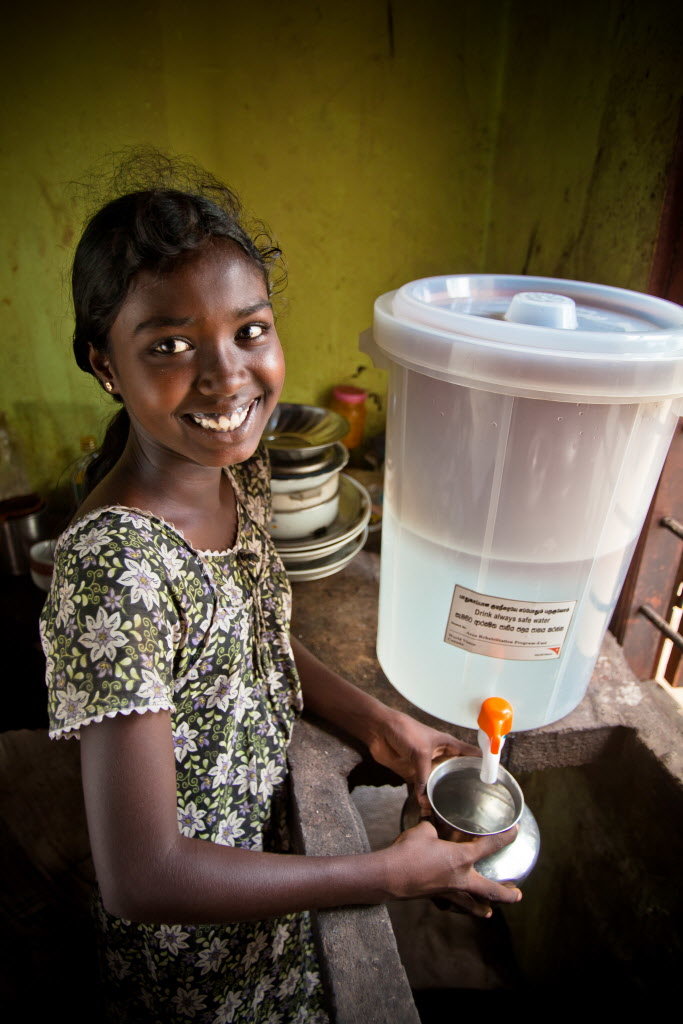
Carolyne and McKeenziea now have piped water directly in their school and no longer make the night trips to the dry riverbed. Both are preparing for national examinations. Carolyne hopes to transition to Lugulu Girls High School, while McKeenziea hopes to join Lodwar Boys High School.
Edward could not hide his excitement saying, “We have witnessed high enrollment… the hygiene and sanitation of the school has drastically improved. The pupils are happy, meaning no health complications like before and they have enough time for their studies.” He adds, “I’m certain that the pupils in Grade 8 will perform better in the upcoming National Examination and make our school emerge the best in the whole country. We thank World Vision for responding to the water need in our community.”
Project reports on GlobalGiving are posted directly to globalgiving.org by Project Leaders as they are completed, generally every 3-4 months. To protect the integrity of these documents, GlobalGiving does not alter them; therefore you may find some language or formatting issues.
If you donate to this project or have donated to this project, you can receive an email when this project posts a report. You can also subscribe for reports without donating.