By Tamiru Chewaka | Donor Liaison World Vision Ethiopia
‘‘I wish my son would have been alive to see the safe water we have, and a healthy life we enjoy nowadays,’’ said a mother whose teenage son died of waterborne disease 10 years ago. She could not comprehend her son’s passing nor could she come to terms with life without him.
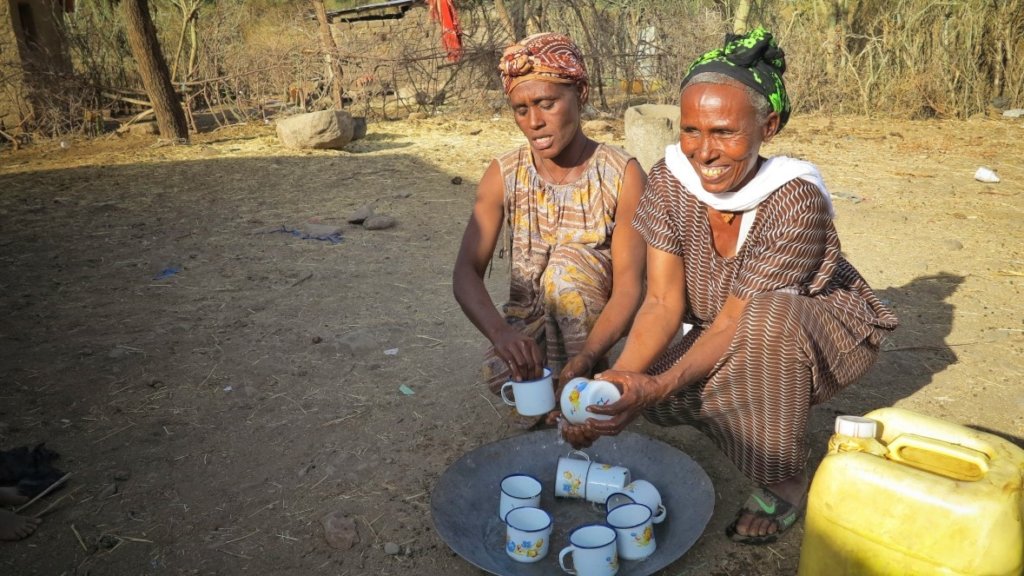
Aselefech (57) lives in the Bosset district, 85 miles east of Addis Ababa, Ethiopia. The area is characterized by its sandy soil and scrubby vegetation and a warmer, drier climate. Shortage of water is apparent. Aselefech walked three hours every day in the unforgiving weather and dusty ground to collect unsafe water from the Tabo River. When the river dried up in the summer, Aselefech cut a hole in the sand and let it fill with water. The expe-rience was not only laborious but also time consuming, as she had to wait until the water would seep out and the sediment settled.
Aselefech dreamed of a quality education and a successful life for her chil-dren, including her 17- year- old son, Babsa. When Babsa fell ill, he had a gradual onset of high fever with a stomach ache, headache, and muscle pain. Diarrhea caused him persistent pain. The single parent was flabbergasted by the severity of Babsa’s illness. Soon Babsa fell into a coma and passed away. Chaltu, a neighbor and friend remembered that sad day, as Aselefech was at home, crying and crying and calling out Babsa’s name.
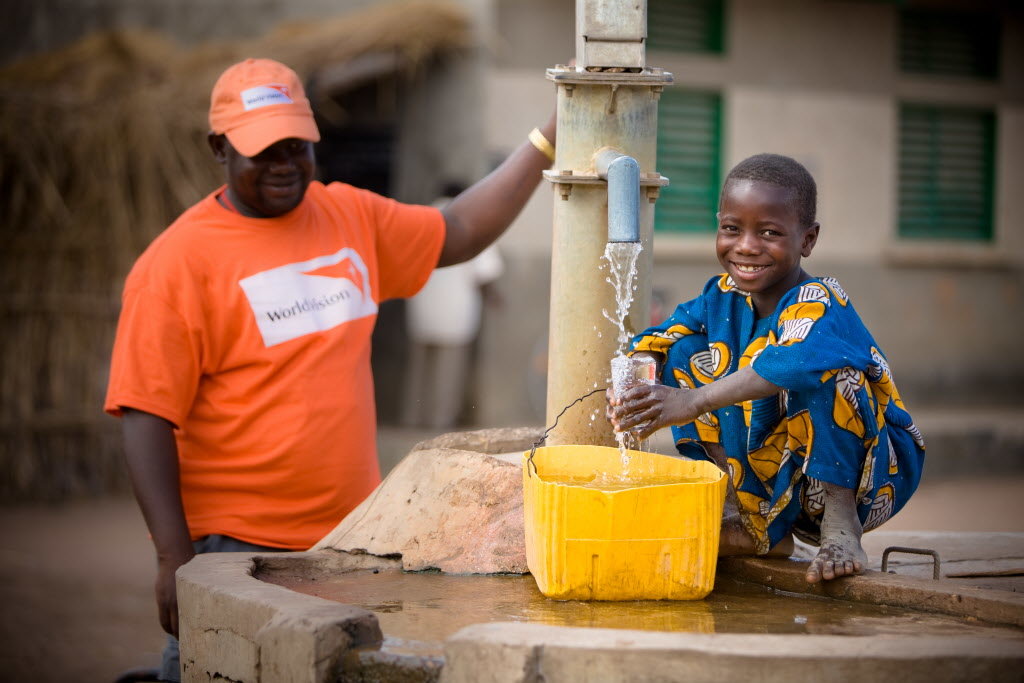
World Vision responded to the dirty water problem that caused Babsa’s death. The organization, who believes that every child deserves clean water, dug a deep borehole that supplies clean water to 3000 people in the village.
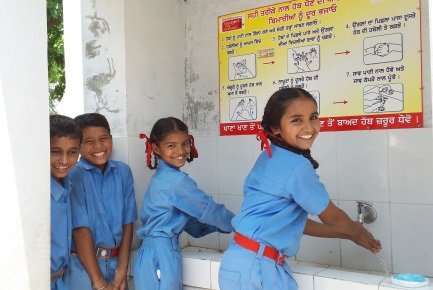
Aselefech participated in capacity building training that World Vision organized for the community. Through the Water Sanitation and Hygiene project, Aselefech learned about hygiene and envi-ronmental health management. Now, as the Water Committee Chairwoman, she teaches her community to stop throwing away polyeth-ylene bags or other trash and her neighbors are responding. The water-borne prevalence rate has dropped after World Vision provided a clean water source. After the training, each household has a private latrine and hand washing is a standard practice. The trainees are imparting their knowledge to others in the community and Aselefech is a forerunner of addressing Babsa’s cause.
“I wish my son would have lived to see such a privilege,” says Aselefech.
Child loss is a wound that never completely heals. Aselefech prays that her neighbors will never experience such a loss.
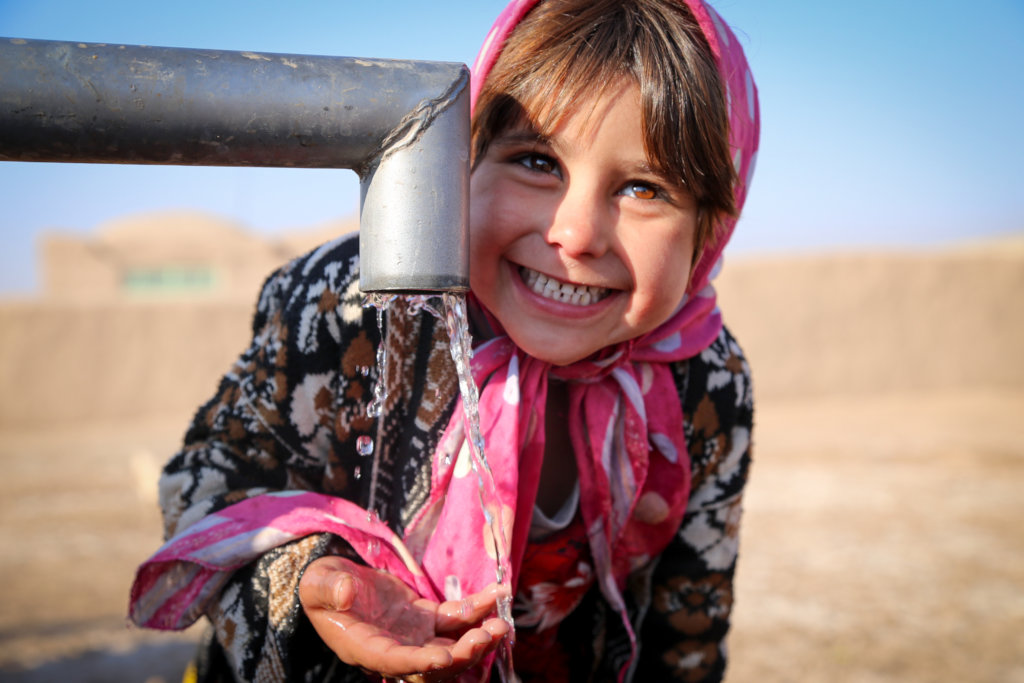
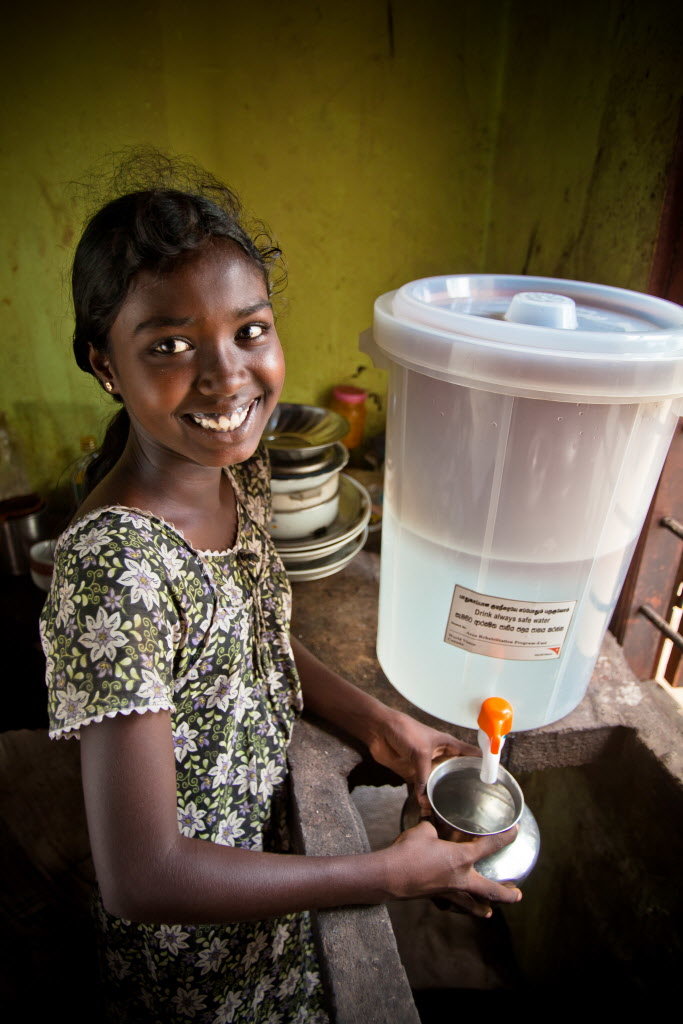
Today, Aselefech has clean water nearby. ‘‘The tap water is only a four minute walk from my home,’’ Asele-fech said. Seeing village children coming together to draw water from the water point brings her joy. Her nine grandchildren have clean drinking water and live in a safe environment. ‘‘My grandchildren are all happy, healthy, and strong,’’ Aselefech says.
Project reports on GlobalGiving are posted directly to globalgiving.org by Project Leaders as they are completed, generally every 3-4 months. To protect the integrity of these documents, GlobalGiving does not alter them; therefore you may find some language or formatting issues.
If you donate to this project or have donated to this project, you can receive an email when this project posts a report. You can also subscribe for reports without donating.