By Nick van Praag | Director Ground Truth Solutions
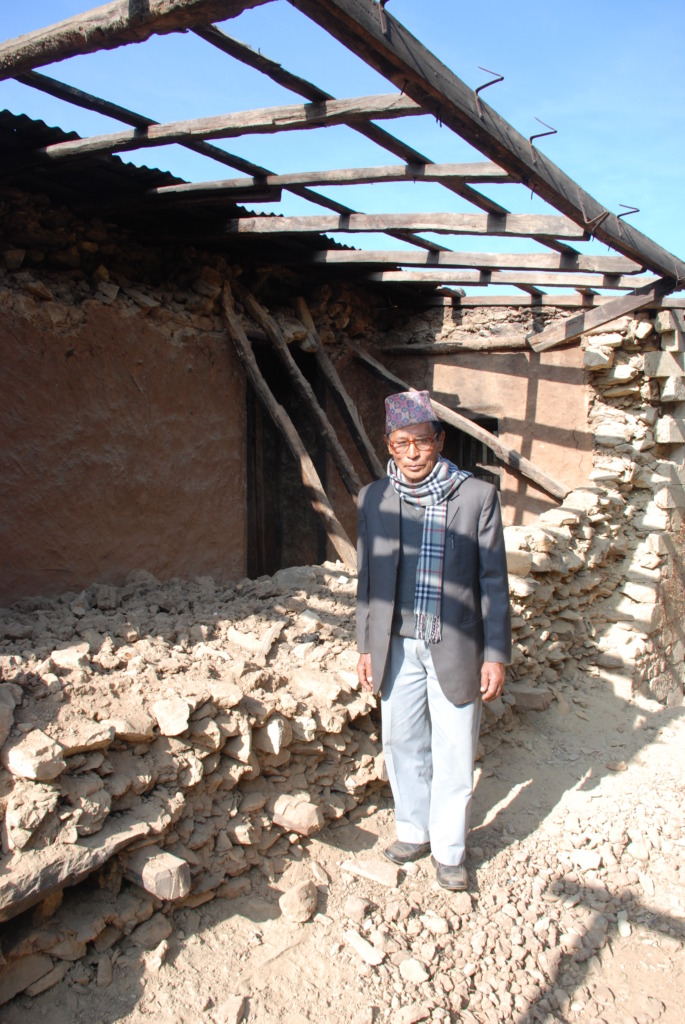
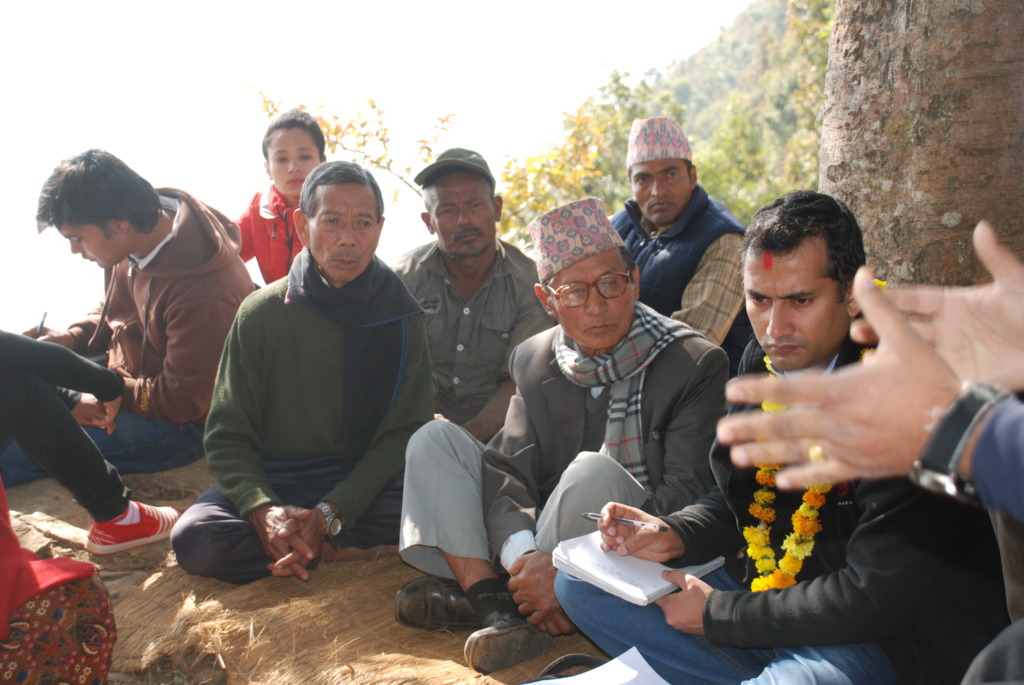
Jeevan is the oldest resident in his village in central Nepal. He served for 26 years in the Indian army. Until last April’s earth quake, he was enjoying his retirement with his wife, three children and many grandchildren. The quake turned things upside down – almost literally. The village sustained huge damage to homes and the terraces on which they farm.
Jeevan is relatively lucky. Thanks to his modest army pension, he was able to build his home with stones as well as bricks. But the house nonetheless suffered a lot of damage. When I visited in December, eight months after the quake, it was still uninhabitable.
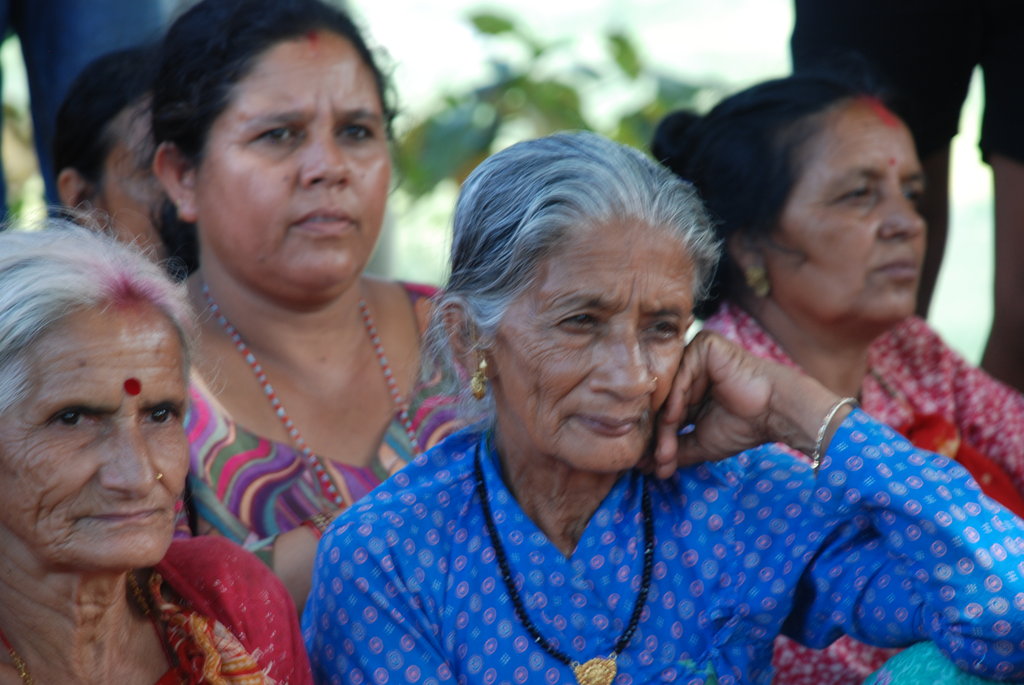
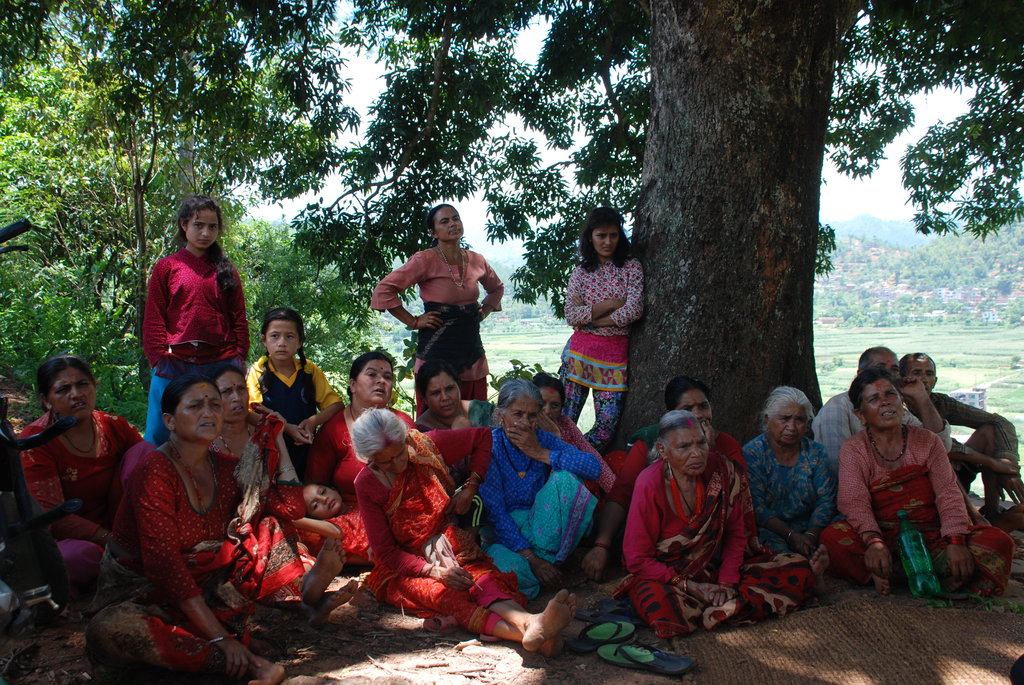
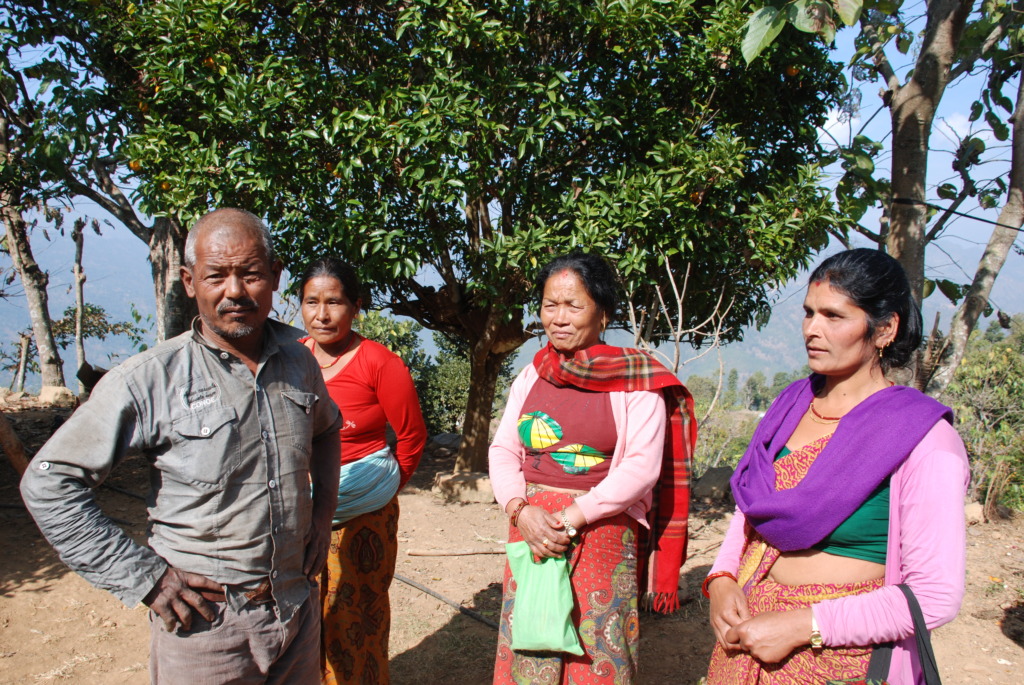
Overall, though, things are improving. There is a tradition of self-help in these isolated areas and communities have pulled further together. They also feel less alone, since the government and international aid people running the quake response, who are based over the many hills and valleys that lie between Jeevan’s village in Gorkha district and the capital Katmandu, have been brought closer to the realties on the ground. This was achieved with the regular surveys of people’s perceptions we’ve been doing across all districts hit by the quake.
Donors from Global Giving have made possible the provision of these eyes and ears, and have thus enabled local communities to influence the response. By providing Ground Truth Solutions with the resources to carry out monthly surveys and report the findings to the UN and others working on the response, we’ve been able to break new ground in the way emergency relief programs are designed and implemented.
From July to November 2015, we were part of the Inter-Agency Community Feedback Project, a common effort to track perceptions and push for better communication with affected communities. Partnering with two local NGOs (Accountability Lab and Local Interventions Group), Ground Truth’s role was to provide real-time feedback from affected people, and to provide recommendations based on that feedback.
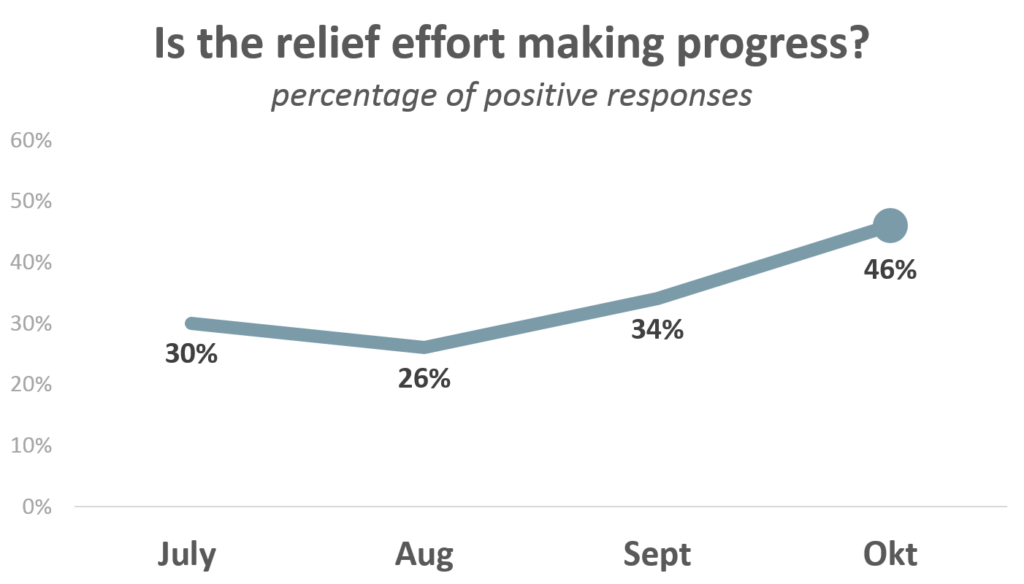
Our Community Perceptions Surveys track perceptions in Nepal’s most affected districts. Around 100 people per district are surveyed each month, for an aggregate sample size of 1,400 people. Questions hone in on issues ranging from whether the relief effort is making progress, to whether people are adequately prepared for seasonal challenges.
At the outset, the data showed negative perceptions across the board, particularly on whether people’s main problems were being addressed and if they felt their voices were being heard. Over the following months, things changed as humanitarian agencies began to use the feedback data to become more responsive. For example, we have seen big changes in perceptions regarding the fairness of aid distribution. More people now consider that they have the information they need to help themselves. More are satisfied with the support they get from NGOs – although the government is still seen as underperforming.
Thanks to Global Giving, we have been able to build the capacity of our local partners so that they are now able to continue this work by themselves. The latest survey shows that shelter and the challenges of the cold winter months remain major concerns for communities.
After this experience, it will be hard for aid agencies to ignore the voice of people supposed to benefit from relief efforts. Quite simply, Global Giving has shown that it is possible to put affected people first in humanitarian operations.
Project reports on GlobalGiving are posted directly to globalgiving.org by Project Leaders as they are completed, generally every 3-4 months. To protect the integrity of these documents, GlobalGiving does not alter them; therefore you may find some language or formatting issues.
If you donate to this project or have donated to this project, you can receive an email when this project posts a report. You can also subscribe for reports without donating.