By Christina Stellini | Resource Development Volunteer
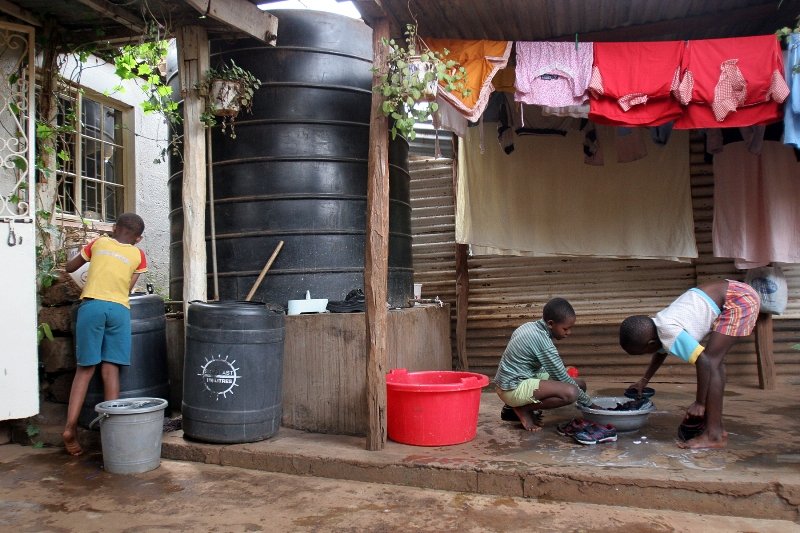
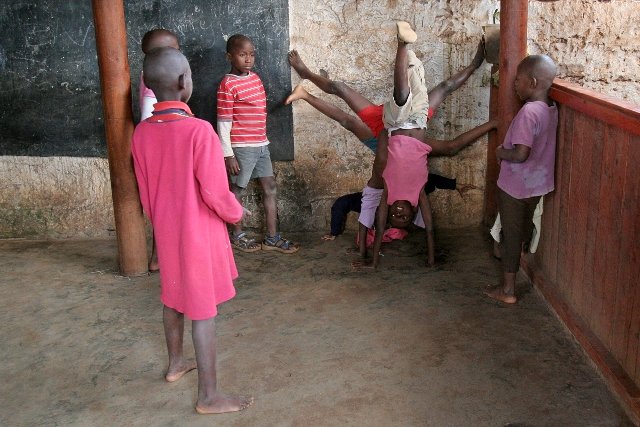
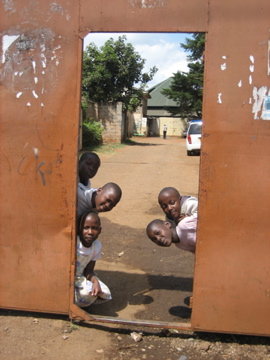
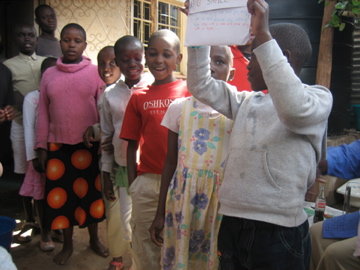
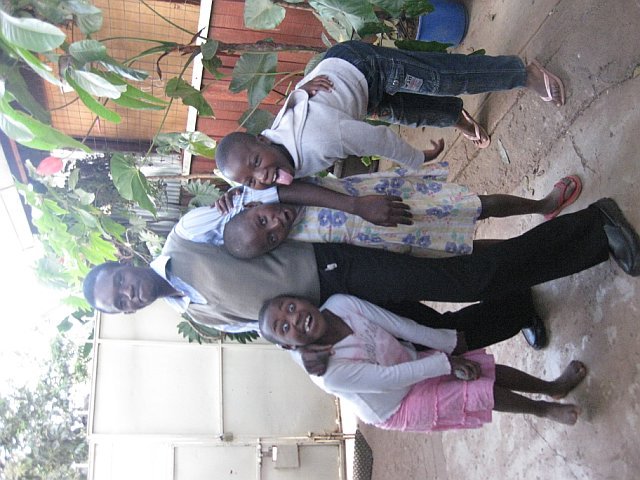
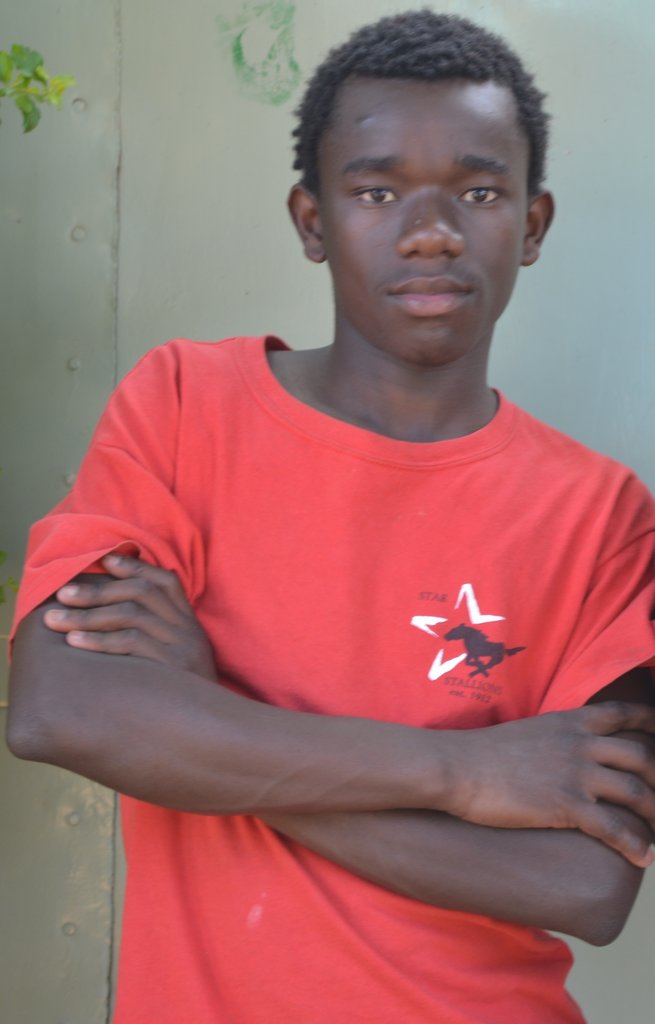
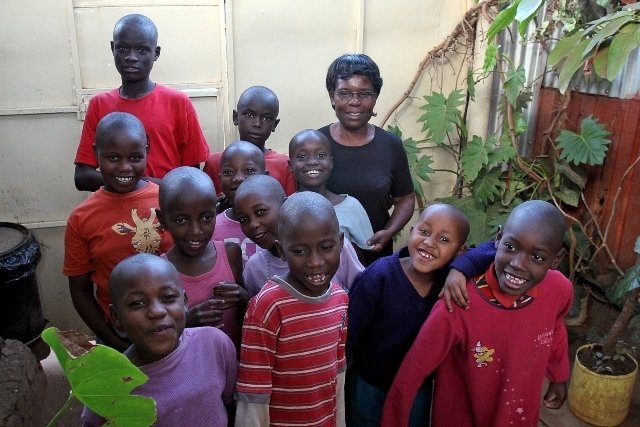
St. Vincent’s rescue center is currently home to 20 children ages 7 to 21 years old. This interview was conducted with one of our youth, Dennis, aged 19 years. Originally from Muranga County (a few hours north of Nairobi), Dennis been with our rescue center since 2010. A recent high school graduate, he is waiting to start university at the beginning of 2016. We asked Dennis questions about education and life in Kibera to give you - our donors - a sense of the potential of youth in Kibera and the challenges they face in reaching their life goals.
-------------------------------------------------------------------------------------------------------------------
Q: Where did you go to secondary school?
A: Olkejuado High School
Q: When did you graduate?
A: November 2014
Q: What are you doing now?
A: I am taking a short term course in computer programming at Tunapanda institute [in Kibera]. It’s scheduled for three months. I attend classes on weekdays from 9am to 6 pm.
Q: How did you get involved in the computer course?
A: I learned about it from a friend who is also involved in it.
Q: What are you learning in the course?
A: I am learning python - a computer programming course - and 3D painting
Q: Are you enjoying the course?
A: Sure I am. Am doing what I love.
Q: Why do you like computer programming?
A: It's fun. I enjoy it because I can make games using languages that I learn and it's fun
Q: What do you want to do in the future?
A: I want to do programming and study computer science, but that won't be possible for now.
Q: Why won't it be possible?
A: I have been selected [at a Kenyan university] to study another course different from the one that I want and I have to take it. The government selects for you a course and then you have to study that. After high school when you have attained a pass mark, they will give you a loan to study a course in the University and they select a course for you. You repay the loan with interest after you are done with school and have a job.
Q: What course were you placed in?
A: Bachelor of Science in innovation management technology.
Q: Do you have to go to that university?
A: I have to because I received no other choice to get to university.
Q: What would be your dream job?
A: I don't think I’d like to work for anyone. I would like to build my own software. I have an idea of developing an app to solve a problem in our country.
Q: Can you tell us what your app idea is?
A: Not for now. I'm still working on it. I'm still learning the basics, so I have to learn more before I can bring the idea to life.
Q: How are you going to reach your goals?
A: I will have to take the course [that was selected for me] and then I can continue learning [computers/IT] in my free time.
Q: What do you think about the education system in Kenya?
A: It's pathetic. It's the worse you can have because of exams. When you are in school, the teacher tells you that you are supposed to do this because it will be in the exams. It's all based on the exams. In the final exam, you take it for a month. You are tested on what you have learned over the past four years in that one month and that's not good. They should grade you for your performance over the four years. There are no practicals. You can't solve real life problems with what you learn in schools, you are only taught to pass exams.
Q: What do you like about living in Kibera?
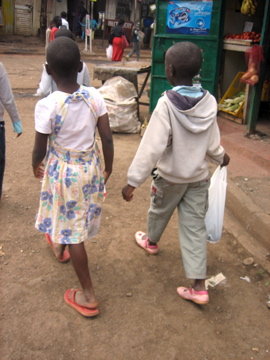
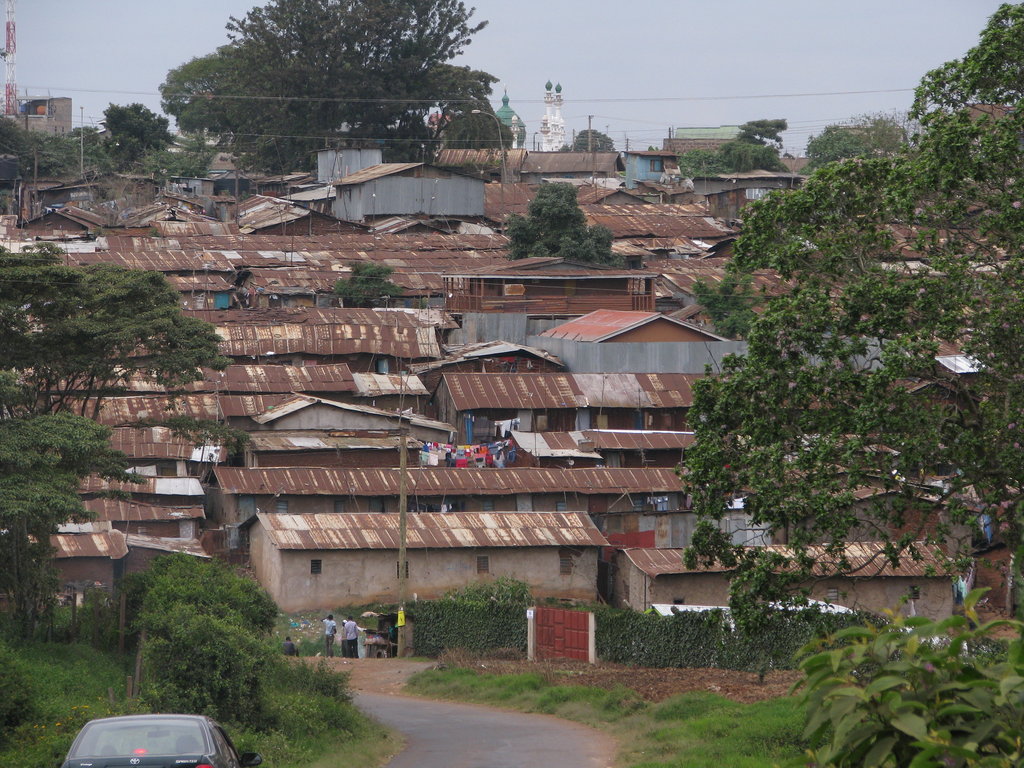
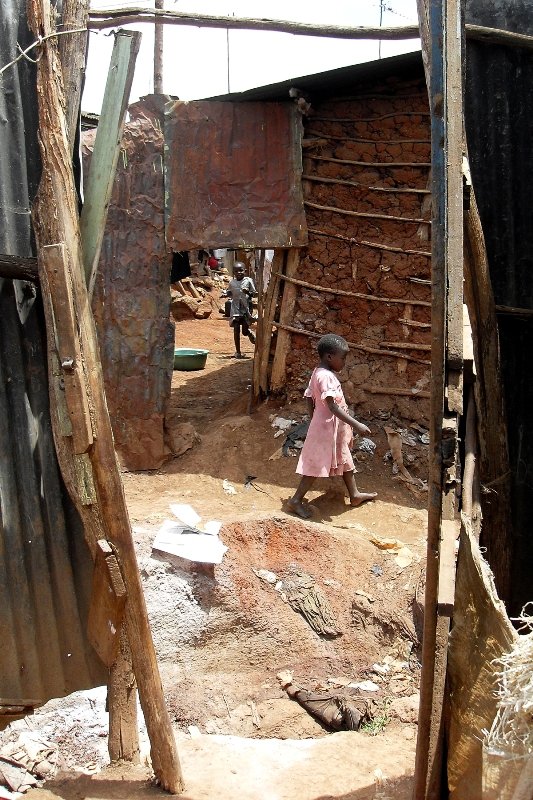
A: I like the people around me. They show me that I'm still worth something. Whenever I go down into the slum, I feel a sense of belonging. Someday I would want to do something for my community. People are nice in the slum. I have friends in the slum. I enjoy playing games with them. Sometimes I share with them what they go through. It makes me feel like part of them.
Q: If there is one thing you could change about Kibera, what would it be?
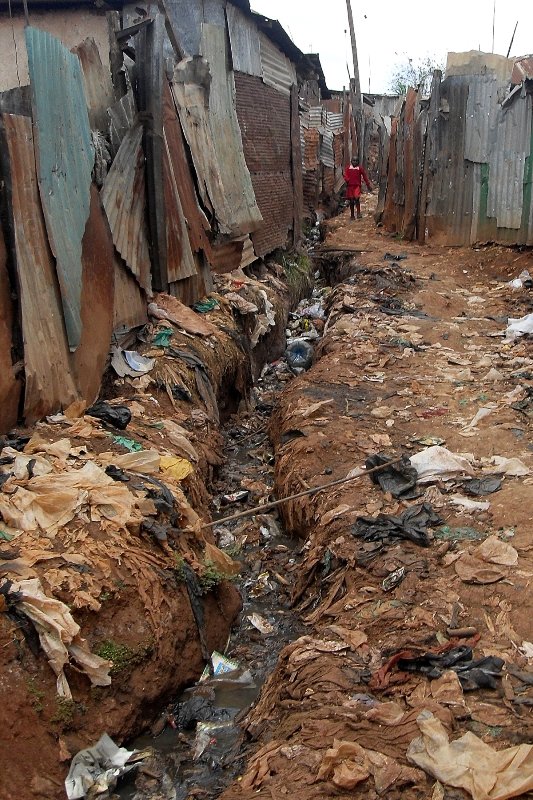
A: I would change the education - the way people study. I would teach them to be creative. And I would change the way they think about life. For example, the National Youth Service was working in Kibera and they would clean the streets in the morning and when you would come back [in the evening] you wouldn't be able to see their work. I want to do something about it in my future if I can.
Q: What would you want to do specifically about the garbage problem?
A: I would give people civic education and I would develop systems for them to manage the litter. I would also want to teach youth computer skills and programming so that they can help solve problems.
Q: What do you think is biggest misconception about Kibera?
A: People think it's the dumbest place in the world. People think it's the worst place to live, but I think it's the best. The people here are good.
Links:
Project reports on GlobalGiving are posted directly to globalgiving.org by Project Leaders as they are completed, generally every 3-4 months. To protect the integrity of these documents, GlobalGiving does not alter them; therefore you may find some language or formatting issues.
If you donate to this project or have donated to this project, you can receive an email when this project posts a report. You can also subscribe for reports without donating.



Support this important cause by creating a personalized fundraising page.
Start a Fundraiser