By Christina Stellini | Resource Development Volunteer
The far-reaching advantages of educating girls are well proven – for girls themselves, but also for their families and for whole nations. Girls who stay in school marry later, have fewer children and have children later, thus avoiding medical complications due to early pregnancy, which are the leading cause of death among girls age 15-19 worldwide. An educated girl invests 90% of earned income in her family, compared to 35% for a boy. When 10% more girls attend secondary school, a country’s per capita income increases by an estimated 3%.
Despite the strong evidence about the impact of investing in girls, access to education remains a challenge for many girls in Kenya. Just 36% of girls in Kenya are enrolled in secondary (high) school.
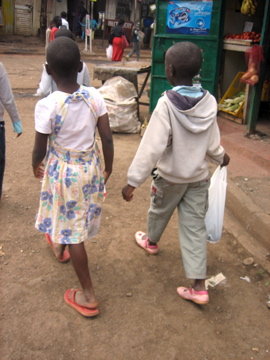
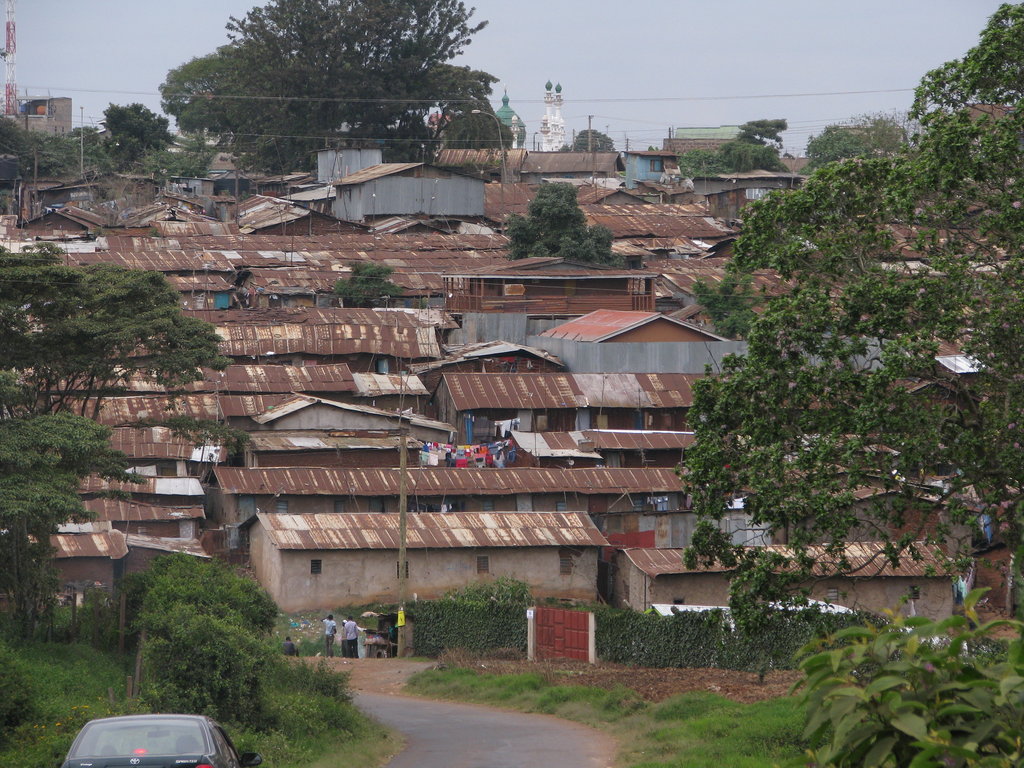
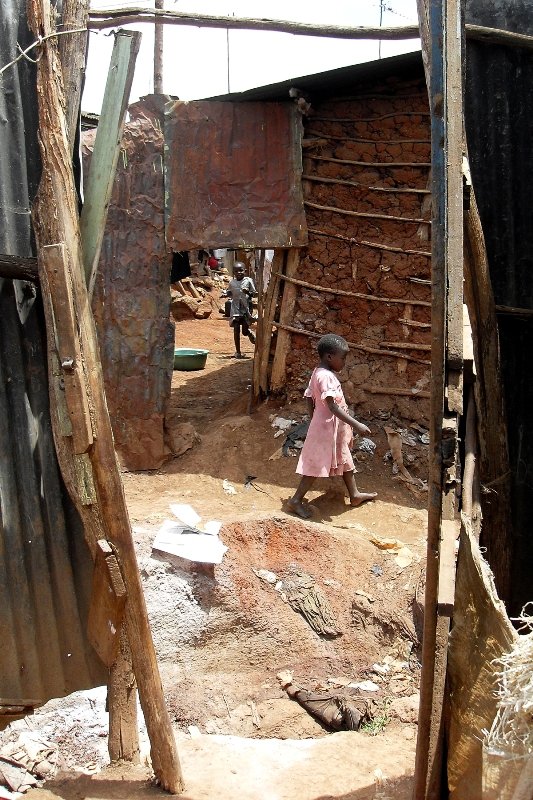
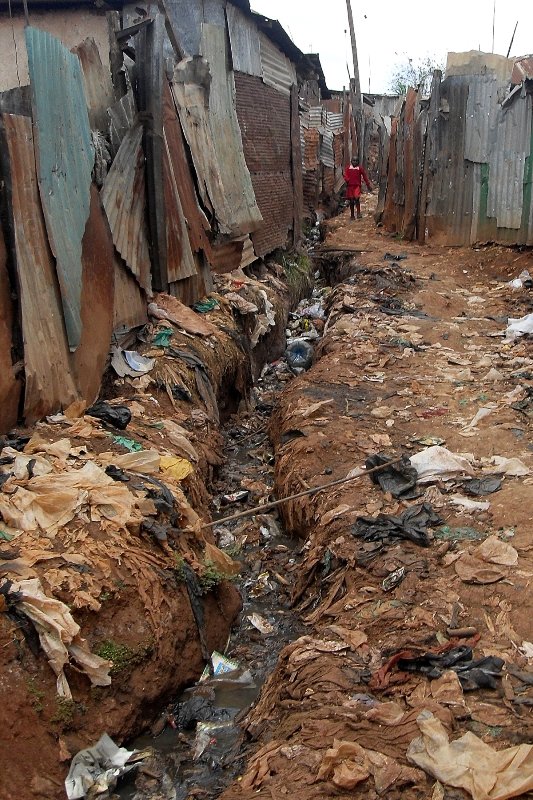
Obvious barriers exist – for instance tuition fees and the need to purchase one’s own school supplies (e.g., uniforms, textbooks, etc.) -- that hinder many girls from enrolling and staying in primary and secondary schools. These factors are compounded by less obvious barriers. Among them is children’s ability to get to and from school safely. In urban areas like Kibera, the walk to school – in particular for girls – can be dangerous. Girls in Kenya, and in Kibera specifically, are highly vulnerable to sexual violence: 32% of Kenyan girls experience sexual abuse during their childhood.
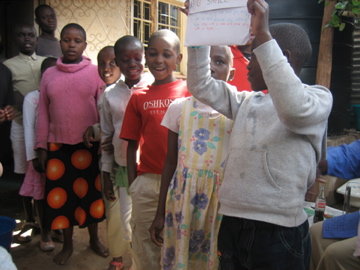
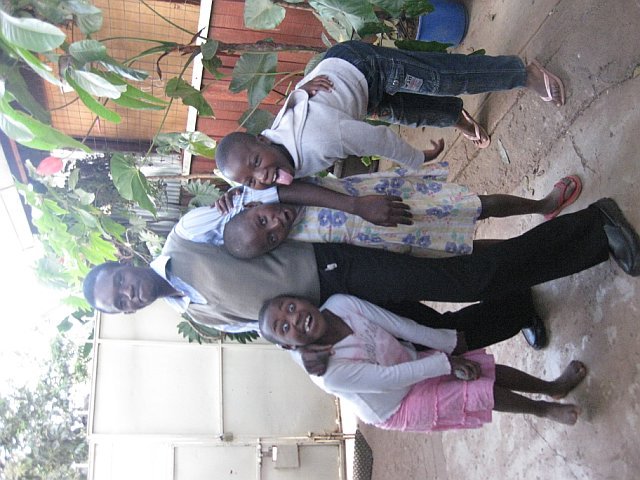
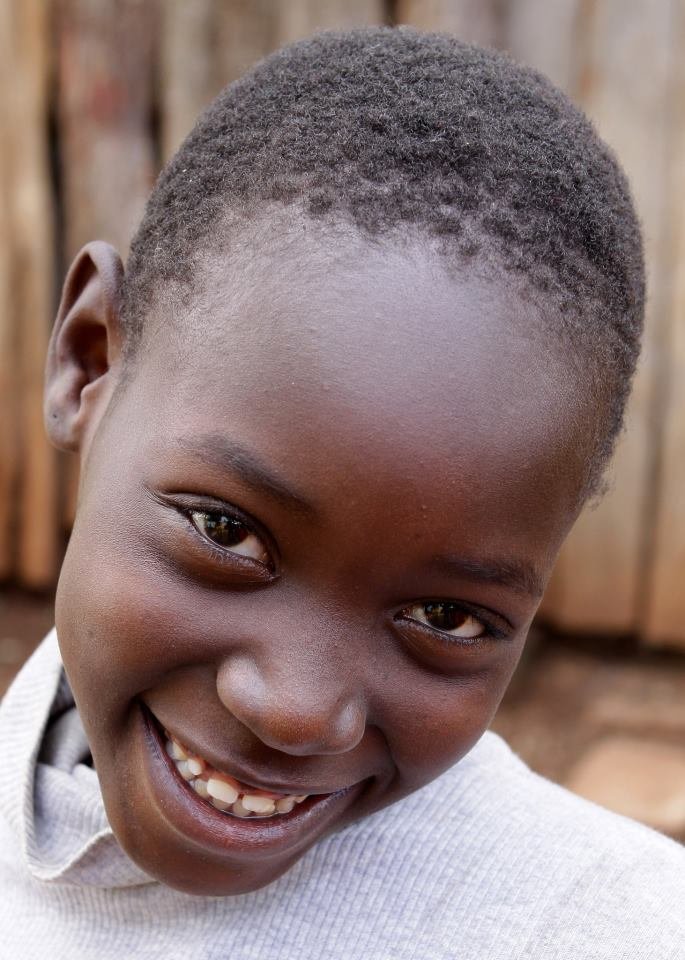
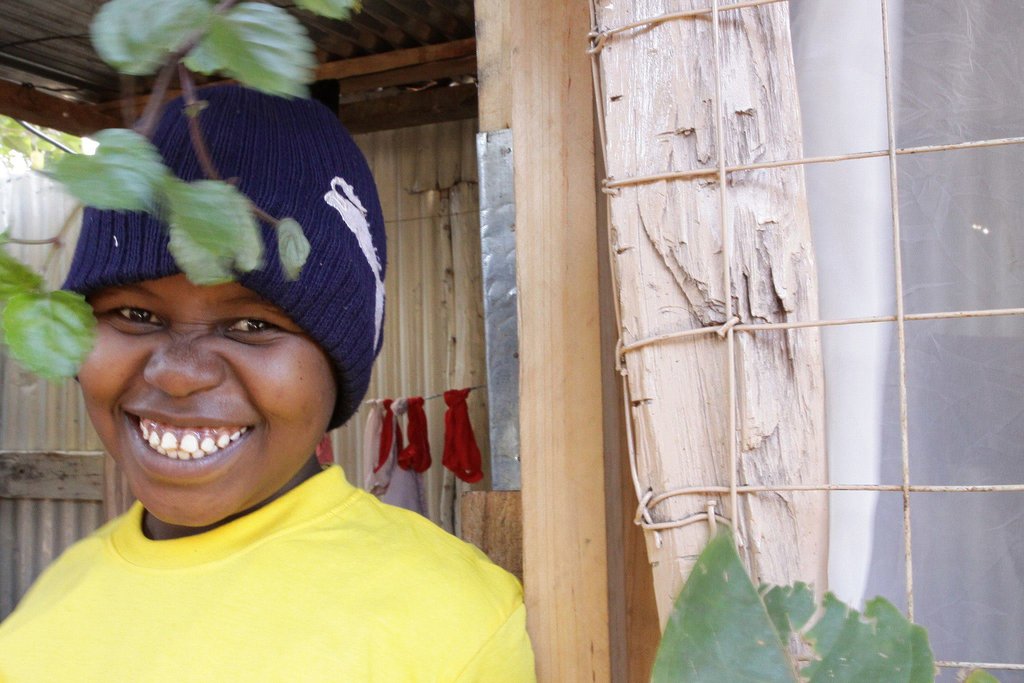
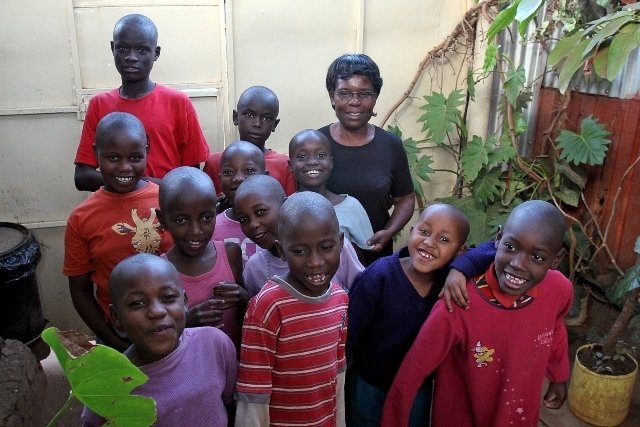
It is this problem that spurred St. Vincent’s to strategize ways to keep our girls safe as they are accessing education. With the start of the 2013 school year (in January), 10 of St. Vincent’s Rescue Centre girls were enrolled in boarding schools outside of Kibera to give them the opportunity to go to school without having to be exposed to the many dangers posed in Kibera. The girls return to the Rescue Centre on school breaks and where possible, have been placed in the same schools and those in proximity to extended families.
The girls are excited about their new schools and all are doing well. St. Vincent’s conducts visits to check up on them regularly and track their school performance and overall wellbeing.
Links:
Project reports on GlobalGiving are posted directly to globalgiving.org by Project Leaders as they are completed, generally every 3-4 months. To protect the integrity of these documents, GlobalGiving does not alter them; therefore you may find some language or formatting issues.
If you donate to this project or have donated to this project, you can receive an email when this project posts a report. You can also subscribe for reports without donating.



Support this important cause by creating a personalized fundraising page.
Start a Fundraiser