By Theresa Heasman | Development Director
Since our last report, we are delighted to tell you that, after a long and slow start, the rains have been fairly consistent and it will soon be time for harvesting Kenya’s main staple crop, maize. That maize will be dried and stored or sold as needed.
The maize used as a food source in Kenya is not the ‘sweetcorn’ that we in the west buy to grill on a BBQ in the summer or put in our salads etc. This maize is much more starchy and not as sweet. When freshly picked, it is a popular roadside snack – freshly barbecued and is just as delicious as its sweeter cousin, but much more filling. Once the maize kernels are dried, they are stored until needed for the two main dishes that Kenyan families rely on. One is called githeri, a carbohydrate and protein rich meal of boiled maize and red kidney beans. The other dish is ugali. This is similar to grits in the USA or pap in South Africa, and is widespread in Africa (by different names). The maize is ground to a flour and added to boiling water to make a very thick porridge which solidifies and is eaten with whatever vegetables and sauces can be put together. A thinner gruel called uji can also be made from the maize flour and this is a breakfast porridge. Sometimes the grain is mixed with other grains such as millet or sorghum. Maize is valued highly as it is so filling and relatively cheap. So, a failed or poor harvest can be disastrous. Fingers crossed...
Emergency supplies of maize and beans continue to be sent to those families living in the arid north of the country whose usual income from livestock herds was devastated by famine conditions. These areas cannot produce sufficient food crops to be life sustaining and hardy indigenous breeds of goats and cattle are relied on to produce food and income to enable families to buy goods such as beans and maize. The after effects of famine are usually felt for several years until livestock herds can recover. Many of these families have become disillusioned with this lifestyle and are migrating further south in hopes of settling down to farm in better areas or to seek employment in urban centres. This migration may slow if we have a couple of years of consistently good weather but, we have to look at the long-term future for these tribes if climate change continues to impact them detrimentally.
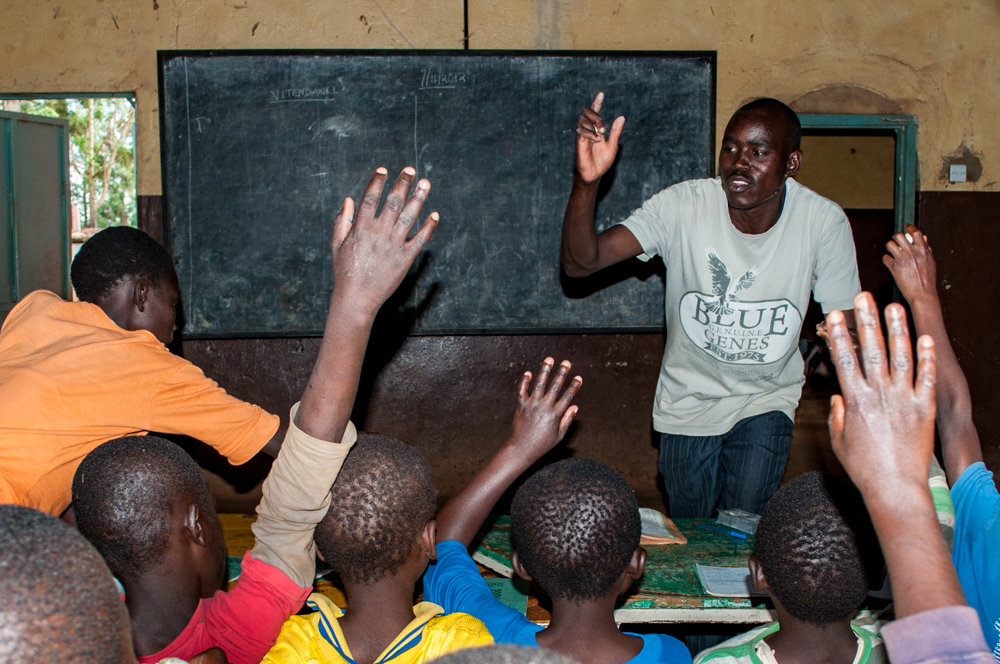
So, we must continue to provide emergency relief to those needing it whilst simultaneously looking at ways we can welcome migrants into new areas and provide them with sustainable income generation to support their families. We continue to do this through our projects and, this year, have increased the number of youths in our vocational training programmes three-fold to enable them to support their parents/siblings and, in time, support their own children. Many of these youths had little or no schooling and we have formed exciting partnerships with local apprentice trainers and vocational colleges to enable those struggling with illiteracy to access training and obtain certification. These programmes have been tailormade by us and, after a very successful pilot programme in 2018, we anticipate a real change in the ability of families to support themselves effectively. Some may choose to return to the communities they migrated from, utilising their new skills but, if they choose to stay, they will be self-sufficient.
Thank you for helping us to make a difference!
Project reports on GlobalGiving are posted directly to globalgiving.org by Project Leaders as they are completed, generally every 3-4 months. To protect the integrity of these documents, GlobalGiving does not alter them; therefore you may find some language or formatting issues.
If you donate to this project or have donated to this project, you can receive an email when this project posts a report. You can also subscribe for reports without donating.



Support this important cause by creating a personalized fundraising page.
Start a Fundraiser