By Theresa Heasman | Development Director
In our last report in March this year, we were concerned about the late arrival of the rainy season. Well, we are delighted to advise that, for most of the country, the 'long rains' arrived, albeit 2 months later than usual, in May! Great jubilation was short-lived, however, as after the initial few days of rain, it stopped for a week! Then it started up again but much lighter showers than usual. Farmers had many weeks of anxiety wondering if sufficient regular rain would fall to enable their maize to thrive. It is now raining heavily and we are hoping that it was simply a case of a delayed wet season and there will be enough rain to enable a successful harvest.
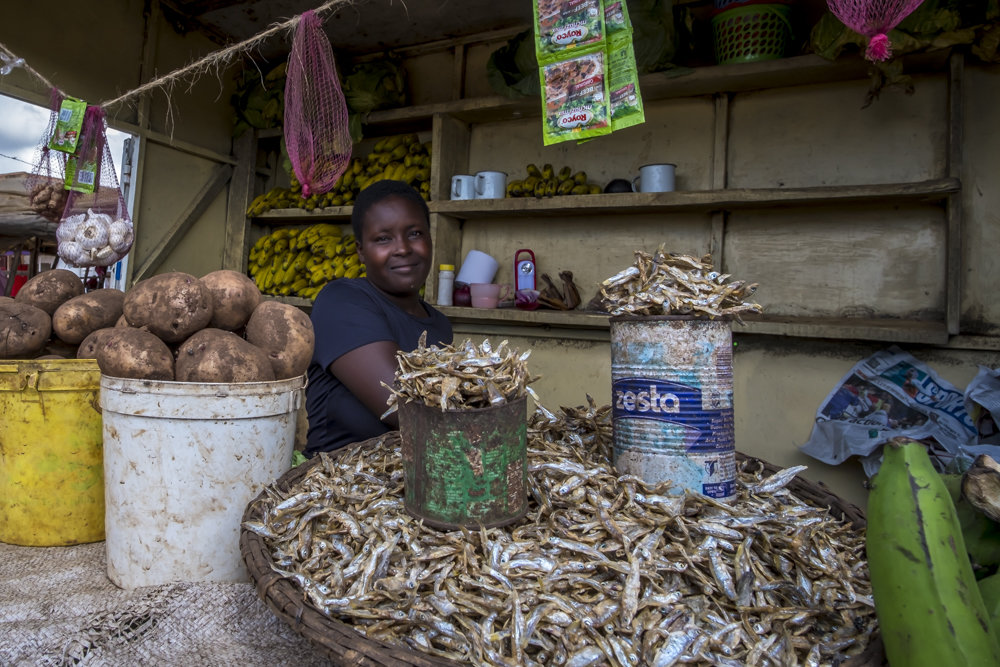
The delay and concern about food stocks did bring about a huge price hike in dried foods such as maize and beans. These are the mainstay of the Kenyan diet throughout the year and high costs have left many families struggling to feed themselves. Those fortunate enough to live in the farming areas across the middle/south of the country can at least eke out their stocks with short term crops such as green vegetables and squashes while sourcing protein from eggs and fish. Sadly, however, those in the arid areas which received rainfall even later than the rest of the country, are dependant on any livestock who survived the drought to provide meat, milk and income, and have to wait until the next harvest of crops sturdy enough to survive extremes of climate. As pressure on resources increases, climate change impacts more, and populations increase, there is no choice but to move closer to areas where assistance may be more readily available and that means that frontier towns such as Kitale see a steady procession of new arrivals displaced by drought and poverty.
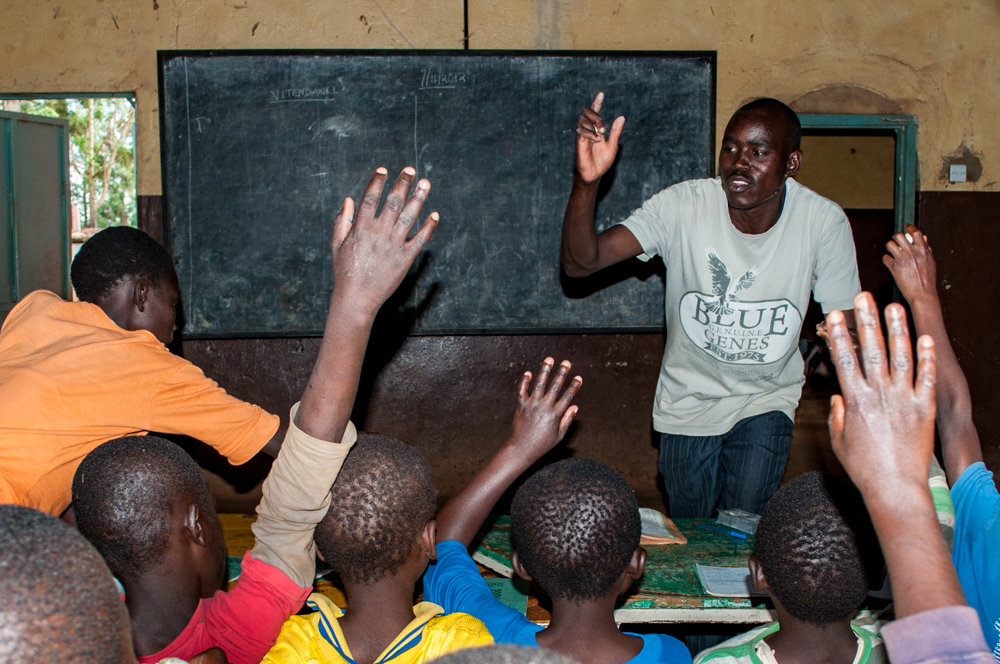
There is no easy solution or quick fix. Government and aid agencies need to work together to find sustainable solutions to improve livelihoods in areas regularly affected by drought. Sadly, culture and way of life has to change to make way for a different lifestyle where those once dependant on nomadic lives herding livestock will need to look at other ways of generating income and food security. In the meantime, organisations such as ours do our best to step in and help in a smaller way to offer hope and support to families in order that today's children will have a future. We can enrol children in school, reunite families and assist with training and small businesses to enable them to survive in their new home until such time as we can work together to find a way they may be able to return to their original home areas with new methods to survive the climatic conditions.
Project reports on GlobalGiving are posted directly to globalgiving.org by Project Leaders as they are completed, generally every 3-4 months. To protect the integrity of these documents, GlobalGiving does not alter them; therefore you may find some language or formatting issues.
If you donate to this project or have donated to this project, you can receive an email when this project posts a report. You can also subscribe for reports without donating.



Support this important cause by creating a personalized fundraising page.
Start a Fundraiser