By Theresa Heasman | Project Leader
Like much of the world, Kenya has been ravaged by extremes of climate. 2016 and 2017 saw parts of the country suffering from one of the worst droughts experienced in living memory. This resulted in chronic food shortages and displacement as people moved in search of food stability.
The government intervened in the northern regions which were impacted the worst but, sadly, much of these interventions were short-term and criticized for being inadequate, poorly planned and with much of the aid being involved in corruption scandals.
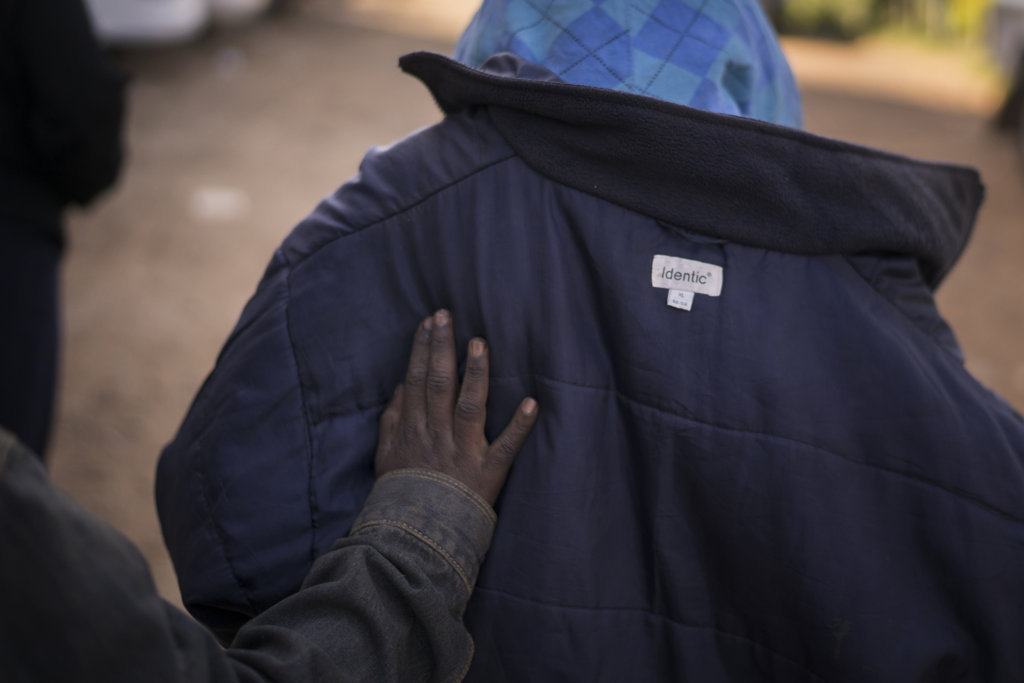
We have seen the impact of the drought in the number of new families who have relocated to the Kitale area, especially in the increased numbers of families and children living on the streets or eking a living off the streets while making some sort of home in the informal settlements or squatting out-of-town.
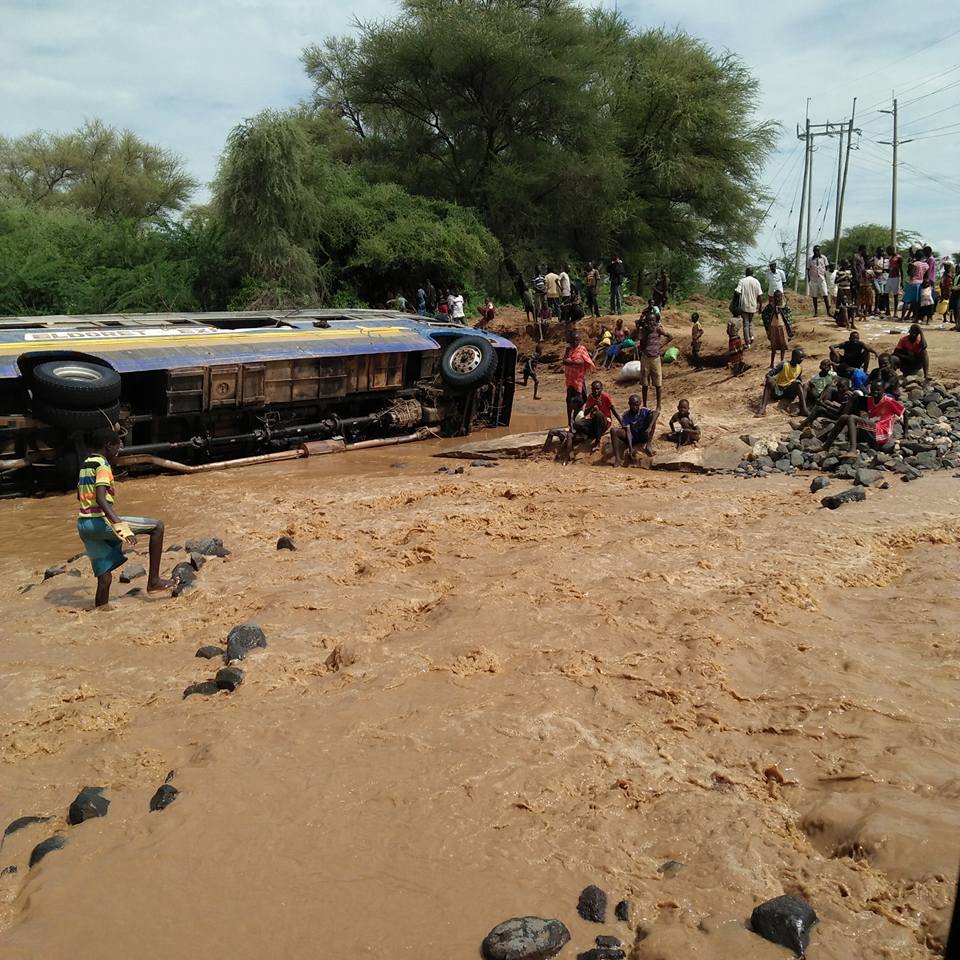
In March this year, the rains finally came. However, the rains came in force and the parts of the country that had suffered the most severe drought, have now experienced appalling floods. These floods caused landslides and washed out entire villages. There are only two roads that travel from southern to northern Kenya – one on the east side of the country and one on the west. The road on the west goes through Kitale town and this road has a bridge at a place called Kainuk. This road is the main artery to north west Kenya. It has been destroyed twice this year by the extreme force of the flooded river that passes beneath. In each case, the temporary ‘fix’ has not been able to withstand the forces of nature. This has cut off traffic to the region carrying much needed building supplies, food and other aid intended to help people remain in their home areas.
The bridge being out of commission for many weeks at a time has not stopped the desperate from finding a way cross country to Kitale, however, and our emergency assistance leading to a longer-term relationship with these families continues. Ideally, we will be able to help some return to their original homes and villages eventually but, in the meantime they need food, shelter and education for their children, and a way to generate income.
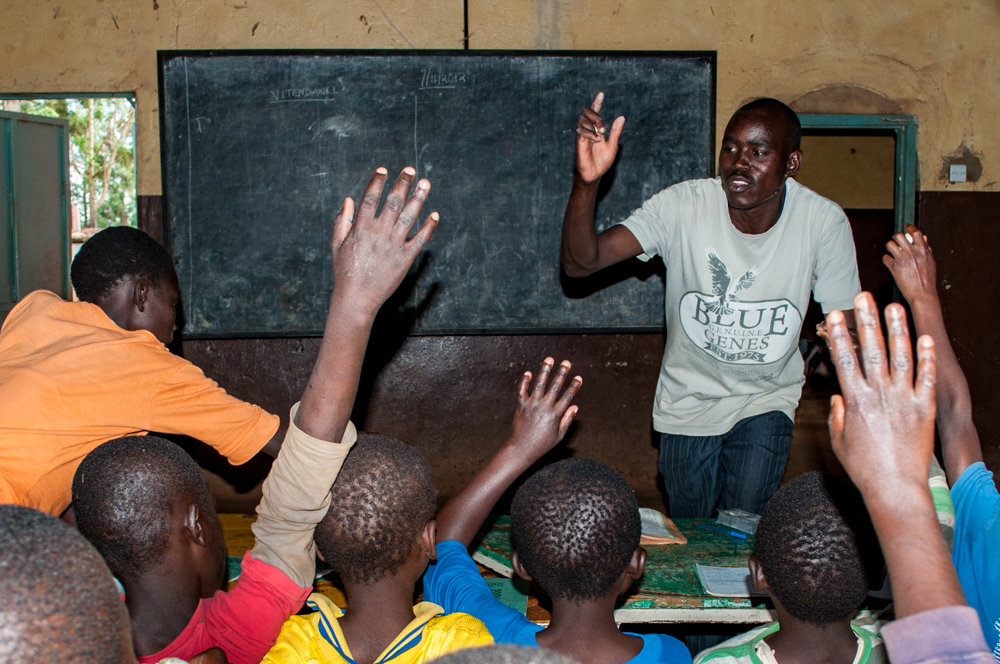
We have worked hard to not only help families, youth and children sleeping rough in the informal settlements and on the streets, but to do what we can to prevent children running to the streets: through interventions such as short-term food baskets while trying to assist family members in setting up small business ventures, educate their children and train young people in skills such as tailoring, hairdressing, mechanics to enable them to earn a living. Children rescued from the streets are reintegrated home as quickly as possible. But this can only work if assistance is given in the home to alleviate poverty and hunger, otherwise those children will run back to the streets, perhaps not to live, but certainly to forage and beg during the daytime.
The increased numbers of children on the streets has caused frustration with the police and business community and last month this culminated in a ‘round-up’ of children found on the streets. Over 80 children found on the streets were taken into cells, the majority of whom were boys aged between 6 and 14. The children spent the night in jail and received no food during this incarceration. We worked hard to get these children released into our care to avoid them remaining in an adult prison and we are working hard to counsel them and investigate their reasons for their being on the streets, providing help to the family to enable them to be reintegrated.
There is a positive to all this though! The rain has enabled those parts of the country traditionally regarded as its food basket, to plant crops and hope that the country will be able to have a successful harvest in 2018 - to offset the shortages of last year. The rainfall has been extreme but, so far, not enough to cause major damage to growing food crops. Hopefully, the impact of the drought and floods will be short term and not affect the longer term growing of food in the country. A good 2018 harvest will at least enable resettlement of many families by the end of this year. We are hopeful.
Project reports on GlobalGiving are posted directly to globalgiving.org by Project Leaders as they are completed, generally every 3-4 months. To protect the integrity of these documents, GlobalGiving does not alter them; therefore you may find some language or formatting issues.
If you donate to this project or have donated to this project, you can receive an email when this project posts a report. You can also subscribe for reports without donating.



Support this important cause by creating a personalized fundraising page.
Start a Fundraiser