By Theresa Heasman | Project Leader
Earlier this month, most of Kenya celebrated the long-awaited arrival of ‘the rains’ after many months without a drop. We were deluged with heavy rains which brought floods, landslides, traffic chaos and mud - but also brought life-saving water for people and livestock and soaked the parched earth ready for planting.
There are still parts of the country, to the north, that have not received rain. And areas where the rain that has come may not last for long enough to enable them to plant and nurture crops through to harvesting. Such are the vagaries of climate – and climate change – and these are areas where the residents rely more on livestock than on crop farming.
Kenya has struggled with its food crisis. The Red Cross estimated that 3.4 million Kenyans were facing hunger in 2017. The government introduced a kshs6 billion flour subsidy programme in May last year but that ended some months ago – long before the planting of new crops could commence, let alone harvesting. In 2017, the country’s staple cereal crop, maize, was down by 25% over previous years’ harvests and was badly impacted by a pest called army worm, compounding the crisis.
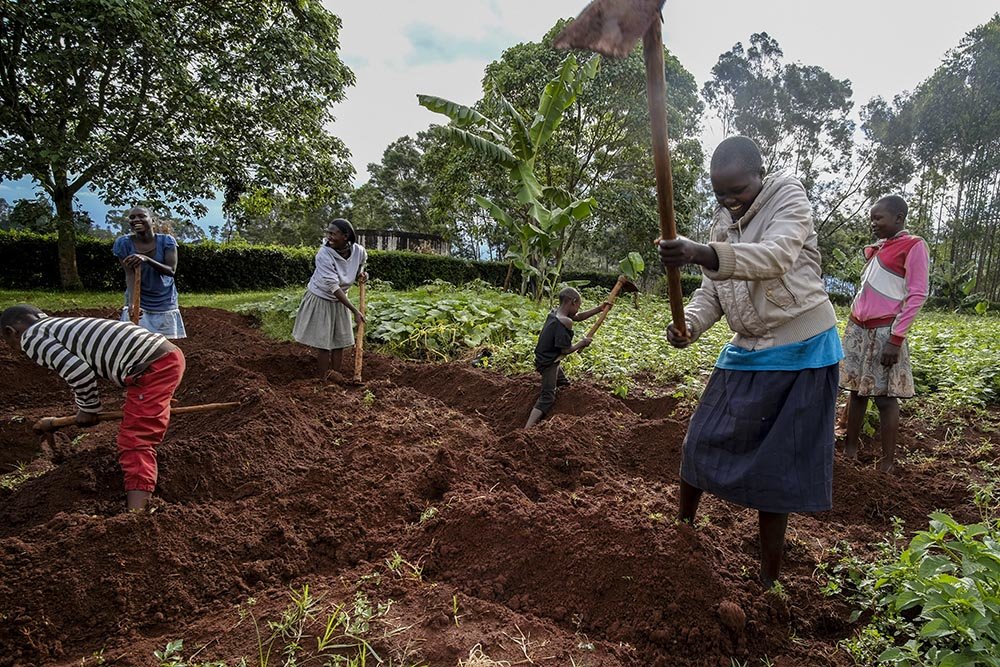
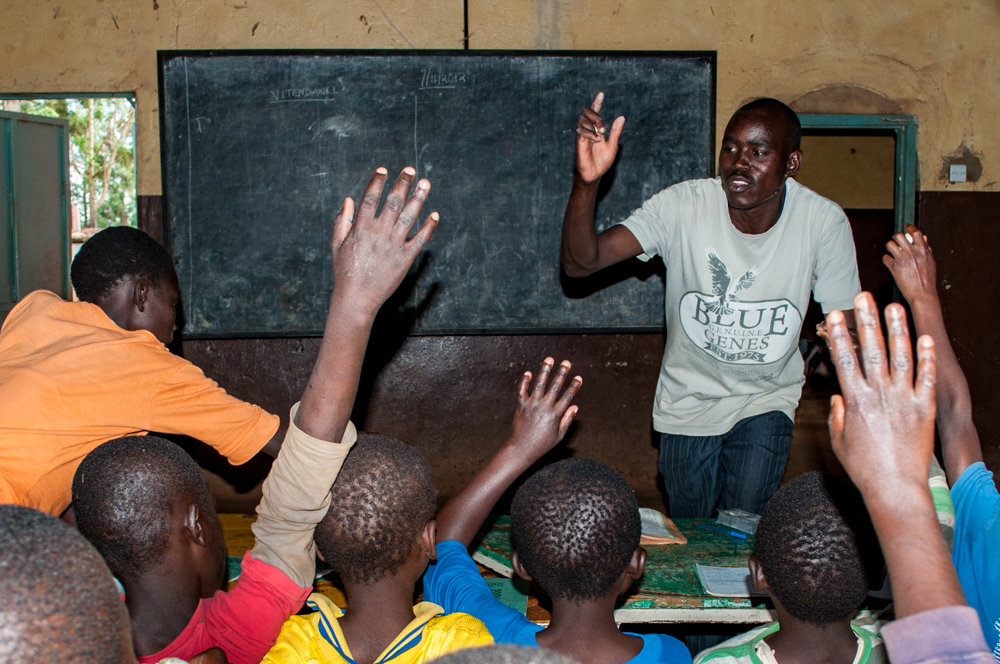
With the rain, comes new challenges. For families they include the rush to plough, dig and plant as quickly as possible, the temptation to keep children home from school to help in the task, the worry about how to find enough money to buy seeds. For Child Rescue Kenya our challenges are setting up families with bio-intensive training and grants as quickly as possible to enable them to plant crops, trying to get children off the streets and into shelter urgently due to inclement weather conditions (it is wet and cold at night), encouraging families to keep their children in school until the April holiday. But all our challenges are faced with a positive attitude as the rain is so welcome. However, it will take months for crops to grow and be harvested and that will depend on this rain lasting through the growing season. In the meantime, hunger is still a constant in the lives of many.
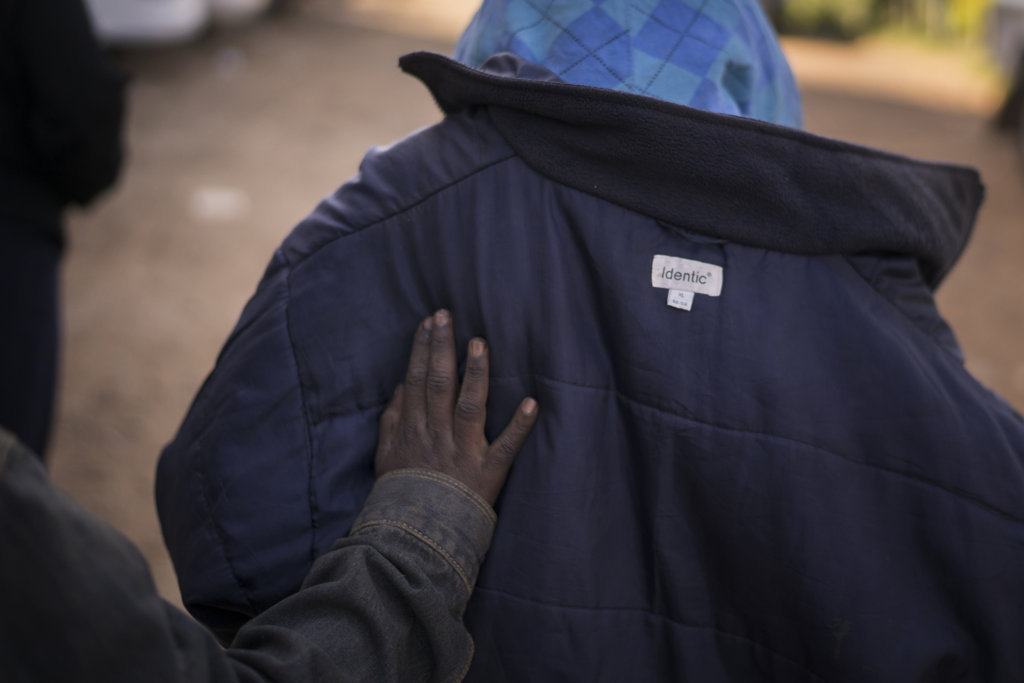
Over the past year, Kitale, the county town of TransNzoia county, saw an influx of displaced children and families from surrounding regions such as Pokot and Turkana during the prolonged drought, in addition to families already in the area struggling with rising food costs and political uncertainties. We have worked hard to not only help families, youths and children sleeping rough in the slums/on the streets but also to do what we can to prevent children running to the streets through interventions such as short-term food baskets while trying to assist family members in setting up small business ventures, educate their children and train young people in skills such as tailoring, hairdressing, and mechanics to enable them to earn a living. Children who choose to leave the streets with our support are reintegrated home as quickly as possible but this can only work if assistance is given in the home to alleviate poverty and hunger otherwise those children will run back to the streets, perhaps not to live, but certainly to forage and beg during the daytime.
With your donations we have been able to help a number of these children and their families. Thank you again for supporting Child Rescue Kenya.
Best Wishes!
Project reports on GlobalGiving are posted directly to globalgiving.org by Project Leaders as they are completed, generally every 3-4 months. To protect the integrity of these documents, GlobalGiving does not alter them; therefore you may find some language or formatting issues.
If you donate to this project or have donated to this project, you can receive an email when this project posts a report. You can also subscribe for reports without donating.



Support this important cause by creating a personalized fundraising page.
Start a Fundraiser